

119 West Lincoln Avenue, Mc Donald, PA 15057
For more information about senior living options: (866) 208-4318
Paulin Personal Care Home Costs & Pricing
Paulin Personal Care Home offers a competitive pricing structure for its semi-private rooms, charging $1,600 per month. This rate stands in stark contrast to the average costs in both Washington County and across Pennsylvania, where similar accommodations can reach $3,185 and $3,542, respectively. By providing a more affordable option without compromising on care quality, Paulin Personal Care Home positions itself as an appealing choice for families seeking cost-effective solutions for personal care needs while ensuring a comfortable living environment.
| Floor plans | Paulin Personal Care Home | Washington County | Pennsylvania |
|---|---|---|---|
| Semi-Private | $1,600 | $3,185 | $3,542 |
Assisted Living communities with a similar price nearby
-
from +$50 / mo
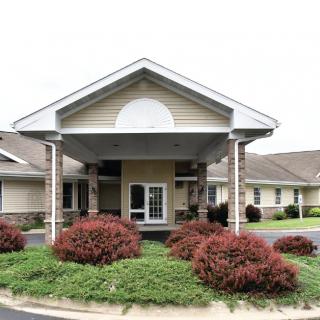
Grandview Estates Of Elizabeth
$1,650 to $1,850 / month21.6 miles away -
from -$310 / mo

The Residence at Arrowood
$1,290 to $3,570 / month17.4 miles away -
from +$285 / mo
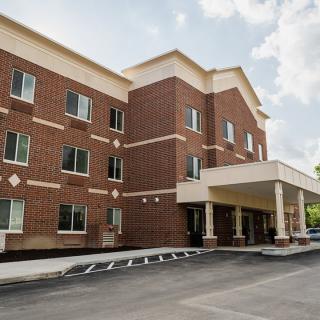
The Residence at Whitehall IL and PC
$1,885 to $4,110 / month13.6 miles away -
from -$200 / mo

The Gardens Of Lincoln Court
$1,400 to $2,200 / month21.5 miles away -
from +$250 / mo
Concordia at Rebecca Residence
$1,850 to $3,100 / month24.0 miles away
Overall Review of Paulin Personal Care Home
Pros
 It is homey and friendly.
- It is filled with residents needing varying levels of care.
- It smells of home cooking upon entry.
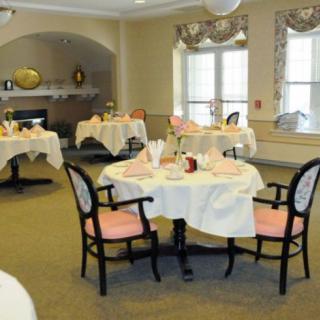
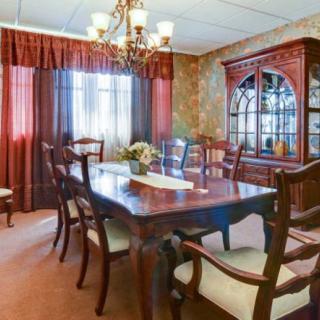
- Meals are shared around a huge family dining table.
- The front porch serves as a gathering place when weather and health permit.
- It was a good fit for the family and their dad.
Cons
 It is not a perfect fit for everyone.
Review
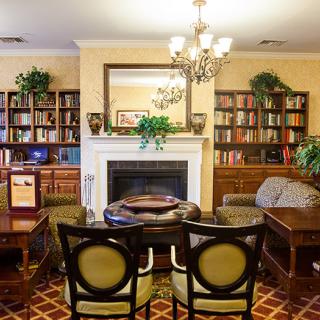
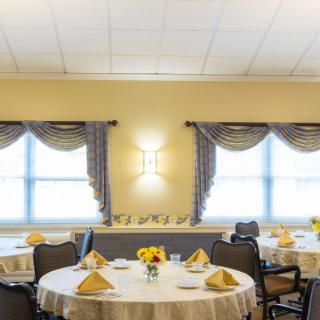
Paulin Personal Care Home in McDonald, PA is best suited for seniors who want a small, home-like environment with personal attention and simple, predictable routines. The setting appeals to residents who thrive in a close-knit, family-style atmosphere where companionship comes from living among peers with similar needs. The reviewer’s father lived there for three years and benefited from a community described as homey and friendly, with residents who require varying levels of care. Meals unfold at a large family dining table, and on days when weather cooperates, the front porch becomes a natural gathering place. In short, the vibe is warmth, familiarity, and steady support rather than formality.
Who may want alternatives? Those who require high-level skilled nursing, intensive rehab, or a wide range of medical services will likely find the setting too small and the resources too limited. The reality of a single-family-like house with a dedicated staff means less formal programming and fewer on-site specialists. For families seeking a highly structured environment with a robust activity calendar, multiple care levels, or more privacy, other communities will serve better. The owner notes this isn’t a perfect fit for everyone, underscoring the need to align expectations with what the home can realistically deliver.
Key advantages center on relationship and routine. The homey atmosphere supports comfortable, low-stress interactions between residents and caregivers; the familial dining ritual builds continuity and reduces the isolation common in larger facilities; porch gatherings offer spontaneous, low-pressure socialization that can lift mood and engagement. These strengths partially offset the absence of a clinical ambience, since the care is delivered with warmth and attention rather than process-driven efficiency. For residents who value kinship, familiarity, and straightforward daily life, these pros translate into meaningful quality of life that many larger centers struggle to replicate.
Yet the very strengths also reveal potential drawbacks. The intimate scale can feel limiting for those who crave privacy, independence, or a broader range of activities and amenities. With a small staff and fewer specialized resources, the pace of change, therapy options, and responsiveness to complex medical needs may lag behind larger communities. The resident’s three-year tenure suggests stability and satisfaction when needs stay within the home's capabilities, but families should be honest about potential transitions if medical conditions intensify or mobility declines.
Decision framework: evaluate current care requirements against what the home routinely provides. Is medication management seamless? Are mobility assistance, dressing, bathing, and meal support reliable? How important are schedule variety and formal programming? Is there an openness to adapt as needs evolve? If the priority is a warm, community-centered environment with predictable routines, Paulin Personal Care Home delivers. If the priority is advanced clinical oversight, rehab, privacy, or a wider social slate, alternatives deserve serious consideration.
Bottom line: Paulin Personal Care Home is a strong match for seniors who want a small, home-like setting with hands-on, personable care and family-style daily life. Its strengths, a warm, social atmosphere, accessible meals, and ready companionship, outweigh its limits for residents whose needs stay within the home’s capability. Those who require more medical attention, a broader activity menu, or greater independence should actively compare other options. A direct visit, candid conversations with staff, and a trial stay if possible will reveal whether the fit is right.
 20 resident community capacity
 Assisted Living
 Board and Care Home
 Activities on-site
 Bath tubs
 Beauty salon
 Cable or satellite TV
 Dining room
 Fully furnished
 Garden
 Housekeeping services
 Indoor common areas
 Kitchenette
 Move-in coordination
 Outdoor common areas
 Respite or short term stays offered
 Telephone
 Wi-Fi/high-speed internet available
 Pittsburgh International (9 miles away)
 24-hour call system
 Ambulatory care
 Assistance with bathing
 Assistance with dressing
 Assistance with transfers
 Diabetes diet
 Diabetic care
 High acuity care
 Incontinence care
 Meal preparation and service
 Medication management
 Mental wellness program
 Special dietary restrictions
 Transportation arrangement (medical)
 Transportation to doctors appointments




 Vibrant Senior Living: A Comprehensive Guide for Active Older Adults
 When to Transition from Assisted Living to Memory Care: Key Indicators, Steps, and Finding the Right Community
 Assisted Living and Memory Care: Understanding Their Core Differences