
158 Sugar Valley Lane, Franklin, PA 16323
For more information about senior living options: (866) 208-4318
Overall Review of Sugar Valley Lodge Silver Oak Building
Pros
 The place is described as okay.
Cons
 The staff treat residents nastily.
- They answer questions with nasty responses.
- The place is unsanitary and residents are treated like dirt.
- The reopening of the place was a joke.
- The staff cuss out an old lady and have used racial slurs against employees.
Review
Sugar Valley Lodge Silver Oak Building in Franklin, PA is best suited for residents with extremely low care needs and for families with no clearly viable alternatives in the immediate area. The facility as depicted by the reviews signals a environment where basic expectations, respectful communication, cleanliness, and dependable oversight, are not reliably met. For anyone who requires even modest levels of assistance, supervision, or a dignified atmosphere, this community is not a good fit.
Families should explicitly consider alternatives before engaging with this building. In the Franklin market, there are other assisted living options and likely in-home care arrangements that offer more consistent staffing, cleaner facilities, and better governance. If a move is being driven by budget constraints, that choice should be weighed against the likely cost of emotional toll, potential neglect, and escalating risk. In short, this is a location that demands a clear, aggressive comparison against nearby peers, with a bias toward options that demonstrate respectful care, transparent management, and verifiable cleanliness.
The most striking red flags are the staff interactions and the overall care environment. Reports describe staff treating residents nastily, answering questions with hostility, and even cussing at an elderly resident. Accounts of racial slurs used by employees are profoundly troubling, and they point to a culture problem that can undermine safety, trust, and emotional security. Add to that the repeated characterizations of unsanitary conditions, and the pattern becomes unmistakable: residents face daily exposure to disrespect and neglect rather than the supportive, compassionate care families expect from an assisted living setting. These facets are not minor surface issues; they signal ongoing risk to dignity, wellbeing, and physical health.
There are a small number of five-star notes, totaling two out of eight reviews, suggesting that isolated experiences can feel acceptable or even positive for some individuals. These outliers, however, do not neutralize the broader, persistent concerns. The consistently negative feedback dominates the narrative: a sense of disorganization around reopening, questions about whether leadership can deliver reliable services, and a demonstrable lack of sanitary controls. For decision-making, rely on the weight of the evidence rather than rare favorable anecdotes. The favorable reviews, if any, are not a credible counterbalance to the documented patterns of behavior and condition.
When evaluating the pros against the cons, the equation clearly tilts toward risk. Any potential convenience or lower price must be measured against the daily reality of staff hostility, fear-inducing interactions, and ongoing cleanliness issues. Even if some residents report acceptable moments, those moments do not offset the likelihood of being spoken to harshly, of living in an environment that feels unsettled or unsafe, or of facing situations where basic hygiene is not consistently maintained. For families, this translates into higher stress, a need for constant oversight, and the potential for regret after transition, situations that should be avoided in a setting intended to be stabilizing and supportive.
The prudent path is to pursue alternatives with verifiable staffing stability, clear incident documentation, hygienic facilities, and a culture of respect. If touring this building, demand concrete evidence: recent inspection results, staff-to-resident ratios, turnover statistics, and a written plan for addressing unsanitary conditions and inappropriate conduct. Speak directly with current residents or their families about day-to-day experiences, not only promotional materials. Set expectations for responsive communication, incident reporting, and professional boundaries, and walk away if those benchmarks cannot be met. In the end, this venue should not be the default choice; it should be the last resort after all other feasible options have been thoroughly vetted.
 15 resident community capacity
 Assisted Living
 Board and Care Home
 Cable or satellite TV
 Dining room
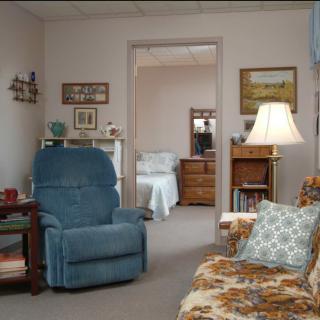
 Fully furnished
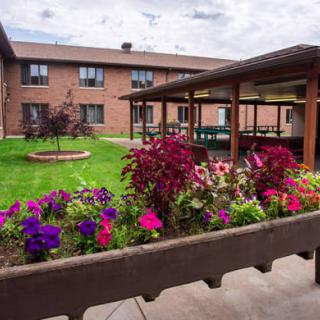
 Garden
 Housekeeping services
 Move-in coordination
 Outdoor space
 Telephone
 Wi-Fi/high-speed internet available
 24-hour supervision
 Activities of daily living assistance
 Assistance with bathing
 Assistance with dressing
 Assistance with transfers
 Diabetes diet
 Meal preparation and service
 Medication management
 Special dietary restrictions
 Transportation arrangement (medical)
 Transportation to doctors appointments





 Senior Transition Services: Understanding Their Role, Cost, and Importance
 Exploring the Path to Senior Living: A Comprehensive Look at Independent Living and Assisted Living
 Is Assisted Living Deductible on Your Taxes? Understanding the Complexities of Assisted Living Expenses and Deductions