



Causeway Dr, Franklin, PA 16323
To contact a resident: (814) 437-0100
For more information about senior living options: (866) 208-4318
Overall Review of Sugar Creek Station
Pros
 The staff at Sugar Creek are excellent and kind.
- The facility is clean, pleasant, and welcoming.
- The staff are really great with residents.
- The environment is clean and everyone is nice and polite.
- The nurses and aides appear to care deeply about the residents.
- It is described as the nicest nursing home, with friendly people.
- The staff are very helpful and courteous.
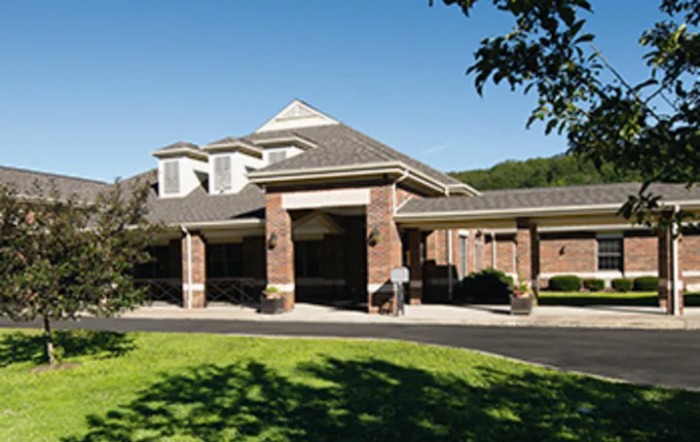
- The lobby and building are clean, well-maintained, and welcoming.
- The facility is beautiful, with staff who show passion for their residents.
- The place is beautiful, with very good staff.
Cons
 They seem understaffed, and there is an unpleasant smell near the grandmother's room.
- New management has failed the residents.
- They left the grandmother in COVID quarantine longer than necessary, to the point where she died.
- The few staff that were left couldn't keep up.
- They did nothing to save the grandmother and had death paperwork filled out with incorrect causes of death.
- Very hostile towards their employees.
Review
Sugar Creek Station in Franklin, PA is best suited for families seeking a warm, person-centered environment where residents are treated with genuine kindness by a compassionate care team. The community consistently earns praise for cleanliness, easy-to-navigate hallways, and a calm, welcoming atmosphere that supports daily routines and social interaction. It is particularly well-matched for residents who want a homey feel, clear patient-care relationships, and staff who remember individual preferences. Those needing light to moderate assistance and valuing a positive, interpersonal approach from nurses, aides, and social workers will find this setting reassuring and concrete in its everyday operations.
At the same time, certain realities suggest some households should consider alternatives. Several reviews raise red flags about management stability and its impact on care continuity, especially during periods of transition. Concerns about staffing levels, and the accompanying stress on a facility’s ability to respond rapidly to residents’ needs, signal that reliability in critical moments may vary. A troubling anecdote about a resident’s death under new management underscores the importance of strong clinical governance and vigilant oversight. For families prioritizing ironclad consistency, precise accountability, and a predictable escalation path for concerns, this facility may not be the optimal match.
The strongest positives here are the people and the daily environment. Residents are described as well cared for by nurses and aides who are genuinely attentive, with multiple testimonials detailing kindness, patience, and helpfulness in navigating the building. The social worker and frontline staff are repeatedly singled out for warmth and accessibility, which helps families feel connected to the care plan and reassured about the resident’s day-to-day experience. The facility’s upkeep, clean, well-maintained common spaces, orderly directions, and a security check-in process, contributes to a dependable, secure feel that supports peace of mind for relatives who cannot be on site constantly. These elements create a strong foundation for comfort and trust in familiar routines.
Yet the cons cannot be dismissed. The most disquieting notes center on possible understaffing and morale problems that can surface when leadership shifts occur. When staffing is tight, even the best-intentioned caregivers may struggle to meet every demand, and that friction can subtly erode resident experience over time. The mix of highly positive endorsements and critical anecdotes suggests a facility that delivers excellent daily care under steady leadership but can encounter meaningful stress when managerial changes destabilize operations. Families should weigh whether the current climate feels stable enough given the level of medical and personal attention their loved one requires.
For families considering a move to Sugar Creek Station, practical due diligence is advised. Schedule multiple visits across different days and times to observe how staff interact with residents and how care plans are executed in real time. Ask explicit questions about staffing numbers, shift coverage, and what contingency plans exist during turnover. Review the most recent state inspections for objective performance indicators, and speak with several staff members and residents to gauge consistency in the quality of care. Clarify how clinicians monitor health conditions, manage medications, and respond to emergencies, and request candid explanations of how management handles concerns and implements changes when needed.
Ultimately, Sugar Creek Station offers a compelling combination of warmth, cleanliness, and attentive caregiving that resonates with many families. It stands out for its compassionate frontline team and a calm, home-like environment that supports meaningful resident interaction and routine. The decision hinges on a comfort with potential leadership-related fluctuations and the facility’s ability to maintain staffing stability over time. For families prioritizing immediate, personal warmth and a reassuring day-to-day experience, this community is a strong fit. For those who require consistently unfluctuating oversight, transparent accountability, and robust clinical governance, exploring other options with a firmer track record in staffing and management stability may be prudent.
 Assisted Living
 Activities on-site
 Devotional services off-site
 Indoor common areas
 Ambulatory care
 Diabetic care
 Meals provided




 Senior Transition Services: Understanding Their Role, Cost, and Importance
 Exploring the Path to Senior Living: A Comprehensive Look at Independent Living and Assisted Living
 Is Assisted Living Deductible on Your Taxes? Understanding the Complexities of Assisted Living Expenses and Deductions