For more information about senior living options: (866) 208-4318
4.4 from 41 reviews
5 stars
33
4 stars
1
3 stars
2
2 stars
1
1 stars
4
Overall Review of Crawford County Care Center
differentiator5 reviews mention this
Memory care is a focus
Memory care is directly mentioned as part of residents’ experience.
Several reviews describe care in a Memory Garden tied to Alzheimer’s, with families saying their loved one was treated very well. One reviewer also highlights that the facility has an Alzheimer’s unit. Families mention the staff as responsive in day-to-day needs, along with activities and a homelike feel that helps residents stay comfortable.
common10 reviews mention this
Activities keep residents engaged
Residents and families describe a strong activities program.
Multiple reviews say the community keeps residents busy with regular scheduled activities, outings, and resident involvement. Families specifically mention live music and exercise, and one review calls the activity department excellent. Another reviewer describes a sense of home and engagement, while a staff member reviewing their own role also points to community activities and keeping residents active.
common3 reviews mention this
Meals feel more personal
Dining is described as tailored and easier to enjoy.
Residents and families mention dining in ways that sound more personalized than generic facility meals. Reviews describe meals prepared around individual preferences and served family-style, and one person notes a special dining area along with the ability to request special diets. A separate review also raises the expectation for care and dining given high monthly costs.
common27 reviews mention this
Caring staff comes up often
Residents and families frequently describe the staff as caring and responsive.
Across many reviews, people point to staff going above and beyond, including nurses, aides, and social work support. Families describe prompt help, friendly interactions, and nursing supervisors being available when questions come up. Several reviewers also mention cleanliness and a warm, respectful tone from staff during visits, from housekeepers and cooks to administration.
caveat3 reviews mention this
Communication and staffing can slip
Some families report frustrating communication and staffing shortfalls.
A reviewer says communication from administration was difficult, including unanswered phone calls and challenges reaching the center on weekends, especially for families living out of state. Another review describes the facility as minimally staffed at times, with residents “forgotten” at meal time. One more critic also says the place is going down and would not want loved ones there under the current operation.
caveat2 reviews mention this
Medical oversight varies by review
Doctors are discussed differently across reviews.
One review describes attentive nurses and doctors being on hand, while another says there is no doctor on site but that doctors do come to take care of patients. That difference also matters when families are weighing how quickly medical needs can be addressed. Nearby options referenced in the listing include local physician offices and a medical center within several miles.
How we summarize
Counts show how many written reviews mention each theme; a review can touch several themes, and only frequently mentioned themes are displayed.
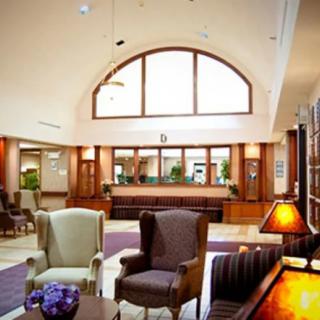
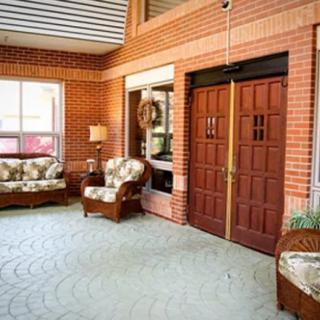
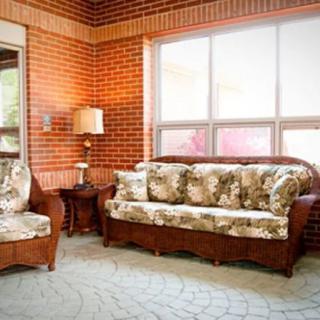
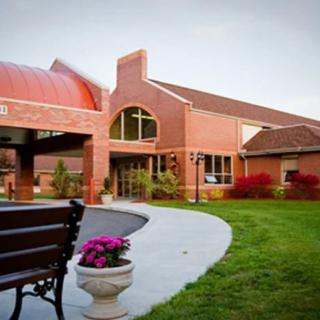
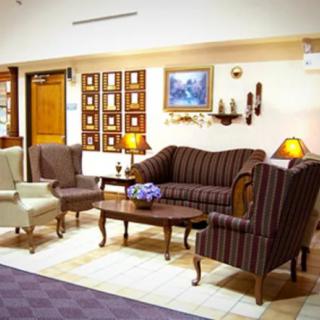
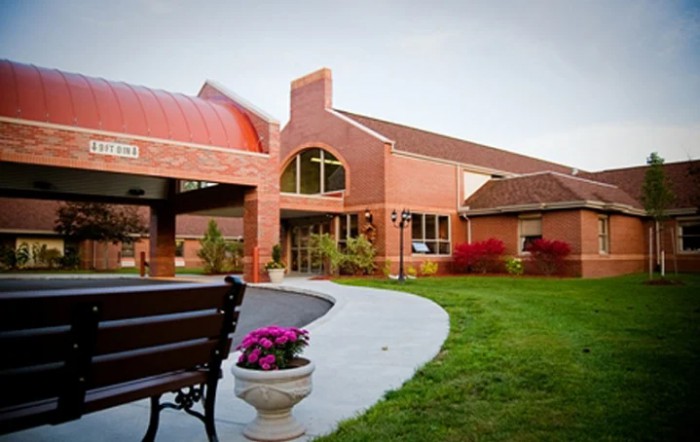
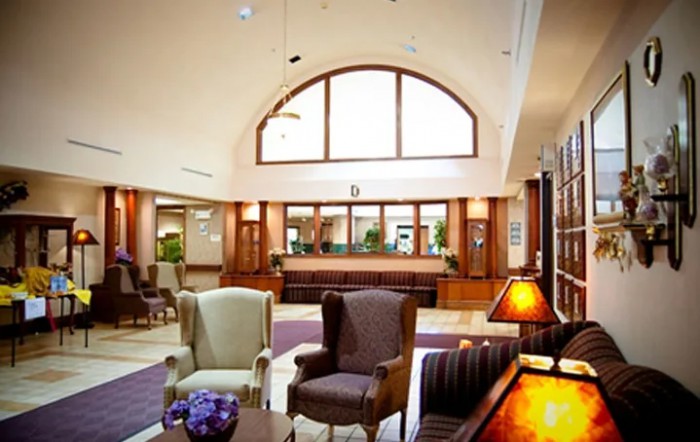
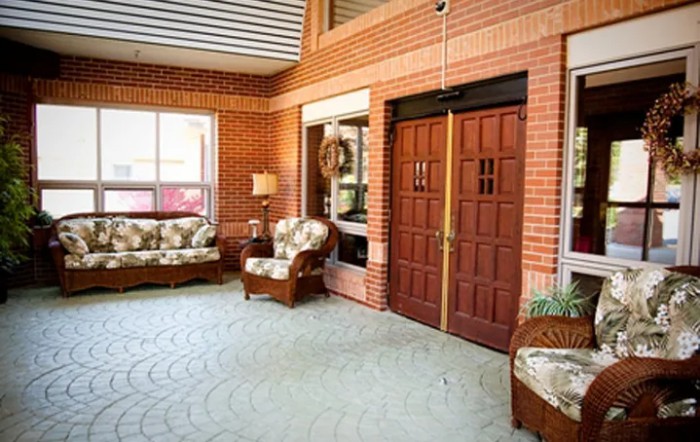
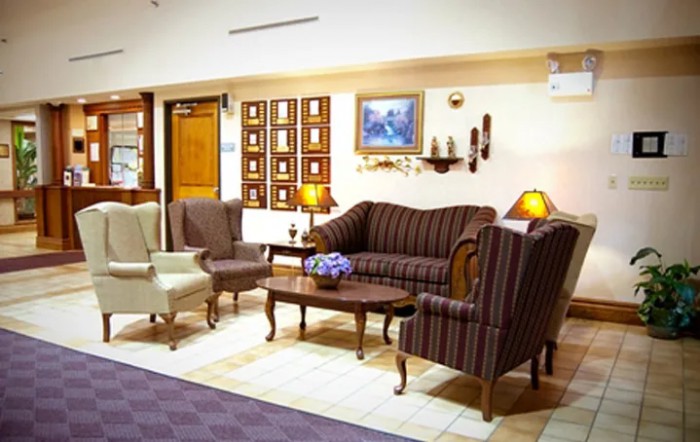
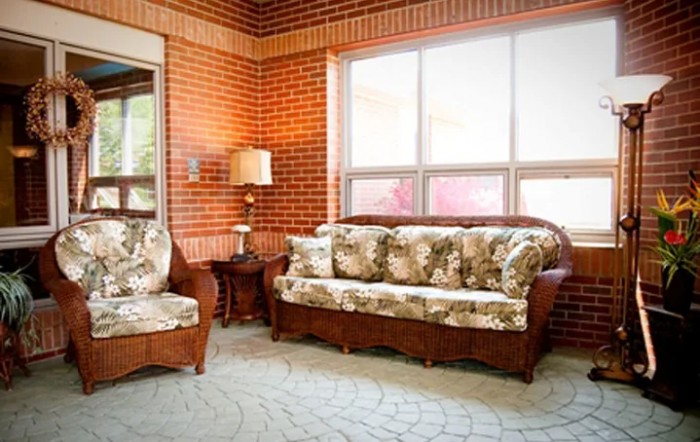
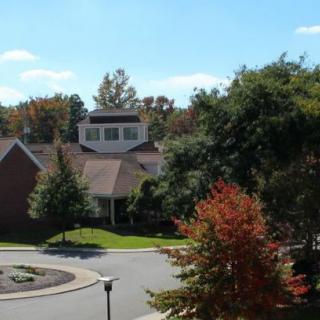
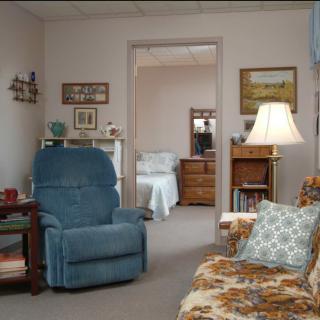
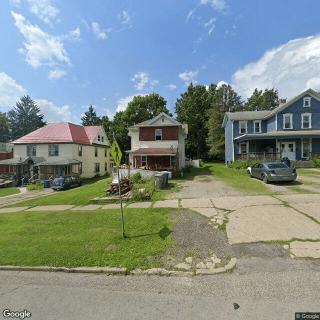
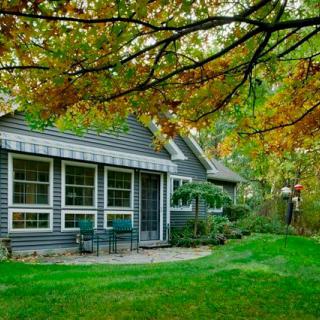
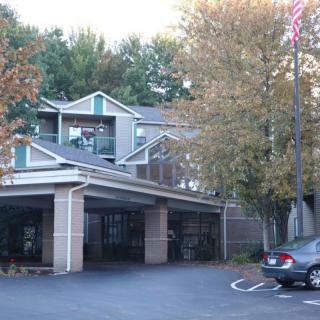
Crawford County Care Center on seniors.fyi includes 5 photos including images showing interior, lobby, lighting, windows, decor, landscaping, reception, waiting area, and more.
Nearby Communities
Quality Living Center Of Crawford County
Saegertown, PA
24/7 assistance with restaurant-style dining, wellness programs, and transportation.
Park Avenue Rehab Center
Meadville, PA
3.4 from 37 reviews
Accessible location with ongoing staffing improvements and active programs.
Wesbury United Methodist
Meadville, PA
4.3 from 102 reviews
Wesbury United Methodist Community
Meadville, PA
4.3 from 106 reviews
Comprehensive care options from independent living to skilled nursing with extensive on-site amenities and engaging activities.
Wesbury United Methodist Comm
Meadville, PA
4.3 from 100 reviews
Range of care levels with specialized services and on-site activities.
Carousel House Personal Care
Meadville, PA
1 from 1 review
Extensive nearby amenities (dining options, parks, healthcare facilities, places of worship) and transportation nearby.
Juniper Village at Meadville
Meadville, PA
4.9 from 133 reviews
$2,840 to $4,991 / month
Caring staff in a warm, home-like setting with spacious rooms and engaging activities.
Springhill Senior Living Community
Erie, PA
4.6 from 68 reviews
Extensive on-site amenities and a continuum of care that supports staying in one community as needs change.
Parkside at Westminster
Erie, PA
4.6 from 39 reviews
$1,460 to $1,660 / month
Helpful, accommodating staff; pleasant, spacious apartments; and a wide range of on-site activities.
Low-impact exercises are vital for seniors as they promote health, independence, and social interaction while reducing joint strain. These adaptable activities, guided by healthcare professionals, enhance strength, flexibility, and emotional well-being.
The guide details the tax deductibility of in-home healthcare expenses according to IRS guidelines, differentiating between medically necessary services and non-medical assistance, while emphasizing the need for proper documentation and itemization requirements. It also highlights state-level variations, the importance of record-keeping, and encourages seeking professional tax help to understand evolving regulations.
Gardening provides seniors with physical exercise, mental and emotional support, and social interaction opportunities, while accommodating their needs through raised beds and ergonomic tools. It promotes health benefits like improved dexterity and cardiovascular health, encourages sustainable practices, and allows for manageable upkeep with low-maintenance plants.
Landscaping, Building, Architecture, Exterior, Brick, and Church
Windows
Lighting and Lobby
Porch and Doors
Waiting Area and Reception
Get PricingAsk A QuestionSchedule A TourContact Senior Advisor
By clicking submit, you agree to our Partner's Terms of Use. You
also consent to receive calls and texts, which may be autodialed, from our Partner. Your consent is not a condition to
using our Partner's service. Please visit our Partner's Privacy Policy for information about their privacy practices.

 157 resident community capacity
 Skilled Nursing Facility
 Air-conditioning
 Beauty salon
 Cable or satellite TV
 Computer center
 Dining room
 Fitness room
 Fully furnished
 Gaming room
 Garden
 Housekeeping services
 Kitchenette
 Move-in coordination
 Outdoor space
 Private bathrooms
 Restaurant-style dining
 Small library
 Telephone
 Wellness center
 Wi-Fi/high-speed internet available
 Community operated transportation
 12-16 hour nursing
 24-hour call system
 Activities of daily living assistance
 Assistance with bathing
 Assistance with dressing
 Assistance with transfers
 Diabetes diet
 Medication management
 Mental wellness program
 Special dietary restrictions
 Concierge services
 Planned day trips
 24/7 assistance with restaurant-style dining, wellness programs, and transportation.


 Highly Beneficial Low-Impact Exercises for Senior Living Residents
 Is In-Home Healthcare Tax Deductible? Your Comprehensive Guide
 Nurturing Well-Being Through Gardening: A Detailed Guide for Senior Enthusiasts