Residents and families repeatedly describe attentive, respectful caregiving.
Across the reviews, people come back to how staff treat residents—friendly, caring, and respectful, with multiple mentions of nurses, CNAs, and therapists showing up consistently. Several reviewers also describe follow-through with needs beyond basic help, including support during rehab and transitions back to care. A few reviews are much more negative about the caregiving experience during specific situations, but even those accounts still separate out that some individual staff members were helpful.
common9 reviews mention this
Cleanliness stands out, with exceptions
Many reviewers mention a clean, well-kept environment.
Multiple reviews describe the community as very clean and well maintained, including clean apartments and a clean overall facility. Some families also mention cleanliness alongside friendliness and overall satisfaction during visits or stays. One negative review points to maintenance issues in a private room and a cold lunchroom, which is a reminder that not every experience is the same.
differentiator4 reviews mention this
Therapy and rehab support
Residents describe therapy support during recovery and rehab.
Several reviews describe hands-on recovery support, including physical and occupational therapy, and progress while under care. Others mention that caregivers worked with residents’ needs after surgery or during short-term rehab. This lines up with the community offering multiple care types, including assisted living, independent living, and memory care.
caveat3 reviews mention this
Communication and transitions can disappoint
Some reviewers report problems with communication and care transitions.
A few reviews raise concerns about how transitions were handled, including a rushed move after an emotional event and dissatisfaction with how decisions were communicated. Another review describes a breakdown in compassion and honest communication during a stay, alongside claims of administrative problems. Separately, one reviewer makes complaints focused on staff training and workplace handling rather than resident care, reinforcing that experiences vary depending on the situation.
common4 reviews mention this
Activities and community engagement
Reviews mention scheduled activities and community engagement.
Families describe the community offering activities and keeping residents involved, including mentions of residents participating and enjoying day-to-day programming. A reviewer also highlights therapy and routine support alongside the broader activity options. The community also states it provides scheduled daily activities and resident-run or community-sponsored activity opportunities.
How we summarize
Counts show how many written reviews mention each theme; a review can touch several themes, and only frequently mentioned themes are displayed.
Wesbury United Methodist's features are designed to meet the complex needs of residents with dementia or Alzheimer's disease, promoting their well-being and comfort. Assistance with dressing enables residents to maintain dignity while ensuring they are appropriately attired, which can reduce confusion and frustration. Medication management is critical in this context, as it helps prevent potential health complications by ensuring that residents receive the correct medications at the right times. Meal preparation and service address nutritional needs while accommodating dietary restrictions, fostering an environment conducive to social interaction during meals. Support with activities of daily living--such as assistance with bathing and transfers--enhances personal hygiene and mobility, contributing to overall physical health. Finally, 24-hour supervision provides a safety net that ensures residents are monitored consistently, offering peace of mind for families while enabling prompt response to emergencies or shifts in behavior. Together, these features create a supportive environment tailored to the unique challenges faced by individuals experiencing memory decline.
Nearby Communities
Wesbury United Methodist Community
Meadville, PA
4.3 from 106 reviews
Comprehensive care options from independent living to skilled nursing with extensive on-site amenities and engaging activities.
Wesbury United Methodist Comm
Meadville, PA
4.3 from 100 reviews
Range of care levels with specialized services and on-site activities.
Park Avenue Rehab Center
Meadville, PA
3.4 from 37 reviews
Accessible location with ongoing staffing improvements and active programs.
Carousel House Personal Care
Meadville, PA
1 from 1 review
Extensive nearby amenities (dining options, parks, healthcare facilities, places of worship) and transportation nearby.
Carousel House
Meadville, PA
1 from 1 review
Comprehensive assisted living with 24-hour supervision, medication management, ADL support, meal preparation, and medical transportation.
Juniper Village at Meadville
Meadville, PA
4.9 from 133 reviews
$2,840 to $4,991 / month
Caring staff in a warm, home-like setting with spacious rooms and engaging activities.
Crawford County Care Center
Saegertown, PA
4.4 from 41 reviews
Compassionate staff and a home-like environment with engaging activities.
Springhill Senior Living Community
Erie, PA
4.6 from 68 reviews
Extensive on-site amenities and a continuum of care that supports staying in one community as needs change.
Parkside at Westminster
Erie, PA
4.6 from 39 reviews
$1,460 to $1,660 / month
Helpful, accommodating staff; pleasant, spacious apartments; and a wide range of on-site activities.
The article discusses the late stages of dementia, detailing the progression from mild to severe impairment and highlighting key characteristics such as profound cognitive decline and dependency in daily activities. It emphasizes care strategies focused on comfort and dignity, the importance of advance directives, and the emotional support needed for family caregivers facing this challenging journey.
The article examines the link between certain medications and increased dementia risk, particularly in older adults, emphasizing that long-term or high-dose use of anticholinergics, benzodiazepines, and other drug classes can exacerbate cognitive impairment. It calls for careful medication evaluation and shared decision-making to mitigate these risks while managing treatment efficacy.
The article emphasizes the significance of establishing a power of attorney for elderly parents to enable an agent to make decisions on their behalf regarding health and finances, especially during cognitive or physical decline. It outlines various types of power of attorney, the importance of consulting legal professionals, and the responsibilities and challenges faced by agents, while also discussing alternatives and common misconceptions.
Get PricingAsk A QuestionSchedule A TourContact Senior Advisor
By clicking submit, you agree to our Partner's Terms of Use. You
also consent to receive calls and texts, which may be autodialed, from our Partner. Your consent is not a condition to
using our Partner's service. Please visit our Partner's Privacy Policy for information about their privacy practices.



 22 resident community capacity
 Assisted Living
 Continuing Care Retirement Community (CCRC)
 Independent Living
 Memory Care
 Beauty salon
 Cable or satellite TV
 Fully furnished
 Garden
 Housekeeping services
 Kitchenette
 Move-in coordination
 Outdoor space
 Private bathrooms
 Wi-Fi/high-speed internet available
 Community operated transportation
 24-hour call system
 Activities of daily living assistance
 Assistance with bathing
 Assistance with dressing
 Assistance with transfers
 Diabetes diet
 Meal preparation and service
 Medication management
 Special dietary restrictions
 Fitness programs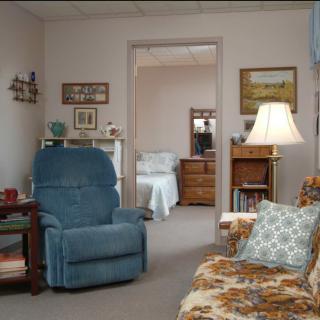
 Comprehensive care options from independent living to skilled nursing with extensive on-site amenities and engaging activities.




 Comprehensive Insights on the Late Stages of Dementia: What to Expect and How to Provide Care
 Medications Associated with Dementia Risk: A Comprehensive Overview
 Guiding Your Journey: Understanding Power of Attorney for Elderly Parents