
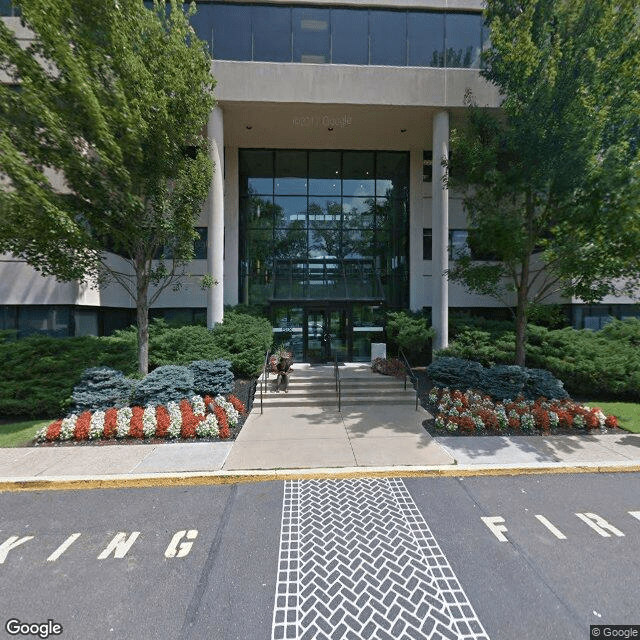
6 Neshaminy Interplex, Ste 401, Trevose, PA 19053
To contact a resident: (215) 642-6600
For more information about senior living options: (866) 208-4318
Overall Review of Active Day Corporate
Pros
 The employee initially felt supported while balancing college responsibilities with work.
- They started out positive after being hired in October.
- The centers were described as wildly profitable.
- The employee was considered a top performer at their past and future companies.
Cons
 They described a hostile and unprofessional work environment created by the Center Director Erica Harriot.
- They felt their concerns were dismissed or reframed as personal defensiveness, leaving them silenced and isolated.
- They experienced ongoing retaliation and discipline tied to unclear expectations, with policies not in the employee handbook.
- They endured stress that contributed to depression and anxiety due to lack of support from HR.
- They received contradictory and confusing responses from the Regional Manager, undermining their credibility.
- They felt gaslighted as issues were reframed and attention shifted away from the real problems.
- They observed a culture of gossip and fear of retaliation that discouraged speaking up.
- They experienced unannounced, invasive “fake visits” by management to keep them on edge, a form of micromanagement.
- They would not recommend the employer and viewed Camden and Laurel Springs as racially motivated.
Review
Active Day Corporate in Trevose is best suited for families seeking daytime social engagement and structured activities for a loved one on a tighter budget, with the understanding that leadership and culture may be unstable. The reviews raise a clear boundary: cost-conscious care can be found here, but it comes with a high tolerance for managerial turbulence and an environment where staff relationships appear unsettled. For families who prioritize a consistently supervised routine, transparent decision-making, and a respectful workplace that translates into steady resident care, this center is not the safe first option. The trade-off is real: affordability at the expense of predictable oversight and steady leadership. That must be weighed upfront when deciding whether Active Day fits a particular care plan.
On the upside, there are signal moments that suggest a resident might experience some degree of initial attentiveness and onboarding in the program. One review notes that the early period felt supportive, implying that, at least at intake, staff could be attentive and communicative. That initial sense of structure, an orderly start, defined activities, and a familiar routine, may be there for a time. However, it is striking how quickly these positives fade in the reported experiences, revealing that the program’s core strength is fragile and not reliably sustained. Pros in this setting, when they exist, are episodic and do not compensate for the broader pattern of instability described by multiple staff and former employees.
The most consistent red flags revolve around the staff culture and leadership dynamics. Families should expect to encounter a pattern of heightened scrutiny, fault-finding, and what reviewers describe as hostile or unprofessional behavior from facility leadership. When concerns are raised, the responses frequently appear dismissive or deflective, with mediation promises left unfulfilled and subsequent constraints placed on staff without clear policy grounds. The sense of silencing, fear of retaliation, and a culture of gossip painted by several accounts points to an environment where residents may be exposed to inconsistent attention, sudden shifts in care priorities, and unpredictable interactions with caregivers. That kind of climate is incompatible with dependable daily care.
Adding to the concern is a series of governance and policy concerns that recur across accounts. There are mentions of policies being enforced in ways not reflected in the employee handbook, which creates confusion about what is permissible and what is expected. When concerns do surface, the organizational responses are described as contradictory and confusing, with stakeholders sometimes questioning whether the right person is being held accountable. The perception cited by reviewers is that administrative momentum leans toward protecting status quo rather than addressing legitimate issues. In a setting where residents rely on clear, consistent policies for safety and dignity, this kind of inconsistency is a meaningful risk that families must consider.
Beyond people and processes, financial and infrastructural concerns also color the picture. Reviewers describe a lean facility footprint, “bare bones” infrastructure, that can feel depressing and under-resourced for the needs of some residents. Add into the mix allegations about improprieties and financial opacity at higher corporate levels, and the overall confidence in long-range stability begins to erode. Even if these claims are varied in scope and verifiability, the sheer volume and intensity of such allegations during a single network’s reviews cannot be ignored. For families weighing options, this signals a facility where resources and accountability may not be as robust as desired, and where the cognitive load of monitoring governance is nontrivial.
In light of these patterns, families considering Active Day Corporate should prioritize alternatives that demonstrate stable leadership, transparent policy enforcement, and a facility environment with clear, well-resourced governance. If a decision is made to proceed, approach with a structured due-diligence plan: request a direct meeting with the center’s administrator to review current policies, escalation paths for resident concerns, and a concrete plan for staff training and turnover management; ask for specific examples of mediation and conflict-resolution outcomes; and insist on recent, verifiable data about staffing levels, incident reports, and safety oversight. For those who cannot tolerate possible retaliation, inconsistent care cues, or opaque governance, it is prudent to look at other adult day options with stronger reputational signals of stability and accountability.
In practice, the practical guidance is decisive: use this center as a last-resort option or as a trial, bounded by a strict review cadence and contingent term. Consider alternatives that emphasize long-term leadership continuity, transparent operations, and a facility environment where staff cultures reinforce respectful, attentive care rather than fear and ambiguity. The goal is a choice that minimizes the chance of recurring interpersonal disruption and maximizes reliable daytime engagement, safety, and dignity for the resident. If the decision leans toward Active Day, proceed with a concrete plan to monitor governance and care quality closely from day one, and maintain ready-to-switch benchmarks if the center cannot demonstrate durable improvements in leadership, policy clarity, and staff stability.
 Day Program
 Trenton-Mercer County (14 miles away)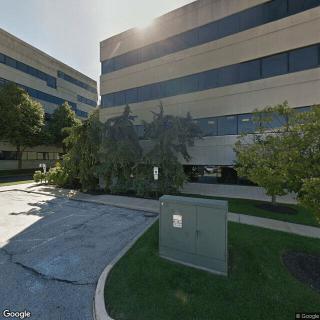



 California's Form 602A: An In-Depth Examination of Senior Care Assessment
 Comprehensive Look at Senior Blood Pressure Charts: Normal and Elevated Levels by Age
 Top Canine Companions for Older Adults