Accela Rehab and Care Center at Somerton in Philadelphia, PA
SaveInformation last verified:
650 Edison Ave, Philadelphia, PA 19116
For more information about senior living options: (844) 490-3973
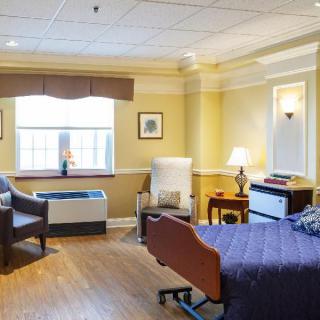
Accela Rehab and Care Center at Somerton offers private room accommodations at a monthly rate of $6,240, which is significantly higher than both the county average of $4,448 in Philadelphia and the state average of $4,890 in Pennsylvania. This pricing reflects the center's commitment to providing an exceptional level of care and personalized services tailored to each resident's needs. While it may be positioned above local and statewide benchmarks, the investment aligns with its reputation for quality rehabilitation and skilled nursing support, ensuring residents receive attentive care in a comforting environment.
| Floor plans | Accela Rehab and Care Center at Somerton | Philadelphia County | Pennsylvania |
|---|---|---|---|
| Private | $6,240 | $4,448 | $4,890 |
Accela Rehab and Care Center at Somerton in Philadelphia is best suited for families seeking a rehabilitative or post-acute stay where robust therapy, a refreshed environment, and approachable staff drive the experience. The renovated facility presents a clean, bright atmosphere that immediately signals a focus on dignity and comfort. Residents typically benefit from strong physical and occupational therapy, attentive nursing presence, and a front-line team that makes the transition from hospital to home more manageable. The climate described by many families is welcoming, with staff who greet visitors and aim to create a reassuring routine. This combination of modern amenities and practical care makes Accela Somerton a practical choice for short-term recovery, gait re-education, transfer back home, or a trial period of skilled nursing support after a medical setback. Those prioritizing therapy outcomes over longer-term institutional routines will find this community compelling.
On the flip side, families whose aim is long-term custodial care or who require highly consistent 24/7 supervision may want to explore alternatives. While many reviews praise the staff, others cite heavy nurse-to-patient ratios and uneven attentiveness, which can translate into delays in care or limited responsiveness at certain shifts. A few families report blunt or curt interactions and some aides who are not as accommodating as expected. Given the mix, the center may not consistently meet the needs of residents requiring constant, high-touch monitoring, complex behavioral support, or robust supervision around the clock. For those planning an extended stay beyond rehab, or families whose loved one needs steady, predictable staffing and minimal chaos in hallways, alternative facilities with firmer acuity levels should be considered.
From the positive side, renovation quality and cleanliness are repeatedly cited as standout features. The corridors feel fresh, rooms bright, and overall maintenance demonstrates pride in the facility. Families consistently mention friendly, caring staff who go out of their way to help, and the atmosphere is described as warm and respectful. Therapy teams, physical, occupational, and speech, are frequently praised for skill, responsiveness, and practical progress; residents often report meaningful improvements and regained independence after rehab stays. The dining and activities staff receive compliments as well, reinforcing a sense that residents are engaged rather than warehoused. Behind every strong therapy outcome there is a care team that communicates with families, coordinates care plans, and keeps care conferences moving forward, which reduces uncertainty during recovery.
Nonetheless, the experience is not uniformly positive. There are persistent notes about staff consistency and respect, with some reviewers describing rude aides, delayed responses, and uneven bedside manner. Several accounts point to a heavy nurse-patient ratio at night, leading to calls being missed or care tasks delayed. The building is not immune to friction, with a few mentions of thin walls that hamper sleep and occasional lapses in housekeeping or meal warmth. More grave concerns appear in a minority of reviews, claims of miscommunication, patient safety issues, or inappropriate decisions, that rightly trigger caution and emphasize the importance of vigilant family involvement, explicit consent, and careful transition planning. While these reports are not universal, they underscore the reality that staff dynamics and process controls vary by shift and unit.
For families evaluating Accela Somerton, practical diligence pays off. Ask for a transparent tour of therapy schedules, meet the floor supervisor, and assess how updates are communicated. Verify nurse-to-patient ratios for day and night shifts, and request examples of recent care conferences and care plans. Observe the dining experience and consider how meals are heated and served, as inconsistencies there appear in some reviews. Clarify discharge or transfer planning, especially for rehab-to-home trajectories, and confirm 24/7 access to a point person when concerns arise. If a long-term stay is contemplated, specifically inquire about acuity care, staffing stability, and safety protocols that affect daily living. When problems arise, a proactive family role becomes essential to sustain quality and accountability.
Overall, Accela Rehab and Care Center at Somerton presents a compelling option for families prioritizing rehabilitation success in a clean, modern setting with a demonstrated commitment to compassionate care. The strongest endorsements come from residents and families who credit the therapy teams, the professionalism of nurses, and the welcoming culture that accompanies daily routines. These strengths create a credible path to meaningful recovery and a smoother transition home. However, the experience is not uniformly flawless, and the facility’s variability, on staffing consistency, responsiveness, and long-term suitability, means that this option fits best when short-term recovery is the primary objective and the family maintains an active, inquisitive role. For those seeking steady, predictable long-term care, or a facility with uniformly high acuity management, it pays to compare alternatives before committing. Accela Somerton can be the right call when rehab momentum and a refreshed environment matter most, but not as a guaranteed long-term solution.
Accela Rehab and Care Center at Somerton in Philadelphia, PA is a skilled nursing facility that provides exceptional care and comfort to its residents. Our community offers various amenities to enhance the quality of life for our residents, including cable or satellite TV, a computer center, a dining room, a garden, guests at mealtime, laundry services, accommodations for overnight guests, private rooms, a TV room, transportation and parking facilities. Additionally, we offer VA Benefits Consultation services and Wi-Fi/high-speed internet access to ensure our residents stay connected with their loved ones.
At Accela Rehab and Care Center at Somerton, we prioritize the well-being of our residents by offering essential care services such as personal care assistants and physical therapy. Our dedicated team is committed to providing personalized care while promoting independence and ensuring the comfort of each individual.
We understand the importance of engaging activities for our residents' mental and physical well-being. That's why we offer a variety of enriching activities catered to their interests. From joining book clubs to participating in fitness programs and games, our residents have numerous opportunities for social interaction and intellectual stimulation. They can also take part in our gardening club or enjoy live musical performances. For those seeking spiritual nourishment, we provide religious services as well as storytelling sessions. Additionally, wellness activities such as Tai Chi and yoga/chair yoga are available to promote relaxation and vitality.
Conveniently located near several parks, pharmacies, physicians' offices, restaurants, theaters, and hospitals in the area. We strive to ensure our residents have easy access to necessary amenities for their holistic well-being.
Accela Rehab and Care Center at Somerton is more than just an assisted living community; it is a place where individuals find compassionate care tailored to their unique needs while fostering an engaging and fulfilling lifestyle.
This part of Philadelphia, Pennsylvania, offers a variety of amenities and services that cater to the needs of seniors. With multiple pharmacies in close proximity, access to healthcare is convenient and easily accessible. There are reputable physicians and medical centers nearby for specialized care. The area also features a range of dining options, including fast-food chains and cafes for casual meals or social outings. For entertainment, there are theaters within a reasonable driving distance. Additionally, several hospitals in the vicinity provide quality healthcare services. Parks offer opportunities for outdoor recreation and relaxation. Overall, this neighborhood provides a well-rounded environment for senior living with various resources at their disposal.
Accela Rehab and Care Center at Somerton offers private room accommodations at a monthly rate of $6,240, which is significantly higher than both the county average of $4,448 in Philadelphia and the state average of $4,890 in Pennsylvania. This pricing reflects the center's commitment to providing an exceptional level of care and personalized services tailored to each resident's needs. While it may be positioned above local and statewide benchmarks, the investment aligns with its reputation for quality rehabilitation and skilled nursing support, ensuring residents receive attentive care in a comforting environment.
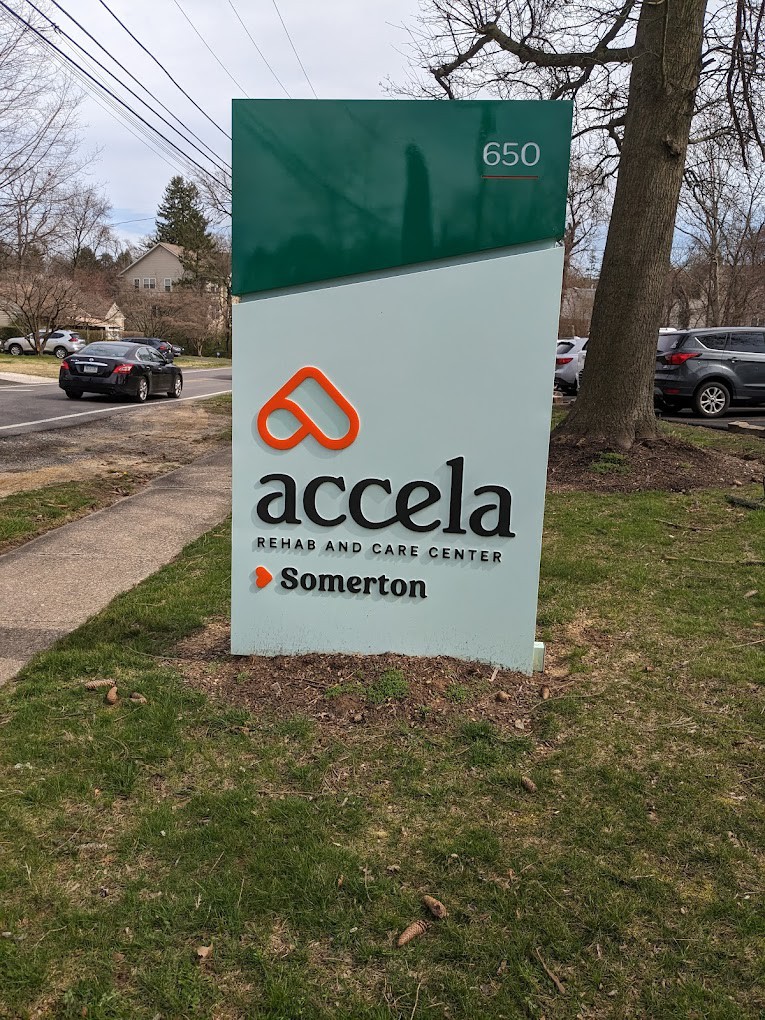
Accela Rehab and Care Center at Somerton is located at 650 Edison Ave, Philadelphia, PA 19116 in Philadelphia County, Pennsylvania
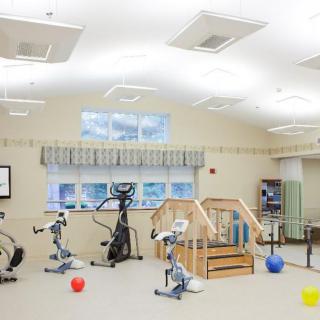
Physical therapy at Accela Rehab and Care Center is designed to enhance mobility, balance, and overall physical functioning for residents with dementia or Alzheimer's disease. By engaging in tailored exercises, residents can improve their strength and coordination, which are crucial for maintaining independence and preventing falls. The therapeutic activities not only address physical limitations but also stimulate cognitive function through movement, promoting neural connections that may be weakened by cognitive decline. Moreover, physical therapy sessions often incorporate social interaction and communication with trained therapists, fostering a sense of community and emotional well-being that can alleviate the feelings of isolation commonly experienced by individuals with memory impairments. This holistic approach ultimately contributes to a higher quality of life for residents by addressing both their physical health and emotional needs.
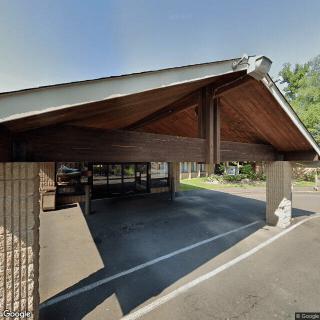
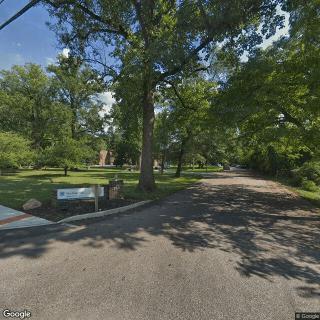
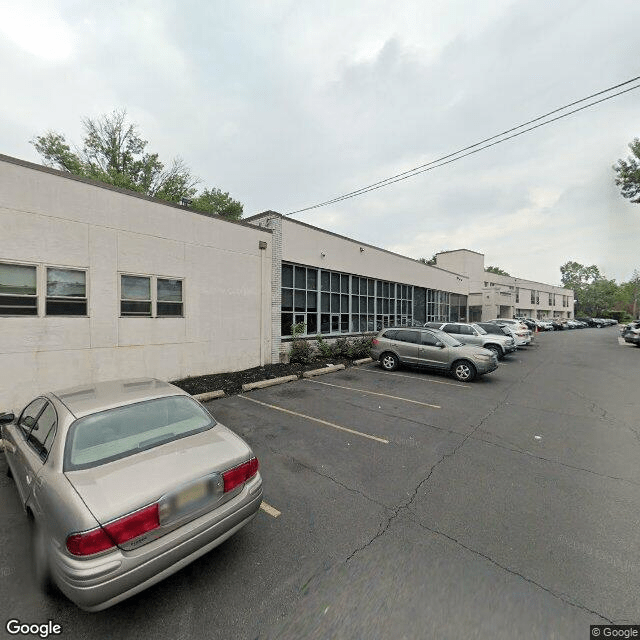
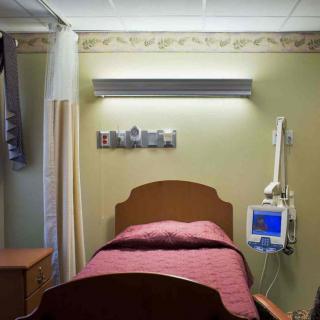
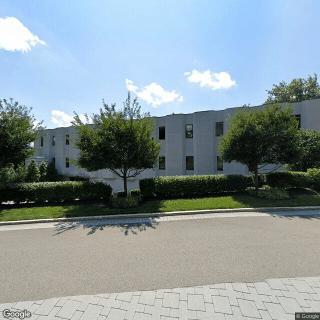
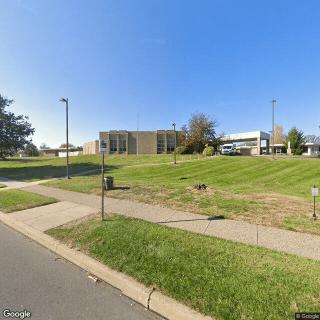
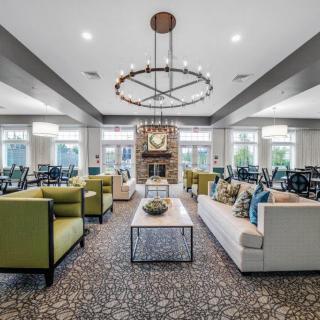
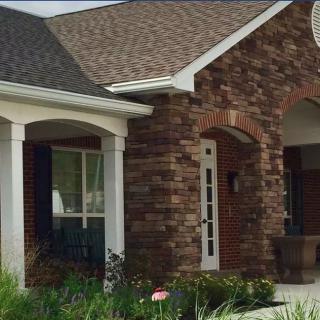
Accela Rehab and Care Center at Somerton on seniors.fyi includes 5 photos including images showing outdoors, building, modern architecture, exterior, dining, interior, nurse, assistance, and more.
Dementia-Related Hallucinations: Causes, Experiences, and Practical Approaches

Dementia, particularly Lewy body dementia, often involves hallucinations that can significantly distress both patients and caregivers due to disruptions in sensory processing and neurotransmitter imbalances. Effective management includes compassionate communication, environmental adjustments, and a multidisciplinary approach to care while addressing the emotional needs of caregivers.
Illuminating Insights About Alzheimer's Disease: Ten Crucial Realities
Alzheimer’s disease is a progressive neurological disorder that significantly impacts memory and cognitive functions, accounting for 60-80% of dementia cases, with early diagnosis being crucial yet challenging. It involves brain changes like beta-amyloid plaques and tau tangles, influenced by genetic and lifestyle factors, and while there is no cure, symptom management and support for caregivers are essential.
A Thorough Discussion of Medications Potentially Linked to Dementia Risk


Dementia, influenced by aging and certain medications, may be exacerbated by drug classes such as anticholinergics, benzodiazepines, and antipsychotics, which are associated with cognitive impairment. Regular medication reviews by healthcare professionals are crucial for older adults to manage risks and optimize cognitive health.