6351 West Lake Road, Erie, PA 16505
For more information about senior living options: (866) 208-4318
Overall Review of Manchester Presbyterian Lodge Manchester Commons
Pros
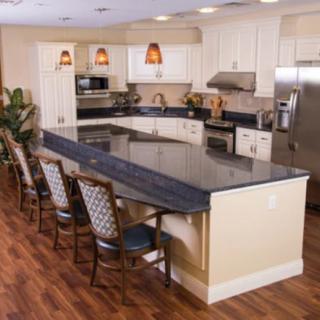
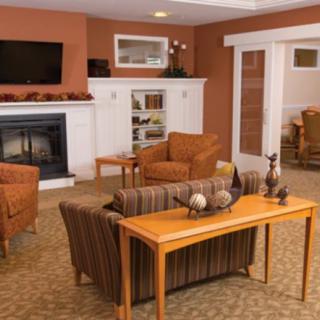
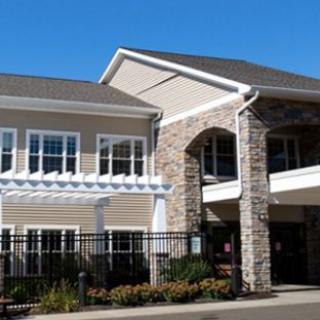
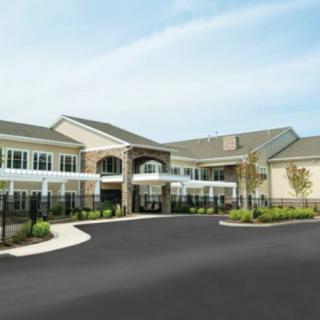
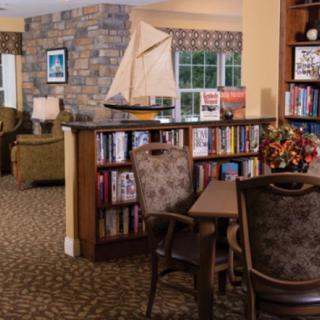
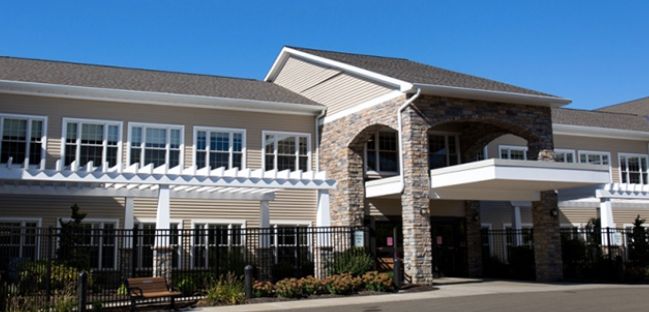
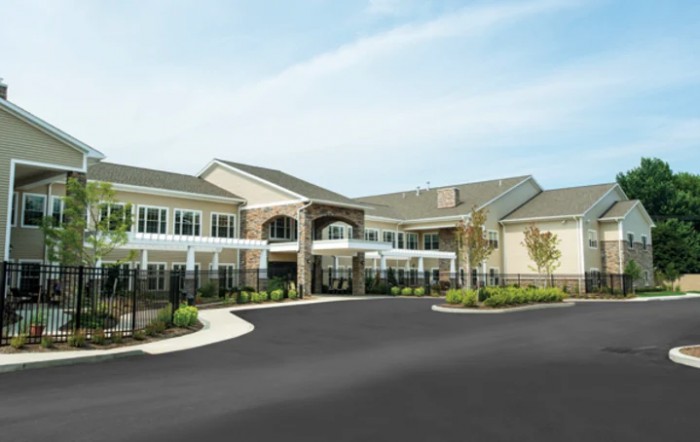
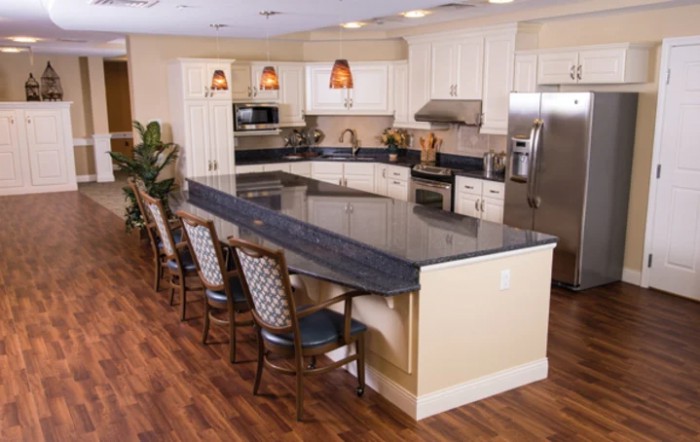
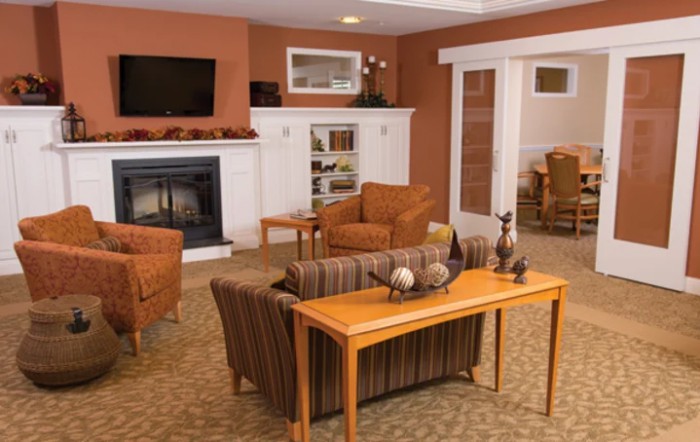
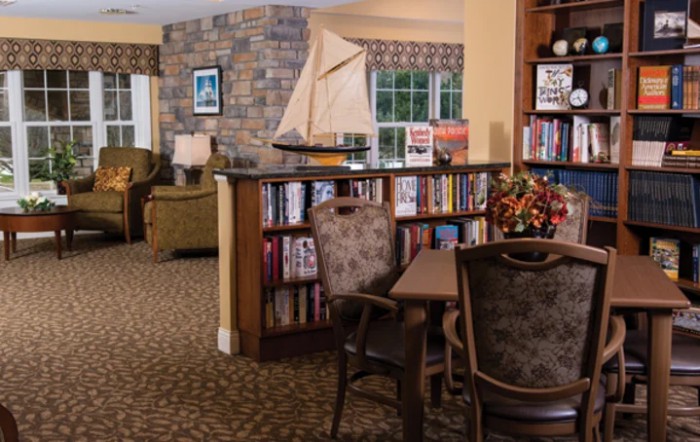
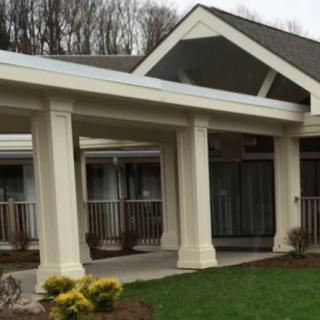
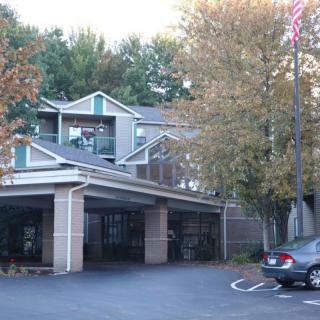
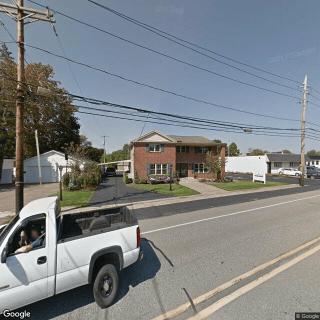
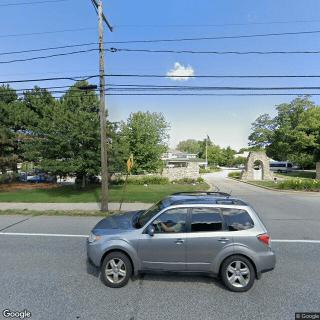
 Manchester Commons is described as clean, bright, and well-kept, with pleasant grounds and open dining and activity spaces.
- The staff, including nurses, aides, and therapy teams, are praised for being professional, caring, and attentive to residents’ needs.
- The memory care units are depicted as welcoming and activity-rich, with dedicated staff and engaging programs.
- The facility offers amenities such as a beauty salon, courtyard, and varied activities that create a home-like atmosphere.
- Families express high satisfaction and repeatedly recommend Manchester Commons, thanking the staff for compassionate and capable care.
Cons
 Terrible care for the patients here.
- They do not give proper supervision of dementia patients, and care is guaranteed to be low quality and may put loved ones’ lives in danger.
- Avoid this place at all costs; it is very expensive and they give horrible care for the amount of money charged.
- It is insane that they charge this yet do not give proper supervision and let residents wander when they cannot walk.
- Rooms were not clean—wet towels in the bathroom, dusty doors, stale room air—and the equipment is poor and does not work well.
- One reviewer described an 88-year-old mother’s experience as one of the worst, with overuse of pain medication nearly causing death and they would not recommend.
Review
Manchester Commons in Erie is best suited for families seeking solid rehabilitation outcomes and memory-care living in a well-maintained, campus-style setting. The standout value is the combination of concrete rehab services and a memory-care footprint designed to feel open and engaging. Prospective residents who respond well to a neighborhood layout, where staff are visible in dedicated dementia corridors, activities are offered daily, and studio-style living feels like a small apartment, will likely experience meaningful daily structure and social interaction. The setting, with amenities such as beauty services, courtyards, and a steady calendar of programs, supports recovery and ongoing engagement. This community is a practical match for families prioritizing tangible rehab progress and a clearly defined memory-care environment.
That said, there are clear reasons to consider alternatives. The most serious caveats center on safety and supervision concerns voiced in multiple reviews, including alarming reports of falls, delayed assistance, and questions about the thoroughness of oversight for dementia patients. A sense of price-driven priority also emerges in several accounts, describing care as expensive relative to perceived quality when incidents occur. Families with a heightened need for ironclad daily supervision, meticulous safety protocols, or transparent, consistently demonstrated staffing and maintenance practices may prefer other options with stronger, uniform safety records and quieter cost structures. In short, this community can work beautifully for some, and be untenable for others.
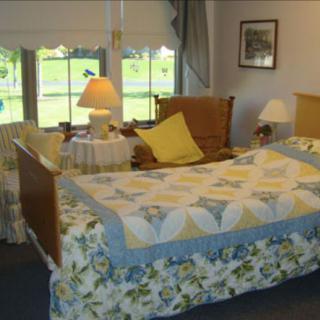
On the positive side, the strongest pros orbit around staff engagement, rehab momentum, and an appealing living environment. Several experiences highlight compassionate aides and nurses who go the extra mile, a therapy team that helps residents regain mobility, and admissions staff who present a confident, reassuring picture of care. The memory-care neighborhood design appears to foster a sense of community within a secure framework, with open dining areas and active programming that keep residents connected and occupied. Rooms described as spacious studios, a pleasant dining hall, and well-kept grounds reinforce the impression of a facility that supports dignity and social participation, which in turn can bolster recovery and mood.
However, the main cons cannot be dismissed. Episodes describing inadequate supervision, unsafe wanders, and mishandled medications or equipment are serious red flags for families weighing near-term safety and long-term wellbeing. Reports of dirty rooms, stale air, and unreliable equipment further undermine confidence in consistent daily operations. The tension between appealing aesthetics and variable care quality creates a dilemma: the environment may be inviting, but the level of hands-on protection and proactive risk management appears uneven. For families with residents who require heightened dementia supervision or a strict fall-prevention plan, these concerns demand thorough verification before committing.
Experience within Manchester Commons is decidedly mixed, with many praising the staff’s warmth and the facility’s social and rehabilitative strengths, while others recount episodes that would unsettle even the most patient families. The contrast suggests a care culture that can shine in well-staffed shifts and particular units, yet struggle when supervision is thinner or when complex medical needs surface. This variability means the decision hinges on a careful, unit-by-unit assessment rather than a blanket judgment. For those who can verify stable staffing patterns, consistent supervision, and clear safety protocols through direct conversations and on-site observation, the positives can translate into meaningful quality of life and ongoing recovery.
The practical recommendation is to treat Manchester Commons as a strong contender only after a disciplined due-diligence process. Prospective families should request recent incident logs, confirm staffing ratios on the specific unit of interest, and insist on meeting the therapy team, the memory-care coordinators, and front-line caregivers. Ask to see a current care plan for the prospective resident, including fall-prevention measures, walker and mobility-support policies, and medication-management procedures. Compare pricing transparently against comparable Erie facilities and seek references from current residents’ families who have similar care needs. If a clear, consistent staffing picture emerges and the plan aligns with safety-first expectations, this community can deliver solid rehab and engaging memory-care living. If not, alternatives with proven, uniform safety and more predictable cost structures should be pursued without hesitation.
 80 resident community capacity
 Studio apartments
 Assisted Living
 Continuing Care Retirement Community (CCRC)
 Memory Care
 Skilled Nursing Facility
 Air-conditioning
 Beauty salon
 Cable or satellite TV
 Computer center
 Dining room
 Fitness room
 Full kitchen
 Fully furnished
 Gaming room
 Garden
 Housekeeping services
 Laundry
 Move-in coordination
 Outdoor space
 Private bathrooms
 Restaurant-style dining
 Small library
 Telephone
 VA Benefits Consultation
 Wellness center
 Wi-Fi/high-speed internet available
 Erie International (2 miles away)
 Community operated transportation
 12-16 hour nursing
 24-hour call system
 Activities of daily living assistance
 Assistance with bathing
 Assistance with dressing
 Assistance with transfers
 Diabetes diet
 Medication management
 Mental wellness program
 Physical therapy
 Special dietary restrictions
 Concierge services
 Planned day trips
 Religious services
 English

 Dementia, Paranoia, and Caregiver Guidance: Understanding the Connection
 Engaging Memory Care Activities That Enhance Quality of Life
 When to Transition from Assisted Living to Memory Care: Key Indicators, Steps, and Finding the Right Community