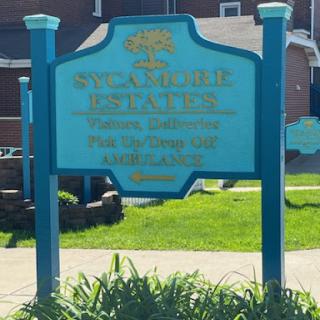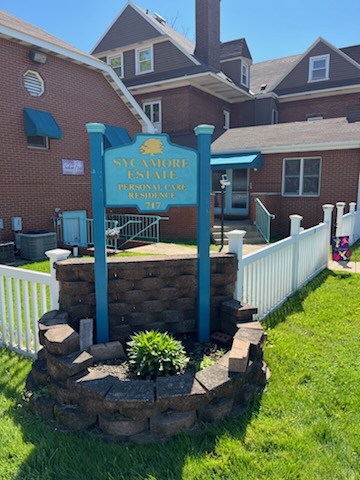
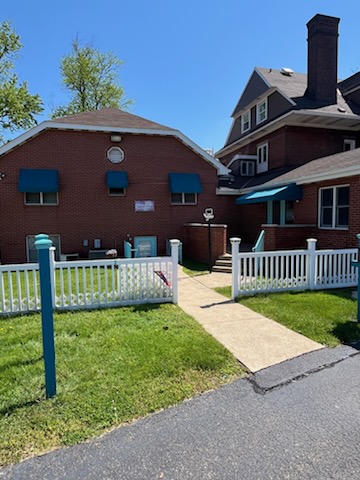
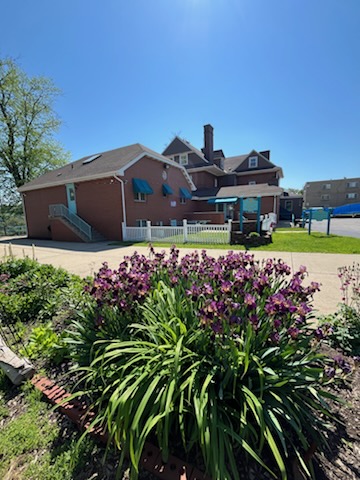
717 Duquesne Boulevard, Duquesne, PA 15110
For more information about senior living options: (866) 208-4318
Sycamore Estate Costs & Pricing
Sycamore Estate offers competitive pricing for its residents, particularly in comparison to both Allegheny County and the broader Pennsylvania market. The monthly cost for a semi-private room at Sycamore Estate is $2,300, significantly lower than the county average of $3,166 and the state average of $3,542. Similarly, the studio option at Sycamore Estate is priced at $2,600, again more affordable than the county's average of $3,637 and Pennsylvania's average of $3,737. These cost advantages position Sycamore Estate as an attractive choice for individuals seeking quality care without straining their financial resources.
| Floor plans | Sycamore Estate | Allegheny County | Pennsylvania |
|---|---|---|---|
| Semi-Private | $2,300 | $3,166 | $3,542 |
| Studio | $2,600 | $3,637 | $3,737 |
Assisted Living communities with a similar price nearby
-
from +$340 / mo
Concordia Of Cranberry
$2,640 to $4,050 / month23.7 miles away -
from +$200 / mo

Fawn Personal Care Home
$2,500 / month18.9 miles away -
from -$124 / mo
Strabane Woods Of Washington
$2,176 to $2,893 / month22.7 miles away -
from +$110 / mo
Brookdale Mt. Lebanon
$2,410 to $4,055 / month8.9 miles away -
from +$250 / mo

Mount Vernon Of South Park
$2,550 to $3,550 / month8.7 miles away
Overall Review of Sycamore Estate
Pros
 Residents appear to be very happy at Sycamore Estates.
- The facility is clean and the food is great.
- The staff and owners care about their residents.
- There is good quality care and there is always plenty of staff.
- Sycamore Estates is reasonably priced.
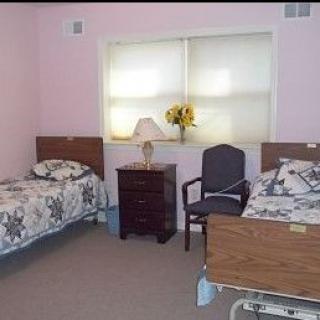
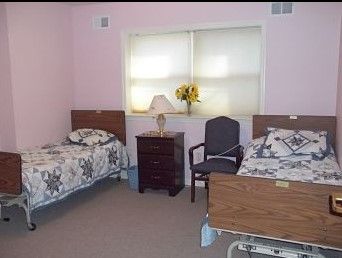
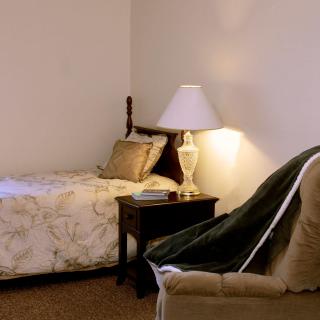
- Under new ownership, the facility has been updated with painting and new flooring.
- Updated rooms and spaces allow residents to move about more freely.
- The new kitchen serves delicious food.
- Families express gratitude for the care and attention.
Cons
 They acknowledge that the staff’s job is tough and at times thankless.
Review
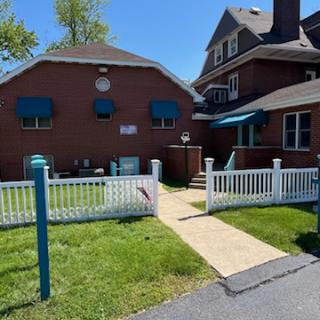
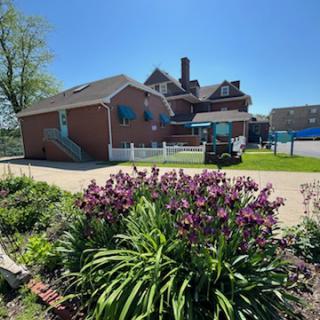
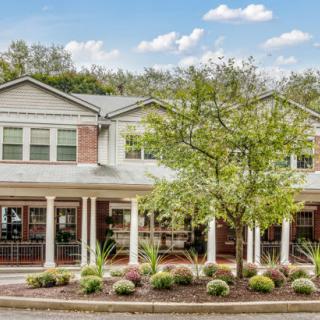
Sycamore Estate in Duquesne, PA is best suited for families seeking a warm, practical assisted-living option that balances attentive caregiving with a reasonable price in a quiet neighborhood. The facility has been recently refreshed, sits in a calm residential area near Kennywood, and shows a track record of residents and families expressing satisfaction with care and cleanliness. It serves well for seniors who want a home-like environment where staff familiarity with residents translates into dependable daily support, good-quality meals, and a sense that someone consistently looks after their loved one.
That said, some families should consider alternatives. For residents needing high-acuity medical oversight, a robust memory-care program, or a campus with a larger, more clinical footprint, other communities may offer stronger 24/7 nursing intensity and more expansive clinical services. There is some concern in the review mix about consistency during periods of ownership transition and ongoing upgrades in an older building. Families focusing on the newest interiors or the latest rehabilitation amenities may find other options more aligned with those expectations.
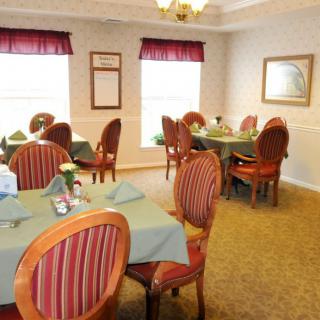
The primary advantages, cleanliness, visible staff dedication, and solid meals, tend to offset the main drawbacks for many residents. Families repeatedly note that there is ample staff, that meds are managed reliably, and that meals are satisfactory, with some reviews praising the fresh kitchen and improved dining experiences after renovations. The updates, new flooring, refreshed rooms and bathrooms, and painted interiors, make a real difference in daily life, improving mobility around common spaces and creating a more welcoming atmosphere. In short, the combination of attentive care and tangible building improvements delivers meaningful value for long-term residents.
Where the rub shows up is in the variability that can accompany a smaller, older property under shifting ownership. A portion of the review pool reflects appreciation for care and personal attention, while others hint at growing pains common to facilities undergoing turnover or phased renovations. The building’s age and the ongoing upgrade cycle mean some spaces may still feel dated or imperfect, and families should anticipate that consistency can depend on the shift and the specific staff assignments at any given time. This is not a deal-breaker for many, but it is a meaningful factor for those prioritizing uninterrupted, uniform service and a fully modernized campus.
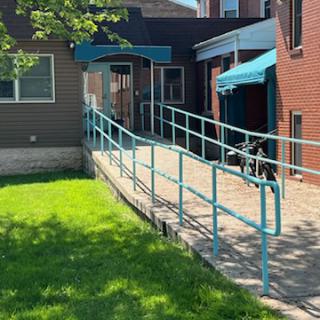
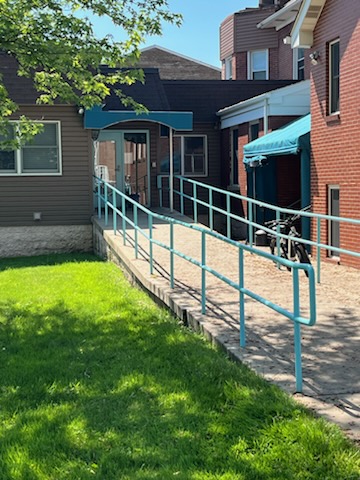
For decision-making, practical steps matter. Prospective residents should tour with questions that get to the heart of operations: current staff-to-resident ratios by shift, how medications are administered and reconciled, and the specifics of the care plans in place. Ask to see menus and recent dining feedback, and probe accessibility features in bedrooms, bathrooms, and common areas for wheelchair users. Clarify what the monthly rate includes and what costs may arise, and request a concrete update plan, timelines and scope, for ongoing renovations. Compare these elements against other nearby communities with similar price points to ensure value aligns with needs.
Ultimately, Sycamore Estate offers a solid, value-oriented choice for families prioritizing a warm, well-maintained home, dependable staffing, and good meals at a reasonable price. It is especially well-suited for residents who can benefit from steady attention, familiar staff, and ongoing improvements to the living space. It is less ideal for families seeking peak medical intensity, cutting-edge amenities, or a perfectly uniform experience across every shift. The right fit hinges on matching the resident’s care needs and personal preferences with the facility’s refreshed, familial environment and budget, a fit that becomes clearer after a candid tour and direct conversations with management.
 49 resident community capacity
 Assisted Living
 Activities on-site
 Beautician on-site
 Cable or satellite TV
 Devotional services on-site
 Dining room
 Fully furnished
 Garden
 Housekeeping services
 Indoor common areas
 Kitchenette
 Move-in coordination
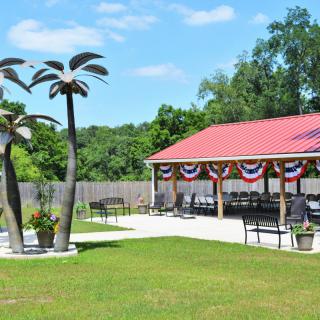
 Outdoor common areas
 Respite or short term stays offered
 Restaurant-style dining
 Small library
 Telephone
 Wheelchair accessible showers
 Wi-Fi/high-speed internet available
 Pittsburgh International (21 miles away)
 24-hour call system
 Ambulatory care
 Assistance with bathing
 Assistance with dressing
 Assistance with transfers
 Diabetes diet
 Diabetic care
 Medication management
 Mental wellness program
 Special dietary restrictions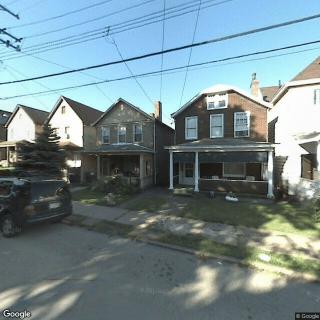


 Social Security Benefits and Assisted Living: Navigating Options Across the U.S.
 An Extensive Exploration of the VA Aid and Attendance Benefit
 Senior Transition Services: Understanding Their Role, Cost, and Importance