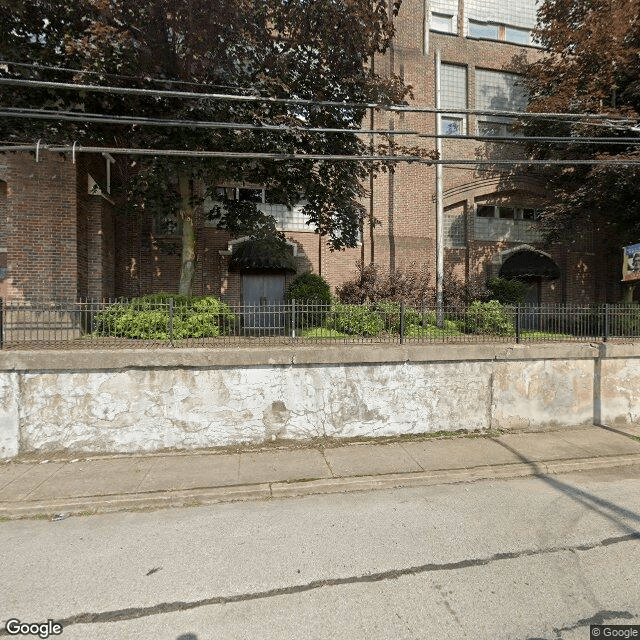
967 Freeport Road, Creighton, PA 15030
For more information about senior living options: (866) 208-4318
East Deer Personal Care Home Costs & Pricing
East Deer Personal Care Home offers a more affordable alternative for residents compared to the broader market in Allegheny County and the state of Pennsylvania. For instance, the monthly cost for a studio at East Deer is $1,022, significantly lower than the county's average of $3,637 and the state's average of $3,737. Similarly, those seeking a one-bedroom unit will find East Deer's rate of $1,800 to be quite competitive against Allegheny County's average of $3,798 and Pennsylvania's statewide average of $4,006. These substantial savings make East Deer Personal Care Home an attractive option for individuals looking for quality care without the financial burden typically associated with personal care facilities.
| Floor plans | East Deer Personal Care Home | Allegheny County | Pennsylvania |
|---|---|---|---|
| Studio | $1,022 | $3,637 | $3,737 |
| 1 Bedroom | $1,800 | $3,798 | $4,006 |
Assisted Living communities with a similar price nearby
-
from +$78 / mo
Woodland Manor
$1,100 to $1,200 / month25.0 miles away -
from -$172 / mo

Quality Life Services Sugar Creek
$850 to $3,210 / month22.6 miles away -
from +$78 / mo
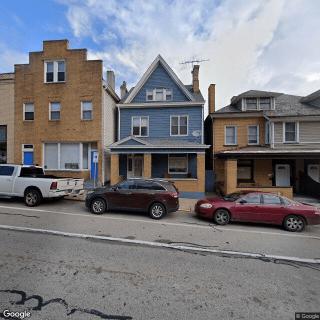
Abundant Living At Petersons
$1,100 to $1,300 / month14.2 miles away
Overall Review of East Deer Personal Care Home
Pros
 The staff are pleasant and residents are well cared for.
- Len and his staff are great, with very nice service and great food.
- They took great care of the grandmother.
- The mother has been there for over a year and loves the place.
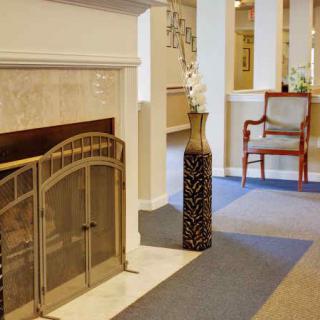
- The facility is clean and well run, with an immaculate interior.
- The food is excellent, the nurse-to-patient ratio is good, and the nursing staff is attentive.
- They provide activities and have celebrations and big dinners for the residents on holidays.
Cons
 It is short-staffed.
- There is nothing for residents to occupy their time except watching TV.
- There are no outdoor areas at all.
- The staff are undertrained and negligent.
- Dementia patients are drugged heavily.
- It is basically an old school remodeled into a senior citizen torture facility.
Review
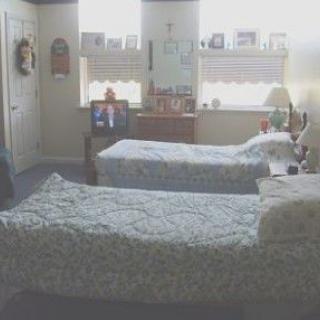
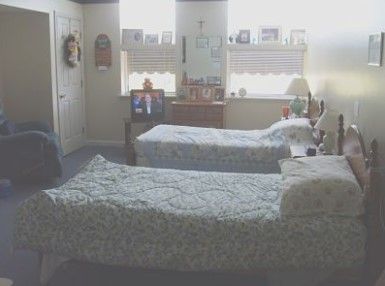
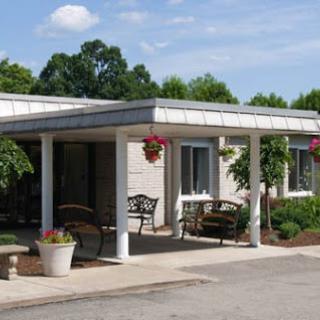
East Deer Personal Care Home in Creighton is best suited for families seeking a compact, home-like option where cleanliness, dependable meals, and personal attention are the anchors. This is a setting that feels lived-in rather than flashy, with private and semi-private rooms that fit modest budgets and routines that favor predictability. Residents who respond well to staff familiarity and hands-on oversight tend to thrive here, especially when caregivers are seen as genuinely involved in daily life. The kitchen earns frequent praise, and when staff members such as Len are singled out, it signals a culture of warmth and practical, attentive care rather than impersonal routines. For families prioritizing a down-to-earth, practical environment over upscale amenities, East Deer delivers.
That said, the house is not for everyone. The reviews flag a number of red flags that push families toward alternatives, especially when care needs are higher. For residents with advanced dementia or those requiring structured, daily engagement and meaningful activities, the lack of robust programming is a concern. Outdoor space is absent in some accounts, and the sense of a consistently busy calendar appears uneven across residents. Staffing consistency and training also surface as issues in the anecdotes: some praise a solid nurse-to-resident ratio, others warn of short staffing and undertrained aides. Families whose priority is rigorous memory-care, plentiful daily activities, or a facility with a more expansive campus should consider other options.
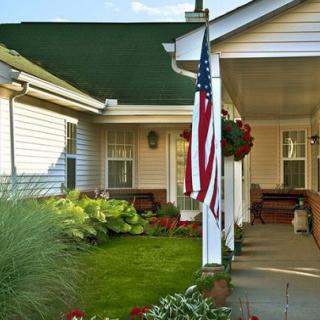
On the flip side, the positives are tangible and repeatedly echoed. The environment tends to be clean and well kept, inside and out, with private and semi-private rooms offering flexibility. Food emerges as a standout, described as excellent, turning meals into social anchors rather than mere nourishment. Nursing staff are frequently praised for attentiveness, and residents report feeling cared for, with several accounts noting holiday meals and celebrations that foster a sense of community. The staff’s personal approach, whether it’s leadership from Len or general warmth across the team, adds a level of human connection that makes residents feel seen. For families seeking a quieter, well-maintained setting with predictable routines, these strengths matter a great deal.
Yet the negatives cannot be dismissed. The most troubling review paints a stark picture: lack of resident activities, no outdoor options, undertrained staff, and a claim that dementia patients are heavily medicated. Even when this is not representative of the entire campus, it underscores a potential risk and highlights the need for thorough due diligence. At the same time, another account emphasizes a favorable nursing ratio and regular activities, illustrating that experiences can vary by shift or unit. The bottom line is that staffing stability and quality control are decisive when weighing East Deer. If the resident’s wellbeing hinges on daily stimulation and highly structured memory care, this is the dimension that should be verified upfront.
In balancing the picture, East Deer tends to deliver more often than it falters for residents who value cleanliness, reliable daily care, good food, and personalized attention. The favorable frames, cleanliness, attentive nurses, good meals, and occasional celebrations, often offset the sense of modest amenities. However, the range of experiences means potential gaps exist, especially in daily programming and specialized memory care. For families with one foot in a simple, homey environment and another foot toward more active engagement, East Deer can be a reasonable middle ground, worth pursuing with careful checks and a clear list of questions.
Practical next steps are clear. Arrange an in-person tour during a typical day, observe meals and care rounds, and specifically inquire about staffing schedules, turnover, and training for aides who work with memory-impaired residents. Inspect private and semi-private rooms, ask about outdoor space or nearby activities, and request recent activity calendars. Speak with current residents and families about daily life, and request a few meals or a trial visit if possible. If the resident values a warm, clean setting with solid meals and personal attention, East Deer is a sensible choice, provided assurances on staffing and dementia-care protocols can be documented. If those assurances cannot be obtained, consider alternatives with stronger memory-care programming and more activity-rich environments.
 60 resident community capacity
 Assisted Living
 Activities on-site
 Air-conditioning
 Beauty salon
 Cable or satellite TV
 Computer center
 Devotional services off-site
 Dining room
 Fitness room
 Fully furnished
 Gaming room
 Garden
 Housekeeping services
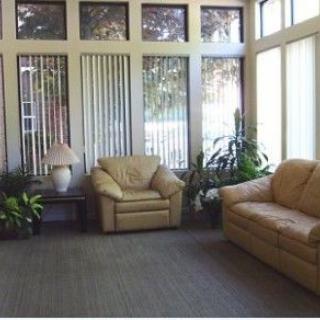
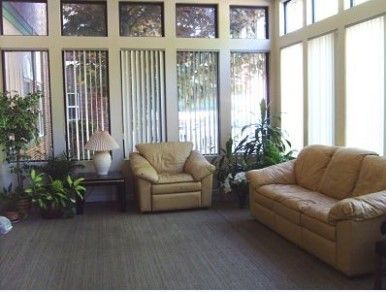
 Indoor common areas
 Kitchenette
 Move-in coordination
 Outdoor space
 Private bathrooms
 Restaurant-style dining
 Small library
 Telephone
 Wellness center
 Wi-Fi/high-speed internet available
 Pittsburgh International (25 miles away)
 Community operated transportation
 12-16 hour nursing
 24-hour call system
 Ambulatory care
 Assistance with bathing
 Assistance with dressing
 Assistance with transfers
 Diabetes diet
 Diabetic care
 Medication management
 Mental wellness program
 Special dietary restrictions
 Concierge services
 Planned day trips
 8 Key Indicators That Suggest It May Be Time to Transition from Assisted Living to Skilled Nursing Care
 Vibrant Senior Living: A Comprehensive Guide for Active Older Adults
 When to Transition from Assisted Living to Memory Care: Key Indicators, Steps, and Finding the Right Community