
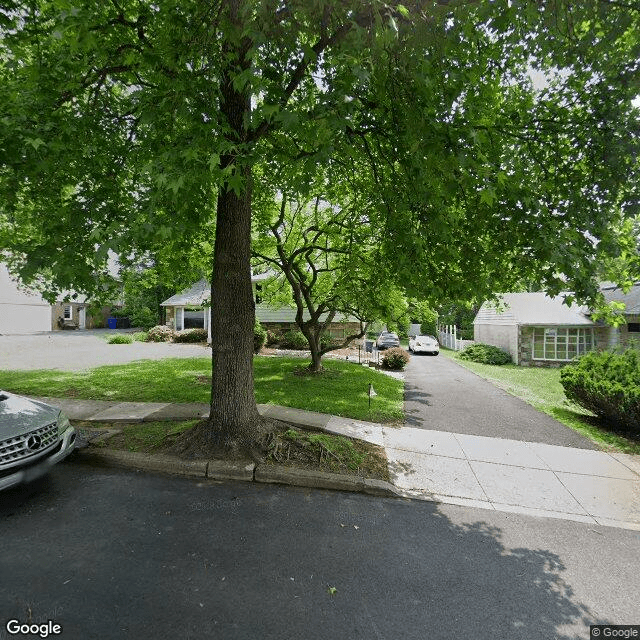
7933 Waltham Rd, Cheltenham, PA 19012
To contact a resident: (215) 277-5138
For more information about senior living options: (866) 208-4318
Overall Review of Better Home Care
Pros
 They reached out to the roommate to provide home care at a perfect time.
- They are very helpful when clients have trouble clocking in with the program they use.
- They have been very patient with clients after traumatic experiences.
- They respond quickly, often within minutes or seconds.
- They offer flexible shifts across various hours and locations.
- The home care staff is very nice and caring.
- The office is well organized.
Review
Better Home Care in Cheltenham, PA is best suited for families who want their aging relatives to remain at home and prize responsiveness, accessibility, and a caregiver network that can adapt to shifting needs. The reviews point to a provider that actively reaches out to potential clients and responds quickly when help is needed, making it ideal for caregivers who require reliable backup and for loved ones who value peace of mind from rapid contact. The emphasis on patient, supportive care and a willingness to coordinate around major life transitions also makes it a strong fit for clients needing emotional support as they re-enter caregiving roles. In short, this is a practical, home-centered option for non-institutional care.
Alternatives become worth considering when the care recipient requires around-the-clock medical supervision, intensive skilled nursing, or a community environment with structured activities and social life beyond home care. If the priority is a built-in community with peers, daily programs, or family assurance through a licensed facility, an assisted living community or nursing facility may be superior. Geographic coverage and scheduling limits also matter: if the loved one lives outside Cheltenham or requires inconsistent travel, a different provider with broader territory or a facility-based option may be preferable. Finally, the cost and benefits of in-home care versus facility care should be weighed with the full scope of services promised.
Key pros from the available feedback center on responsiveness and organizational clarity. The agency’s staff appears quick to answer calls and even resolves clocking-in or program-hub issues, which translates into less waiting and more dependable support when schedules shift. The caregiver pool is described as flexible, with open shifts and varied placements, enabling care to be aligned with the client’s daily routine and family availability. The personal dimension is evident: patience during difficult transitions and a sense of partnership, someone who can help an elder relative regain confidence and stay connected to familiar routines.
On the downside, the evidence base is small, two positive reviews do not establish a comprehensive performance profile across diverse cases. There is no detail on exact qualifications, licensing, or supervision structures, nor on cost, eligibility, or coverage limits. In-home care can hinge on caregiver consistency; frequent turnover or inconsistent scheduling can undermine continuity, even if the agency promises flexibility. The local focus on Cheltenham suggests geographic constraints; families farther away should confirm travel beyond a limited radius. Those with complex medical needs or a high risk of emergencies should verify the agency’s capacity to coordinate with medical teams and emergency services.
Despite these caveats, the strengths of Better Home Care offer meaningful offset. Fast, reliable communication relieves the anxiety of managing care, and an organized office creates a straightforward point of contact for updates and care planning. Flexible scheduling is not only convenient for family calendars but also a practical asset when a dependent’s needs fluctuate or when caregiving demands shift unexpectedly. The compassionate tone reported by clients supports a home environment where a caregiver is more than a task-doer, someone who can serve as a steadying presence during emotional transitions. For families seeking to avoid institutional care while retaining person-centered support, these factors carry significant weight.
Bottom line: Better Home Care is a strong fit for families prioritizing home-based support with rapid responsiveness and practical organization. It suits elders who can function with assistance but do not require constant medical oversight, and it rewards families that value a flexible, caregiver-centric approach. Those who need round-the-clock medical supervision, a larger geographic footprint, or formal facility-based social programs should explore alternatives. Before committing, request a clear care plan, understand qualification and supervision details, and arrange a short-term trial to assess continuity and compatibility with the loved one’s routines and personality.
 Philadelphia International (15 miles away)







 Exploring Palliative Care in the Home: A Comprehensive Overview
 Comprehensive Insights into Palliative Home Care: What It Is and What to Expect
 Skilled Nursing Facilities vs. Nursing Homes: Making Sense of the Differences