
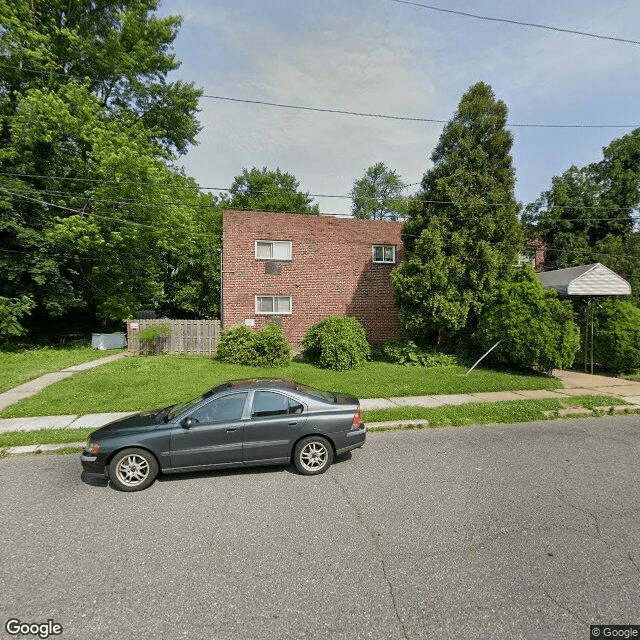
6730 Tabor Avenue, Philadelphia, PA 19111
For more information about senior living options: (866) 208-4318
Overall Review of Tabor Manor
Pros
 The techs are very caring, and the supervisors provide 24/7 support.
- It is considered one of the best facilities in Philadelphia.
- The residents appear very happy and enjoy their home.
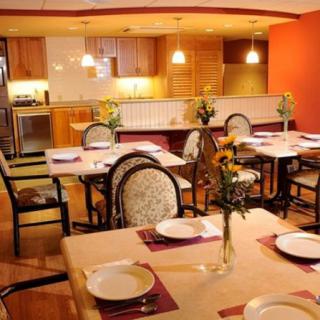
- The building is kept clean.
- There are staff members who make sense when spoken with.
Cons
 The facility had rats.
- The place is a mess and residents appear confused and uninformed.
- There are no real outside activities; watching TV is the only activity, which is dissatisfying.
- Tierra, a residential worker, is rude and unprofessional, lacking active listening and confusing callers and clients.
- The facility seems more like a drug rehab and appears to care about money; staff blend in with residents; violence is allowed on screen; professionalism is lacking; residents are crammed into rooms.
- The building is infested with bed bugs and patient care is poor; linens are stained with blood.
- Staff yell and curse at residents on video; the place would be closed down.
- The building is old and not well maintained; communication is poor and locating residents is difficult.
- The place is a living hell for the elderly and should be avoided; better to look for another place.
Review
Tabor Manor in Philadelphia is best suited for families that are prepared to supervise closely and tolerate substantial safety and care-quality flaws. The strongest caveat is that the environment appears to struggle with basic safety and daily care, and families who insist on proactive oversight, visiting often, asking pointed questions, and documenting issues, will fare best here. For most seniors who depend on dependable staffing, a clean, well-maintained environment, and respectful interactions, a different option is preferable. The facility’s current trajectory makes it clear that this is not a place to leave a loved one and forget about them.
Alternatives to consider should be high on the list for anyone who needs consistent, professional caregiving, a clean environment, and a safe, respectful culture. The reviews repeatedly flag rude or unprofessional staff, poor communication, and alarming safety concerns, so families should actively compare facilities that demonstrate clear pest control, transparent incident reporting, and stable, well-trained staff. When evaluating options, demand verifiable records on staffing ratios, training, and maintenance history; schedule unannounced visits; and speak with current residents and families about daily routines and responsiveness.
Pros cited in isolated accounts suggest some caregivers are genuinely caring and available around the clock, and a few residents appear content within a shared space. Yet these positive signals are overwhelmed by pervasive negatives that affect daily life: distressing interactions, a lack of professionalism, and a palpable disconnect between staff behavior and resident well-being. The physical plant is described as older and not well kept, with consistent references to pests and unsanitary conditions. The tension between occasional attentive care and systemic neglect creates a trust gap that is hard to bridge.
The most serious shortcomings, infestations, bedbugs, and unsanitary conditions, pose direct health and safety risks. Reports of hospitalizations, soiled sheets, and anxiety about supervision create a climate where risk readily overrides any perceived comfort. The atmosphere described by families includes loud staff interactions, fear and mistrust, and a sense that finances drive decisions more than resident welfare. When one reviewer characterizes the environment as resembling a drug-rehab setting, it signals a deeper misalignment of expectations and reality, not merely a communication hiccup.
Operational weaknesses underpin the care problems. Inconsistent communication to residents, difficulty locating people who wander or move between spaces, and a worn, poorly maintained building contribute to a sense of instability. Reports that staff blend in with residents suggest weak accountability and raise questions about boundaries and supervision. Even where common areas are tidy, the overall impression is of fragile systems: housekeeping, medical oversight, and safety protocols lag far behind what families should reasonably expect. This combination of systemic flaws makes a strong case that reliability and peace of mind are not deliverables here.
Decision guidance for families evaluating options is clear. Approach this community with extreme caution and proceed only after rigorous due diligence: demand pest-control histories, incident logs, staff training records, and routine monitoring data; observe a shift change; and speak with multiple residents and families about day-to-day care. Compare these impressions against facilities that demonstrate consistent cleanliness, respectful communication, and stable staffing. For a loved one requiring reliable supervision and a consistently safe environment, Tabor Manor is not the right choice; prioritize alternatives that offer stronger oversight, proven safety, and a track record of respectful, attentive care.
 51 resident community capacity
 Assisted Living
 Respite Care
 Activities on-site
 Air-conditioning
 Beauty salon
 Cable or satellite TV
 Computer center
 Devotional services off-site
 Dining room
 Fitness room
 Fully furnished
 Gaming room
 Garden
 Housekeeping services
 Indoor common areas
 Kitchenette
 Move-in coordination
 Outdoor space
 Private bathrooms
 Restaurant-style dining
 Small library
 Telephone
 Wellness center
 Wi-Fi/high-speed internet available
 Philadelphia International (15 miles away)
 Community operated transportation
 24-hour call system
 Ambulatory care
 Assistance with bathing
 Assistance with dressing
 Assistance with transfers
 Diabetes diet
 Diabetic care
 Medication management
 Mental wellness program
 Special dietary restrictions
 Concierge services
 Planned day trips





 Understanding the Distinctions: Assisted Living and Memory Care Explained
 Guiding Elderly Parents Who Refuse Assisted Living: 6 Practical Steps
 Your Comprehensive Guide to Luxury Assisted Living: Elevated Facilities, Amenities, and Costs