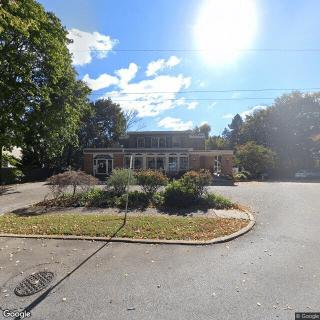
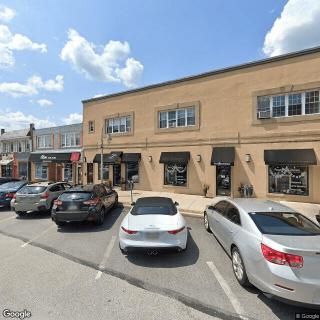
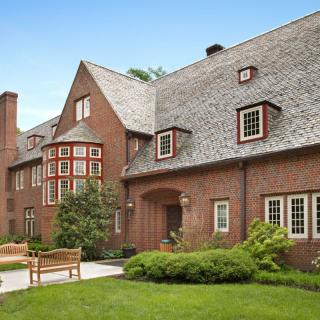
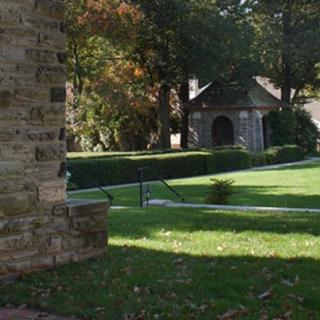
The Bryn Mawr Terrace in Bryn Mawr, PA

Save

  • Interior

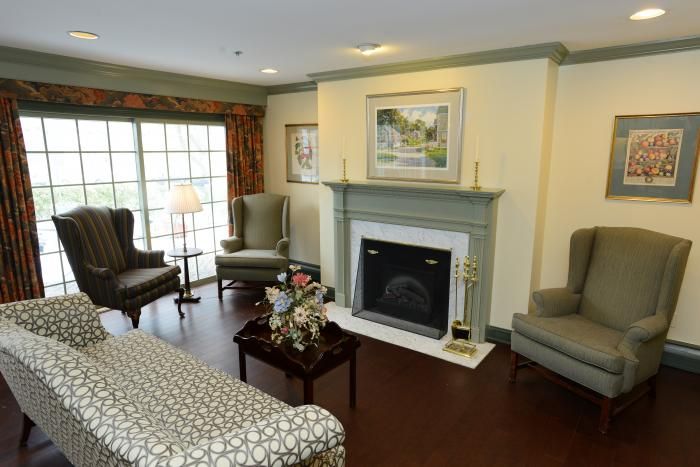
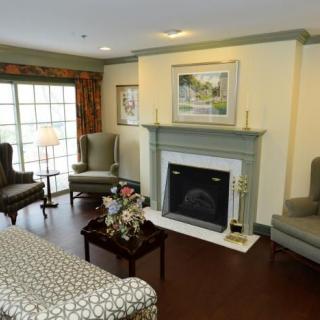
    A cozy living room with a fireplace, sofa, and armchairs.
  • Decor

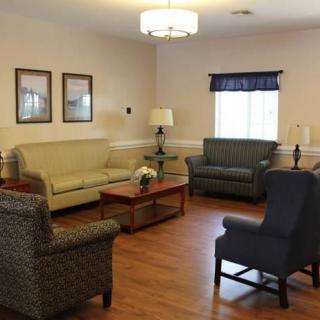
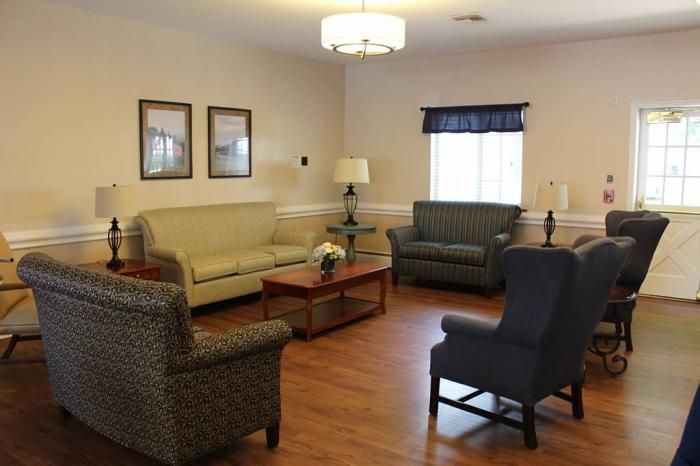
    A cozy living room with comfortable seating and elegant decor.
  • Living Room

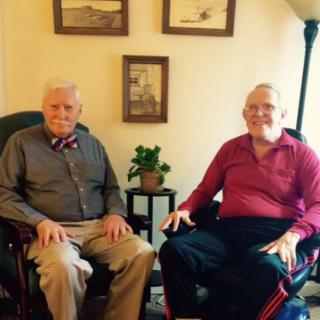
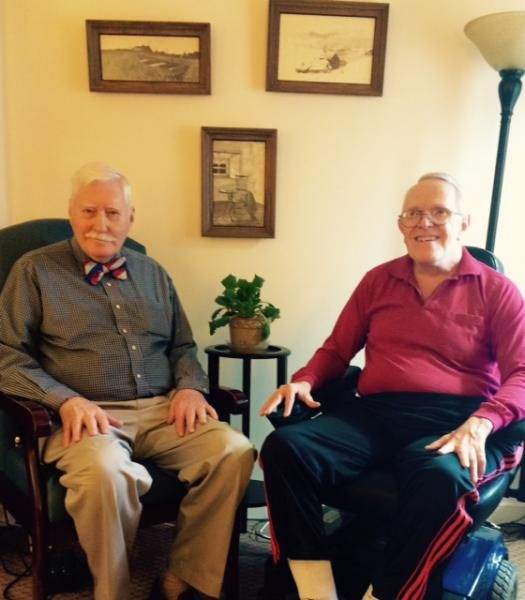
    Two elderly men seated in a cozy living room setting.
  • Building

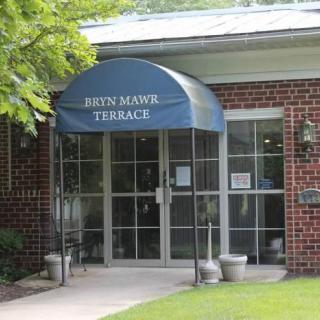
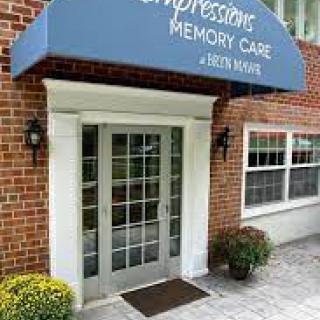
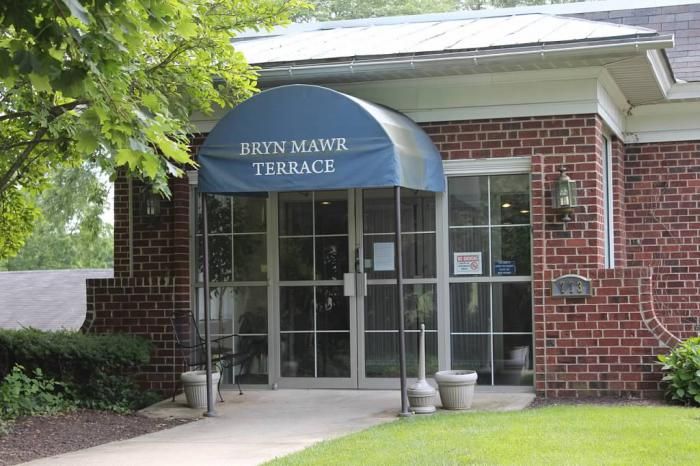
    Entrance to a building with a blue awning labeled 'Bryn Mawr Terrace'.
  • Windows

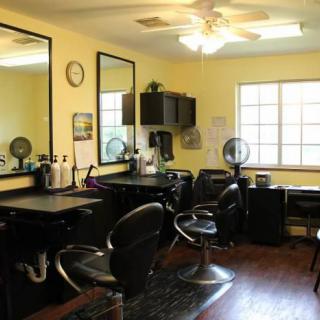
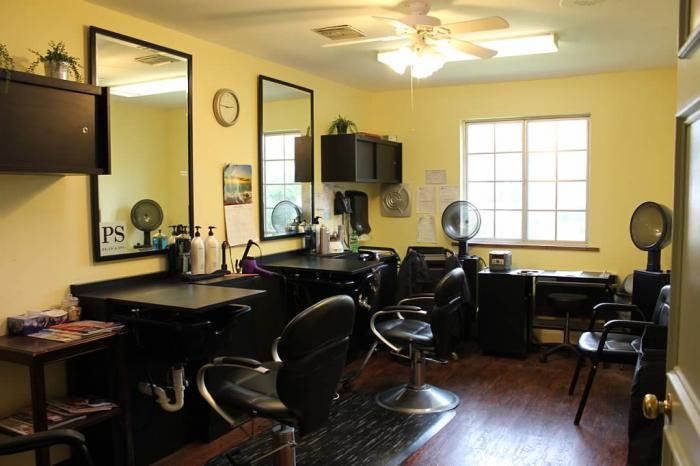
    A well-lit hair salon interior with styling stations and chairs.
  • Dining

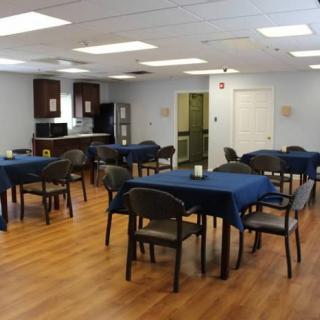
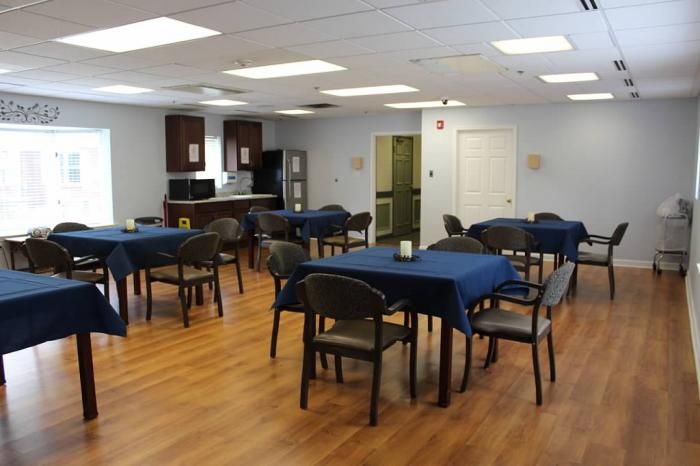
    A dining area with multiple tables covered in blue tablecloths and chairs, featuring a kitchen setup and wooden flooring.
  • Entrance

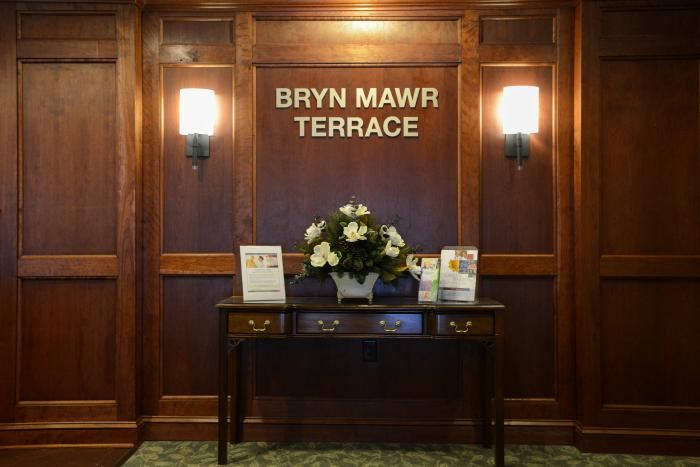
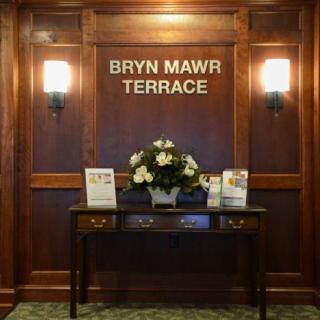
    The entrance of Bryn Mawr Terrace with a wooden table, floral arrangement, and warm lighting.
  • Seating Area

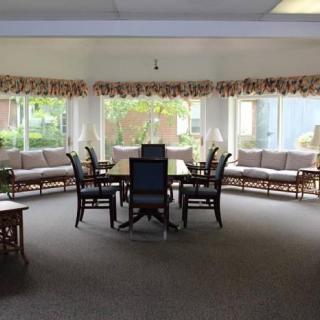
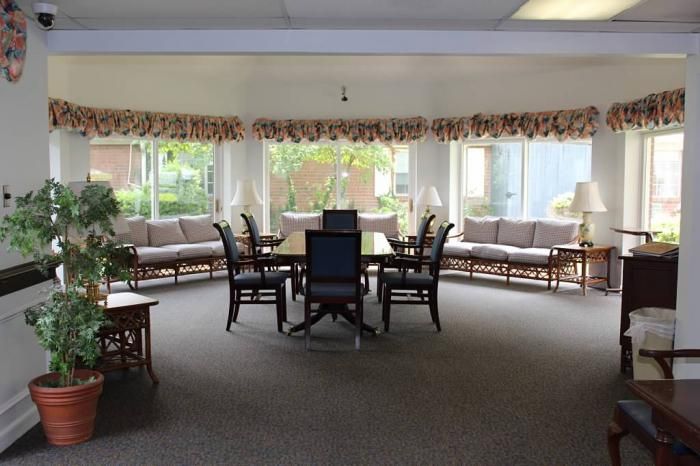
    A bright lounge area with seating and large windows.
  • Television

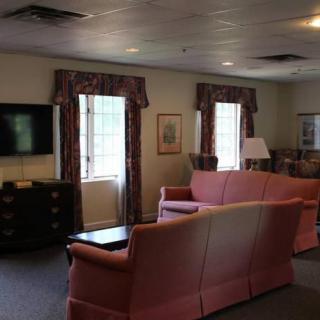
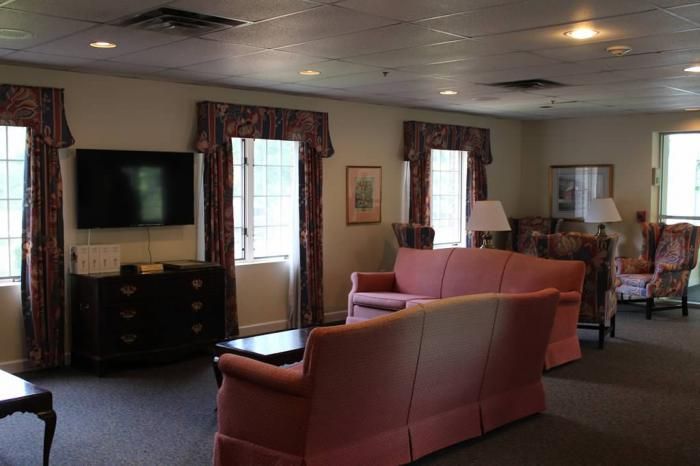
    A cozy living room with sofas, a television, and large windows.
  • Chandelier

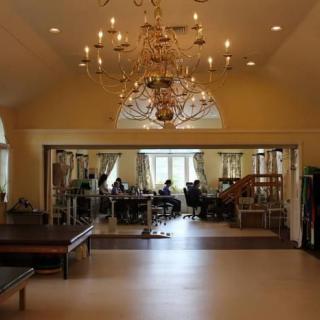
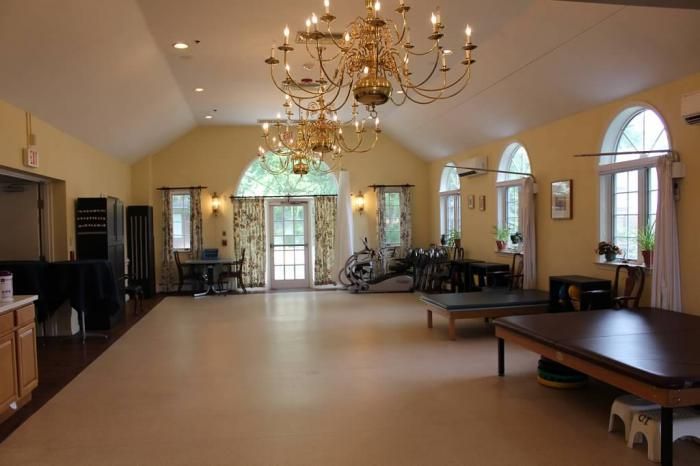
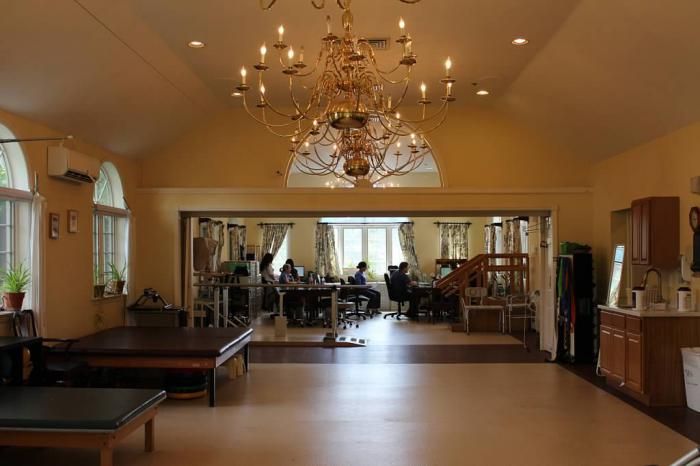
    A spacious interior featuring a grand chandelier and mirrored walls, possibly a dance studio.
  • Bookshelves

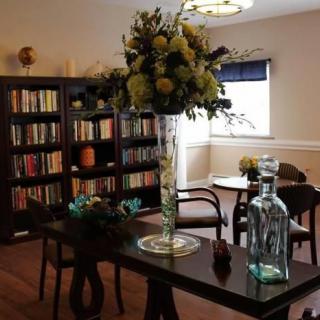
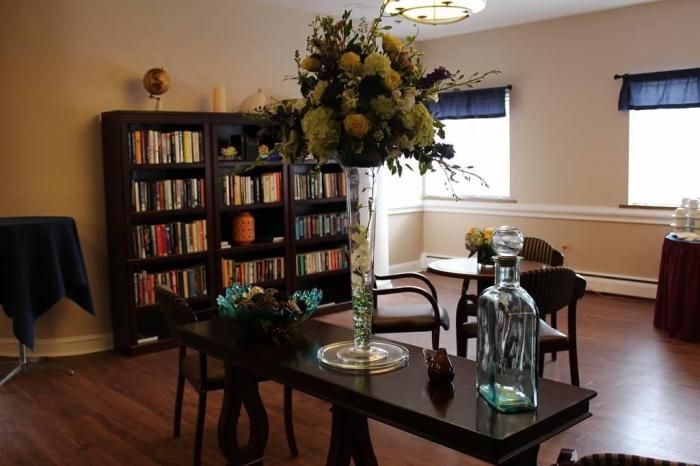
    A cozy library corner with bookshelves, a large vase of flowers on a table, and chairs arranged for reading.
  • Exercise Equipment

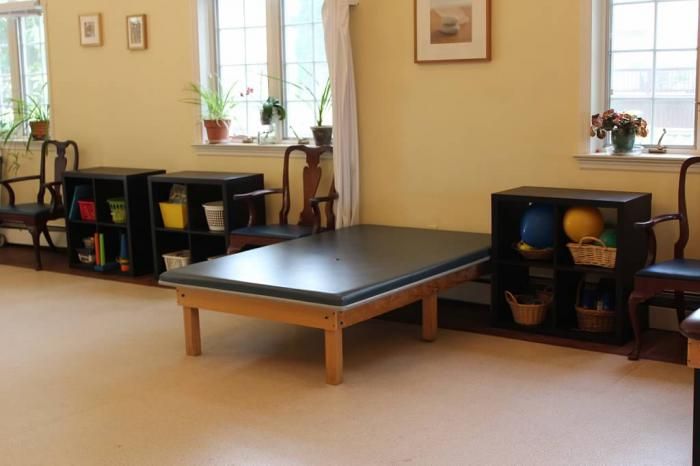
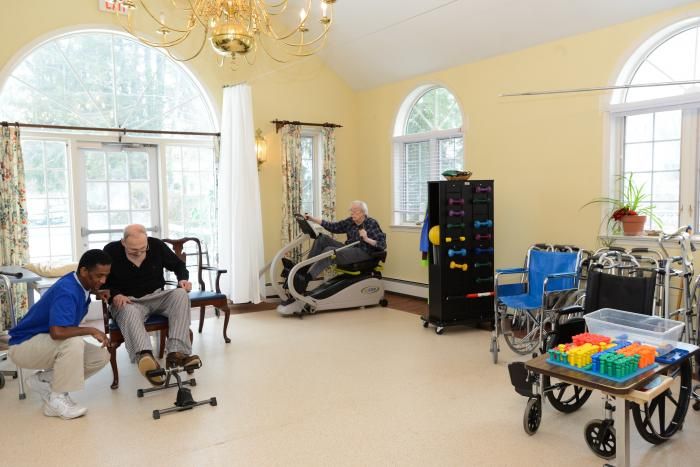
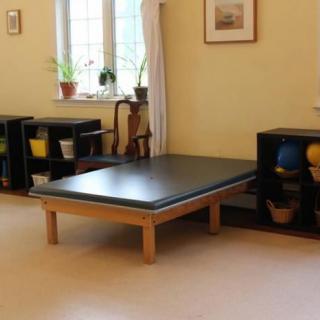
    A therapy room equipped with a large exercise mat and storage for rehabilitation equipment.
  • Fitness

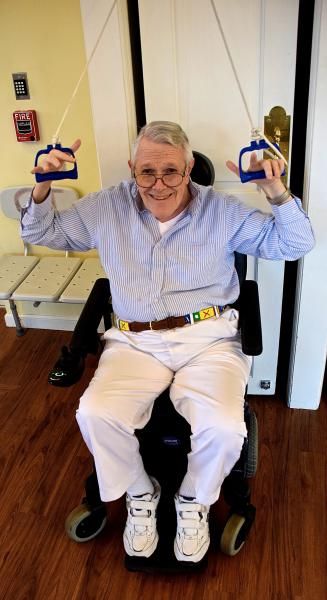
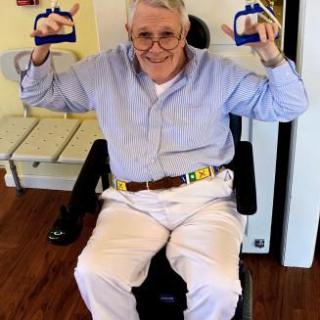
    An elderly man in a wheelchair exercising with hand grips indoors.
  • Exercise

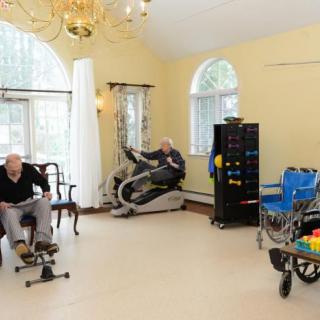
    Elderly individuals engaging in exercise activities in a therapy room equipped with fitness machines.

The Bryn Mawr Terrace in Bryn Mawr, PA

Information last verified:

773 East Haverford Road, Bryn Mawr, PA 19010

For more information about senior living options: (844) 490-3973

3.9 from 108 reviews
5 stars
67
4 stars
13
3 stars
1
2 stars
5
1 stars
22

Overall Review of The Bryn Mawr Terrace

Pros

  • pro The 3-11 nurse was friendly and helpful.
  • pro She is doing very well and is very happy.
  • pro Everyone was helpful and the food was great.
  • pro Live music made for a really nice visit.
  • pro The receptionist and staff created a nice atmosphere.
  • pro The facility was very clean, and the staff were friendly and helpful.
  • pro The details of checking in and out were unique and pleasant.
  • pro The staff were wonderful and very kind and caring.
  • pro The quality of care was above expectations.
  • pro The staff remembered residents and were attentive to all needs.
  • pro The atmosphere is peaceful, with piano music, and the facility is beautiful inside and out.
  • pro The staff are attentive and professional; the facility is clean and welcoming.

Cons

  • pro The facility was constantly short-handed, causing slow response times and delays in basic care.
  • pro It did not feel clean, with noticeable odors and poorly maintained rooms.
  • pro Management communication was terrible, with calls rarely returned and high turnover.
  • pro Meals were bland and cold, and residents received little attention or activities.
  • pro Staff were rude or negligent, and overnight staffing was described as nonexistent.
  • pro Families reported a lack of communication after falls or emergencies and missing updates.
  • pro The environment had safety and cleanliness concerns, including urine smells, dirty sheets, and bedpans left in sinks.
  • pro Care was under-resourced and inconsistent, with meds dispensed without explanation.
  • pro After management changes, the quality of care reportedly diminished severely.

Review

This community is best suited for families prioritizing effective rehabilitation and a clean, supportive environment where the primary goal is steady progress after a surgery or hospitalization, and where staffing quality and daily attentiveness can be relied upon during a defined care window. The Bryn Mawr Terrace consistently earns praise for its focused rehab culture, experienced therapists, clear routines, and a calm, homey atmosphere that helps residents regain strength and confidence. It is a reasonable fit for memory-care-adjacent needs and for short- to medium-term stays when the emphasis is on therapy-driven recovery rather than high-end amenities. Those who want a highly modernized facility with abundant lifestyle amenities or who require Medicaid acceptance as a non-negotiable baseline should look elsewhere. For market-rate families eyeing value without sacrificing basic dignity, it remains a compelling consideration, so long as the rehab focus and reliable communication are kept front and center.

The strongest positives center on cleanliness, approachable staff, and a care-forward culture. Multiple reviews highlight immaculate premises, well-groomed spaces, and staff that remember residents by name and engage with families in thoughtful ways. The rehab team earns frequent kudos for knowledgeable physical and occupational therapy, with families noting meaningful progress and attentive, professional treatment. The environment itself often feels welcoming and warm, aided by well-maintained rooms, inviting common areas, and activity programming that sustains engagement. When care teams function at their best, families prize the transparency of communication, the willingness of staff to involve relatives in care decisions, and the sense that the facility treats each resident as an individual with unique needs and preferences.

But the landscape is not uniform. The most consequential concerns run along several fault lines: inconsistent staffing across shifts, delayed response to call bells, and occasional gaps in communication between care teams and families. A portion of the reviews describes episodes of neglect or miscommunication that progress into hospital-level consequences, or discharge experiences where families were left without timely information. The facility’s age and the pace of modernization also surface in some accounts, with conversations about outdated amenities and uneven maintenance. These reports matter because they underscore real risk when caregiving relies on turnover, supervision, and continuity of care. The contrast between the strongest rehab-focused reviews and the most critical ones is sharp enough to demand careful, on-site verification before enrolling a loved one for anything longer than a temporary or crisis-driven stay.

Given those tensions, some potential residents should indeed consider alternatives. Families needing constant, around-the-clock oversight, especially for fragile residents or those with complex medication regimens, may find other communities with deeper 24/7 coverage more reassuring. Prospects seeking robust Medicaid acceptance or newer infrastructure with more contemporary amenities may also prefer options that align more closely with those requirements. The mix of extraordinarily positive and deeply negative experiences suggests that outcomes can hinge on the particular shift, the specific unit, and the current administrative leadership. In short, this is not a one-size-fits-all choice; the decision depends on tolerance for variability and the central importance placed on steady communication and predictable staffing.

For planning and due diligence, approach Bryn Mawr Terrace with a clear checklist and concrete questions. Schedule visits at different times of day to observe how front-line staff respond during busy periods, and specifically ask to meet the administrator or director of nursing to hear about staffing ratios, turnover, and ongoing improvement plans. Probe the rehab program: the cadence of therapy, coordination with physicians, and how progress is tracked and shared with families. Review recent DOH inspections and speak with current residents or families about call-bell response times, daily routines, and meal quality. Finally, outline discharge planning, including how medication changes are communicated and how caregivers are kept in the loop when transitions occur. The most informed decisions come from corroborating multiple perspectives on care consistency, cleanliness, and the transparently reported progress.

In the end, Bryn Mawr Terrace offers a solid, cost-conscious option for families whose primary objective is effective rehabilitation in a clean, personable setting. When the care team is operating at its best, the facility delivers warmth, competence, and tangible progress that families can rally around. However, the performance spectrum is wide: some experiences reflect overwhelmed systems and frustrating gaps that can jeopardize peace of mind during vulnerable periods. For those with flexible expectations and a strong emphasis on rehab outcomes, it can be a very good fit. For families where persistent staffing gaps, unreliable communication, or Medicaid access are non-negotiables, it is prudent to survey alternatives with steadier staffing and more predictable operations. The prudent path is a thorough, eye-level tour, conversations with frontline staff, and a candid read of the latest inspection and local peer experiences before committing to long-term placement.

Features

Housing

  • 33 resident community capacity 33 resident community capacity
  • 1-bedroom apartments 1-bedroom apartments1-bedroom apartments are important for seniors because they provide a sense of independence, privacy, and autonomy while still offering the necessary space for comfortable living. These apartments allow seniors to maintain their own personal space and lifestyle preferences in a supportive community setting.
  • Studio apartments Studio apartmentsStudio apartments are important for seniors because they offer a smaller, more manageable living space that is easier to navigate and maintain as physical abilities decline. Additionally, studio apartments provide seniors with independence and privacy while still being part of a community that offers support and social opportunities.

Types of Care

  • Assisted Living Assisted LivingAssisted living facilities provide crucial support and care for seniors who may need help with daily tasks such as medication management, bathing, and meal preparation. These communities offer a safe and comfortable environment where seniors can maintain their independence while receiving the assistance they need to thrive in their golden years.
  • Continuing Care Retirement Community (CCRC) Continuing Care Retirement Community (CCRC)Continuing Care Retirement Communities (CCRCs) are important for seniors because they provide a range of housing options and care services all in one location. This allows seniors to age in place and receive the level of care they need as their health changes, without having to move to a new facility. CCRCs provide a sense of security and peace of mind for seniors and their families, knowing that they will be taken care of no matter what the future holds.
  • Independent Living Independent LivingIndependent living communities are important for seniors because they offer a safe and supportive environment where older adults can live independently while still having access to amenities and services that enhance their quality of life. These communities provide social opportunities, recreational activities, and assistance with daily tasks, promoting overall well-being and allowing seniors to maintain their independence for as long as possible.
  • Respite Care Respite CareRespite care provides temporary relief for caregivers, allowing them to recharge and attend to their own needs. It also gives seniors the opportunity to socialize, receive professional care, and experience a change of scenery, promoting overall well-being and reducing feelings of isolation.
  • Skilled Nursing Facility Skilled Nursing FacilitySkilled Nursing Facilities are crucial for seniors as they provide round-the-clock medical care, rehabilitation services, and assistance with daily activities. These facilities ensure that seniors receive the specialized care they need to maintain their health and well-being as they age.

Amenities

  • Beauty salon Beauty salonBeauty salons are important for seniors because they provide a space for them to feel pampered, socialize, and maintain their personal grooming and hygiene. Regular visits to a beauty salon can help boost seniors' self-esteem and overall well-being.
  • Cable or satellite TV Cable or satellite TVCable or satellite TV is important for seniors because it provides entertainment, news, and companionship, helping to combat loneliness and boredom. It also offers a wide range of programming options tailored to different interests and preferences.
  • Dining room Dining roomDining rooms are important for seniors as they provide a space for socialization, connection, and nutritious meals. They offer opportunities for residents to bond over shared meals, foster a sense of community, and promote healthy eating habits. Dining rooms also ensure that seniors have access to well-balanced meals tailored to their dietary needs and preferences.
  • Fully furnished Fully furnishedFully furnished senior living communities are important for seniors because they provide convenience, comfort, and a hassle-free moving experience. Seniors can easily settle into their new living space without the stress of having to buy and move furniture. This allows them to focus on enjoying their new home and community.
  • Garden GardenGardens are important for seniors as they provide a peaceful and therapeutic environment for relaxation, physical activity, and socialization. Being in nature has been shown to reduce stress, improve mood, and promote overall well-being. Gardens also offer opportunities for seniors to engage in gardening activities, which can improve mobility, flexibility, and cognitive function. Additionally, gardens create a sense of community and connection with others who share a passion for plants and outdoor spaces.
  • Guest parking Guest parkingGuest parking is important for seniors because it allows their friends and family members to visit them easily and safely. Having convenient parking options can help combat feelings of isolation and loneliness, promote regular social interaction, and improve overall mental and emotional well-being for seniors in senior living communities.
  • Housekeeping services Housekeeping servicesHousekeeping services are important for seniors because they help maintain a clean and safe living environment, promote independence, and reduce the risk of accidents or illnesses. Additionally, having assistance with household chores can alleviate physical strain and allow seniors to focus on other aspects of their well-being.
  • Laundry LaundryLaundry services are important for seniors as they may have difficulty with physical tasks such as bending, lifting, or carrying heavy loads. Having access to laundry services can help seniors maintain personal hygiene, cleanliness, and independence in their daily lives.
  • Move-in coordination Move-in coordinationMove-in coordination is important for seniors because it helps ease the transition into their new living environment. It ensures that all logistics, such as packing, organizing movers, and setting up utilities are taken care of, allowing seniors to focus on settling in and adjusting to their new home. Having a smooth move-in process can alleviate stress and anxiety, making the transition smoother and more enjoyable for seniors.
  • Outdoor space Outdoor spaceOutdoor spaces are important for seniors as they provide opportunities for physical activity, social interaction, exposure to natural light and fresh air, and a sense of connection to nature. Having access to outdoor spaces can improve overall well-being and quality of life for older adults living in senior communities.
  • Private bathrooms Private bathroomsPrivate bathrooms are important for seniors in senior living communities because they provide independence, dignity, and comfort. Having a private bathroom allows seniors to maintain their personal hygiene routines without the need for assistance, promoting a sense of autonomy and privacy. Additionally, private bathrooms help prevent the spread of infections and provide a safe and clean environment for seniors to navigate safely.
  • Resident parking Resident parkingResident parking is crucial for seniors in a senior living community as it provides convenience, accessibility, and safety for residents who may have limited mobility or rely on personal vehicles for transportation. Having designated parking spaces ensures that seniors can easily access their homes without having to walk long distances or navigate crowded parking lots, ultimately enhancing their overall quality of life and sense of independence.
  • Respite or short term stays offered Respite or short term stays offeredRespite or short term stays provide seniors with a temporary solution when their regular caregiver is unavailable, offering them the opportunity to receive additional care and support during times of need, while also giving caregivers a chance to rest and recharge.
  • TV room TV roomTV rooms are important for seniors in senior living communities because they provide a space for social interaction, entertainment, and relaxation. Watching TV can help reduce feelings of loneliness and boredom, and create a sense of community among residents. Additionally, TV rooms offer a break from daily routines and can be a source of comfort and familiarity for seniors.
  • Telephone TelephoneTelephones are important for seniors as they provide a lifeline for communication with loved ones, emergency services, and healthcare providers. They offer a sense of security and independence, enabling seniors to stay connected and access assistance when needed.
  • Wi-Fi/high-speed internet available Wi-Fi/high-speed internet availableWi-Fi/high-speed internet is important for seniors to stay connected with loved ones, access online resources, and participate in virtual activities to combat feelings of loneliness and isolation. It also allows them to easily manage healthcare needs, access entertainment, and engage in lifelong learning opportunities.

Transportation

  • Philadelphia International (11 miles away) Philadelphia International (11 miles away)
  • Transportation & parking Transportation & parkingTransportation and parking are vital for seniors as they offer access to essential services, activities, and social interactions. Reliable transportation options can help seniors maintain independence, stay connected within their community, and enjoy a higher quality of life. Additionally, convenient parking facilities ensure that seniors can easily access necessary resources and amenities without added stress or difficulty.
  • Transportation arrangement Transportation arrangementTransportation arrangements are crucial for seniors as they may face challenges with driving, mobility, or access to public transportation. Having reliable transportation services ensures that seniors can easily attend appointments, social activities, and maintain their independence and quality of life.
  • Transportation arrangement (non-medical) Transportation arrangement (non-medical)Transportation arrangements are essential for seniors as they provide access to essential services, activities, and social interactions outside the home. This service helps maintain independence, mobility, and overall well-being for seniors who may have limited transportation options.

Care Services

  • 24-hour call system 24-hour call system24-hour call systems are important for seniors because they provide peace of mind and immediate assistance in case of emergencies. This technology ensures that help is always available, promoting safety and security for elderly individuals living alone or in assisted living facilities.
  • 24-hour nursing 24-hour nursing24-hour nursing is important for seniors because it provides round-the-clock medical care and support, ensuring their health and safety are consistently monitored and attended to. This level of care can help prevent emergencies, manage chronic conditions, and provide peace of mind for both seniors and their families.
  • 24-hour supervision 24-hour supervision24-hour supervision is important for seniors to ensure their safety, well-being, and access to immediate assistance in case of emergencies or health issues. This constant support provides peace of mind for both seniors and their loved ones, allowing them to age in place with dignity and security.
  • Activities of daily living assistance Activities of daily living assistanceActivities of daily living assistance are important for seniors because they provide essential support with tasks such as eating, bathing, dressing, and mobility. This assistance helps seniors maintain their independence, dignity, and overall quality of life as they age.
  • Assistance with bathing Assistance with bathingAssistance with bathing is crucial for seniors as it helps maintain personal hygiene, prevents infections, and ensures their overall well-being and comfort. It also provides a sense of dignity and independence for seniors who may struggle with this task on their own.
  • Assistance with dressing Assistance with dressingAssistance with dressing is important for seniors because it helps maintain their independence, promotes personal hygiene, prevents accidents and injuries, and improves overall quality of life. This service ensures that seniors can continue to dress comfortably and confidently, despite any physical limitations they may have.
  • Assistance with transfers Assistance with transfersAssistance with transfers is crucial for seniors as it helps prevent falls and injuries, maintains their independence, and ensures they can safely navigate their living environment. It also provides peace of mind for both seniors and their loved ones.
  • Diabetes diet Diabetes dietA diabetes diet is crucial for seniors as it helps manage blood sugar levels, reduce risks of complications, and improve overall health and well-being. By following a balanced and nutritious diet tailored to their specific needs, seniors can better control their diabetes and enhance their quality of life.
  • Meal preparation and service Meal preparation and serviceMeal preparation and service are crucial for seniors as they may have limited mobility or energy to cook nutritious meals. Having access to healthy and convenient food options can ensure they are getting the proper nutrition needed to maintain their overall health and well-being.
  • Medication management Medication managementMedication management is crucial for seniors to ensure they are taking the right medications at the correct dosages and times. This helps prevent adverse drug interactions, reduces the risk of medication errors, and promotes overall health and well-being. Proactive management also allows for adjustments as needed based on changing health conditions or new prescriptions.
  • Personal care assistants Personal care assistantsPersonal care assistants are essential for seniors as they provide assistance with daily tasks, such as dressing, bathing, and medication management. They offer crucial support and companionship to help seniors maintain independence and quality of life in their own homes or in senior living communities.
  • Physical therapy Physical therapyPhysical therapy is essential for seniors to maintain and improve their mobility, strength, and overall quality of life. It helps reduce pain, prevent falls, and enhance independence in daily activities. By promoting movement and function, physical therapy can help seniors stay active, healthy, and engaged in their communities.
  • Rehabilitation program Rehabilitation programRehabilitation programs are vital for seniors as they provide specialized care and therapies to help them regain independence, mobility, and overall quality of life after an injury or illness. These programs offer individualized support and services to promote recovery and prevent further decline in physical and mental health.
  • Respite program Respite programRespite programs provide short-term relief for family caregivers and allow seniors to receive temporary care in a safe and supportive environment. These programs help prevent burnout among caregivers, promote socialization for seniors, and offer a break from the challenges of daily caregiving responsibilities.
  • Special dietary restrictions Special dietary restrictionsSpecial dietary restrictions are important for seniors because age-related changes in metabolism and health conditions can make it difficult for their bodies to process certain foods. By following a diet tailored to their specific needs, seniors can maintain their overall health and well-being, manage chronic conditions, and reduce the risk of complications such as malnutrition or food interactions with medications.

Dining

  • Diabetes diet Diabetes dietA diabetes diet is crucial for seniors as it helps manage blood sugar levels, reduce risks of complications, and improve overall health and well-being. By following a balanced and nutritious diet tailored to their specific needs, seniors can better control their diabetes and enhance their quality of life.
  • Room service Room serviceRoom service is important for seniors in a senior living community because it provides convenience and allows them to have their meals delivered directly to their room. This can be especially beneficial for seniors who may have mobility issues or difficulty accessing the dining area. Room service ensures that seniors are able to receive nutritious meals without having to navigate through the facility, allowing them to maintain their independence and overall well-being.
  • Special dietary restrictions Special dietary restrictionsSpecial dietary restrictions are important for seniors because age-related changes in metabolism and health conditions can make it difficult for their bodies to process certain foods. By following a diet tailored to their specific needs, seniors can maintain their overall health and well-being, manage chronic conditions, and reduce the risk of complications such as malnutrition or food interactions with medications.

Activities

  • Activities off-site Activities off-siteActivities off-site are crucial for seniors as they provide opportunities for socialization, mental stimulation, and physical activity outside of their usual routine. This helps combat feelings of isolation and boredom, promotes overall well-being, and allows seniors to remain engaged in the community.
  • Arts and crafts Arts and craftsEngaging in arts and crafts activities provides seniors with a creative outlet, promotes cognitive function, enhances dexterity and fine motor skills, fosters social interaction, and boosts overall well-being and mental health.
  • Community-sponsored activities Community-sponsored activitiesCommunity-sponsored activities are important for seniors as they provide opportunities for social interaction, mental stimulation, and physical activity. These activities can help improve overall well-being, combat loneliness and isolation, and promote a sense of belonging and purpose among older adults.
  • Fitness programs Fitness programsFitness programs are crucial for seniors as they help improve strength, flexibility, balance, and overall well-being. Staying active can reduce the risk of chronic diseases, improve mental health, and enhance quality of life in older adults.
  • Games GamesGames are an essential part of senior living as they help promote cognitive function, social interaction, and overall well-being. Playing games can improve memory, concentration, and decision-making skills while also providing a fun and engaging way to connect with others. Seniors who participate in games regularly tend to experience higher levels of satisfaction and happiness in their daily lives.
  • Live musical performances Live musical performancesLive musical performances can provide seniors with a sense of joy, nostalgia, and connection. Music has the power to evoke emotions and memories, improve mood and cognitive function, and foster social interaction among seniors. It can also serve as a form of therapy and stress relief for older adults, making it an important activity to include in senior living communities.
  • Religious services Religious servicesReligious services provide seniors with a sense of community, support, and spiritual fulfillment, which can improve their overall well-being and mental health. It also offers them opportunities for socialization and connection with others who share their beliefs.
  • Scheduled daily activities Scheduled daily activitiesScheduled daily activities are important for seniors because they provide structure, socialization, mental stimulation, and physical activity. Engaging in regular activities can improve overall well-being and quality of life for seniors living in a community setting.

Description

The Bryn Mawr Terrace in Bryn Mawr, PA is a vibrant and inclusive assisted living community offering a range of care options to suit individual needs. The community provides studio apartments for residents, ensuring privacy and comfort.

As a Continuing Care Retirement Community (CCRC), the Bryn Mawr Terrace offers various levels of care including Independent Living, Respite Care, and Skilled Nursing Facility services. This guarantees that residents can easily transition between different care levels as their needs change over time.

The community boasts an array of amenities to enhance the resident experience. Each apartment comes fully furnished and equipped with cable or satellite TV and private bathrooms. Services such as housekeeping, laundry, move-in coordination, and transportation are provided to ensure convenience for all residents. Additionally, there is ample outdoor space including gardens for relaxation and recreation.

To meet the healthcare needs of residents, the Bryn Mawr Terrace offers 24-hour nursing supervision and assistance with daily living activities. Professional staff are available round-the-clock to provide assistance with bathing, dressing, transfers, medication management, and diabetes diets. Physical therapy and rehabilitation programs are also available to promote wellness.

Dining options at the community include room service with special consideration for dietary restrictions. Meals are prepared and served by trained staff who cater to individual preferences and dietary needs.

Residents can enjoy a variety of activities designed to engage them both mentally and physically. The community organizes arts and crafts sessions, community-sponsored events, fitness programs, games, live musical performances, religious services, and scheduled daily activities.

The Bryn Mawr Terrace is conveniently located near several cafes, parks, pharmacies, physicians' offices, restaurants, transportation options, places of worship,and hospitals – allowing easy access to necessary services.

Overall,the Bryn Mawr Terrace in Bryn Mawr,Pennsylvania is a diverse assisted living community that prioritizes comfort,care,and engagement for its residents.

Nearby Places of Interest

Hospitals

  • Bryn Mawr Hospital (0.5 miles)
  • Lankenau Medical Center (3.3 miles)
  • Universal Health Services (5.3 miles)
  • Chestnut Hill Emergency Room (7.1 miles)
  • Philadelphia VA Medical Center (7.6 miles)
  • Veterans Administration Community Living Center (7.7 miles)
  • The Pavilion (7.9 miles)

Pharmacies

  • CVS Pharmacy (1 miles)
  • CVS Pharmacy (1 miles)
  • CVS Pharmacy (1.9 miles)
  • CVS Pharmacy (2.1 miles)
  • GIANT Pharmacy (2.4 miles)
  • CVS Pharmacy (2.8 miles)
  • CVS Pharmacy (3.3 miles)

Restaurants

  • Jack McShea's (1.4 miles)
  • McDonald's (3.3 miles)
  • McDonald's (3.8 miles)
  • Larry's Steaks (4.5 miles)
  • Pizza Hut (4.7 miles)
  • Custard & Cakes Creamery (5.7 miles)
  • Dalessandro's Steaks (5.9 miles)

Parks

  • Clem MacRone Memorial Park (1.6 miles)
  • Ellson Glen Park (5.2 miles)
  • Fairmount Park (5.7 miles)
  • Valley Forge National Historical Park (8.3 miles)
  • Wilson Farm Park (8.3 miles)
  • Schuylkill River Park (8.4 miles)

Places of Worship

  • St Anastasia Rectory (4.2 miles)

Cafes

  • Starbucks (4.4 miles)
  • Starbucks (4.7 miles)
  • Starbucks (4.9 miles)
  • Pilgrim Roasters (5.1 miles)
  • The Landing Kitchen (5.3 miles)
  • Starbucks (5.4 miles)
  • Starbucks (5.5 miles)

Transportation

  • SEPTA: 101/102 Lansdowne Avenue Station (4.6 miles)
  • Septa: Radnor Station (5.9 miles)
  • Darby Transportation Center (7.1 miles)
  • Stenton Station (7.9 miles)
  • SEPTA: MFL/TRL 30th Street Station (8 miles)
  • 30th Street Station (8.1 miles)
  • Septa Wayne Junction Station (8.2 miles)

Physicians

  • Dr Madonna's Family Practice (4.7 miles)
  • Main Line Spine (4.8 miles)
  • Mid Atlantic Retina (5.4 miles)
  • Mid Atlantic Retina (6.7 miles)
  • Children's Hospital of Philadelphia - Specialty Care Center (7.1 miles)
  • Main Line Health King of Prussia (7.2 miles)
  • Children's Hospital of Philadelphia (7.8 miles)

Theaters

  • Regal UA King Of Prussia 4DX, IMAX & RPX (7 miles)
  • AMC Plymouth Meeting Mall 12 (7.2 miles)

Frequently Asked Questions

What floor plans and room types does The Bryn Mawr Terrace offer?
Where is The Bryn Mawr Terrace?
What photos are available for The Bryn Mawr Terrace in Bryn Mawr, Pennsylvania?

Nearby Communities

  • Impressions at Bryn Mawr

    Impressions at Bryn Mawr

    Bryn Mawr, PA

    4.5 from 14 reviews
    $3,500 to $4,300 / month

    pro Knowledgeable dementia care staff with compassionate, personalized attention in a clean, smaller memory-care setting.

  • Bryn Mawr Extended Care Center

    Bryn Mawr Extended Care Center

    Bryn Mawr, PA

    3.7 from 105 reviews
     

    pro Comprehensive amenities and services (restaurant-style dining, beauty salon, fitness, transportation, mental wellness).

  • Brandywine Living At Haverford Estates

    Brandywine Living At Haverford Estates

    Haverford, PA

    4.7 from 121 reviews
    $2,970 to $7,020 / month

    pro Home-like setting with caring staff and comprehensive on-site care.

  • Sunrise of Haverford

    Sunrise of Haverford

    Haverford, PA

    4.4 from 95 reviews
    $6,480 to $9,500 / month

    pro Safe, caring environment with engaging activities and strong memory care programming.

  • Rosemont Center

    Rosemont Center

    Rosemont, PA

    3.5 from 41 reviews
    $7,920 / month

    pro Extensive amenities and 24/7 care on-site.

  • Neighborly Home Care Ardmore

    Neighborly Home Care Ardmore

    Ardmore, PA

    3.6 from 53 reviews
     

    pro Compassionate, professional caregivers with strong communication and reliable support for families.

  • The Quadrangle

    The Quadrangle

    Haverford, PA

    3.9 from 170 reviews
    $2,798 to $6,900 / month

    pro Warm, friendly community with active, resident-led programs and strong staff.

  • Waverly Heights

    Waverly Heights

    Gladwyne, PA

    4.5 from 85 reviews
     

    pro Elegant, well-maintained community with beautiful cottages, a gracious atmosphere, strong dining, and ample activities.

  • The Hearth at Drexel

    The Hearth at Drexel

    Bala Cynwyd, PA

    4.4 from 51 reviews
    $6,750 to $9,000 / month

    pro Caring, attentive staff in a clean, engaging environment.

Related Resources

  • activities of daily livingComprehensive Insights into Activities of Daily Living (ADLs) and Their Assessment

    Activities of Daily Living (ADLs) are fundamental tasks vital for an individual's independence, particularly in older adults over 85, and include functions like bathing and dressing; assessing ADLs alongside Instrumental Activities of Daily Living (IADLs) helps determine the level of required assistance due to age-related health challenges. Tailored support plans, involving family and community resources, are essential for maintaining dignity and autonomy in assisted living environments.

  • does medicare pay for assisted livingMedicare Coverage for Assisted Living: An In-Depth Exploration

    Medicare does not cover assisted living costs, as it focuses on acute medical needs and short-term care, with exceptions for certain medically necessary services like physical therapy. Individuals must explore other options such as Medicaid, veterans' benefits, or long-term care insurance to manage these expenses effectively.

  • luxury assisted livingYour Comprehensive Guide to Luxury Assisted Living: Elevated Facilities, Amenities, and Costs
    Luxury assisted living offers high-quality senior care in a resort-like environment that combines essential medical support, gourmet dining, and personalized services to enhance residents' independence and well-being. These upscale facilities emphasize holistic health and community-building through customized care plans and social activities, catering to the growing demand for enriched senior living experiences despite higher costs.