For more information about senior living options: (866) 208-4318
3.6 from 45 reviews
5 stars
25
4 stars
4
3 stars
1
2 stars
2
1 stars
13
Rosemont Center Costs & Pricing
At Rosemont Center, the monthly cost for a semi-private room is $7,920, which significantly exceeds both the county and state averages. In Montgomery County, similar accommodations average around $4,587 per month, while across Pennsylvania, the typical cost drops even further to approximately $3,542. This disparity highlights Rosemont Center's positioning as a premium option in the region, likely reflecting enhanced amenities or specialized services that cater to residents seeking a higher level of care. While the investment is considerable compared to local and state figures, it suggests a commitment to quality that may appeal to those looking for comprehensive support in their living environment.
Floor plans
Rosemont Center
Montgomery County
Pennsylvania
Semi-Private
$7,920
$4,587
$3,542
Skilled Nursing Facilities with a similar price nearby
from +$330 / mo
Welcome To ProMedica Total Rehab+ (Philadelphia)
4.7 from 119 reviews
$8,250 / month
10.1 miles away
from -$570 / mo
Norriton Square Nursing & Rehabilitation Center
4.7 from 107 reviews
$7,350 / month
7.1 miles away
from -$920 / mo
Westgate Hills Rehabilitation And Nursing Center
4.7 from 125 reviews
$7,000 / month
3.7 miles away
from -$1200 / mo
Harston Hall
4.6 from 117 reviews
$6,720 to $7,800 / month
8.4 miles away
About the same
The Pines at Voorhees Rehabilitation and Healthcare
Many residents describe a staff that is caring, friendly, and professional.
Multiple reviews highlight staff members who are kind and attentive, including people praised by name at the front desk. Others describe consistently caring nursing support and resident dignity being respected. Even where feedback turns negative, some reviews still note that not every staff interaction was bad.
differentiator2 reviews mention this
Rehab and therapy support
Residents talk positively about the facility’s therapy and rehab.
Several reviews point to therapy as a standout part of the experience, with one calling it amazing and another calling the rehab top tier. This lines up with the community offering skilled nursing care, where therapy and recovery support are central to day-to-day services.
common3 reviews mention this
Food quality gets mixed reviews
Food receives both praise and complaints from reviewers.
Some reviews say the food is better than other nursing homes and that residents enjoyed it alongside music. Others describe the food negatively and complain that choices are limited. Overall, dining seems important to residents and families, but expectations vary.
caveat4 reviews mention this
Cleanliness concerns come up
Several reviews raise serious concerns about cleanliness.
A number of reviewers describe the building as dirty or run-down, including comments about rooms and supplies. At the same time, at least a couple of reviews also describe the facility as very clean and well maintained, so experiences are not consistent across reviewers. When cleanliness problems are mentioned, they are paired with worries about overall care quality.
caveat3 reviews mention this
Communication and management follow-through
Some families report communication and follow-through problems.
A few reviews say they had trouble getting responses or callbacks from administrative staff and describe poor communication overall. One reviewer also describes an issue with being blocked after asking for help related to scheduling or accounts. These concerns are framed as barriers to timely support when families need information or action.
common2 reviews mention this
Volunteers and activities
Reviews mention community involvement through volunteer-led moments and activities.
At least two reviews describe meaningful involvement from volunteers, including a senior service project and an in-facility holiday gift effort. That kind of participation fits with the community offering scheduled daily activities and resident-involved events, such as resident-run activities and planned outings.
How we summarize
Counts show how many written reviews mention each theme; a review can touch several themes, and only frequently mentioned themes are displayed.
Features
Housing
76 resident community capacity
Types of Care
Skilled Nursing Facility
Amenities
Air-conditioning
Beauty salon
Cable or satellite TV
Computer center
Devotional services on-site
Dining room
Fitness room
Fully furnished
Gaming room
Garden
Housekeeping services
Kitchenette
Move-in coordination
Outdoor space
Private bathrooms
Restaurant-style dining
Small library
Telephone
Wellness center
Wi-Fi/high-speed internet available
Transportation
Philadelphia International (12 miles away)
Community operated transportation
Transportation arrangement
Transportation arrangement (non-medical)
Transportation to doctors appointments
Care Services
12-16 hour nursing
24-hour call system
24-hour supervision
Activities of daily living assistance
Assistance with bathing
Assistance with dressing
Assistance with transfers
Diabetes diet
Meal preparation and service
Medication management
Mental wellness program
Special dietary restrictions
Dining
Diabetes diet
Special dietary restrictions
Activities
Community-sponsored activities
Concierge services
Devotional activities on-site
Fitness programs
Planned day trips
Resident-run activities
Scheduled daily activities
Nearby Places of Interest
This part of Rosemont, Pennsylvania offers convenient access to a variety of amenities for senior living. Within close proximity, there are multiple pharmacies including CVS and Rite Aid, as well as hospitals such as Bryn Mawr Hospital and Lankenau Medical Center for healthcare needs. Additionally, there are several parks nearby for outdoor recreation and relaxation. The area also boasts a selection of dining options ranging from fast food to casual and upscale restaurants. There are reputable physicians and medical facilities in the vicinity for any specialized healthcare needs. Transportation options like SEPTA stations provide easy access to travel around the area. Lastly, for entertainment, there are theaters like Regal UA King Of Prussia 4DX, IMAX & RPX nearby. Overall, this part of Rosemont offers a diverse range of amenities that cater to the needs and preferences of seniors looking for a comfortable and convenient living environment.
Pharmacies
CVS Pharmacy (0.1 miles)
CVS Pharmacy (1.9 miles)
CVS Pharmacy (2.9 miles)
CVS Pharmacy (3.1 miles)
CVS Pharmacy (3.1 miles)
Rite Aid (3.2 miles)
GIANT Pharmacy (3.3 miles)
Hospitals
Bryn Mawr Hospital (0.6 miles)
Universal Health Services (4.3 miles)
Lankenau Medical Center (4.3 miles)
Chestnut Hill Emergency Room (7 miles)
Philadelphia VA Medical Center (8.6 miles)
Veterans Administration Community Living Center (8.7 miles)
Parks
Clem MacRone Memorial Park (0.8 miles)
Ellson Glen Park (6.2 miles)
Fairmount Park (6.6 miles)
Valley Forge National Historical Park (7.2 miles)
Wilson Farm Park (7.4 miles)
Restaurants
Jack McShea's (2.3 miles)
McDonald's (2.9 miles)
McDonald's (3.6 miles)
Larry's Steaks (5.3 miles)
Pizza Hut (5.5 miles)
Yard House (5.6 miles)
True Food Kitchen (5.7 miles)
Physicians
Main Line Spine (3.7 miles)
Mid Atlantic Retina (5.3 miles)
Dr Madonna's Family Practice (5.7 miles)
Mid Atlantic Retina (6 miles)
Children's Hospital of Philadelphia - Specialty Care Center (6 miles)
Main Line Health King of Prussia (6.2 miles)
Places of Worship
St Anastasia Rectory (4.2 miles)
Cafes
Starbucks (4.7 miles)
Starbucks (5.2 miles)
Panera Bread (5.3 miles)
Nordstrom Ebar Artisan Coffee (5.4 miles)
Pilgrim Roasters (5.6 miles)
Starbucks (5.7 miles)
Starbucks (5.9 miles)
Transportation
Septa: Radnor Station (4.9 miles)
SEPTA: 101/102 Lansdowne Avenue Station (5.7 miles)
Stenton Station (8.1 miles)
Darby Transportation Center (8.1 miles)
SEPTA/Amtrak: Paoli Station (8.5 miles)
Septa Wayne Junction Station (8.8 miles)
Theaters
Regal UA King Of Prussia 4DX, IMAX & RPX (5.9 miles)
At Rosemont Center, the monthly cost for a semi-private room is $7,920, which significantly exceeds both the county and state averages. In Montgomery County, similar accommodations average around $4,587 per month, while across Pennsylvania, the typical cost drops even further to approximately $3,542. This disparity highlights Rosemont Center's positioning as a premium option in the region, likely reflecting enhanced amenities or specialized services that cater to residents seeking a higher level of care. While the investment is considerable compared to local and state figures, it suggests a commitment to quality that may appeal to those looking for comprehensive support in their living environment.
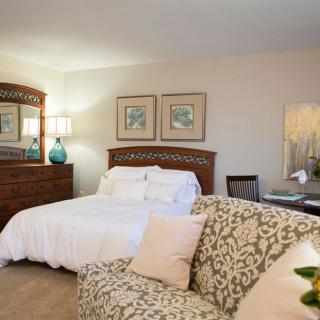
Nursing home care costs in the U.S. vary significantly based on location, level of care, and amenities, with private room prices ranging from approximately $6,700 to over $30,000 monthly. Families need to explore various payment options and conduct thorough research to manage these expenses effectively.
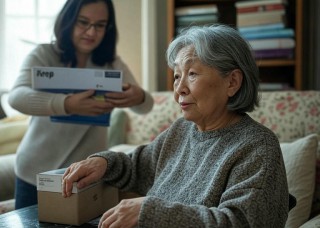
Nonmedical home care provides assistance with daily activities and companionship for individuals wishing to maintain independence and quality of life at home, without medical intervention. Its growing popularity is driven by an aging population, the need for supportive environments for recovery, and the emotional benefits of caregiver companionship, while costs vary based on service frequency and location.
Maintaining cognitive fitness through engaging in various brain games, both traditional and digital, is crucial for seniors as it enhances memory retention, problem-solving abilities, and emotional well-being while helping to protect against age-related decline. A holistic approach that includes diverse activities, physical exercise, a balanced diet, and social interaction further supports mental health and cognitive function.
Get PricingAsk A QuestionSchedule A TourContact Senior Advisor
By clicking submit, you agree to our Partner's Terms of Use. You
also consent to receive calls and texts, which may be autodialed, from our Partner. Your consent is not a condition to
using our Partner's service. Please visit our Partner's Privacy Policy for information about their privacy practices.

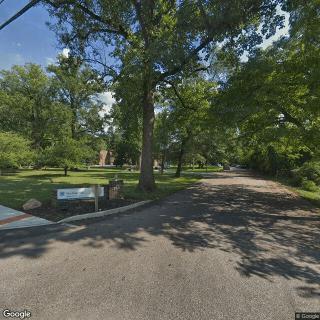

 76 resident community capacity
 Skilled Nursing Facility
 Air-conditioning
 Beauty salon
 Cable or satellite TV
 Computer center
 Devotional services on-site
 Dining room
 Fitness room
 Fully furnished
 Gaming room
 Garden
 Housekeeping services
 Kitchenette
 Move-in coordination
 Outdoor space
 Private bathrooms
 Restaurant-style dining
 Small library
 Telephone
 Wellness center
 Wi-Fi/high-speed internet available
 Philadelphia International (12 miles away)
 Community operated transportation
 12-16 hour nursing
 24-hour call system
 Activities of daily living assistance
 Assistance with bathing
 Assistance with dressing
 Assistance with transfers
 Diabetes diet
 Medication management
 Mental wellness program
 Special dietary restrictions
 Concierge services
 Planned day trips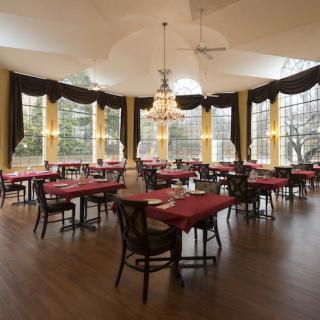
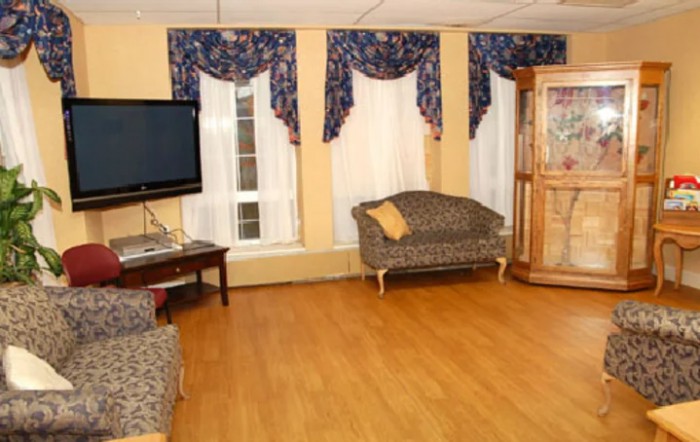
 Comprehensive amenities and services (restaurant-style dining, beauty salon, fitness, transportation, mental wellness).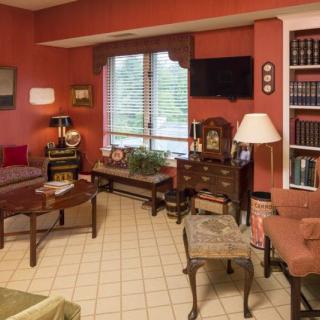
 A Detailed Examination of Nursing Home Costs Across the U.S.
 Exploring Nonmedical Home Care: Understanding Services, Costs, and Financial Approaches
 Engaging Brain Games and Innovative Apps to Keep Senior Minds Active