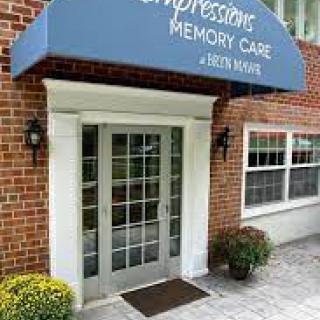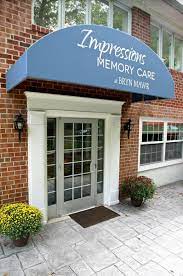
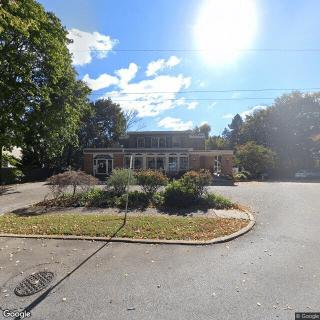
773 E. Haverford Rd, Bryn Mawr, PA 19010
To contact a resident: (610) 525-8300
For more information about senior living options: (866) 208-4318
Impressions at Bryn Mawr Costs & Pricing
At Impressions at Bryn Mawr, the monthly rates for accommodations present a compelling option when compared to regional costs. For instance, a studio apartment is available for $3,500, significantly lower than the average studio cost in Montgomery County at $4,393 and just below the statewide average of $3,737. Similarly, the semi-private room option is priced at $4,300, which remains competitive against Montgomery County's rate of $4,587 and is notably higher than Pennsylvania's average of $3,542. These figures highlight Impressions at Bryn Mawr as an attractive choice for those seeking quality living arrangements while maintaining a mindful approach to budgeting within the local market.
| Floor plans | Impressions at Bryn Mawr | Montgomery County | Pennsylvania |
|---|---|---|---|
| Studio | $3,500 | $4,393 | $3,737 |
| Semi-Private | $4,300 | $4,587 | $3,542 |
Memory care communities with a similar price nearby
-
from +$450 / mo
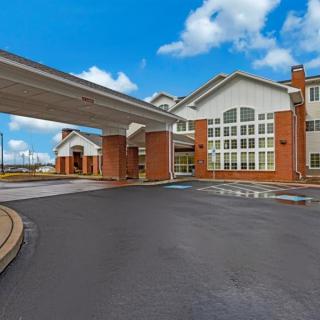
The Landing of Towamencin
$3,950 to $6,950 / month15.4 miles away -
About the same

Brandywine Senior Living at Haddonfield
$3,450 to $4,080 / month16.9 miles away -
from +$695 / mo
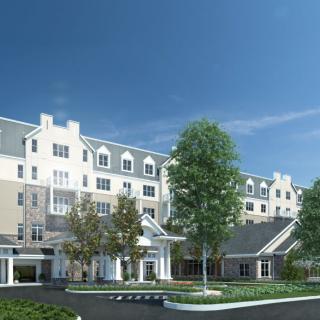
Echo Lake
$4,195 to $6,995 / month11.9 miles away -
from +$280 / mo
Arbor Terrace Exton
$3,780 to $7,560 / month18.1 miles away -
from +$280 / mo
Brightview Greentree
$3,780 to $9,675 / month21.8 miles away
Overall Review of Impressions at Bryn Mawr
Pros
 The community is small and not intimidating to families.
- The nursing staff is on point and knowledgeable about dementia.
- The nurse administrator is amazingly knowledgeable, nurturing, and approachable.
- The Memory Care caregivers are angels in disguise, sweet, kind, and gentle with residents.
- The whole staff has been wonderful.
- The facility is clean and well maintained, including the laundry.
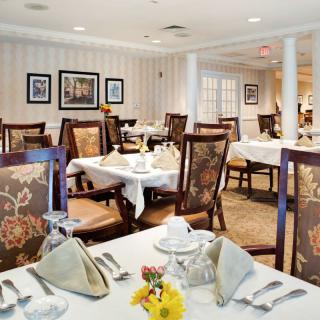
- The dining option gives residents a choice to eat in their room or in the dining room.
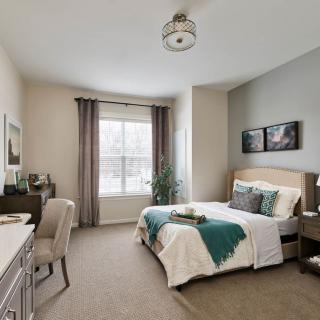
- The rooms are spacious and the staff are caring and connected to residents.
Cons
 Some of the workers are kind and compassionate, but not all.
 - The wheelchair purchased by the family is missing.
- The center is owned by an overseas company that does not treat workers well and has cut their pay.
- Staffing is hampered by management issues, though the staff do their best.
- The care is described as bare minimum.
- There is a lack of activities for younger residents.
- Outdoor time is limited because doors are not kept open for supervision.
- There have been multiple falls, including a head-first fall from a wheelchair.
- There is a wish for more intermediate activities between Assisted and Memory Care.
- There is concern about the levels of care across facilities.
Review
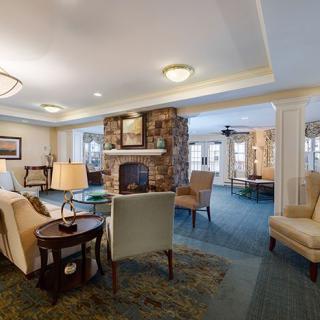
Impressions at Bryn Mawr is best suited for families seeking a small, intimate setting where a loved one can receive highly individualized attention without the bustle of a large campus. The community excels for residents who are easily overwhelmed by bigger facilities and who benefit from close-knit staff-resident relationships and steady, compassionate supervision in memory care and assisted living. It works well for seniors who want a calmer daily rhythm, predictable routines, and caregivers who know their preferences and histories well enough to tailor activities and care plans.
Those weighing options should consider alternatives if a bigger social calendar, more amenities, or a broader network of on-site specialists are priorities. A larger campus often delivers more varied programming, multiple dining venues, and a wider range of daily outings. Families seeking aggressive fall-prevention programs, expansive rehab services, or rapid access to diverse activities for younger seniors may find Impressions at Bryn Mawr less aligned with those needs. For residents who demand high-energy engagement, or who crave extensive outdoor programming on a grander scale, a different community may be a better fit.
The strongest positives here include the small, non-intimidating environment and the strength of the memory-care team. Reviews repeatedly highlight a knowledgeable, caring nursing staff adept at dementia-related needs, with certain nurses and administrators stepping in as anchors for families during transitions. The facility emphasizes cleanliness and a pleasant sensory environment, with residents noted as well cared for in a bright, hygienic setting. The dining model offers flexibility, residents can dine in the dining room or in their rooms, reflecting a responsive approach to individual appetite and mobility. Rooms are described as clean, bright, and adequately sized, contributing to a sense of comfort and dignity for residents and ease of supervision for families.
Yet, the community does carry meaningful caveats. There are persistent concerns about staff consistency and the impact of management on day-to-day operations, including reports of turnover and a sense that some shifts are lean. A few families describe safety lapses in rehabilitation areas and even a missing wheelchair, underscoring the need for vigilant oversight and reliable incident follow-up. Some feedback points to a disconnect between ownership structures and front-line staff welfare, which can color perceptions of care quality and staff morale. The activity catalog for younger or more active residents is not as robust as some families would like, and outdoor time can feel restricted by supervision patterns. Sign-in procedures, though standard, can add friction to visiting for those with mobility challenges.
These strengths and weaknesses do not exist in isolation; they interact to shape a practical, real-world care equation. The small scale and close staff connections partly offset occasional staffing gaps by enabling more responsive, one-on-one engagement when caregivers are present. When the nurse administrator is at the helm and teams are collaborative, administrative communication shines, helping families stay informed and ease transitions for new residents. Cleanliness, quiet efficiency, and a focus on resident safety contribute to peace of mind, especially for families managing dementia care. The ability to balance between memory care needs and assisted living flexibility, without forcing a one-size-fits-all approach, allows families to align care plans with a loved one’s evolving status.
For families actively comparing options, a practical next step is a targeted tour that asks pointed questions: what are the current caregiver-to-resident ratios across shifts, what is the plan for consistent staffing in memory care, how are safety incidents tracked and addressed, what specific memory- and activity-based programs exist, and how is outdoor time scheduled and supervised? Request a day-in-the-life snapshot to gauge how activities actually unfold for residents at different levels of function. Inquire about respite availability to test fit without long-term commitment. Most importantly, assess whether the community’s pace, communication style, and care philosophy align with the loved one’s personality, preferences, and care trajectory.
Bottom line: Impressions at Bryn Mawr is a strong match for families prioritizing intimate, relationship-based care, especially for residents with dementia who benefit from individualized attention and a stable, communicative team. It is less ideal for those seeking a bustling social calendar, expansive programming, or robust rehab services on a large campus. Families should come prepared to probe staffing stability, safety practices, and the scope of activity options, ensuring the chosen path aligns with a loved one’s current needs and future trajectory. In the right circumstances, the community delivers genuine peace of mind, reliable day-to-day care, and a compassionate environment that makes transitions smoother for both resident and family.
 Assisted Living
 Memory Care
 Activities on-site
 Bath tubs
 Beautician on-site
 Devotional services off-site
 Indoor common areas
 Respite or short term stays offered
 Wheelchair accessible showers
 Philadelphia International (11 miles away)
 Ambulatory care
 Diabetic care
 High acuity care
 Incontinence care
 Medication management
 Meals provided

 Understanding Medicaid Coverage for Assisted Living: A Comprehensive Guide
 How and When Medicaid May Cover Assisted Living Costs
 A Detailed Exploration of Assisted Living Medicaid Waivers Across the United States