Residents describe a resident-owned model that keeps control local.
A recurring theme is that the community is owned by residents rather than operated with a profit motive, and multiple reviewers call that a key advantage. One review also points to an upside: staff and care they felt reflected that structure. Another review expresses concern about social dynamics, citing cliques and pettiness among residents, which they link to the resident-run setup.
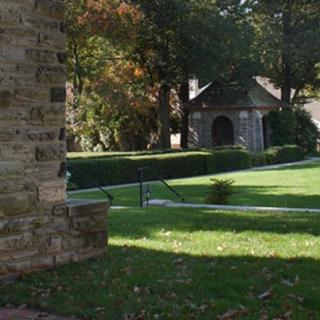
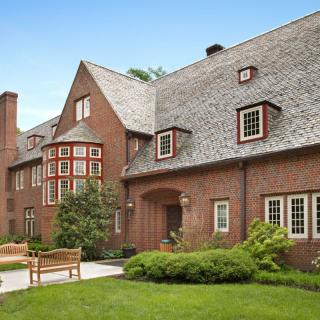
Many reviewers describe the campus as beautiful and refreshing to walk through, with emphasis on cleanliness and upkeep. Several also mention the overall facilities and management in positive terms, describing the community as safe and maintained. Even among mixed feedback, the tone still centers on the look and feel of the property, though one reviewer is strongly critical of other aspects like service and food.
common14 reviews mention this
Staff friendliness and responsiveness
Residents and family members describe staff as accommodating and helpful.
A strong theme across reviews is the experience of staff being friendly, accommodating, and attentive. Multiple reviewers mention helpful service and great people, and at least one describes staff staying engaged with families. At the same time, a separate review calls out an unkind experience at the front desk on a specific day, and another strongly criticizes attention to service—so experiences can vary by encounter.
common4 reviews mention this
Activities keep residents engaged
Residents describe a steady mix of on-site activities and events.
Reviewers mention activities as part of daily life, including on-site events that residents enjoy and opportunities to stay busy. One review highlights a concert performance presented at the community that residents and guests attended. Others also describe lots to do, and residents mention enjoying gatherings tied to common spaces and planned experiences.
common4 reviews mention this
Dining and food quality come up
Dining is discussed both positively and critically in reviews.
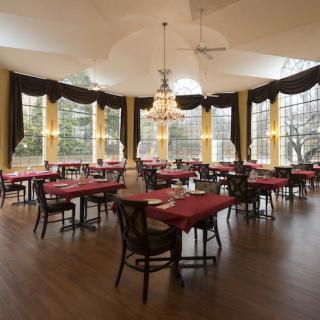
Several reviewers include food as a part of the overall experience, with one describing good food. Another review references dining spaces such as dining rooms and a bistro. A critical review contrasts that by saying the food was average and also complains about service quality, showing dining impressions are not uniform across families.
caveat2 reviews mention this
Some concerns about service and attention
A couple of reviews raise concerns about service consistency.
While many reviews praise staff, two reviews land on the negative side of the experience. One describes a not-too-friendly receptionist encounter, and another criticizes attention to service and describes food and service as below expectations. Those comments suggest that the day-to-day experience can depend on the specific staff interaction and situation.
common2 reviews mention this
Near major healthcare options
The area location places common services close by.
Reviews and the local context point to nearby healthcare and day-to-day destinations. The community is near Bryn Mawr Hospital and also close to a nearby pharmacy, which can matter for convenience when families are visiting or coordinating care.
How we summarize
Counts show how many written reviews mention each theme; a review can touch several themes, and only frequently mentioned themes are displayed.
Features
Types of Care
Assisted Living
Independent Living
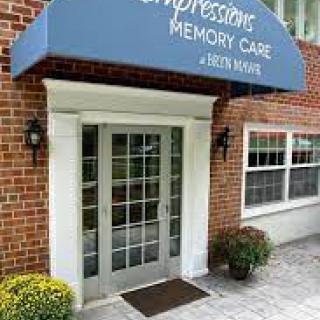
Memory Care
Skilled Nursing Facility
Amenities
Activities on-site
Devotional services off-site
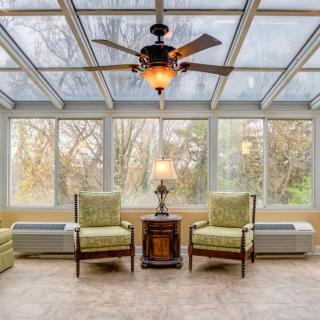
Indoor common areas
Transportation
Philadelphia International (12 miles away)
Care Services
Ambulatory care
Diabetic care
Dining
Meals provided
Activities
Activities on-site
Devotional activities offsite
Nearby Places of Interest
Pharmacies
CVS Pharmacy (1.1 miles)
CVS Pharmacy (2.1 miles)
CVS Pharmacy (2.9 miles)
CVS Pharmacy (3.2 miles)
CVS Pharmacy (3.4 miles)
GIANT Pharmacy (3.4 miles)
Rite Aid (3.6 miles)
Hospitals
Bryn Mawr Hospital (1.4 miles)
Universal Health Services (4 miles)
Lankenau Medical Center (4.5 miles)
Chestnut Hill Emergency Room (6.1 miles)
Parks
Clem MacRone Memorial Park (1.6 miles)
Fairmount Park (6.5 miles)
Ellson Glen Park (6.9 miles)
Valley Forge National Historical Park (7.1 miles)
Wilson Farm Park (7.6 miles)
Restaurants
McDonald's (2.1 miles)
Jack McShea's (2.5 miles)
McDonald's (4.6 miles)
Larry's Steaks (5.2 miles)
Pizza Hut (5.3 miles)
Yard House (5.4 miles)
True Food Kitchen (5.5 miles)
Physicians
Main Line Spine (3.3 miles)
Mid Atlantic Retina (5.1 miles)
Children's Hospital of Philadelphia - Specialty Care Center (5.9 miles)
Main Line Health King of Prussia (6.1 miles)
Mid Atlantic Retina (6.1 miles)
Dr Madonna's Family Practice (6.3 miles)
Transportation
Septa: Radnor Station (4.7 miles)
SEPTA: 101/102 Lansdowne Avenue Station (6.2 miles)
Stenton Station (7.4 miles)
Septa Wayne Junction Station (8.3 miles)
Cafes
Panera Bread (5 miles)
Starbucks (5.2 miles)
Pilgrim Roasters (5.2 miles)
Nordstrom Ebar Artisan Coffee (5.3 miles)
Starbucks (5.4 miles)
Starbucks (5.5 miles)
The Landing Kitchen (5.6 miles)
Places of Worship
St Anastasia Rectory (5.2 miles)
Theaters
AMC Plymouth Meeting Mall 12 (5.6 miles)
Regal UA King Of Prussia 4DX, IMAX & RPX (5.8 miles)
Dementia, influenced by aging and certain medications, may be exacerbated by drug classes such as anticholinergics, benzodiazepines, and antipsychotics, which are associated with cognitive impairment. Regular medication reviews by healthcare professionals are crucial for older adults to manage risks and optimize cognitive health.
Dementia often results in disrupted sleep patterns, leading to excessive daytime sleeping due to factors like brain damage affecting circadian rhythms, medication side effects, and lack of structure in daily activities. Caregivers must monitor these changes closely, as oversleeping can increase risks such as malnutrition or dehydration, and provide necessary support and routines to enhance patient engagement and well-being.
The transition from assisted living to skilled nursing care is often prompted by complex medical needs that assisted living cannot meet, with key indicators including frequent health declines, increased falls, severe memory issues, and caregiver burnout. Families should recognize these signs early to discuss options with healthcare providers and prepare for the emotional and logistical aspects of moving to a facility that offers comprehensive medical support.
Get PricingAsk A QuestionSchedule A TourContact Senior Advisor
By clicking submit, you agree to our Partner's Terms of Use. You
also consent to receive calls and texts, which may be autodialed, from our Partner. Your consent is not a condition to
using our Partner's service. Please visit our Partner's Privacy Policy for information about their privacy practices.

 Assisted Living
 Independent Living
 Memory Care
 Skilled Nursing Facility
 Activities on-site
 Devotional services off-site
 Indoor common areas
 Philadelphia International (12 miles away)
 Ambulatory care
 Diabetic care
 Meals provided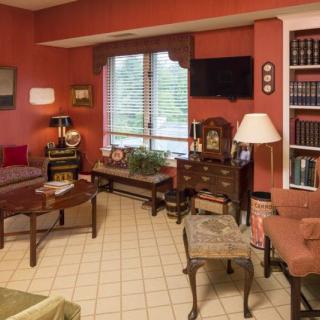
 Caring staff in a tight-knit community with excellent dining and extensive amenities.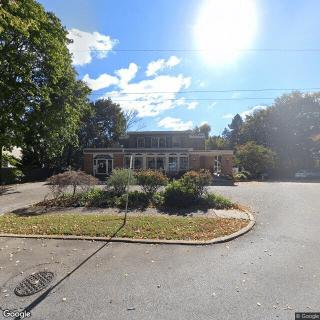
 A Thorough Discussion of Medications Potentially Linked to Dementia Risk
 Why Do Dementia Patients Sleep So Much? Understanding Oversleeping, Stages, and Care Approaches
 8 Key Indicators That Suggest It May Be Time to Transition from Assisted Living to Skilled Nursing Care