
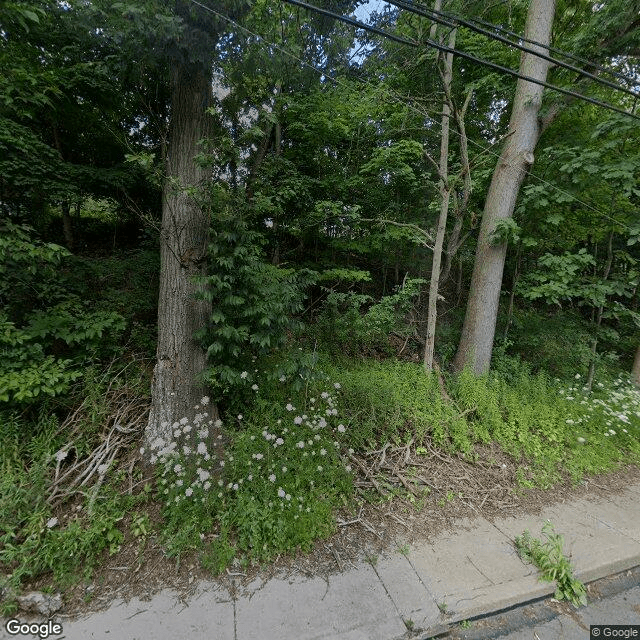
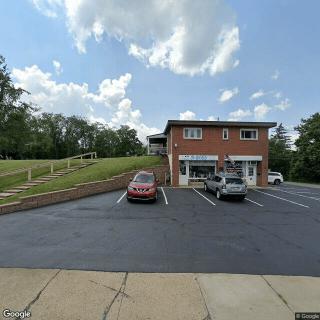
5347 Brightwood Rd, Bethel Park, PA 15102
To contact a resident: (412) 835-4101
For more information about senior living options: (866) 208-4318
Woodcliffe Manor - CLOSED Costs & Pricing
Woodcliffe Manor, now closed, presented competitive pricing for its various room types when compared to both Washington County and the broader Pennsylvania market. For a semi-private room, Woodcliffe Manor charged $2,670 per month, significantly lower than the county average of $3,185 and the state average of $3,542. The one-bedroom accommodations at Woodcliffe Manor were priced at $3,880, which was relatively aligned with the county's pricing of $3,659 and slightly more favorable than the state's average of $4,006. Meanwhile, studio apartments were offered at $3,980 - just above the county's average of $3,389 but higher than Pennsylvania's average cost of $3,737. Overall, Woodcliffe Manor provided appealing options that positioned it well within the local market landscape prior to its closure.
| Floor plans | Woodcliffe Manor - CLOSED | Washington County | Pennsylvania |
|---|---|---|---|
| Semi-Private | $2,670 | $3,185 | $3,542 |
| 1 Bedroom | $3,880 | $3,659 | $4,006 |
| Studio | $3,980 | $3,389 | $3,737 |
Memory care communities with a similar price nearby
-
from -$494 / mo
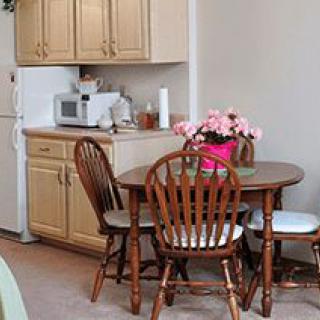
Strabane Woods Of Washington
$2,176 to $2,893 / month13.2 miles away -
from -$120 / mo

Mount Vernon Of South Park
$2,550 to $3,550 / month3.8 miles away -
from +$280 / mo

Northland Heights
$2,950 to $4,200 / month15.5 miles away -
from -$220 / mo
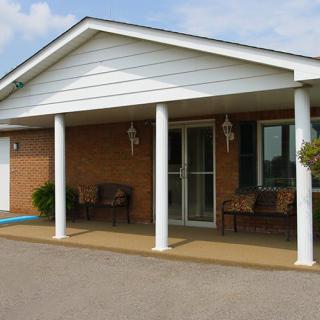
Mount Vernon of Elizabeth
$2,450 to $3,600 / month10.7 miles away -
About the same
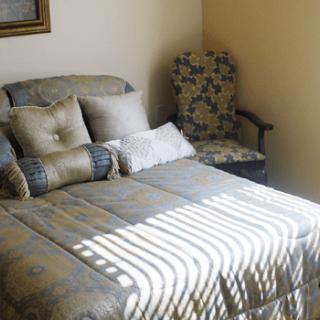
Paramount Senior Living At South Hills
$2,700 to $5,300 / month2.7 miles away
Overall Review of Woodcliffe Manor - CLOSED
Pros
 The staff are very kind and helpful.
- Chi Chi is awesome.
- They decorate birthdays and show care and patience for large groups.
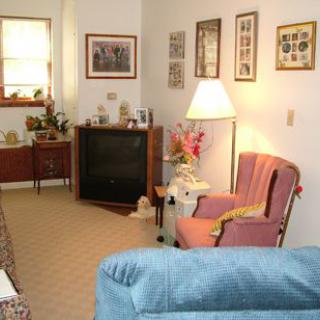
- The atmosphere has a lovely, home-like feel with potential to be amazing.
- The staff are friendly, accommodating, and attentive to residents’ needs.
- The care and companionship provided to residents is high-quality.
- Families describe the facility as an excellent choice for their loved ones due to personalized care.
Cons
 They described the resident’s condition as appalling, noting she smelled like a Port-O-Potty and the room reeked of urine, with no care for three days.
- They stated the facility is on its THIRD PROVISIONAL LICENSE and provides substandard care with uncorrected violations.
- They warned others not to admit a loved one to this home.
- They called the place horrible, like an old run-down house, cold and depressing, with little privacy and signs of possible rats.
- They noted ongoing staff turnover and confusion about care.
- They claimed the facility felt like a place to put elderly people and leave them to die, never checking on them again.
- They reported a resident expressing intent to harm herself, indicating severe neglect.
- They argued that psychiatric hospitals, social workers, discharge planners, and referral sources should not subject people to facilities known to provide substandard care.
Review
This community is best suited for families seeking memory-care in a modest, home-like setting where staff develop genuine relationships with residents. It worked well for residents with dementia who respond to steady, hands-on attention and routine that feels intimate rather than clinical. The smaller dementia unit, frequent family involvement, and a willingness to personalize celebrations were repeatedly cited as strengths. For households prioritizing care relationships over luxury or clinical rigor, Woodcliffe offered daily-life comfort and meaningful engagement. It is not the right fit for those chasing gleaming interiors, highly standardized protocols, or top-tier medical specialization.
Given the facility’s current closed status and a history of regulatory questions, serious alternatives should be pursued. Repeated references to provisional licenses and uncorrected violations raised persistent concerns about long-term safety and oversight. Families needing dependable, transparent governance will want options with stable licensure and clearer regulatory histories. The closure adds a layer of uncertainty about continuity of care and transition planning for residents who may need relocation. In short, the history signals substantial risk, making other memory-care or assisted-living options with durable licensing a prudent first choice.
On the positive side, staff warmth and dedication stood out in many reviews. Caregivers were described as kind, patient, and attentive, capable of forming strong bonds with residents and families. Memory-care programming and daily activities could be meaningful, with residents staying engaged through outings and structured routines. A home-like atmosphere and smaller settings helped families feel connected to care. When management was responsive, the environment could become cohesive and supportive during tough transitions. These strengths illustrate what solid staffing and stable teamwork can achieve in dementia care when operations are well aligned.
Counterbalancing those strengths were deep, recurrent concerns about governance and safety. The protracted provisional-license status suggested ongoing regulatory deficiencies and enforcement risk. Several accounts recounted care lapses, odors in rooms, periods without attention, and even alarming moments of self-harm ideation under poor supervision. Staff turnover and fluctuating meal quality contributed to a sense of instability. Critics described an older, less private, and sometimes cold environment that could obscure neglect if staffing pressures rose. Taken together, these issues present a significant caveat for anyone evaluating long-term placement, especially for residents with high care needs.
The care versus risk calculus favors caution. The tangible benefits, caring staff, personal attention, and engaging activities, could offset daily frustrations in the short term, but not when regulatory compliance and safety are in question. When a residence demonstrates ongoing licensure instability and documented safety concerns, sentimental warmth is not a substitute for reliable oversight, consistent medical supervision, and verifiable quality assurance. Woodcliffe’s positives are real and meaningful, yet they do not negate the likelihood of systemic problems that threaten sustained well-being. That combination argues strongly against relying on this community as a long-term solution.
For decision-making, prioritize facilities with stable licensure, transparent inspections, and proven quality-of-care continuity. If memory care is the goal, seek communities that demonstrate consistent staffing, formal care plans, and solid safety records rather than ambiance alone. Ask pointed, practical questions: what is the current licensure status, how many months has the facility operated under provisional licenses, what corrective actions were taken, what are current staff-to-resident ratios, and how does turnover affect care? With Woodcliffe Manor closed, look nearby for options with demonstrated continuity and regulatory stability. If that assurance cannot be established, keep exploring broader possibilities and plan for smooth transitions to protect the resident’s well-being.
 Assisted Living
 Memory Care
 Cats allowed
 Dogs allowed
 Activities on-site
 Bath tubs
 Beautician on-site
 Devotional services off-site
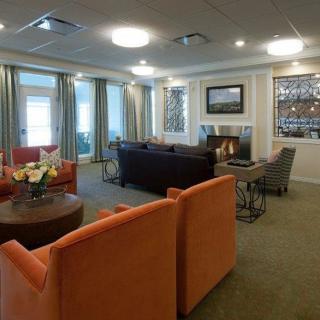
 Indoor common areas
 Respite or short term stays offered
 Wheelchair accessible showers
 Pittsburgh International (16 miles away)
 Ambulatory care
 Diabetic care
 High acuity care
 Meals provided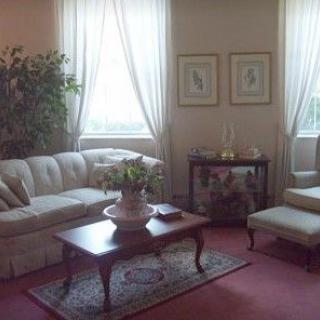


 Why Do Dementia Patients Sleep So Much? Understanding Oversleeping, Stages, and Care Approaches
 8 Key Indicators That Suggest It May Be Time to Transition from Assisted Living to Skilled Nursing Care
 Nourishing the Mind: Essential Dietary Approaches for Dementia