
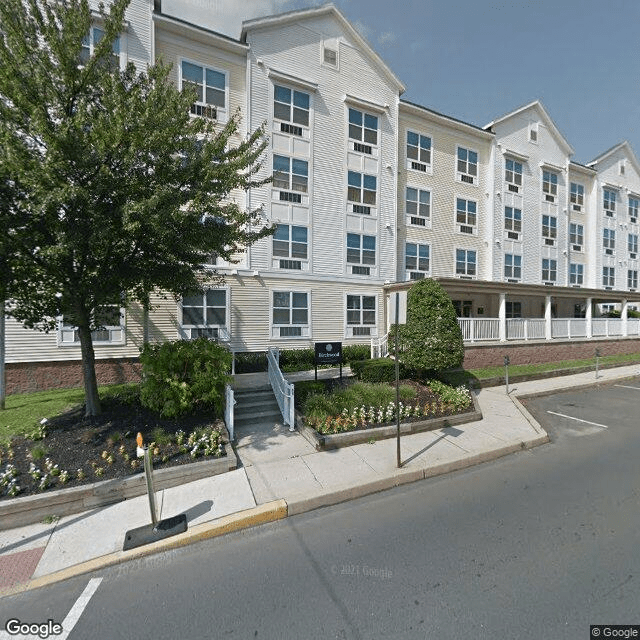
48 N Main St, Ambler, PA 19002
To contact a resident: (215) 540-9633
For more information about senior living options: (866) 208-4318
Ambler Manor Costs & Pricing
Ambler Manor offers exceptionally competitive pricing for its accommodations when compared to the broader market in Montgomery County and Pennsylvania as a whole. For instance, a one-bedroom unit at Ambler Manor is priced at just $500 per month, significantly lower than the county average of $4,619 and state average of $4,006. Similarly, two-bedroom apartments start at $570 per month, again standing in stark contrast to local and state averages of $4,962 and $4,242, respectively. Even the semi-private option at Ambler Manor is priced at $1,700 monthly, compared to much higher figures of $4,587 in Montgomery County and $3,542 statewide. These cost advantages clearly position Ambler Manor as an attractive choice for individuals seeking quality housing solutions without breaking the bank.
| Floor plans | Ambler Manor | Montgomery County | Pennsylvania |
|---|---|---|---|
| 1 Bedroom | $500 | $4,619 | $4,006 |
| 2 Bedrooms | $570 | $4,962 | $4,242 |
| Semi-Private | $1,700 | $4,587 | $3,542 |
Senior living communities with a similar price nearby
-
from +$49 / mo
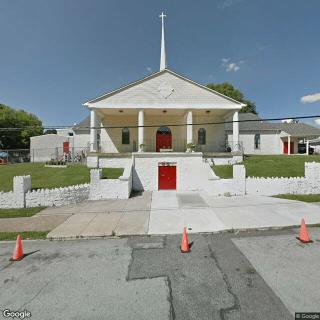
Pentecostal Square
$549 to $624 / month22.9 miles away -
About the same
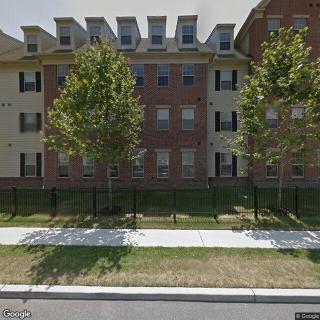
Antioch Manor
$510 / month17.1 miles away -
from +$79 / mo
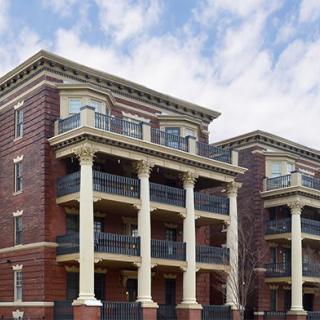
Vernon House
$579 / month12.0 miles away -
from +$75 / mo
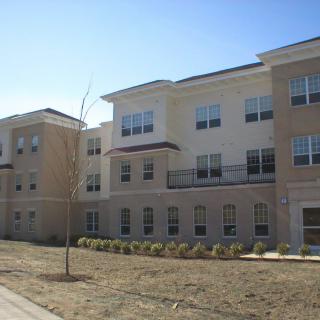
Faison Mews
$575 / month16.6 miles away -
from +$59 / mo
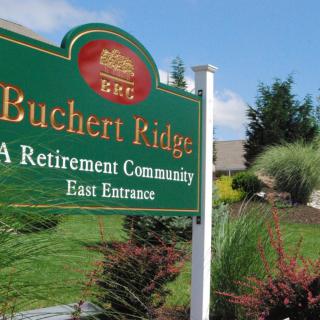
Buchert Ridge Community
$559 to $776 / month20.7 miles away
Overall Review of Ambler Manor
Pros
 The community is totally independent, with neighbors looking out for one another.
- The reviewer could enter without being questioned, indicating a smooth entry experience.
Cons
 It is not the best option for her.
- There was no one at the location when she arrived for her scheduled appointment.
Review
Ambler Manor is best suited for seniors who prize independence and a genuine, neighbor-led atmosphere in a small, walkable community. It functions as an independent living option where residents look out for one another, rather than a facility that provides structured care or daily assistance. For someone who wants to stay in control of their routines, manage their own meds, meals, and errands, and enjoy informal social connections, this setting can feel welcoming. It is not the right fit for those who require regular care, medication management, or routine staff supervision.
Those considering alternatives should note who may be left wanting more. Families prioritizing a formal care plan, predictable staffing, and robust safety measures will likely want to explore other communities with on-site caregivers, scheduled programming, transportation, and meal services. The experience described, a scheduled appointment with no staff present at the location and conversations happening with residents rather than employees, signals inconsistent staffing and limited oversight. For anyone with mobility challenges, memory concerns, or a need for emergency responsiveness, Ambler Manor may fall short of expectations and practical requirements.
The strongest pro is the clearly independent, community-centered ethos. Neighbors looking out for one another can deliver genuine social support, practical help, and last‑mile safety that doesn’t feel institutional. This can soften loneliness and reduce the burden on family members who want a local, low‑key environment. However, the main drawback is a lack of dependable front-desk presence and formal procedures. The ease with which a visitor could enter without clear questioning points to gaps in oversight that many families will deem unacceptable for ongoing peace of mind.
Those pros only partially offset the cons for most potential residents. For individuals who are self-reliant and highly social, the informal network can provide meaningful daily interaction and a sense of belonging without the rigidity of a formal program. Yet when health or daily living needs arise, the absence of consistent staff availability and structured safety nets becomes a real risk. Families must weigh the comfort of a close-knit, low-structure environment against the potential for delayed assistance, ambiguous accountability, and inconsistent responses during emergencies or health changes.
Practical steps to evaluate Ambler Manor include confirming the actual level of independence offered and whether any on-site care can be arranged if needs shift. Prospective residents should ask about staff hours, visitor policies, security controls, and the existence of an emergency response protocol. It’s wise to visit at different times to observe staff presence, speak with multiple residents about day-to-day routines, and request documentation on transportation, meals, and maintenance services. Clarify what happens if a resident requires help with activities of daily living and how quickly neighbors or staff can respond in a pinch.
Bottom line: Ambler Manor serves a niche audience, independent-minded seniors who value a tight-knit, neighbor-led ecosystem over formal care structures. It can be an attractive choice for those content with autonomy, informal social interactions, and a sense of communal safety provided by peers. It is not the right option for anyone needing daily assistance, consistent professional oversight, or rigorous safety protocols. Families should confront this reality head-on: the social advantages are meaningful, but the gaps in staffing and emergency responsiveness require careful scrutiny and clear expectations. When care needs are likely to evolve, consider alternatives that pair independent living with stronger staffing, clearer accountability, and guaranteed access to care as required.
 Active Adult Communities (55+)
 Activities on-site
 Devotional services on-site
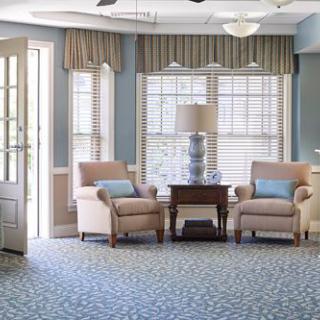
 Indoor common areas
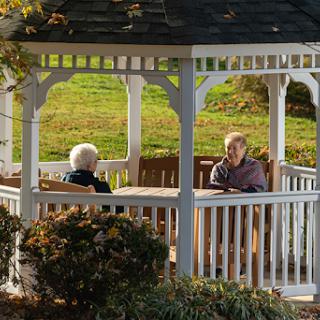
 Outdoor common areas
 Philadelphia International (20 miles away)


 Understanding the Full Cost of 24/7 In-Home Care: A Detailed Overview
 Exploring the World of Home Health Nurses: Qualifications, Roles, and Hiring Tips
 Navigating Medicare Coverage for In-Home Care Services