Silver Stream Center offers competitive pricing for its services, particularly when compared to the broader market in Montgomery County and across Pennsylvania. For semi-private rooms, residents can expect to pay $6,780 per month, which is notably higher than the county average of $4,587 and reflects the center's commitment to providing superior care and amenities. The private room option at Silver Stream Center is priced at $7,260 monthly, again above the county average of $6,016 but still less than the overall state average of $4,890. This pricing structure indicates that while Silver Stream Center is positioned at a premium within its local and state context, it aims to deliver enhanced value through quality services and a supportive environment for its residents.
Floor plans
Silver Stream Center
Montgomery County
Pennsylvania
Semi-Private
$6,780
$4,587
$3,542
Private
$7,260
$6,016
$4,890
Skilled Nursing Facilities with a similar price nearby
Residents and families repeatedly describe staff who are kind, caring, and responsive.
A consistent theme across the reviews is how residents are treated by the staff. Many describe nurses and aides as caring and helpful, and others note that staff take time to address concerns and provide encouragement. Several reviewers also mention good communication and follow-up, including checking in after therapy or calling to share updates. A few negative reviews raise the opposite concern—call bells ignored for hours or rude interactions—so experiences can vary by department or shift.
common
Facility cleanliness stands out
Multiple reviewers highlight a consistently clean, well-kept environment.
Cleanliness comes up often, with reviewers describing the building as very clean, neat, and well kept. Some mention that there is no strong urine odor compared with what they expected from other facilities. Even among more critical reviews, a handful reference cleanliness and maintenance needs, suggesting the overall upkeep is not experienced the same way by everyone. At a minimum, the more positive accounts suggest hygiene and appearance are a frequent strength.
caveat
Food quality is mixed
Dining quality is a frequent point of agreement, but not always in a good way.
Many residents and families say the food looks, smells, and tastes good, with some calling it delicious or improving over time. Others report the opposite, including food being bland or repetitive and meals not being delivered as expected. A few reviewers also describe limitations around diet preferences or inconsistent service timing. Overall, dining seems to be one of the areas where experiences diverge.
differentiator
Rehab progress and therapy support
Rehabilitation progress and supportive therapy are repeatedly credited by families.
A strong theme in the reviews is the role therapy plays in recovery. Several families describe residents improving their mobility after hospitalization or surgery, including getting stronger and walking again. Reviewers also mention therapists and specific therapy staff offering encouragement, working on individualized needs, and even providing weekend therapy. Not every reviewer is satisfied with rehab consistency—some critical notes say therapy was not consistent—but the majority of accounts point to meaningful support during recovery.
How we summarize
We summarize when many written reviews mention each theme; a review can touch several themes, and only frequently mentioned themes are displayed.
Features
Types of Care
Skilled Nursing Facility
Amenities
Private
Transportation
Philadelphia International (21 miles away)
Trenton-Mercer County (23 miles away)
Nearby Places of Interest
This section of Spring House, Pennsylvania offers a variety of amenities and services that may be appealing to seniors looking for a comfortable and convenient living environment. With multiple CVS pharmacies nearby, accessing medications and healthcare supplies is easily accessible. There are also several reputable physicians and hospitals within a short driving distance, providing quality medical care. For leisure activities, there are theaters, cafes, restaurants, and parks in the area for entertainment and relaxation. Additionally, there are places of worship for spiritual fulfillment. The proximity to public transportation options such as train stations can make it easier for seniors to get around without the need for a car. Overall, this part of Spring House offers a well-rounded community with essential services and recreational opportunities that cater to the needs of seniors looking to maintain an active and fulfilling lifestyle.
Silver Stream Center offers competitive pricing for its services, particularly when compared to the broader market in Montgomery County and across Pennsylvania. For semi-private rooms, residents can expect to pay $6,780 per month, which is notably higher than the county average of $4,587 and reflects the center's commitment to providing superior care and amenities. The private room option at Silver Stream Center is priced at $7,260 monthly, again above the county average of $6,016 but still less than the overall state average of $4,890. This pricing structure indicates that while Silver Stream Center is positioned at a premium within its local and state context, it aims to deliver enhanced value through quality services and a supportive environment for its residents.
Anticipatory grief is an emotional response to the impending loss of a loved one, characterized by complex emotions such as sadness and anger, and involves navigating stages similar to those identified by Kübler-Ross. Coping strategies are vital for managing this process, emphasizing compassionate communication, self-care, and support groups while recognizing the cultural influences on grieving.
Adult day care programs offer essential support and activities for older adults, yet many hesitate to participate due to concerns about independence and stigma. To alleviate these apprehensions, families should facilitate open discussions, explore financial resources, suggest trial visits, and collaborate with healthcare providers to highlight the benefits of such services for both the participants and their caregivers.
Living wills and advance directives are crucial legal documents that outline an individual's healthcare preferences when they cannot make decisions themselves, enhancing patient autonomy and alleviating family stress during medical crises. The article emphasizes the need for these documents to be personalized, legally valid, and regularly updated, while also encouraging communication about end-of-life wishes among family members and healthcare providers.
Get PricingAsk A QuestionSchedule A TourContact Senior Advisor
By clicking submit, you agree to our Partner's Terms of Use. You
also consent to receive calls and texts, which may be autodialed, from our Partner. Your consent is not a condition to
using our Partner's service. Please visit our Partner's Privacy Policy for information about their privacy practices.



 Skilled Nursing Facility
 Private
 Philadelphia International (21 miles away)
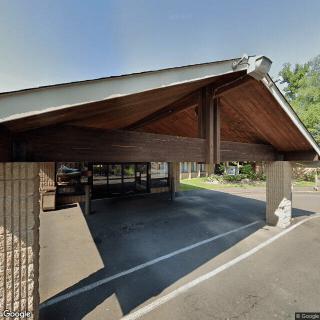
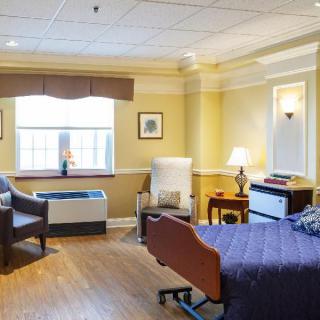
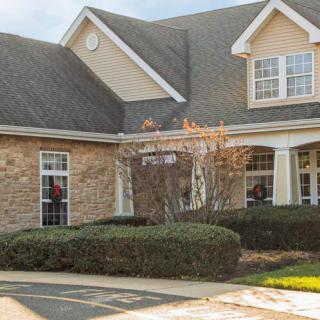
 Luxurious accommodations with comprehensive care and on-site amenities.




 Recognizing the Journey: Understanding and Navigating Anticipatory Grief
 Encouraging Participation in Adult Day Care: A Guide to Supporting a Hesitant Parent
 Comprehensive Exploration of Living Wills and Other Advance Directives