Residents and families repeatedly describe staff as caring and responsive.
Across both rehab and longer stays, many reviewers point to staff warmth, patience, and day-to-day help. Several families describe aides and nurses as communicative and attentive, including encouragement around meals and therapy participation. Some reviews also mention cases where response and communication fell short, but the overall tone in the majority of comments is that staff are trying to help.
common10 reviews mention this
Care engagement through therapy
Therapy-focused care is a recurring reason people feel better.
Multiple families describe physical therapy and nursing support as helping loved ones regain strength, movement, or mobility after hospital stays, including short-term rehab transitions. Reviewers also mention specialized rehab experiences tied to specific needs, such as dementia support and recovery following injuries. A smaller set of reviews raises concerns about limited therapy time, inconsistent follow-through, or safety issues, which makes engagement vary by experience.
common9 reviews mention this
Food quality and special diets
Dining quality and meal support show up often in reviews.
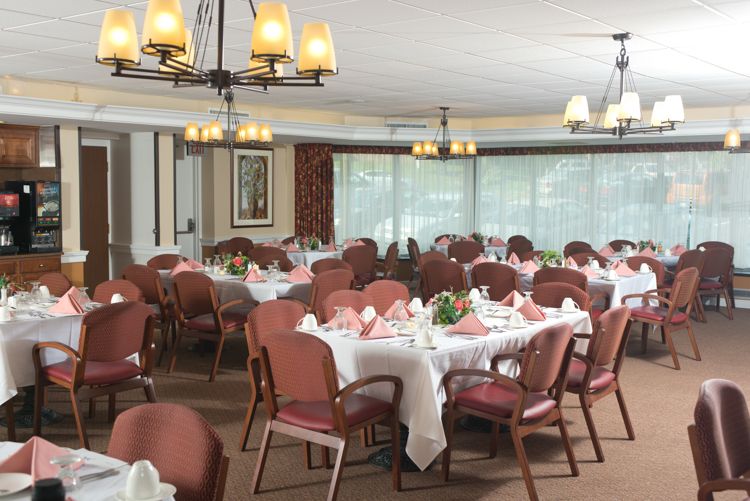
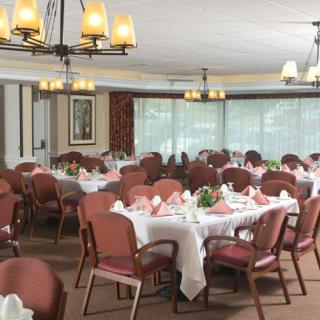
Food is a frequent point of praise, with reviewers describing meals as enjoyable and helpful for appetite, including families noting their loved ones ate and felt supported at mealtimes. Several comments also reference accommodating diet needs and having options beyond a basic menu. There are a few negative notes about meal issues like cold food or portion size, but the majority of dining mentions are positive.
common7 reviews mention this
Clean, well-kept spaces
Cleanliness and upkeep are commonly mentioned by visitors and residents.
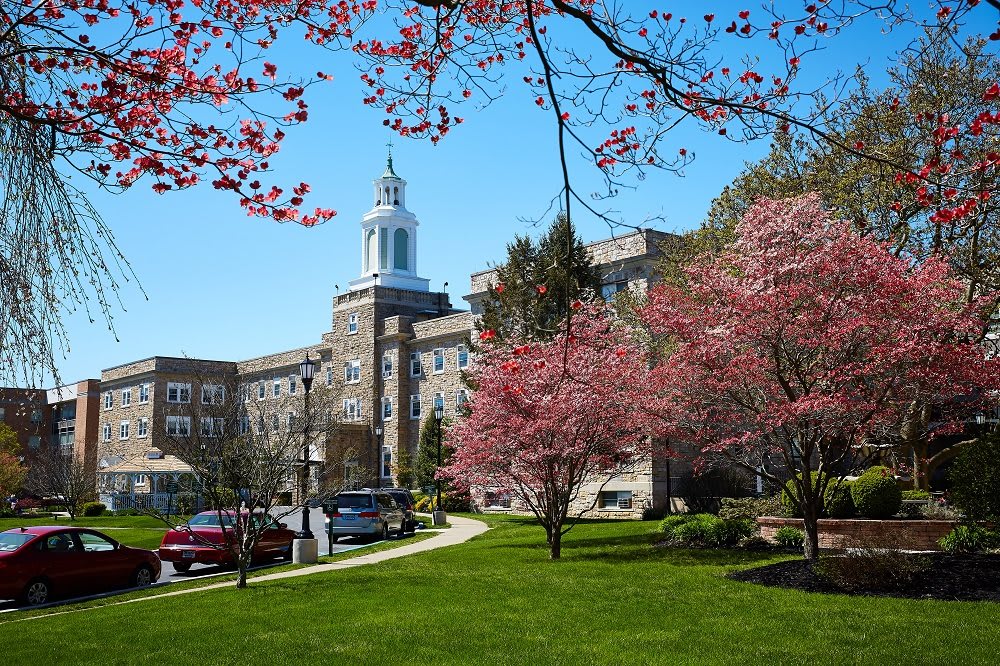
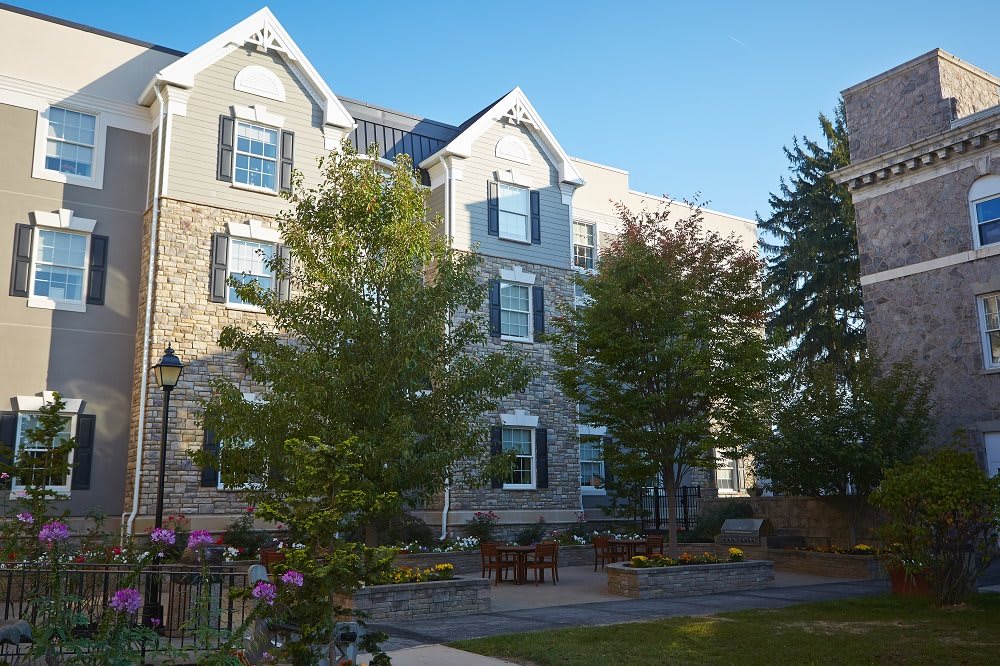
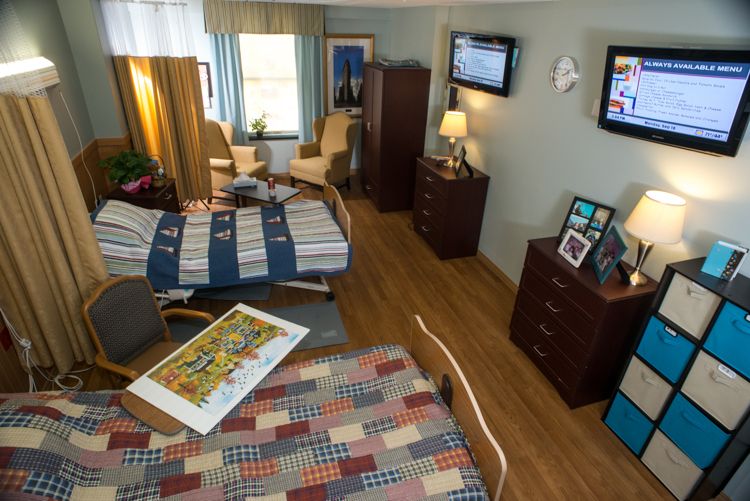
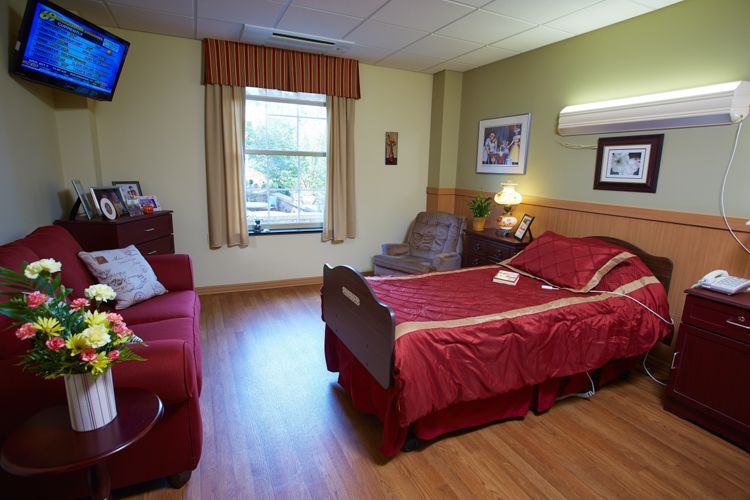
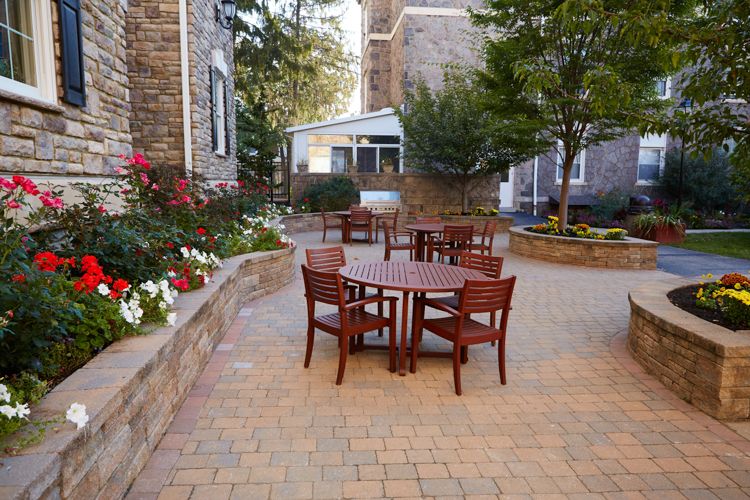
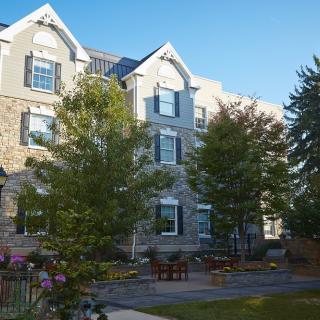
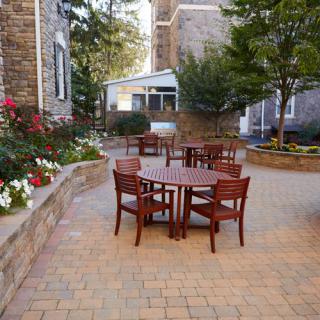
Many reviewers describe the facility as clean, including rooms and common areas, and they often tie that to feeling comfortable during a difficult stay. Some comments also mention maintained outdoor areas and pleasant surroundings for visiting and walking. A few reviews contrast that by describing unsanitary conditions or cleanliness problems, which suggests experiences can differ.
common8 reviews mention this
Activities keep days structured
Planned activities and outings are frequently cited in reviews.
Reviewers commonly mention that the community offers scheduled activities, resident engagement, and outings like day trips, which helped families feel their loved ones had something to do. Some comments also describe resident-run activities and day-to-day stimulation as part of care. A few reviews criticize the way care is scheduled or how residents are pushed into routines, so activity experiences may vary by unit and staff interaction.
caveat10 reviews mention this
Staffing and safety concerns recur
Some reviews describe delays, falls, and medication or care-safety problems.
Several critical reviews describe slow responses to call buttons, residents left unattended, and problems with communication during medical needs. Other negative comments focus on falls, bed sores or pressure injuries, and medication management problems, including concerns raised by families. Even within largely positive feedback, these safety-and-staffing complaints come up often enough to be a clear caveat to consider before choosing a unit.
How we summarize
Counts show how many written reviews mention each theme; a review can touch several themes, and only frequently mentioned themes are displayed.
Features
Housing
60 resident community capacity
1-bedroom apartments
2-bedroom apartments
Studio apartments
Types of Care
Assisted Living
Continuing Care Retirement Community (CCRC)
Independent Living
Memory Care
Skilled Nursing Facility
Amenities
Air-conditioning
Beautician on-site
Beauty salon
Cable or satellite TV
Computer center
Dining room
Fitness room
Full kitchen
Fully furnished
Gaming room
Garden
Housekeeping services
Indoor common areas
Kitchenette
Laundry
Move-in coordination
Outdoor common areas
Outdoor space
Private bathrooms
Respite or short term stays offered
Restaurant-style dining
Small library
Telephone
Wellness center
Wi-Fi/high-speed internet available
Transportation
Lehigh Valley International (5 miles away)
Community operated transportation
Transportation & parking
Transportation arrangement
Transportation arrangement (non-medical)
Care Services
24-hour call system
24-hour supervision
Activities of daily living assistance
Assistance with bathing
Assistance with dressing
Assistance with transfers
Diabetes diet
High acuity care
Meal preparation and service
Medication management
Physical therapy
Special dietary restrictions
Dining
Diabetes diet
Low / no sodium
Meals provided
No Sugar
Special dietary restrictions
Activities
Activities off-site
Community-sponsored activities
Concierge services
Fitness programs
Planned day trips
Resident-run activities
Scheduled daily activities
Languages Spoken
English
Nearby Places of Interest
This part of Allentown, Pennsylvania offers a variety of amenities that may appeal to seniors looking for a comfortable and convenient location to live. There are several restaurants nearby, such as Hamilton Family Restaurant and Cali Burrito, providing easy access to dining options. Close proximity to pharmacies like Walter's Pharmacy and healthcare facilities including Lehigh Valley Hospital and ABC Pediatrics ensures access to medical care. Places of worship like Christ Lutheran Church and City Limits Assembly of God cater to spiritual needs. Parks like Cedar Creek Park offer opportunities for outdoor recreation, while cafes such as Starbucks and Panera Bread provide spaces for socializing and enjoying coffee. Overall, this area provides a mix of services that can support a comfortable and fulfilling lifestyle for seniors.
Restaurants
Hamilton Family Restaurant (0.3 miles)
Ritz Barbecue (0.3 miles)
Yocco's Hot Dog King (0.4 miles)
Cali Burrito (0.4 miles)
Union and Finch (0.7 miles)
Lily Sushi Grill & Seafood Bar (1.3 miles)
Chipotle Mexican Grill (1.5 miles)
Physicians
Howard J Kushnick (0.3 miles)
Lehigh Valley Hosp-Radiology (0.3 miles)
Lehigh Ob-Gyn (0.3 miles)
Smita V. Deshpande, MD (0.4 miles)
ABC Pediatrics (0.4 miles)
Dr. Binae Karpo Optometry (1.1 miles)
Allen Town Ear Nose & Throat (1.2 miles)
Hospitals
Lehigh Valley Hospital (0.3 miles)
St Luke's Radiology/X-Ray-Allentown Campus (0.4 miles)
Diagnostic Care Center (0.4 miles)
St Luke's Hospital (0.4 miles)
Singh Sandeep MD - Good Shepherd Rehab Hospital (1.9 miles)
Lehigh Valley Hospital - Mother/Baby Unit (2.6 miles)
Phoebe Allentown's memory care services are designed to significantly enhance the quality of life for residents with dementia or Alzheimer's disease through a comprehensive approach that addresses their unique needs. Assistance with dressing and bathing supports residents in maintaining personal hygiene and comfort, while meal preparation and service ensure they receive nutritious meals tailored to their preferences and dietary requirements. Medication management is crucial for maintaining health stability, as it helps ensure timely and accurate dosing, reducing the risk of confusion or adverse interactions. Support with activities of daily living fosters independence, enabling residents to engage in routine tasks despite cognitive challenges. Assistance with transfers promotes mobility and minimizes the risk of injury, contributing to overall safety. With 24-hour supervision, residents benefit from constant monitoring and a sense of security, which is vital for those navigating cognitive decline. Additionally, physical therapy can provide tailored exercises that improve mobility and strength while enhancing cognitive function, further supporting residents' overall well-being in their memory care journey.
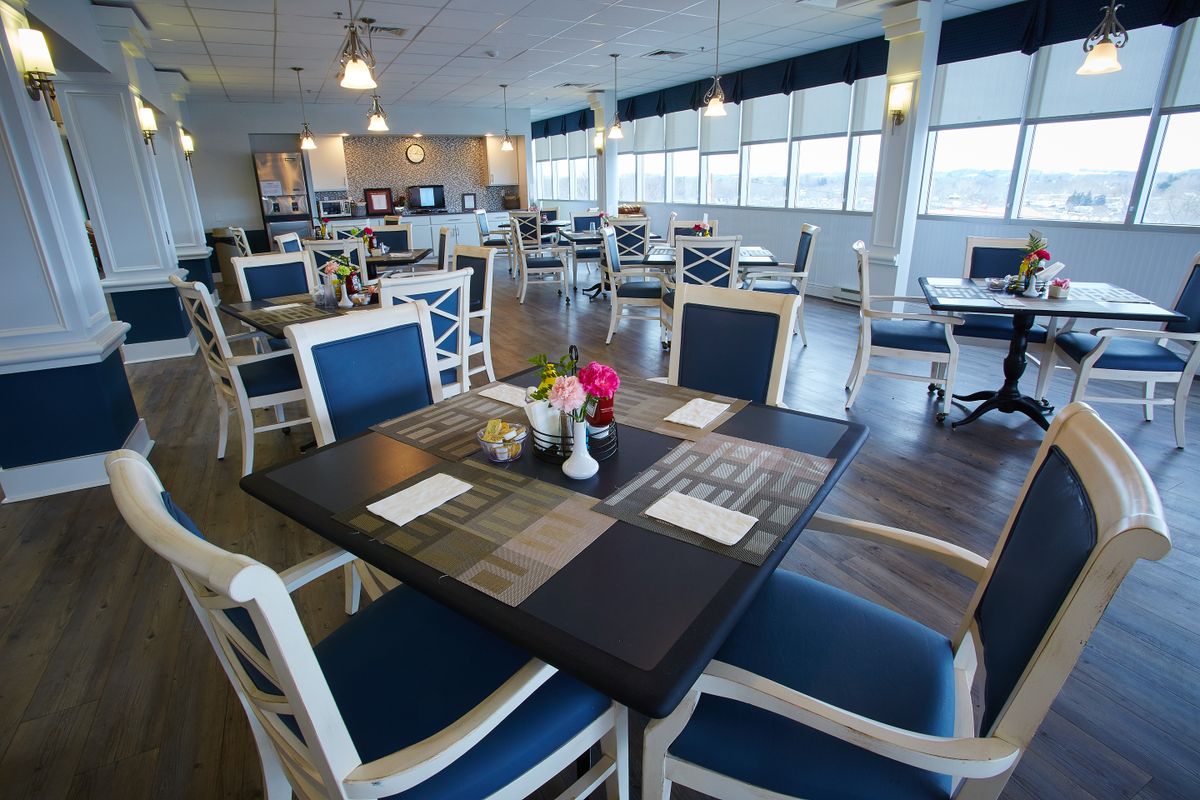
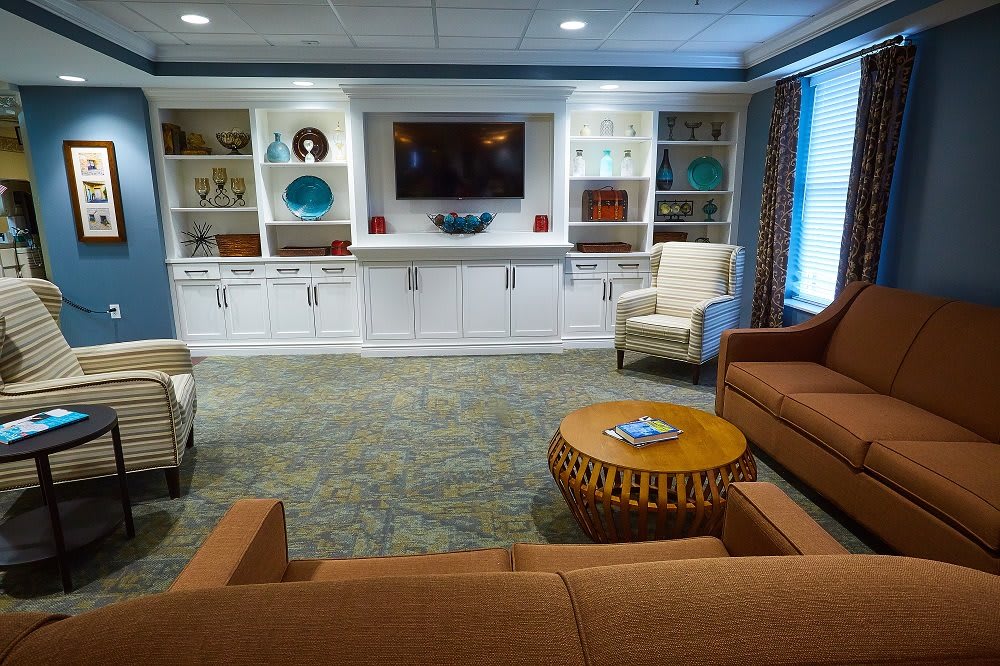
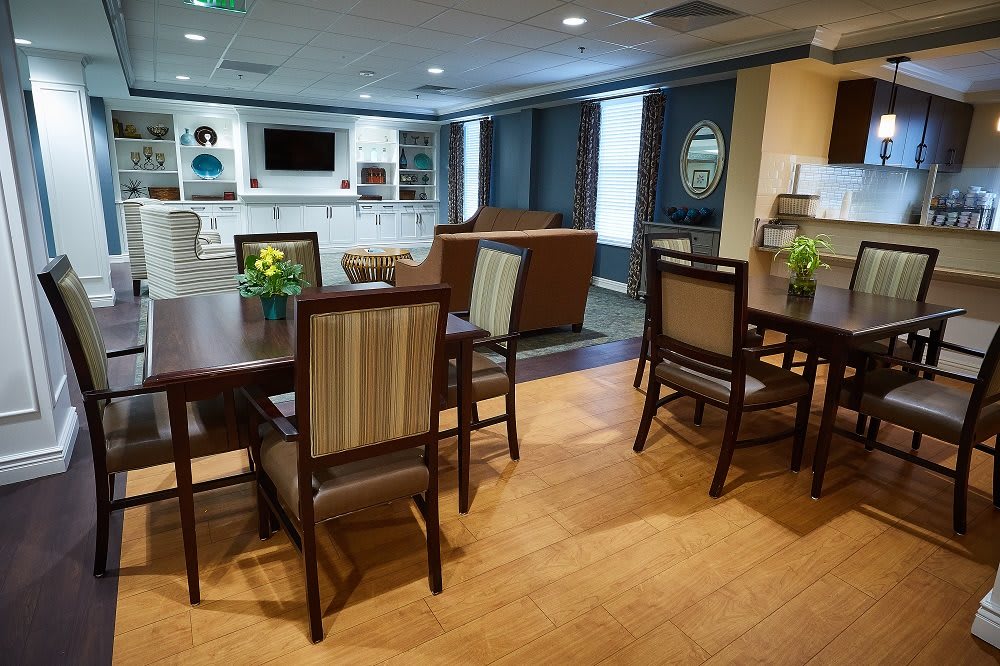
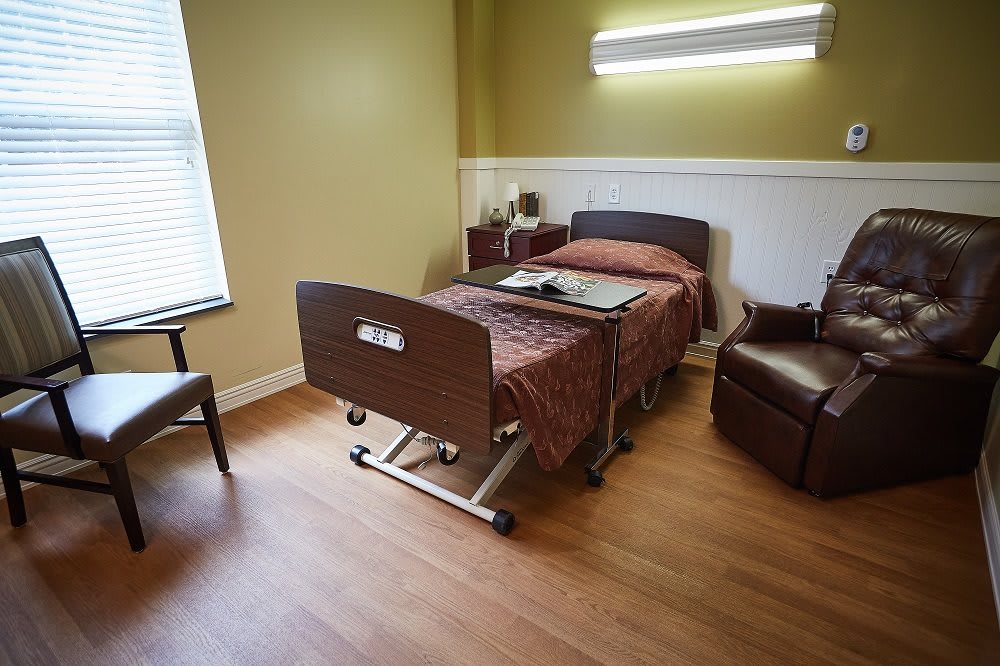
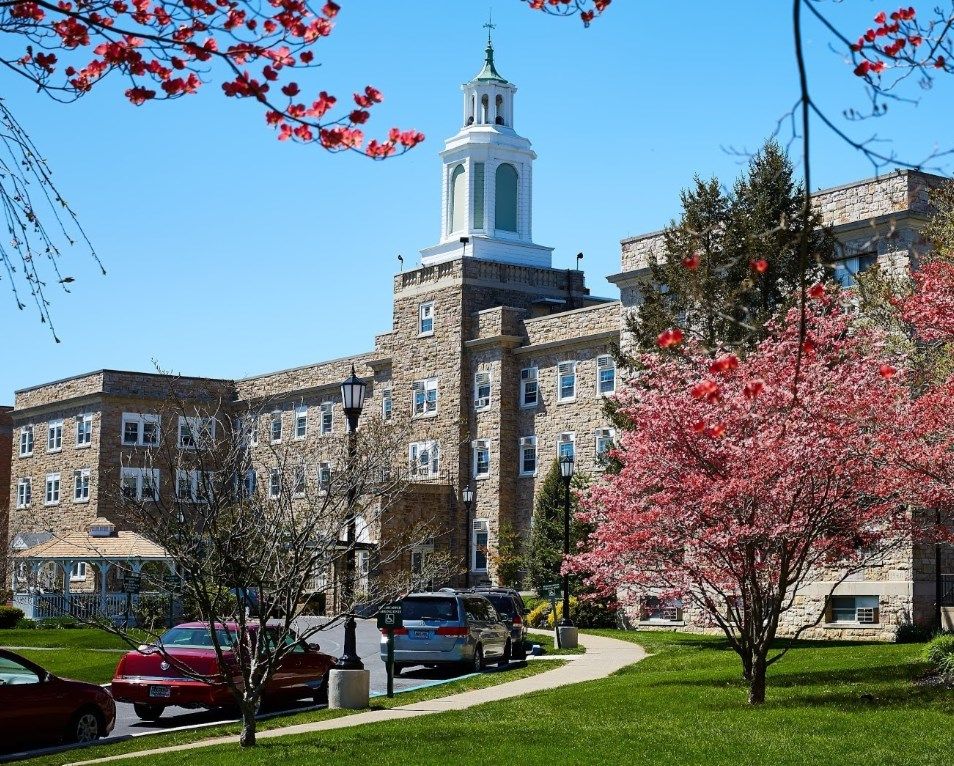
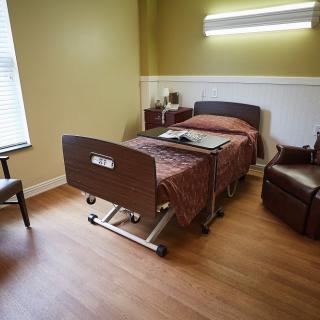
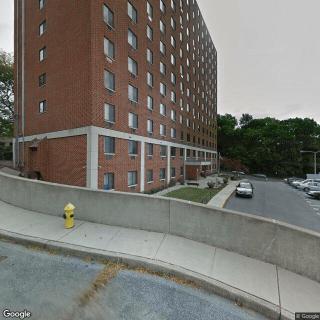
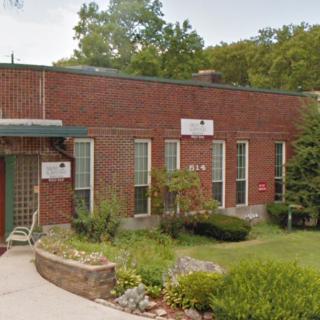
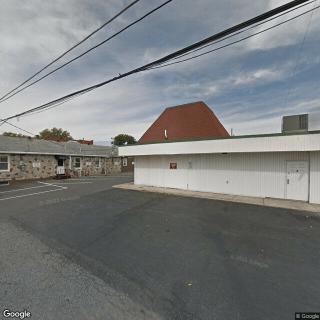
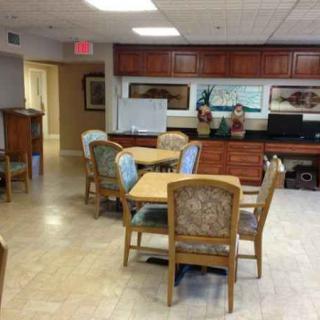
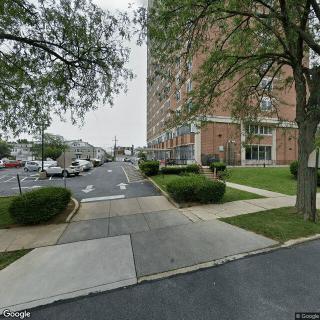
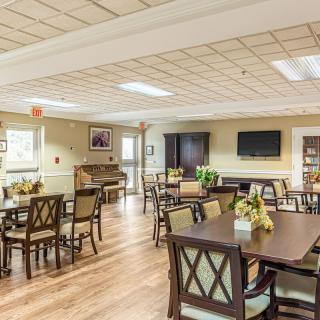
Phoebe Allentown on seniors.fyi includes 14 photos including images showing interior, dining, landscaping, decor, television, living room, building, trees, and more.
Nearby Communities
Miller Personal Care at 19th & Chew
Allentown, PA
4.1 from 124 reviews
$4,453 to $5,246 / month
Beautiful, clean facility with caring staff and strong rehab services.
The Terrace at Phoebe Allentown
Allentown, PA
4.8 from 5 reviews
$2,318 to $3,193 / month
Clean facility with engaging activities and attentive staff.
Towne House Apartments
Allentown, PA
4.2 from 16 reviews
Vibrant neighborhood with extensive nearby amenities and healthcare options.
Above & Beyond Inc.
Allentown, PA
3.3 from 27 reviews
$1,495 to $2,500 / month
Positive meals and a caring, home-like environment.
Comfort Keepers of Allentown
Allentown, PA
4.6 from 5 reviews
Welcoming community with strong access to nearby amenities and healthcare.
Above & Beyond
Allentown, PA
2.8 from 12 reviews
24/7 supervision with ADL support and medication management, plus tailored dining and mental wellness services.
Episcopal House
Allentown, PA
3.5 from 31 reviews
Opportunity for improved management responsiveness and proactive maintenance.
Casa Guadalupe Center
Allentown, PA
4.3 from 108 reviews
Great access to healthcare, dining, and transportation.
Rittenhouse Village at Lehigh Valley
Allentown, PA
4.3 from 110 reviews
$3,500 to $5,900 / month
Compassionate staff who engage residents; clean, comfortable rooms; varied activities and dining.
The article emphasizes the significance of establishing a power of attorney for elderly parents to enable an agent to make decisions on their behalf regarding health and finances, especially during cognitive or physical decline. It outlines various types of power of attorney, the importance of consulting legal professionals, and the responsibilities and challenges faced by agents, while also discussing alternatives and common misconceptions.
Caregiver support groups are crucial for providing emotional and practical assistance to those caring for loved ones, offering resources, coping strategies, and a sense of community through various organizations and platforms. These groups help alleviate isolation and burnout while addressing the unique challenges faced by caregivers of individuals with specific conditions.
The guide outlines the complexities of Medicaid coverage for assisted living, highlighting significant state-to-state variations, limited coverage often restricted to personal care services, and the existence of specialized waivers for certain needs like memory care. It advises families to consult local Medicaid offices for options while emphasizing the importance of understanding state-specific regulations and facility policies.
Get PricingAsk A QuestionSchedule A TourContact Senior Advisor
By clicking submit, you agree to our Partner's Terms of Use. You
also consent to receive calls and texts, which may be autodialed, from our Partner. Your consent is not a condition to
using our Partner's service. Please visit our Partner's Privacy Policy for information about their privacy practices.







 60 resident community capacity
 1-bedroom apartments
 Assisted Living
 Continuing Care Retirement Community (CCRC)
 Independent Living
 Memory Care
 Skilled Nursing Facility
 Air-conditioning
 Beautician on-site
 Cable or satellite TV
 Computer center
 Dining room
 Fitness room
 Full kitchen
 Fully furnished
 Gaming room
 Garden
 Housekeeping services
 Indoor common areas
 Laundry
 Move-in coordination
 Outdoor common areas
 Private bathrooms
 Respite or short term stays offered
 Restaurant-style dining
 Small library
 Telephone
 Wellness center
 Wi-Fi/high-speed internet available
 Lehigh Valley International (5 miles away)
 Community operated transportation
 24-hour call system
 Activities of daily living assistance
 Assistance with bathing
 Assistance with dressing
 Assistance with transfers
 Diabetes diet
 High acuity care
 Medication management
 Physical therapy
 Special dietary restrictions
 Concierge services
 Planned day trips
 English
 Beautiful, clean facility with caring staff and strong rehab services.
 Guiding Your Journey: Understanding Power of Attorney for Elderly Parents
 22 Remarkable Caregiver Support Groups Available Online and In-Person
 Understanding Medicaid Coverage for Assisted Living: A Comprehensive Guide