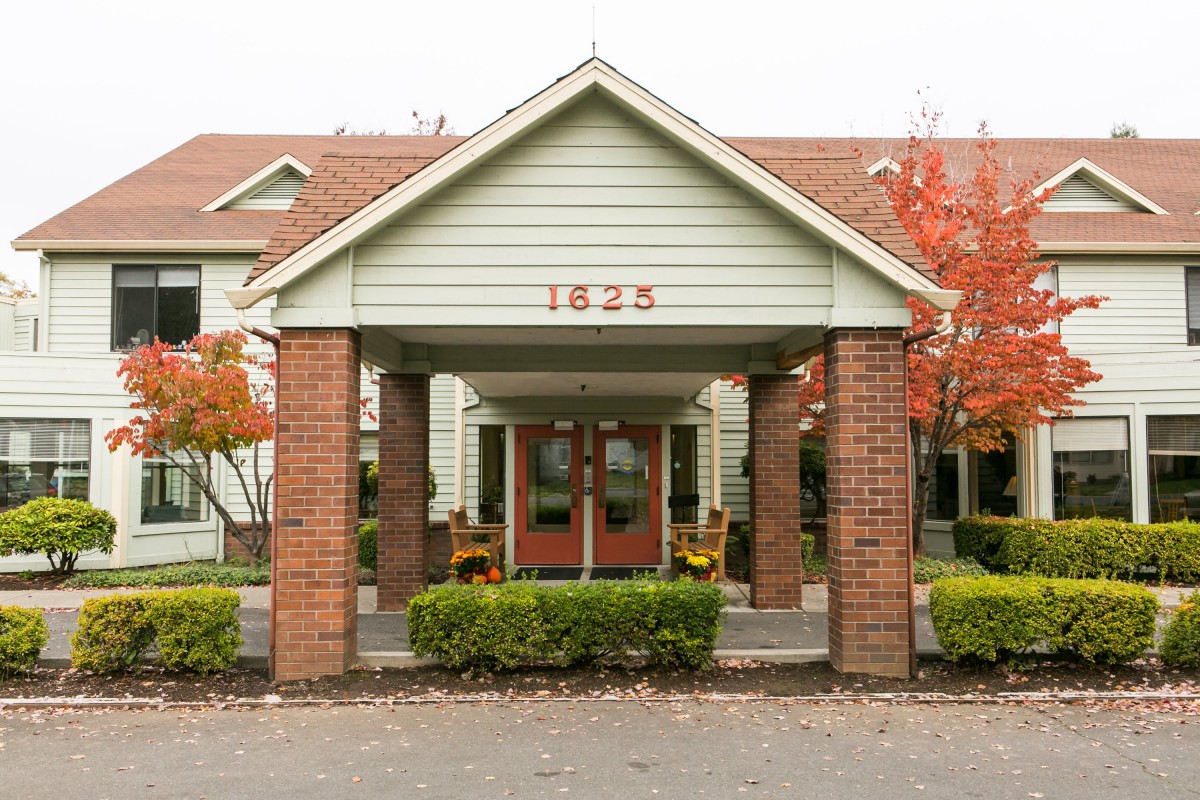
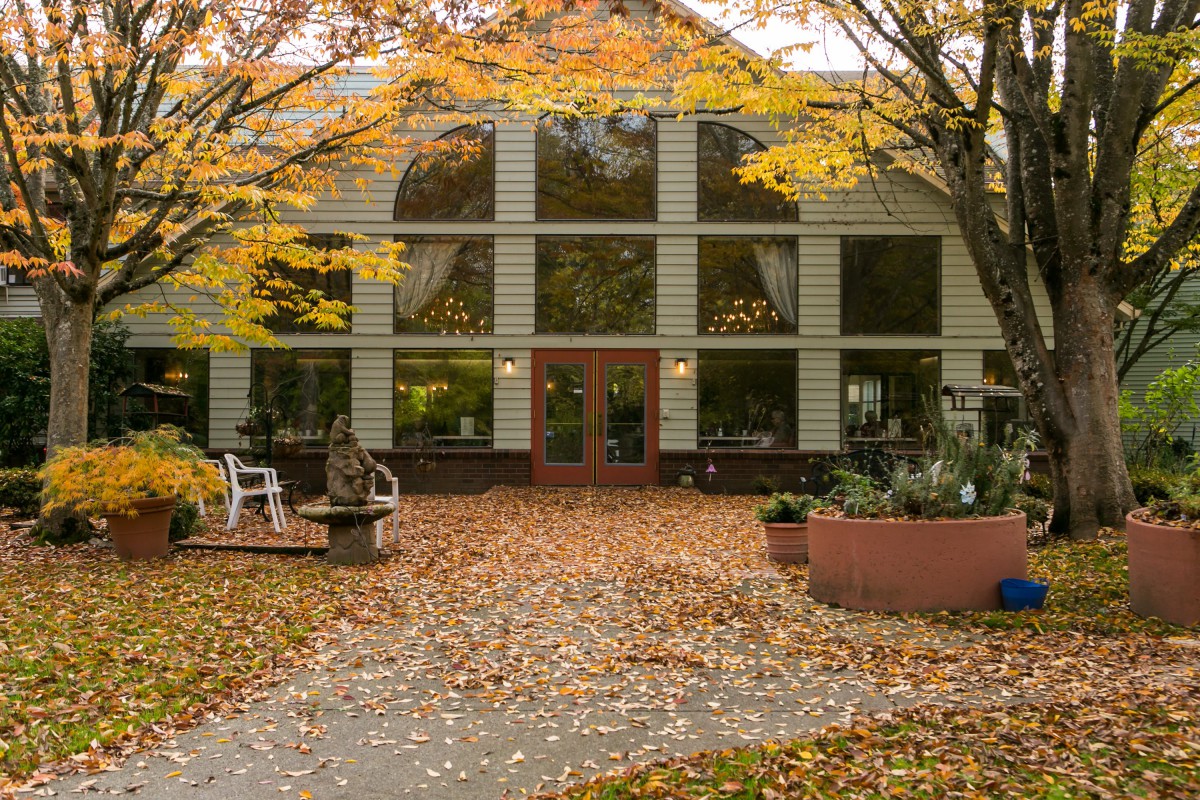
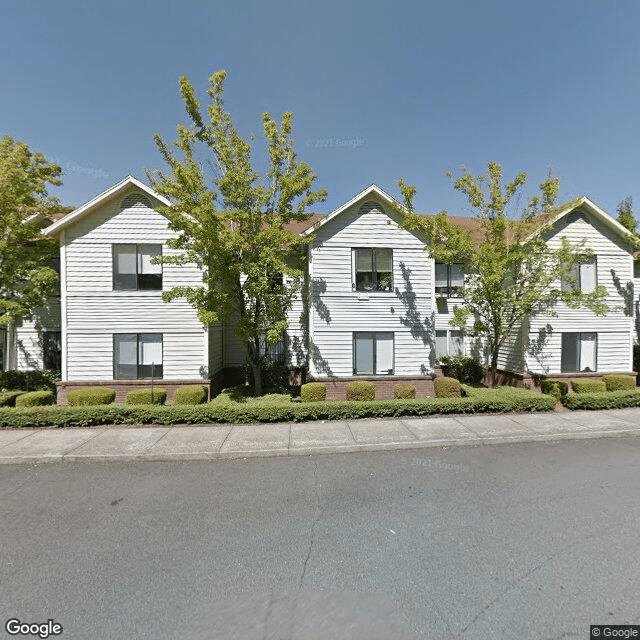
1625 Center St NE, Salem, OR 97301
To contact a resident: (503) 585-6511
For more information about senior living options: (866) 208-4318
Willson House Costs & Pricing
Willson House offers competitive pricing in comparison to both Marion County and the broader state of Oregon. For a studio, the monthly cost at Willson House is $2,773, which is significantly lower than the county's average of $3,836 and the state's average of $3,815. This presents an appealing option for those seeking affordable living arrangements. Conversely, the private room rate at Willson House stands at $5,370, which is notably higher than the averages for both Marion County ($3,564) and Oregon as a whole ($3,424). This discrepancy suggests that while Willson House excels in providing value for studio accommodations, potential residents should carefully weigh their options when it comes to private rooms in this context.
| Floor plans | Willson House | Marion County | Oregon |
|---|---|---|---|
| Studio | $2,773 | $3,836 | $3,815 |
| Private | $5,370 | $3,564 | $3,424 |
Memory care communities with a similar price nearby
-
from +$527 / mo

Harmony House of Salem
$3,300 to $3,550 / month2.9 miles away -
from +$142 / mo
Emerald Gardens of Woodburn
$2,915 to $4,160 / month16.2 miles away -
from +$427 / mo
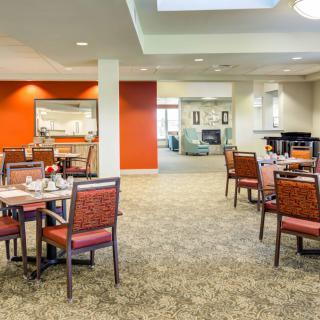
Waverly Place
$3,200 to $4,000 / month20.8 miles away -
from +$227 / mo
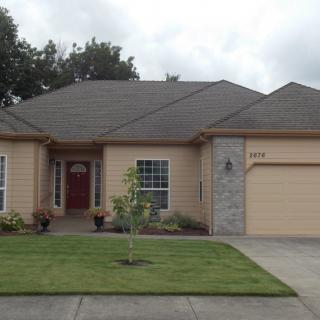
Vintage Care Home
$3,000 to $3,500 / month4.4 miles away -
from +$397 / mo

Bonaventure at Keizer Station
$3,170 to $5,550 / month5.0 miles away
Overall Review of Willson House
Pros
 The staff are wonderful and caring.
- The residents are happy.
- Willson House has come a long way with a cohesive core team.
- The daycare at Willson House is highly regarded as the best in Salem, with professional staff who truly care about the facility.
- The teachers are wonderful and the children love their time there.
- The environment feels warm and home-like, with staff who interact with residents in a genuine and friendly manner.
- Willson House is kept clean, with a nice dining area and well-maintained facilities.
- The dining area offers a restaurant-style setting and varied meal options.
- The on-site child care center and intergenerational activities are a strength of the facility.
Cons
 The facility was understaffed and needed more nurses.
- There was unfair illegal treatment of staff members, raising concerns about management.
- The facility withheld part of the security deposit and did not explain why.
- The residential hall smelled dirty, indicating cleanliness issues, and the facility cost more than others.
- They were disappointed that Willson House would not accept their aunt because she didn’t require as much care.
- The rooms were small and old, and the facility needed updating.
- They needed to improve on how they wake residents in the morning.
- The receptionist could not answer basic questions.
Review
Willson House in Salem is best suited for families seeking a warm, community‑menteed assisted living option where residents typically require regular assistance or have memory care needs, and where life inside the building feels like a tightly knit, intergenerational family. The presence of an on‑site daycare injects daytime energy and social pull, and staff members consistently come across as attentive and patient. For seniors who want a homelike environment, predictable routines, and a campus that supports safety, elevators are well maintained and transportation is accessible, Willson House provides a practical home base rather than a trendy, resort‑style setting.
Those who may want to explore alternatives include families prioritizing ultra‑modern accommodations, expansive living spaces, or an even higher nurse‑to‑resident ratio. Several reviews flag the building as older, with small, dated rooms and a dining area that reflects a traditional design. Staffing pressure also surfaces in multiple accounts, along with questions about management practices and slower responses in some situations. For residents who require minimal assistance, or for families worried about staffing stability and administrative clarity, a newer or more clinically focused facility could be a better fit.
Yet the core positives do carry substantial weight. The staff’s warmth and steadiness translate into a consistently safe impression, caregivers who know residents, help with daily tasks, and respond with patience. The building’s three stories and reliable elevators contribute to mobility and ease of access, while on‑site transportation for shopping and off‑site outings broadens daily options. Intergenerational programming, kids visiting from the attached daycare, adds meaningful social stimulation for seniors and a sense of purpose for younger participants. Dining operates with a restaurant cadence, and the kitchen and common areas stay clean. These strengths can offset the downsides of an older footprint and the wear that accompanies a long‑standing campus.
Still, caution is warranted. A few reviews point to understaffing relative to resident numbers, which can translate into slower response times and less individualized attention. The sense that some areas could benefit from modernization is not unfounded, with comments about small rooms and dated aesthetics contrasting with the warmth of frontline interactions. Positive experiences also hinge on management practices, when policy clarity or communication feels off, it can color overall impressions. For families evaluating care intensity, these voices suggest Willson House shines in day‑to‑day warmth and safety but may fall short for those seeking a crisply run operation with minimal wait times or a more contemporary design.
On the logistics side, Willson House delivers practical advantages. The facility emphasizes safety supports like Hoyer lifts and two‑person transfers, and staff friendliness surfaces in everyday conversations and clear explanations. The on‑site bus service, active social calendar (bingo, Bible study), and intergenerational energy foster a robust sense of community for residents who value engagement. Cleanliness remains a constant across kitchens, dining rooms, and bathrooms, and the dining program’s flexibility, seasonal options and a consistent menu, helps residents with varied appetites. The main trade‑offs live in space and staffing stamina, not in the core standard of care.
Bottom line: Willson House is a solid choice for families prioritizing warmth, safety, and sustained staff rapport within a setting that actively weaves intergenerational life into daily routines. It suits residents who require regular assistance or memory care and who thrive on social outlets and a homey atmosphere. Those who demand modern rooms, more expansive living space, or a uniformly high nurse presence may want to weigh alternatives, as would families wary of management friction or disputes over deposits. The decision should hinge on current staffing levels, room size, and the specific care plan needs to ensure a fit with long‑term goals and daily life expectations.
 Studio apartments
 Assisted Living
 Memory Care
 Activities on-site
 Beautician on-site
 Cable or satellite TV
 Computer center
 Devotional services off-site
 Dining room
 Garden
 General store
 Ground floor units
 Guest parking
 Housekeeping services
 Indoor common areas
 Laundry
 Outdoor common areas
 Overnight guests
 Party space
 Respite or short term stays offered
 Wheelchair accessible showers
 Wi-Fi/high-speed internet available
 Assistance with bathing
 Assistance with dressing
 Diabetic care
 Hospice care
 Incontinence care
 Medication management
 Anytime dining
 Arts and crafts
 BBQs or picnics
 Cooking club
 Fitness programs
 Games
Games Live dance or theater performances
 Live musical performances
 Stories
 Yoga / chair yoga
 English




 Understanding Dementia Through Its Seven Stages: A Comprehensive Look at Progression and Expectations
 A Holistic Dementia Care Guide: Effective Strategies for Memory Support
 Memory Care Pathways: A Holistic Guide to Dementia Support