For more information about senior living options: (866) 208-4318
3.1 from 44 reviews
5 stars
14
4 stars
10
3 stars
2
2 stars
4
1 stars
14
Overall Review of Windsor Health & Rehabilitation Center
common24 reviews mention this
Staff kindness is a mixed signal
Residents and families frequently describe care teams as kind and helpful.
Many reviews praise the friendliness and attentiveness of nursing and therapy staff, describing knowledgeable caregivers who answer questions and help with daily needs. Several residents also mention feeling cared for and safe during rehab stays, with therapy teams described as thorough and supportive. At the same time, a set of reviews report missed check-ins, slow call-light response, and employees that felt impatient or inattentive.
caveat18 reviews mention this
Food quality splits opinions
Food is a recurring point of praise and complaint.
Some reviews say meals taste home-cooked and are edible, and a few note that staff consider individual food preferences. Others describe food as awful, burnt, undercooked, or barely edible, and complain that special diets are not handled well. There are also mentions of menu items being different from what was expected, plus concerns about meals feeling monotonous.
common11 reviews mention this
Therapy support stands out
Physical and occupational therapy receives frequent positive mentions.
Several reviews highlight PT and OT as kind, thorough, and genuinely helpful in rehab progress. Some residents specifically credit therapists by name and describe making friends through activities while receiving therapy. A smaller group of reviews is more critical about overall rehab support, including reports that therapy did not meet expectations.
caveat10 reviews mention this
Call-light and check-in timing
Some families report delays when help is requested.
Across multiple reviews, families describe frustration with call-button response and check-ins, including accounts of long waits for basic needs. There are also complaints about inadequate attention between visits, with examples like waiting extended periods for pain medication or assistance. Other reviews counter this with experiences of fast help, feeling safe, and receiving meals or support whenever needed.
common6 reviews mention this
Facility feels clean, but older
Even when described as older, the building is often said to be kept clean.
Some reviews describe the facility as older but clean and functional, with no strong odors and a maintained environment during stays. Others describe the setting as dark or depressing, and a few mention unhappiness with the look of common areas. Overall, reviews suggest the cleanliness is more consistent than the mood of the space.
How we summarize
Counts show how many written reviews mention each theme; a review can touch several themes, and only frequently mentioned themes are displayed.
Features
Housing
100 resident community capacity
Types of Care
Skilled Nursing Facility
Amenities
Air-conditioning
Beauty salon
Cable or satellite TV
Computer center
Dining room
Fitness room
Fully furnished
Gaming room
Garden
Housekeeping services
Kitchenette
Move-in coordination
Outdoor space
Private bathrooms
Restaurant-style dining
Small library
Telephone
Wellness center
Wi-Fi/high-speed internet available
Transportation
Community operated transportation
Transportation arrangement
Transportation arrangement (non-medical)
Transportation to doctors appointments
Care Services
12-16 hour nursing
24-hour call system
24-hour supervision
Activities of daily living assistance
Assistance with bathing
Assistance with dressing
Assistance with transfers
Diabetes diet
Meal preparation and service
Medication management
Mental wellness program
Special dietary restrictions
Dining
Diabetes diet
Special dietary restrictions
Activities
Community-sponsored activities
Concierge services
Fitness programs
Planned day trips
Resident-run activities
Scheduled daily activities
Nearby Places of Interest
Physicians
Dr Dave Laseter (0.2 miles)
Salem's Eye Professionals Huggett Darek OD & Associates (0.5 miles)
Salem Vision Clinic (0.6 miles)
Bishop Wellness Center (0.7 miles)
Willamette Valley Oral & Maxillofacial Surgery (0.7 miles)
Willamette Surgery Center (0.8 miles)
Salem Natural Medicine (0.8 miles)
Restaurants
McMenamins Boon's Treasury (0.2 miles)
Taqueria Marcos Place (0.3 miles)
Subway (0.3 miles)
Bibimbap House (0.4 miles)
McDonald's (0.5 miles)
Azuls Taco House (0.7 miles)
Gamberetti's (0.8 miles)
Places of Worship
First Christian Church (0.3 miles)
Theaters
Regal Cinebarre Movieland (0.3 miles)
Regal Willamette Town Center (2.1 miles)
Pharmacies
7 Leaf Collective (0.4 miles)
Rite Aid (0.5 miles)
Quisenberry Pharmacies Center Street Store (0.7 miles)
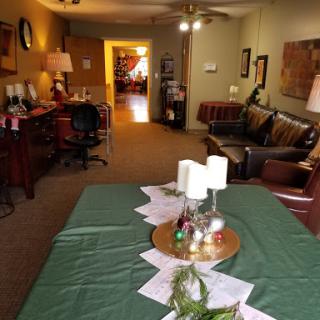
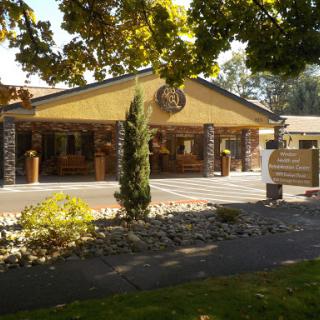
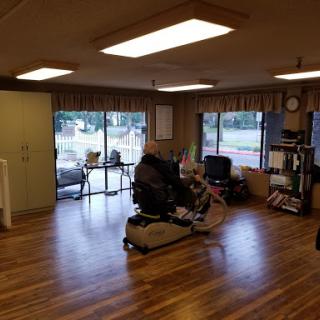
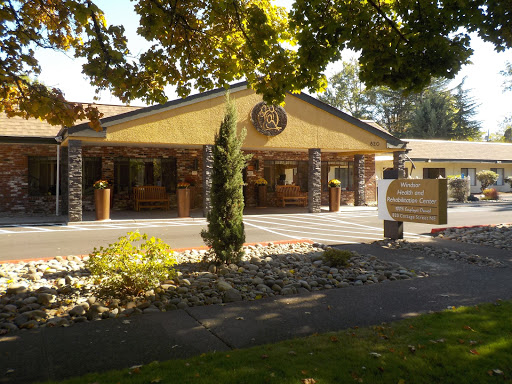
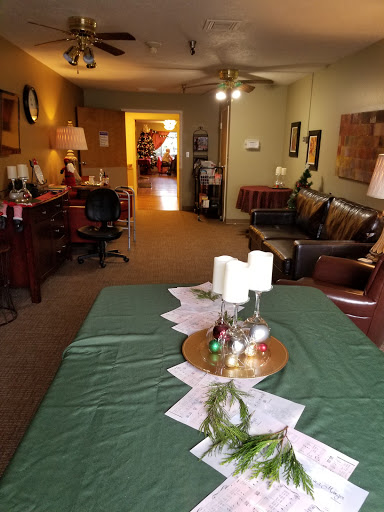
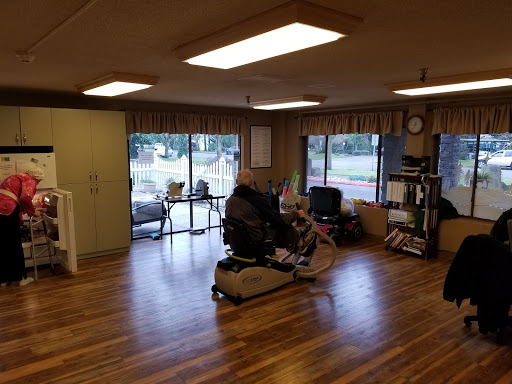
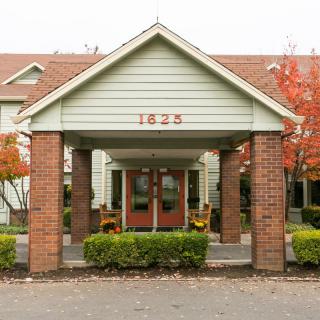
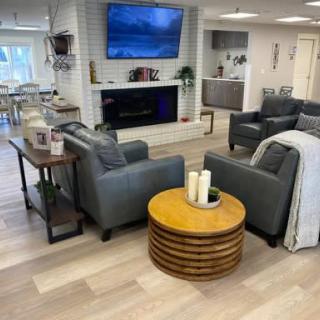
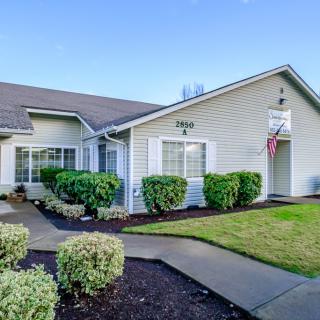
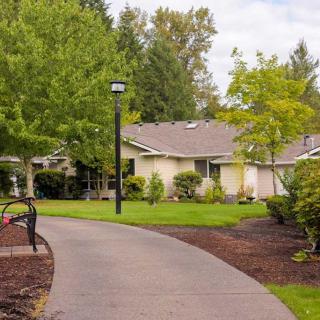
Windsor Health & Rehabilitation Center on seniors.fyi includes 3 photos including images showing interior, trees, parking, living room, decor, lighting, windows, daylight, and more.
Nearby Communities
In-Home Care & Support Services
Salem, OR
4.6 from 17 reviews
Wide range of nearby amenities and healthcare options for convenience.
Jason Lee Manor
Salem, OR
4 from 10 reviews
Clean, well-maintained building with a standout library.
Willson House
Salem, OR
3.9 from 19 reviews
$2,773 to $5,370 / month
Caring staff, clean facilities, and intergenerational activities.
Helping Hands Home Care - Salem
Salem, OR
Prime location in Salem with easy access to healthcare, parks, dining, theaters, and transit.
FirstLight Home Care of Salem, OR
Salem, OR
4.5 from 67 reviews
Responsive caregivers with good staff matching and light cleaning/companionship.
Iuditas Memory Care
Salem, OR
3.4 from 8 reviews
$5,800 to $6,500 / month
Caring night-shift staff and engaging activities for residents.
Sweet Bye N Bye Memory Care
Salem, OR
5 from 8 reviews
$5,075 to $5,600 / month
Intimate, staff-focused care in a small, 16-resident setting with responsive management.
Windsong Memory Care at Eola Hills
Salem, OR
4 from 43 reviews
$6,385 to $7,375 / month
Montessori-based memory care with caring staff and engaging activities.
Capital Manor
Salem, OR
4.7 from 105 reviews
Warm, intimate atmosphere with caring staff, extensive activities, and affordable, well-maintained living options.
The Sandwich Generation comprises adults managing the dual responsibilities of caring for aging parents and raising children, leading to significant emotional, logistical, and financial challenges. This situation is exacerbated by longer life expectancies and cultural expectations, necessitating effective coping strategies and support resources to alleviate caregiver stress and burnout.
The article highlights eight essential assistive devices that improve the independence and safety of older adults, addressing issues related to mobility, balance, vision, hearing, and dexterity. It emphasizes the importance of proper selection guided by healthcare professionals to enhance seniors' quality of life while allowing them to age in place.
The article offers detailed guidance on the financial complexities of nursing home care, covering costs, payment methods, and alternative funding strategies while emphasizing the importance of proactive planning and legal considerations for individuals and families making care decisions.
Landscaping, Building, Architecture, Trees, Exterior, and Parking
Windows, Office Space, and Daylight
Get PricingAsk A QuestionSchedule A TourContact Senior Advisor
By clicking submit, you agree to our Partner's Terms of Use. You
also consent to receive calls and texts, which may be autodialed, from our Partner. Your consent is not a condition to
using our Partner's service. Please visit our Partner's Privacy Policy for information about their privacy practices.

 100 resident community capacity
 Skilled Nursing Facility
 Air-conditioning
 Beauty salon
 Cable or satellite TV
 Computer center
 Dining room
 Fitness room
 Fully furnished
 Gaming room
 Garden
 Housekeeping services
 Kitchenette
 Move-in coordination
 Outdoor space
 Private bathrooms
 Restaurant-style dining
 Small library
 Telephone
 Wellness center
 Wi-Fi/high-speed internet available
 Community operated transportation
 12-16 hour nursing
 24-hour call system
 Activities of daily living assistance
 Assistance with bathing
 Assistance with dressing
 Assistance with transfers
 Diabetes diet
 Medication management
 Mental wellness program
 Special dietary restrictions
 Concierge services
 Planned day trips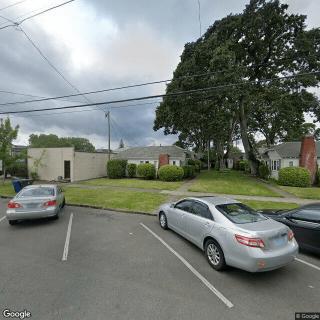
 Wide range of nearby amenities and healthcare options for convenience.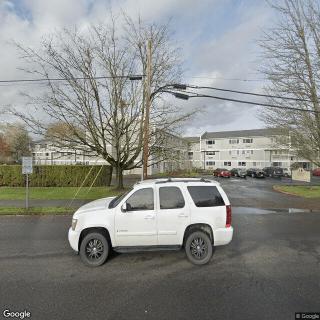


 Understanding the Sandwich Generation: Stress and Responsibilities for Multigenerational Caregivers
 8 Essential Assistive Devices for Older Adults
 Navigating the Financial Road to Nursing Home Care: In-Depth Guidance and Resources