
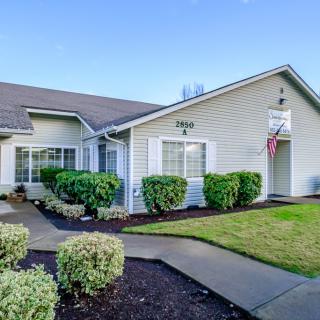

2850 Evergreen NE, Salem, OR 97301
To contact a resident: (503) 566-5876
For more information about senior living options: (866) 208-4318
Sweet Bye N Bye Memory Care Costs & Pricing
Sweet Bye N Bye Memory Care offers specialized memory care facilities with pricing that reflects its comprehensive services and amenities. The monthly cost for a studio at Sweet Bye N Bye is $5,075, which is notably higher than the average costs in both Marion County ($3,836) and across Oregon ($3,815). For those seeking a one-bedroom option, the monthly rate increases to $5,600, again surpassing local averages of $4,001 in Marion County and $3,904 statewide. This premium pricing underscores the facility's commitment to providing exceptional care tailored to individuals with memory-related challenges, ensuring that residents receive the support they need in a nurturing environment.
| Floor plans | Sweet Bye N Bye Memory Care | Marion County | Oregon |
|---|---|---|---|
| Studio | $5,075 | $3,836 | $3,815 |
| 1 Bedroom | $5,600 | $4,001 | $3,904 |
Memory care communities with a similar price nearby
-
from -$515 / mo
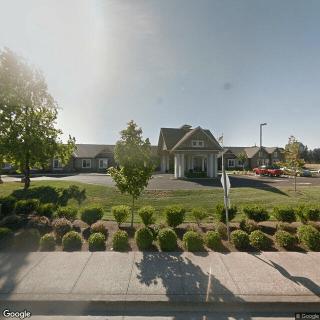
Heartwood Place Memory Care
$4,560 to $4,980 / month15.0 miles away -
from +$375 / mo
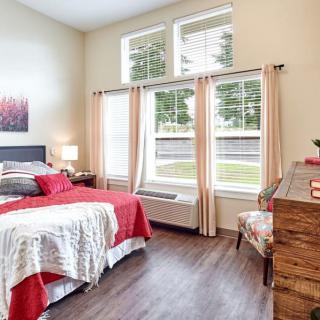
Battle Creek Memory Care
$5,450 to $7,850 / month6.7 miles away -
from -$425 / mo
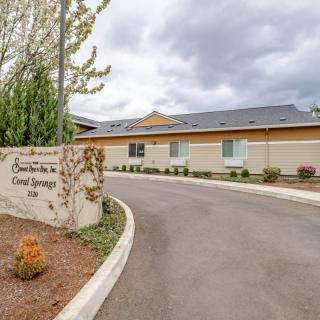
Coral Springs RCF
$4,650 / month0.8 miles away -
from +$425 / mo

Chestnut House
$5,500 / month23.3 miles away -
from +$425 / mo
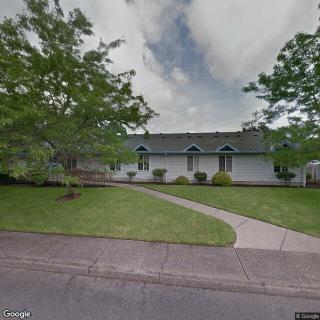
Blue Haven RCF - Dallas
$5,500 / month15.1 miles away
Overall Review of Sweet Bye N Bye Memory Care
Pros
 They are thankful for the care given to their mother and praise the excellent communication.
- Families feel they found a place where their loved one can be well cared for, with amazing staff and responsive updates.
- The facility and staff treat residents as individuals, keep them safe, and address both emotional and physical needs.
- The rooms are appropriately sized and comfortable for residents.
- The staff have learned each resident’s personal needs and provide caring and efficient care.
- The management is responsive to requests and answers questions.
- The residents, staff, and owners are all highly regarded.
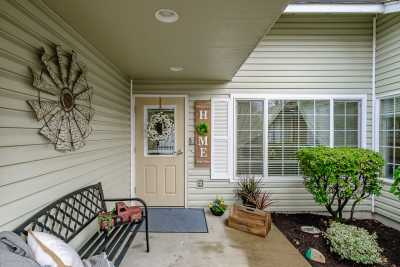
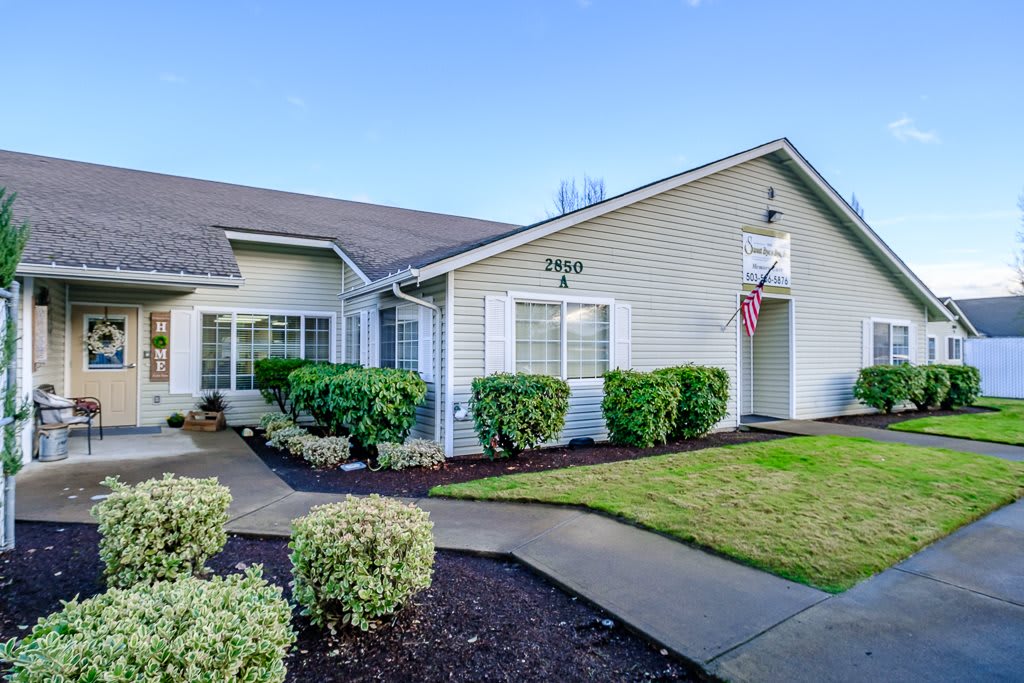
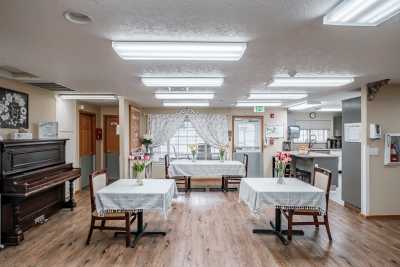
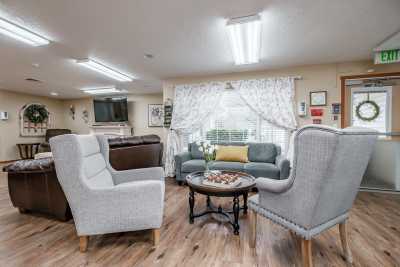
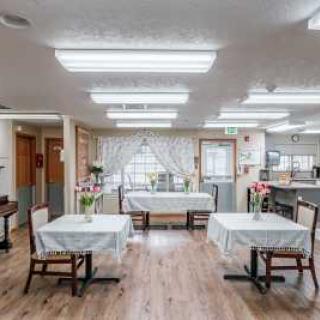
- The community has a homey feel with small building sizes that allow one-on-one attention, and staff support residents during meals.
Cons
 The rooms are a little smaller, more like a studio apartment.
Review
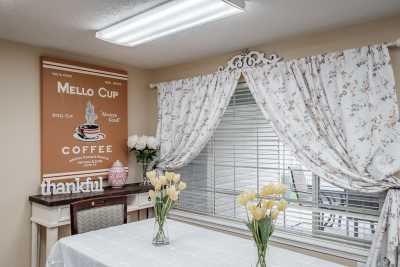
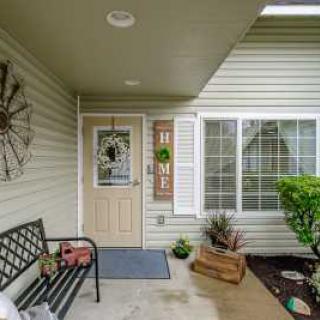
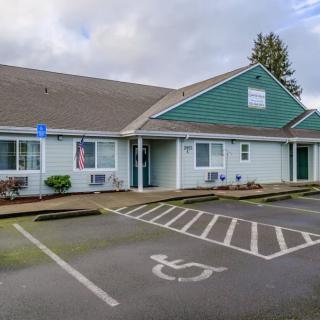
Sweet Bye N Bye Memory Care in Salem is best suited for families seeking a truly intimate, person-centered memory care environment where residents are treated as individuals and care comes with steady, attentive communication. The community shines for seniors who value a home-like setting with a small footprint, about 16 residents per building, where staff can provide one-on-one attention and tailor care to personal routines, preferences, and emotional needs. It is especially fitting for families who want open, reliable updates and whom the care team can involve in planning and events. The setting also appeals to those who appreciate continuity, as many caregivers stay long term and the owners/leadership are described as knowledgeable, responsive, and supportive of family involvement, including hosting gatherings for loved ones.
Yet, this is not the right fit for every situation. Families seeking larger, more apartment-like living spaces or a broader slate of on-site activities might find the rooms and common areas feel compact compared with bigger memory-care campuses. Prospective residents who place a premium on a non-religious, secular ambiance or a facility with a wide range of secular social programs may want to compare options. Those who require frequent, hands-on family visits but cannot travel easily may also want to assess how flexible the community is about family involvement, given that some families have limited opportunity to drop by in person. In short, when independence is the priority or when a more expansive, activity-rich campus is desired, alternatives deserve consideration.
The strongest draws are the staff and the care philosophy. Reviewers consistently praise the team for being amazing with residents, for excellent communication with families, and for adapting care to individual needs. Residents receive not only help with daily living tasks but also attention to emotional well-being, with staff actively monitoring safety and fostering a calm, respectful atmosphere. The facility’s small size supports frequent, meaningful interactions; caregivers can observe subtle changes in mood or health and respond quickly. Family members note that management is responsive to requests, inquiries are answered promptly, and the owner presence contributes to a sense of continuity and accountability that families value highly.
These strengths align well with the main trade-off. The same intimate scale that enables personalized care also means tighter space and fewer rooms that feel like traditional apartment living. The floors maintain a “homey” vibe, yet this comes with the reality that rooms are compact and reflect a studio-like arrangement. Nevertheless, the advantages of individualized attention, coupled with consistent, compassionate staff, and the ability to accommodate family events and close oversight often outweigh the downsides for memory-care residents who thrive on routine, predictability, and a warm, recognized caregiver team. In this setting, trust is built through stable staffing, clear communication, and a compassionate approach that treats each resident as a person rather than a case.
Family involvement emerges as a meaningful differentiator. Staff’s willingness to accommodate large family gatherings and their responsiveness to questions create a collaborative care experience. Residents benefit from a stable crew who know their histories, preferences, and triggers, while families gain confidence from ongoing updates and transparent care planning. The community’s atmosphere, friendly, approachable, and anchored by leadership that emphasizes quality and continuity, helps families feel comfortable leaving loved ones in good hands. For those who must balance grief and daily caregiving, this combination of reliable communication and genuine care can be a decisive factor.
Bottom line: Sweet Bye N Bye Memory Care is a strong fit for families seeking intimate, personalized dementia care delivered by devoted, stable staff in a home-like environment. It is less suited for those needing expansive living spaces, a wide array of on-site activities, or a secular, non-niche programmatic approach. Prospective residents and their families should prioritize a tour focused on room options, care routines, and how family communication will be maintained, then weigh the comfort and continuity of this close-knit setting against the appeal of larger, more resource-rich campuses.
 Memory Care
 Activities on-site
 Air-conditioning
 Bath tubs
 Cable or satellite TV
 Devotional services on-site
 Garden view
 Ground floor units
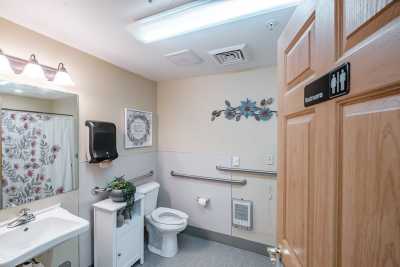
 Handicap accessible
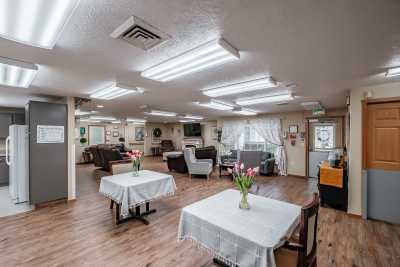
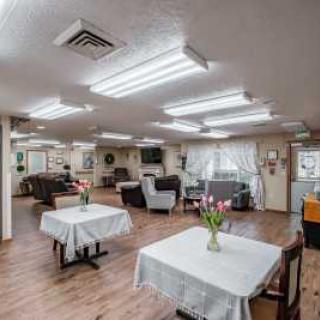
 Indoor common areas
 Outdoor common areas
 Respite or short term stays offered
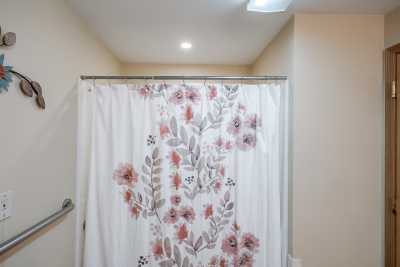
 Wheelchair accessible showers
 Wi-Fi/high-speed internet available
 Ambulatory care
 Diabetic care
 High acuity care
 Incontinence care
 Medication management
 Guest meals
 Art classes
 Bible study group
 Cooking classes
 Jewish services



 A Holistic Dementia Care Guide: Effective Strategies for Memory Support
 Memory Care Pathways: A Holistic Guide to Dementia Support
 Comprehending Evening Confusion in Dementia: Causes, Manifestations, and Support