
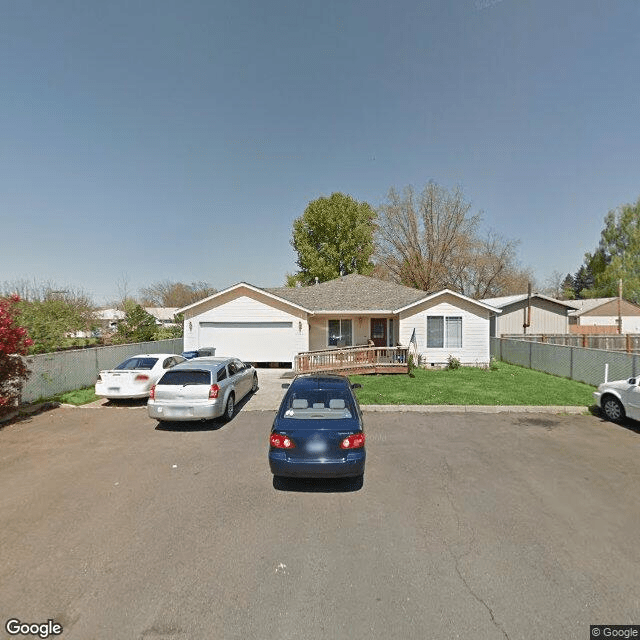
2773 Odessa Ln NE, Salem, OR 97301
For more information about senior living options: (866) 208-4318
Overall Review of Over the Rainbow
Pros
 They provide care that’s among the best seen in ages.
- They do an excellent job caring for residents in a small, home‑like setting.
- The staff are wonderful to residents during their stay.
- They show affection and compassion toward residents.
- They listen to residents’ preferences and accommodate their needs, including meals.
Review
Over the Rainbow in Salem, OR is best suited for seniors who thrive in a home-like, intimate setting where care feels deeply personal. This community operates as a small-house model, with roughly four to five residents and a similar cadre of caregivers. That configuration cultivates a familiar, neighborly rhythm where daily routines can be flexible to individual preferences. It is especially well-suited for residents who value warmth, direct caregiver relationships, and meals tailored to taste and dietary needs. The environment rewards attentiveness and emotional connectedness, making it ideal for those who fear feeling lost in a larger facility or who simply want a quieter, more predictable daily life.
Those considering alternatives are wise to look elsewhere if the preference leans toward structured programming, extensive social calendars, or robust on-site medical oversight. Larger assisted living campuses routinely offer a broader slate of activities, more diverse amenities, and greater redundancy in staffing. For residents with complex medical needs, behavior management requirements, or a desire for frequent on-site clinical support, a community with bigger scale and more formal resources may be more appropriate. Memory-care focused settings and campuses with active therapy programs can also be a better fit when social variety and specialized programming drive the decision.
The strongest pro here is the service model itself: a high staff-to-resident ratio paired with true warmth. Caregivers are described as affectionate, present, and responsive, with a willingness to hug, touch, and engage in meals and conversations. This level of attentiveness translates into a sense of security and dignity for residents, reducing anxiety around daily routines and new experiences. The ability to accommodate preferences, especially around meals, demonstrates a responsiveness that many families seek, where a resident’s tastes and comfort come first. In practical terms, this means fewer confrontations over routine needs and more opportunities for residents to feel seen and valued.
A related advantage is the high degree of continuity and familiarity. With a small resident group, staff can learn individual histories, likes, and triggers, enabling a care approach that feels tailor-made rather than protocol-driven. Families frequently report that caregivers “knew the person” and responded with compassion rather than distance. The downside of this intimate scale is the limited pool of peers and activities; the social life can feel constrained compared with larger communities. Yet for residents who crave steadiness and personal connection, that constraint is often outweighed by the consistency and depth of human interaction.
The main trade-off centers on scale and scope. The tiny footprint means fewer opportunities for varied programming, broader social circles, and rapid access to a wide range of services. For a resident who relies on frequent outings, group events, or diverse activities as a core part of daily life, this setup may feel limiting. The care quality, however, remains high, and the emotional warmth supplied by attentive caregivers can substantially mitigate loneliness and isolation. Families should weigh whether the comfort of a small, loving team outweighs the potential for a more dynamic activity calendar elsewhere.
For families weighing a decision, Over the Rainbow represents a compelling option when the priority is heartfelt, individualized care delivered in a homey environment. It excels for residents who thrive on constant, affectionate attention and a flexible approach to meals and routines. It may be less ideal for those who require a bustling social milieu, expansive programming, or intensive medical management. Prospective residents and families should plan a visit with specific questions about caregiver turnover, daily routines, meal customization, emergency protocols, and the breadth of available activities. A thoughtful comparison with larger campuses will reveal where this community’s strengths best align with long-term goals and the resident’s personality.






 Encouraging Participation in Adult Day Care: A Guide to Supporting a Hesitant Parent
 Comprehensive Exploration of Living Wills and Other Advance Directives
 A Detailed Exploration of Living Wills and Advance Directives