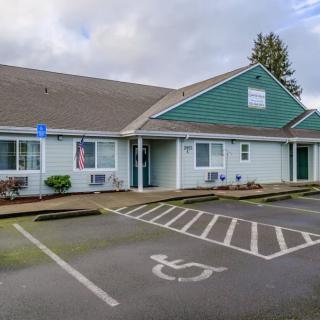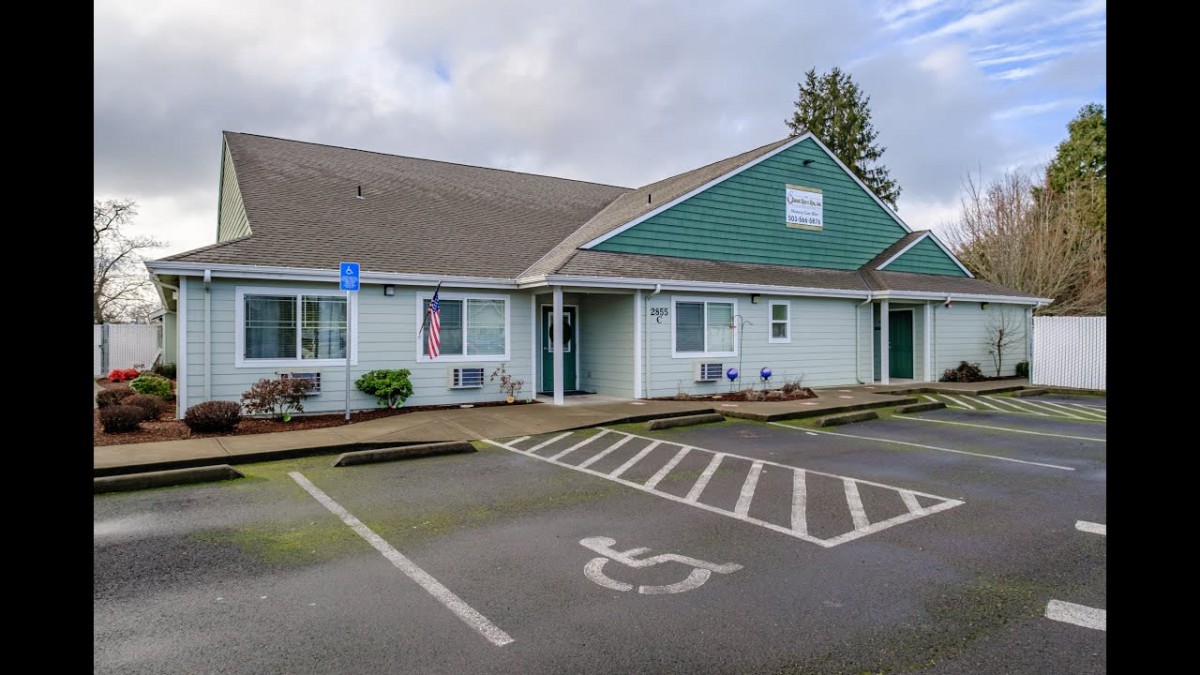
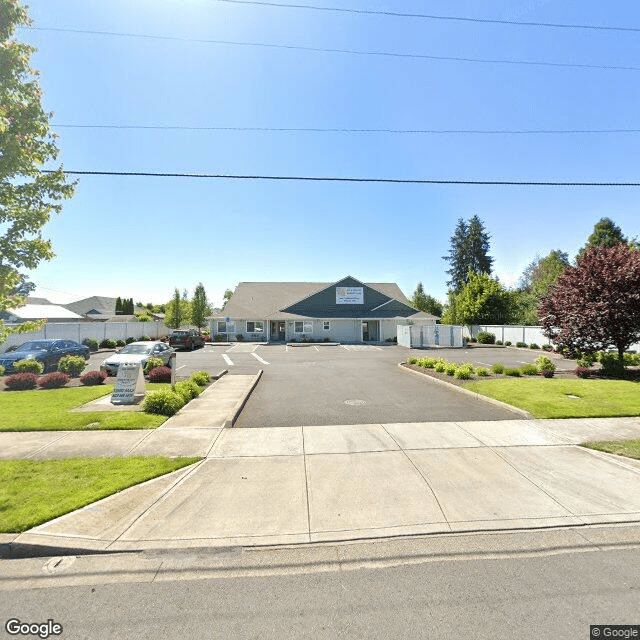
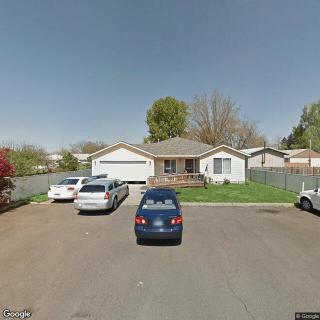
2855 Evergreen NE, Salem, OR 97303
To contact a resident: (503) 509-3781
For more information about senior living options: (866) 208-4318
Sweet Bye N Bye Memory Care - West Costs & Pricing
At Sweet Bye N Bye Memory Care - West, the monthly cost for a studio room is set at $5,075. This figure positions the facility significantly above the average costs in Marion County, where similar accommodations typically range around $3,836, and it also exceeds the state average for Oregon of approximately $3,815. While this pricing may reflect enhanced services and specialized care tailored to residents with memory-related needs, prospective families should carefully consider the value offered in relation to both local and state benchmarks.
| Floor plans | Sweet Bye N Bye Memory Care - West | Marion County | Oregon |
|---|---|---|---|
| Studio | $5,075 | $3,836 | $3,815 |
Memory care communities with a similar price nearby
-
from -$515 / mo
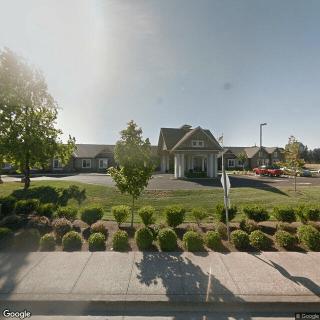
Heartwood Place Memory Care
$4,560 to $4,980 / month15.0 miles away -
from +$375 / mo
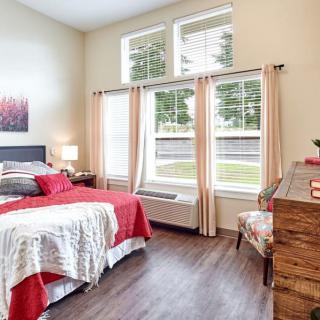
Battle Creek Memory Care
$5,450 to $7,850 / month6.7 miles away -
from -$425 / mo
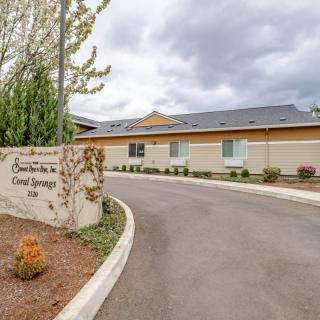
Coral Springs RCF
$4,650 / month0.8 miles away -
from +$425 / mo

Chestnut House
$5,500 / month23.3 miles away -
from +$425 / mo
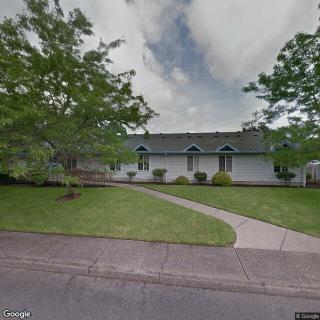
Blue Haven RCF - Dallas
$5,500 / month15.1 miles away
Overall Review of Sweet Bye N Bye Memory Care - West
Pros
 Sweet Bye N Bye is a great place for residents and their families.
- The staff are friendly, caring, and seem genuinely happy to be there.
- The facility offers engaging activities and aims to feel like a home rather than an institution.
- Staff coordinate well with Hospice and families during transitions.
- There is a high level of interest in residents' health and well-being with regular check-ins.
- Many staff members go above and beyond in caring for residents.
- The Sweet Bye N Bye facilities are highly recommended.
- The staff are very nice and residents appear happy there.
Cons
 The bathroom could be a little cleaner.
- There is a fair amount of turnover.
Review
Sweet Bye N Bye Memory Care – West is best suited for families seeking a warm, home-like memory care setting in Salem where a loved one with dementia can receive personalized attention, maintain a sense of familiarity, and stay engaged through purposeful activities. The community emphasizes treating residents as individuals, with staff who know names, preferences, and needs, and with spaces designed to feel like a private home rather than a clinical campus. This environment works particularly well for residents who thrive on daily routines, meaningful social interaction, and consistent, friendly faces who convey genuine care.
Those who should consider alternatives include families with higher medical needs or the expectation of around-the-clock, highly specialized nursing oversight. If a loved one requires intensive clinical monitoring, frequent medical interventions, or a care plan driven more by formal nursing protocols than relational engagement, it pays to look at facilities with deeper medical staffing or different levels of cognitive-care specialization. Likewise, if staffing stability and uniformity across shifts are non-negotiables, some families might want to compare additional options where turnover patterns are less prominent or better managed.
The strongest advantages center on the human touch and the environment. The staff comes across as compassionate, approachable, and invested in residents’ well-being; they know each person’s story and tailor care accordingly. The team-oriented approach is evident in daily interactions, with administrators and caregivers collaborating to address needs and coordinate with external partners, including hospice when appropriate. Private rooms, tasteful decor, and cozy common areas help create a lived-in, reassuring atmosphere, while chef-prepared meals and an active calendar, seasonal decor, events, and activities, offer ongoing opportunities for engagement without turning the setting into an institutional ward. The cleanliness and overall presentation are consistently described as strong, contributing to a sense of safety and pride in the facility.
However, the reviews do flag a couple of practical considerations. A minor but real cost of comfort is occasional bathroom cleanliness variance, which is not dramatic but worth verifying during tours. A more substantive factor is staff turnover, a common industry challenge post-pandemic, which can translate into moments of variability in routine or familiarity for residents. That said, many caregivers are noted for going above and beyond, and the overall culture remains highly attentive. Families should also expect to stay actively involved in coordinating appointments and care plans; while staff track health and well-being, proactive family participation in scheduling and communication is essential to maintain seamless care.
To make a well-founded decision, prospective families should assess how the home-like ambiance aligns with their loved one’s preferences and daily rhythms. Observe how nurses and aides respond during mealtime, activity periods, and unstructured moments, and ask about night-time staffing and consistency across shifts. Inquire about the process for transitioning between memory care and any other units, and request concrete examples of how staff coordinate with external providers, including hospice, to support comfort and dignity in the final chapters of life. Request a detailed look at the activity calendar, dietary accommodations, and how seasonal programs are adapted to individual abilities.
In summary, Sweet Bye N Bye – West stands out as a highly satisfying option for memory care in Salem, particularly for residents who value warmth, personalization, and a home-like living environment. The blend of engaged, name-knowing staff, strong community feel, and deliberate programming produces meaningful quality of life gains that offset the imperfect but manageable challenges of turnover and occasional housekeeping variability. For families prioritizing clinical intensity or absolute staffing steadiness, it is prudent to compare with other communities that emphasize different care levers. A thoughtful visit, talking with frontline caregivers, reviewing care plans, and walking the living spaces, will reveal whether this is the right match for a given loved one’s needs and family expectations.
 Memory Care
 Activities on-site
 Devotional services on-site
 Indoor common areas
 Outdoor common areas
 Respite or short term stays offered
 Wheelchair accessible showers
 Ambulatory care
 Diabetic care
 Incontinence care
 Medication management
 Guest meals
 BBQs or picnics
 Birthday parties
 Live dance or theater performances
 Live musical performances
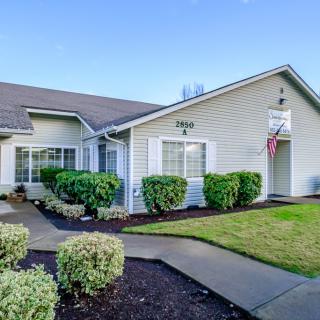


 Dementia Behaviors: In-Depth Understanding and Effective Coping Strategies
 5 Early Indicators of Dementia and What You Can Do
 8 Important Indicators That Memory Care May Be Necessary