For more information about senior living options: (866) 208-4318
4 from 43 reviews
5 stars
24
4 stars
8
3 stars
5
2 stars
0
1 stars
6
Windsong Memory Care at Eola Hills Costs & Pricing
Windsong Memory Care at Eola Hills offers a range of living options that reflect its commitment to quality care, albeit at a higher price point compared to both Yamhill County and the broader state of Oregon. For a studio room, residents can expect to pay $6,385 per month, significantly more than the county average of $4,837 and the state average of $3,815. The one-bedroom option is similarly priced at $7,375, overshadowing the county's rate of $4,069 and Oregon's average of $3,904. While these costs may appear steep relative to local and state benchmarks, they likely encompass an array of specialized services and amenities designed to provide enhanced support for memory care residents.
Floor plans
Windsong Memory Care at Eola Hills
Yamhill County
Oregon
Studio
$6,385
$4,837
$3,815
1 Bedroom
$7,375
$4,069
$3,904
Memory care communities with a similar price nearby
Overall Review of Windsong Memory Care at Eola Hills
common18 reviews mention this
Caregivers feel genuinely caring
Residents and families repeatedly describe compassionate, family-like caregivers.
Many reviewers say the caregivers and care team are kind, compassionate, and attentive to dementia-specific needs. Several families mention feeling confident that their loved one is supported day to day, and they describe staff as friendly and calming. A few reviews also highlight quick responses when issues come up, including support from nursing.
common7 reviews mention this
Activities and outings keep residents engaged
Residents get a steady mix of activities and outings.
Reviewers frequently mention that there are activities to keep residents active and connected. Families describe varied programming and the chance to participate in events and field trips, and some note musical activities and group engagement. The community also lists on-site activities and scheduled programming, which aligns with what families say they see during visits.
common6 reviews mention this
Restaurant-style dining is offered
The community offers restaurant-style dining and related meal options.
Dining shows up often in reviews, with some families praising the food as good and healthy, while others mention meals that did not meet expectations. The community also offers restaurant-style dining and includes dietary options such as low/no sodium and no-sugar choices. Some reviewers who are managing specific dietary needs say staff work to support those meals, though not every experience is described as perfect.
caveat3 reviews mention this
Pricing feels high for the service
Several families describe the cost as unusually high.
More than one reviewer notes that Windsong is more expensive than other places they toured or compared it to. One reviewer also frames the charges as part of a “big business” dynamic rather than a fair value. A separate set of comments suggests some families feel the overall dollar value is reasonable compared with another long-term care option, but the pricing concern still comes up repeatedly.
caveat2 reviews mention this
Communication can be inconsistent
Some families report gaps in communication during care.
While several reviewers say they feel kept informed, at least a couple of reviews describe specific communication problems. One reviewer calls out a need for improvements in telephone communication, and another points to expectations around meal delivery and coordination after an incident. These comments stand alongside more positive notes about updates being provided, suggesting experiences can vary.
How we summarize
Counts show how many written reviews mention each theme; a review can touch several themes, and only frequently mentioned themes are displayed.
Features
Types of Care
Memory Care
Amenities
Activities off-site
Activities on-site
Air-conditioning
Bath tubs
Beautician on-site
Cable or satellite TV
Devotional services on-site
Dining room
Garden
Ground floor units
Guasts at mealtime
Guest parking
Home sale assistance
Indoor common areas
Laundry
Outdoor common areas
Party space
Respite or short term stays offered
Security gate
TV room
VA Benefits Consultation
Wheelchair accessible showers
Wi-Fi/high-speed internet available
Transportation
Transportation & parking
Care Services
Ambulatory care
Diabetic care
High acuity care
Hospice care
Incontinence care
Medication management
Dining
Guest meals
International cuisine
Low / no sodium
No Sugar
Restaurant style dining
Activities
Activities off-site
Art classes
Arts and crafts
Cooking classes
Day trips and outings
Devotional activities on-site
Educational speakers / life long learning
Fitness programs
Forever fit
Games
Gardening club
Live dance or theater performances
Live musical performances
Religious services
Stories
Tai Chi
Trivia games
Wine tasting
Yoga / chair yoga
Nearby Places of Interest
This part of Salem, Oregon offers a variety of amenities and services that would be convenient for senior living. With several parks nearby such as Orchard Heights City Park and Riverfront Park, residents can enjoy leisurely walks in nature. There are also multiple healthcare options including West Salem Family Practice and Willamette Health Partners for medical needs. Pharmacies like Walgreens and Fred Meyer Pharmacy are easily accessible for medication needs. In terms of dining options, there are fast food chains like McDonald's and Subway, as well as local favorites like McMenamins Boon's Treasury and Taqueria Marcos Place. For entertainment, there are theaters like Regal Cinebarre Movieland within a short distance. Overall, this area provides a blend of convenience and recreation for seniors looking to settle down in Salem.
Parks
Orchard Heights City Park (0.6 miles)
Brush College City Park (1.1 miles)
Riverfront Park (1.6 miles)
Sunset Park (1.7 miles)
The Big Toy (2.1 miles)
College Heights Park (2.1 miles)
Pringle City Park (2.2 miles)
Physicians
West Salem Family Practice (0.7 miles)
Dick Wallace H DDS (0.7 miles)
Young Terence H MD (0.8 miles)
Jacob A Jackson MD (0.9 miles)
Clear Choice Dermatology (0.9 miles)
Advanced Vascular Therapy (1.2 miles)
Willamette Health Partners (1.5 miles)
Cafes
Java Crew (1 miles)
Starbucks (1.1 miles)
Dutch Bros Coffee (1.2 miles)
Urban Grange Coffee (1.9 miles)
Ike Box (1.9 miles)
Starbucks (2 miles)
Dutch Bros Coffee (2.4 miles)
Pharmacies
Walgreens (1.1 miles)
Fred Meyer Pharmacy (1.3 miles)
7 Leaf Collective (1.3 miles)
Rite Aid (1.6 miles)
Medicine Shoppe (1.8 miles)
Quisenberry Pharmacies Center Street Store (1.9 miles)
Windsong Memory Care at Eola Hills offers a range of living options that reflect its commitment to quality care, albeit at a higher price point compared to both Yamhill County and the broader state of Oregon. For a studio room, residents can expect to pay $6,385 per month, significantly more than the county average of $4,837 and the state average of $3,815. The one-bedroom option is similarly priced at $7,375, overshadowing the county's rate of $4,069 and Oregon's average of $3,904. While these costs may appear steep relative to local and state benchmarks, they likely encompass an array of specialized services and amenities designed to provide enhanced support for memory care residents.
Medication management at Windsong Memory Care ensures that residents receive their prescribed medications on time and in the correct dosages, which is crucial for maintaining their overall health and stability. This structured approach not only alleviates potential confusion related to medication schedules but also provides peace of mind for families. Incontinence care further supports the dignity and comfort of residents by addressing a common challenge faced by individuals with dementia or Alzheimer's disease. By offering personalized assistance and maintaining a clean and respectful environment, this feature helps to reduce anxiety and discomfort, allowing residents to focus on engagement and connection rather than worry about personal care issues. Together, these services enhance the quality of life for those experiencing memory loss, promoting a sense of security and well-being.
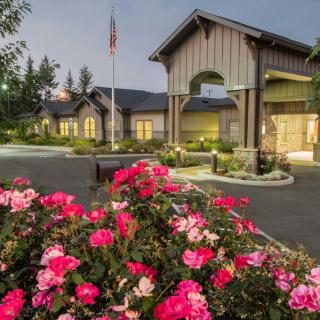
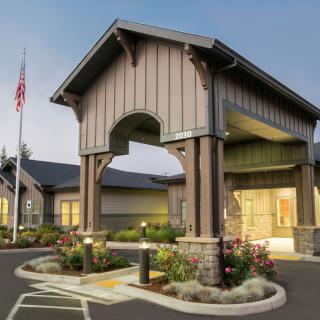
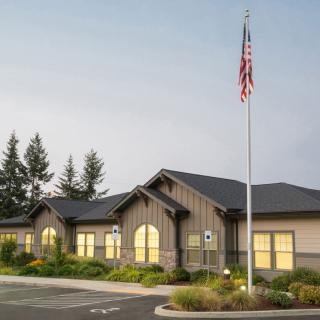
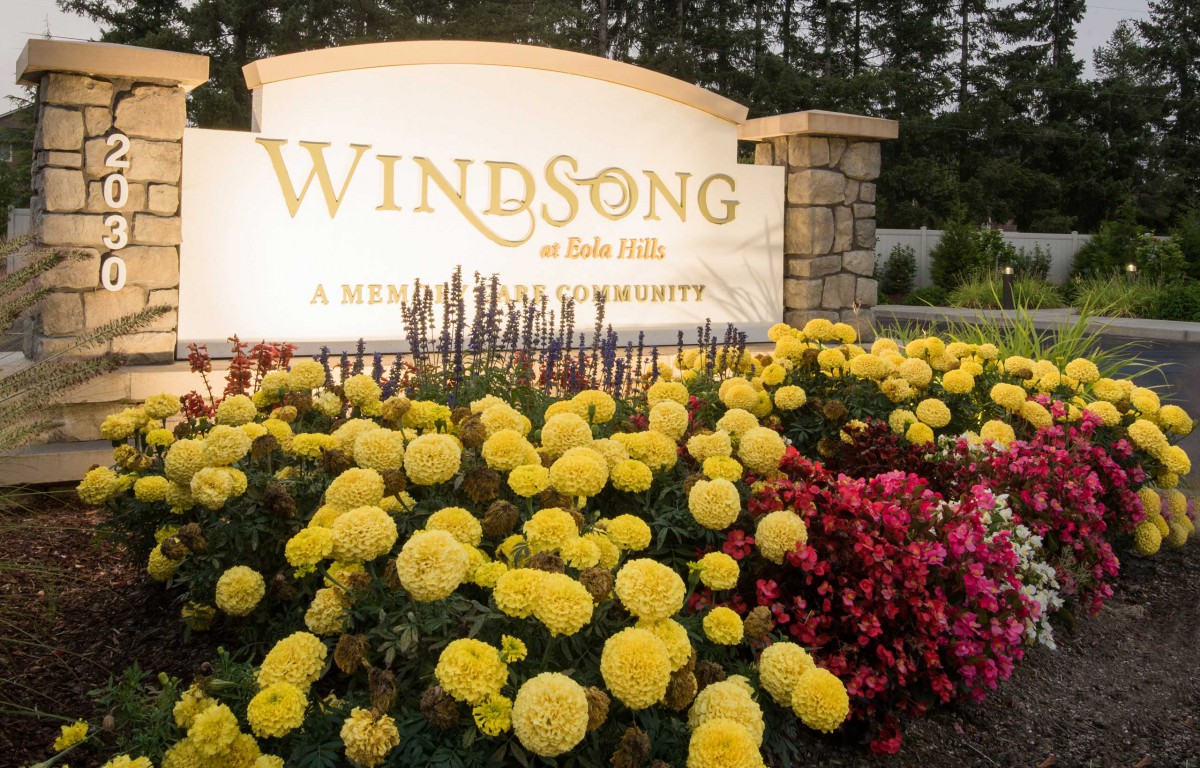
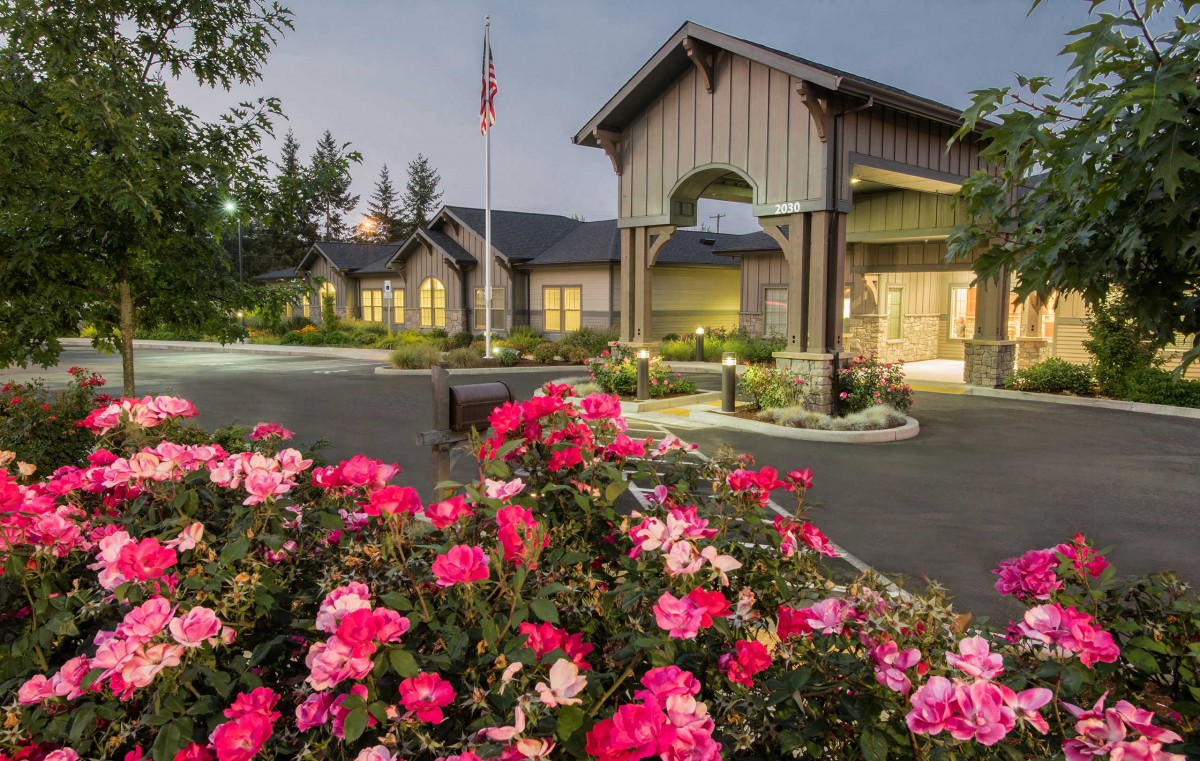
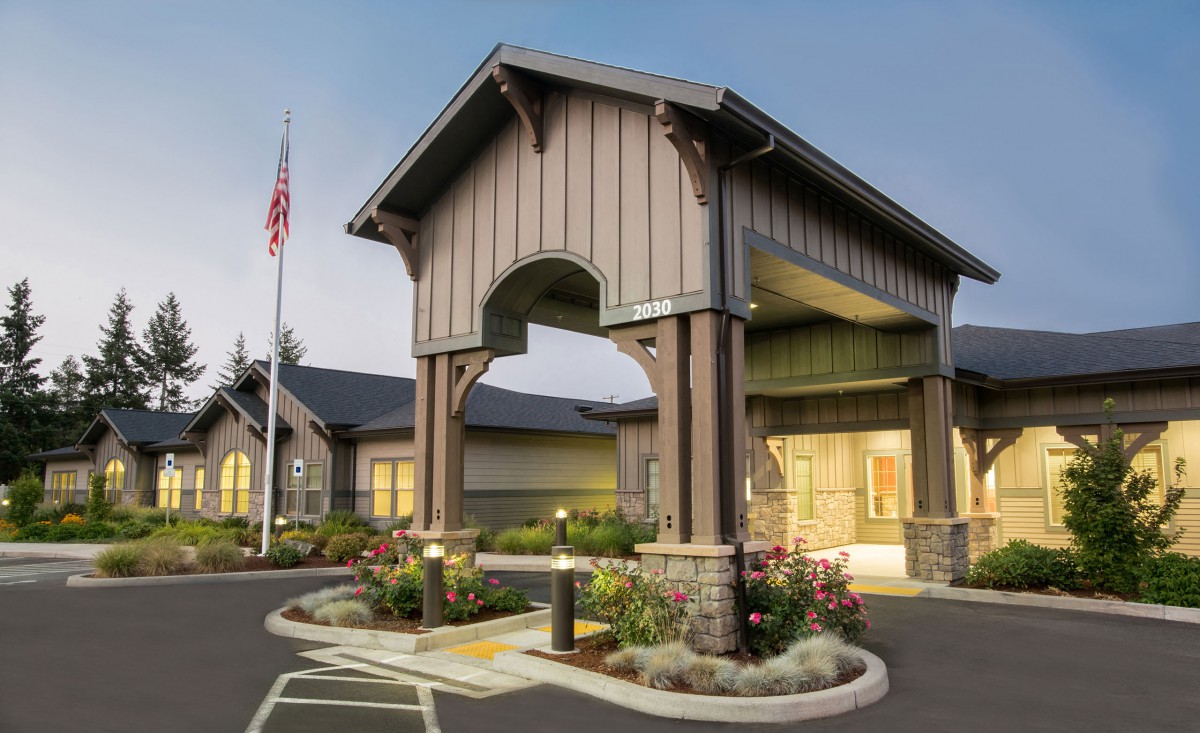
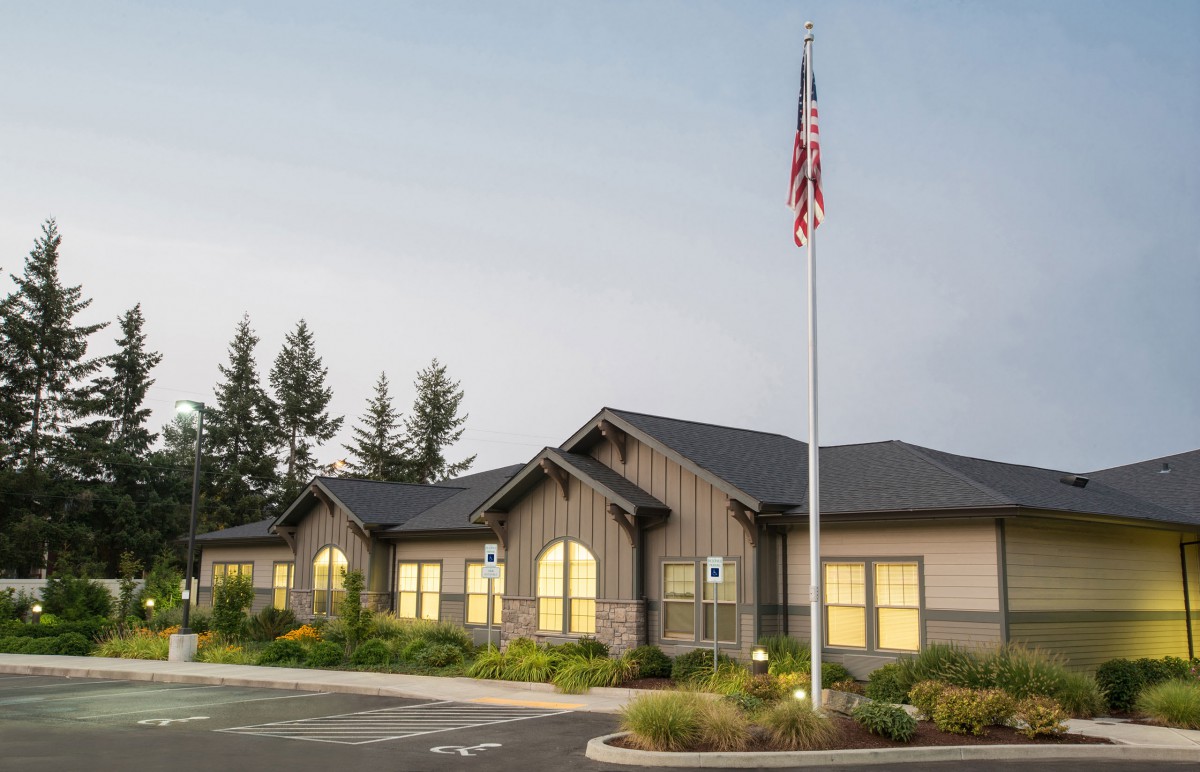
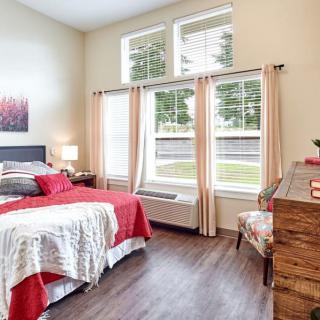
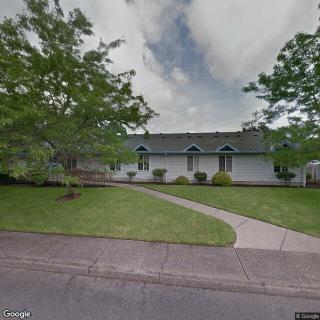
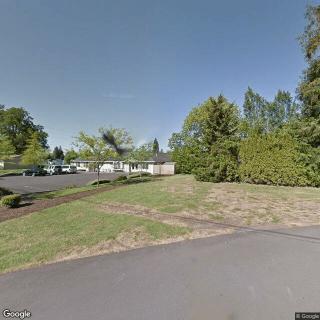
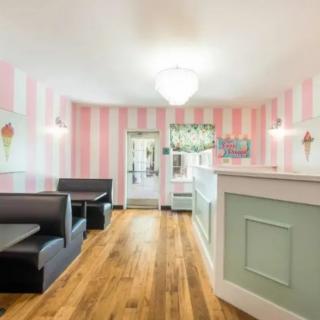
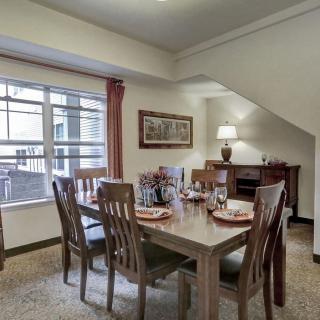
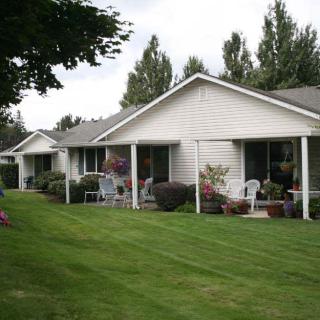
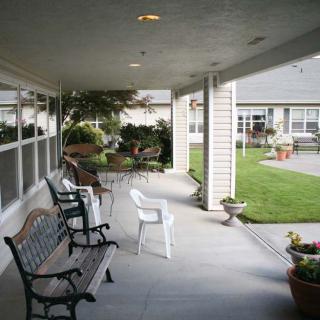
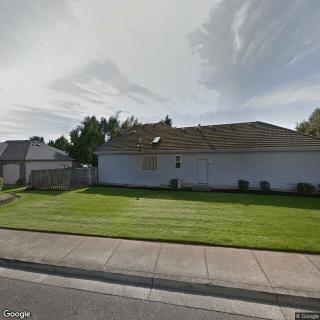
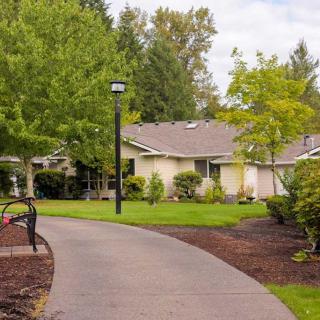
Windsong Memory Care at Eola Hills on seniors.fyi includes 5 photos including images showing landscaping, building, architecture, flag, exterior, entrance, garden, and more.
Nearby Communities
Windsong At Eola Hills
Salem, OR
3.7 from 27 reviews
Montessori-inspired, person-centered care with attentive staff, engaging activities, and good dining in a smaller, newer community.
Absolute Luxuary Senior Home
Salem, OR
Upscale senior living with extensive nearby amenities (healthcare, parks, dining).
Prestige Senior Living Orchard Heights
Salem, OR
3.9 from 72 reviews
$4,400 to $6,200 / month
Caring staff in a welcoming, well-maintained community.
Gibson Creek Retirement Cottage & Assisted Living
Salem, OR
3.3 from 43 reviews
$3,260 to $4,450 / month
Friendly, attentive staff with clean, well-maintained facilities and engaging activities.
Gibson Creek By Bonaventure
Salem, OR
3.7 from 25 reviews
Broad care options (Assisted Living, Independent Living, Memory Care) with memory care programming and extensive amenities.
Premier Care Homes
Salem, OR
5 from 1 review
$3,500 to $5,000 / month
Well-maintained facility with friendly staff, tasty meals, and private rooms with private baths.
Capital Manor
Salem, OR
4.7 from 105 reviews
Warm, intimate atmosphere with caring staff, extensive activities, and affordable, well-maintained living options.
Jason Lee Manor
Salem, OR
4 from 10 reviews
Clean, well-maintained building with a standout library.
FirstLight Home Care of Salem, OR
Salem, OR
4.5 from 67 reviews
Responsive caregivers with good staff matching and light cleaning/companionship.
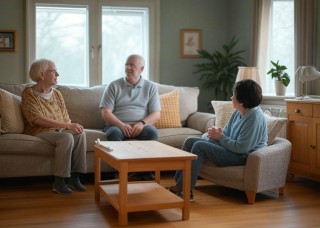
The article outlines effective communication strategies for interacting with loved ones with dementia, highlighting the need for empathy, patience, and understanding while emphasizing supportive approaches like using simple language, minimizing distractions, and focusing on feelings over facts to maintain dignity and foster connection. It also suggests seeking professional guidance when needed as communication challenges evolve.
VA nursing homes, or Community Living Centers (CLCs), offer tailored long-term care for veterans, featuring medical attention and rehabilitation in a supportive environment. The guide covers facility types, eligibility criteria, financial assistance options, quality of care standards, and alternatives to full-time nursing home placement.
At-home dementia care expenses vary widely based on care levels, location, and caregiver expertise, with monthly costs for home health aides exceeding $4,500 and specialized care potentially surpassing $100,000 annually. While families favor in-home care for its comfort and personalized attention, they must consider financial planning and the challenges of caregiver fatigue.
Get PricingAsk A QuestionSchedule A TourContact Senior Advisor
By clicking submit, you agree to our Partner's Terms of Use. You
also consent to receive calls and texts, which may be autodialed, from our Partner. Your consent is not a condition to
using our Partner's service. Please visit our Partner's Privacy Policy for information about their privacy practices.


 Memory Care
 Activities off-site
 Air-conditioning
 Bath tubs
 Beautician on-site
 Cable or satellite TV
 Devotional services on-site
 Dining room
 Garden
 Ground floor units
 Guest parking
 Home sale assistance
 Indoor common areas
 Laundry
 Outdoor common areas
 Party space
 Respite or short term stays offered
 Security gate
 Wheelchair accessible showers
 Wi-Fi/high-speed internet available
 Transportation & parking
 Ambulatory care
 Diabetic care
 High acuity care
 Hospice care
 Incontinence care
 Medication management
 Guest meals
 Art classes
 Cooking classes
 Day trips and outings
 Educational speakers / life long learning
 Fitness programs
 Games
Games Live dance or theater performances
 Live musical performances
 Stories
 Tai Chi
 Trivia games
 Wine tasting
 Montessori-inspired, person-centered care with attentive staff, engaging activities, and good dining in a smaller, newer community.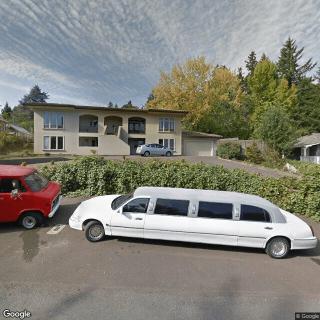
 How to Communicate with a Loved One Living with Dementia: 10 Supportive Strategies
 Comprehensive Guide to VA Nursing Homes: A Crucial Long-Term Care Resource for Veterans
 Estimating the Expenses of At-Home Dementia Care: A Detailed Exploration