For more information about senior living options: (866) 208-4318
3.7 from 25 reviews
5 stars
14
4 stars
2
3 stars
2
2 stars
1
1 stars
6
Overall Review of Gibson Creek By Bonaventure
common18 reviews mention this
Staff care gets consistent praise
Residents and families frequently describe staff as caring, respectful, and attentive to needs.
Across many reviews, people describe staff members as kind, knowledgeable, and respectful. Several mention quick attention to medical or safety concerns, including a nurse checking a visitor’s blood sugar and monitoring until they felt better. Others also say staff help with daily needs and treat residents like people, not just tasks. A few reviews go the other way, describing rude behavior and inadequate follow-through, especially in high-stress moments.
common9 reviews mention this
Cleanliness stands out in visits
Multiple reviews say the building is consistently clean and well kept.
Several residents and families describe the community as clean and tidy, including comments about seeing a neat, well-maintained facility during visits. Some reviews also tie cleanliness to infection-control expectations. A smaller number of reviews raise serious sanitation concerns, including reports of unclean items and bed-area cleanliness issues. Taken together, cleanliness appears important to both positive and negative experiences.
common4 reviews mention this
Activities keep residents engaged
Reviews repeatedly mention an active schedule of resident activities.
Residents and visitors describe the community as offering regular activities designed to keep people engaged and social. Multiple reviews cite a mix of group events such as games and movies, and at least one mentions therapy animals. One review also highlights room and resident engagement alongside the activity program. Overall, activities show up as a concrete part of daily life for many families.
caveat4 reviews mention this
Food quality is mixed
Dining reviews are split between praise for freshness and complaints about meals.
Some reviews say the kitchen staff prepare fresh, good-tasting food and describe meals as fine even for hospice situations. Others report problems with meal quality, including concerns that food is served cold and that salads and other dishes are not consistently appetizing. One review also connects these food complaints to broader care concerns. If you’re prioritizing dining, it seems worth looking closely at how meals are handled and how feedback is addressed.
caveat4 reviews mention this
Nighttime help and staffing concerns
A few reviews describe staffing gaps and difficulty getting help when needed.
Some negative reviews describe trouble getting anyone to answer the phone at night and cite ongoing understaffing. Others mention long waits for assistance and describe situations that became worse once a resident was on hospice. One review also frames memory-care care as a concern due to lack of a dedicated nurse. While there are many positive staff experiences, these reviews point to uneven reliability during busier or nighttime periods.
differentiator4 reviews mention this
Memory care and hospice support
Reviews specifically mention support for memory care and hospice stays.
Some families describe choosing the community for memory care and say their loved one was treated with care and kindness. Hospice-related reviews also highlight staff attention, including making sure a spouse was fed and providing supportive care during a short hospice stay. Alongside that, at least one review raises concerns about nursing coverage for memory care, and another reports problems during hospice that extended to hygiene and response. This mix suggests that while hospice and memory care experiences can be positive, coverage and follow-through may vary by situation.
How we summarize
Counts show how many written reviews mention each theme; a review can touch several themes, and only frequently mentioned themes are displayed.
Features
Housing
65 resident community capacity
Types of Care
Assisted Living
Independent Living
Memory Care
Amenities
Air-conditioning
Beauty salon
Cable or satellite TV
Computer center
Dining room
Fitness room
Fully furnished
Gaming room
Garden
Housekeeping services
Kitchenette
Move-in coordination
Outdoor space
Private bathrooms
Restaurant-style dining
Small library
Telephone
Wellness center
Wi-Fi/high-speed internet available
Transportation
Community operated transportation
Transportation arrangement
Transportation arrangement (non-medical)
Transportation to doctors appointments
Care Services
12-16 hour nursing
24-hour call system
24-hour supervision
Activities of daily living assistance
Assistance with bathing
Assistance with dressing
Assistance with transfers
Coordination with health care providers
Dementia waiver
Diabetes diet
Hospice waiver
Meal preparation and service
Medication management
Mental wellness program
Mild cognitive impairment
Special dietary restrictions
Specialized memory care programming
Transportation arrangement (medical)
Transportation to doctors appointments
Dining
Diabetes diet
Special dietary restrictions
Activities
Community-sponsored activities
Concierge services
Fitness programs
Planned day trips
Resident-run activities
Scheduled daily activities
Nearby Places of Interest
Parks
Brush College City Park (0.3 miles)
Orchard Heights City Park (1.2 miles)
The Big Toy (1.7 miles)
Sunset Park (1.8 miles)
Riverfront Park (2.4 miles)
College Heights Park (2.4 miles)
Pringle City Park (3.1 miles)
Physicians
West Salem Family Practice (1.5 miles)
Dick Wallace H DDS (1.6 miles)
Young Terence H MD (1.6 miles)
Jacob A Jackson MD (1.7 miles)
Clear Choice Dermatology (1.8 miles)
Advanced Vascular Therapy (1.9 miles)
Northwest Medi Spa (2.1 miles)
Cafes
Java Crew (1.8 miles)
Starbucks (1.9 miles)
Dutch Bros Coffee (2 miles)
Urban Grange Coffee (2.5 miles)
Dutch Bros Coffee (2.6 miles)
Ike Box (2.8 miles)
Starbucks (2.9 miles)
Pharmacies
Walgreens (1.9 miles)
Fred Meyer Pharmacy (1.9 miles)
7 Leaf Collective (2.2 miles)
Rite Aid (2.5 miles)
Medicine Shoppe (2.7 miles)
Walgreens (2.7 miles)
Quisenberry Pharmacies Center Street Store (2.7 miles)
The comprehensive features offered by Gibson Creek By Bonaventure significantly enhance the quality of life for residents with dementia or Alzheimer's disease. The 24-hour supervision ensures that each resident receives constant monitoring and support, which is crucial for their safety and well-being. Assistance with activities of daily living, such as bathing and dressing, helps maintain personal dignity while addressing the challenges posed by cognitive decline. The coordination with healthcare providers ensures seamless medical oversight, while meal preparation and service cater to dietary needs, promoting nutrition essential for cognitive health. Medication management prevents errors in dosage, critical for individuals on multiple medications. Additionally, specialized memory care programming and a mental wellness program provide targeted activities that stimulate cognition and emotional well-being. For those with mild cognitive impairment, tailored interventions can slow progression, and transportation arrangements facilitate access to medical appointments--further integrating care into daily life without overwhelming the residents or their families.
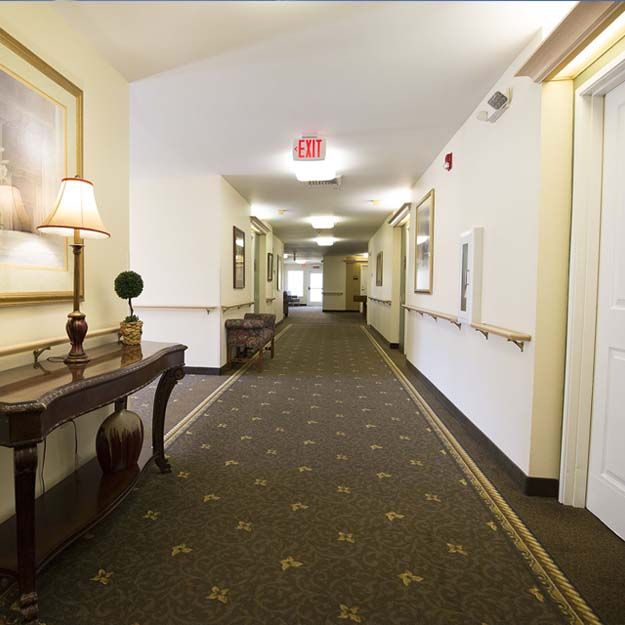
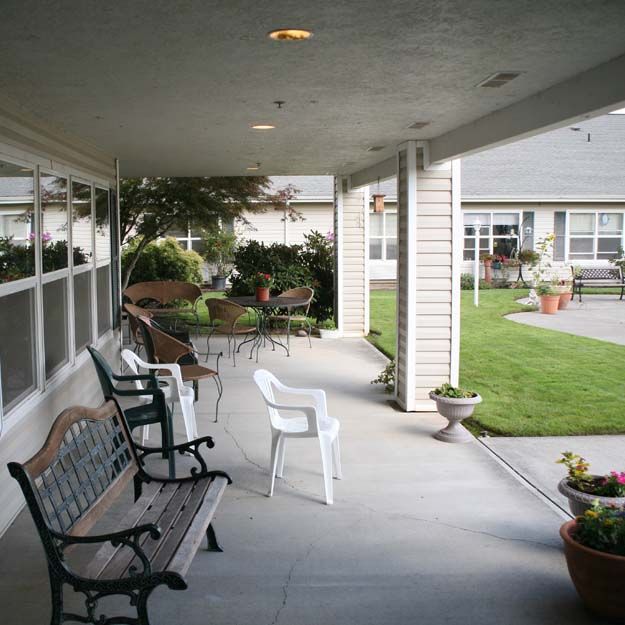
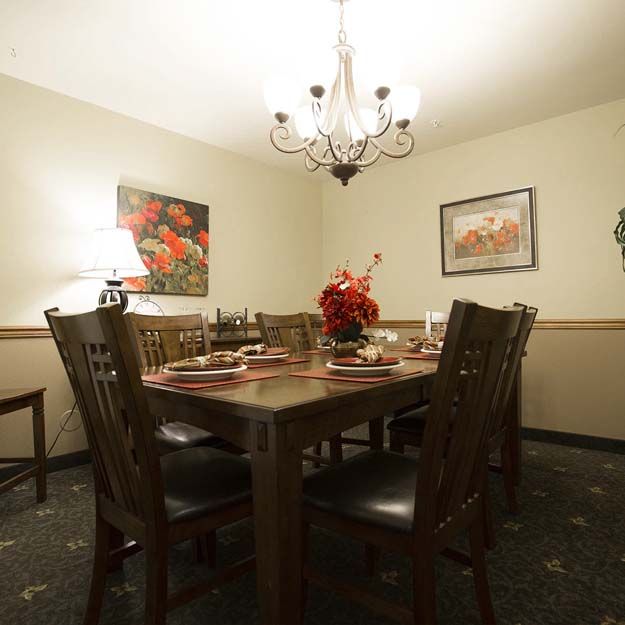
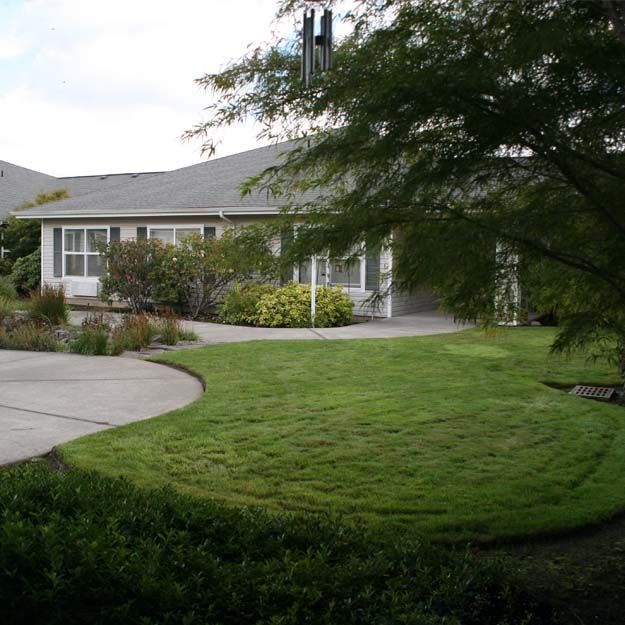
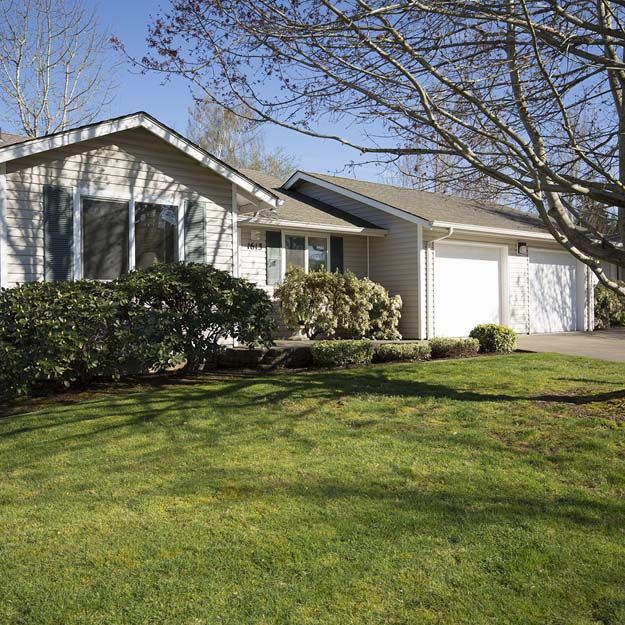
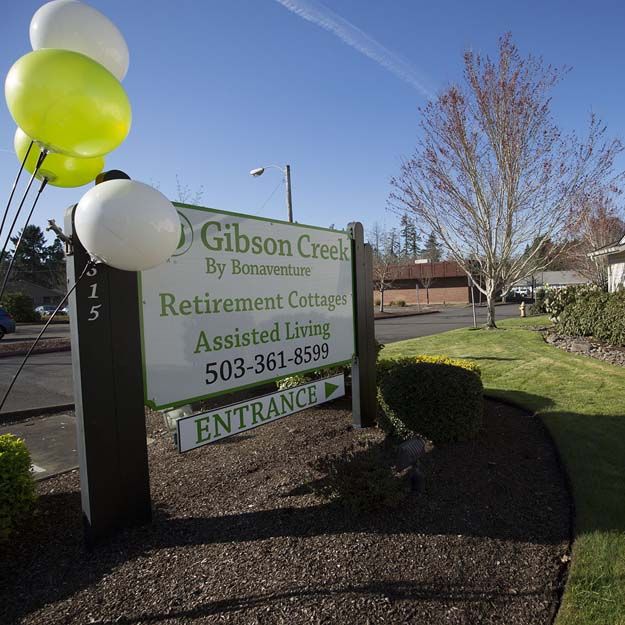
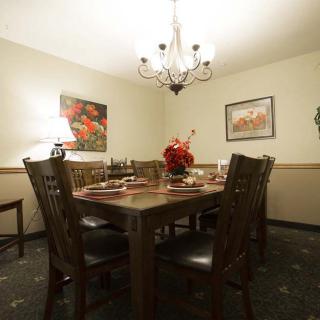
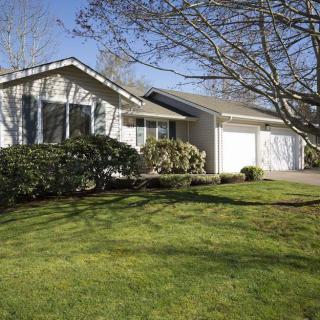
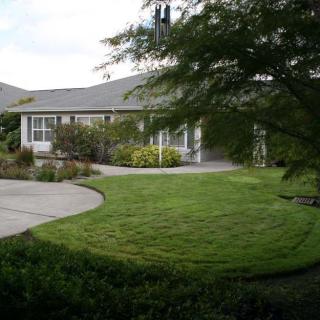
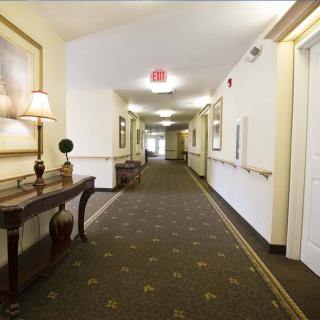
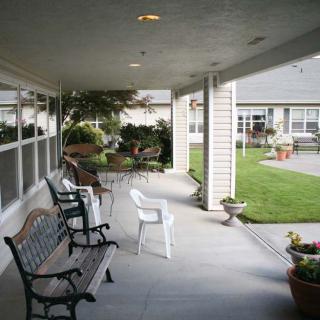
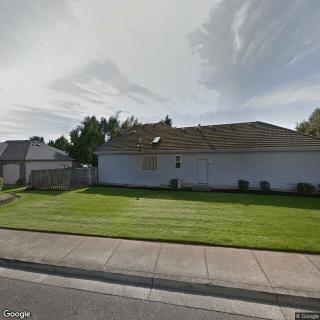
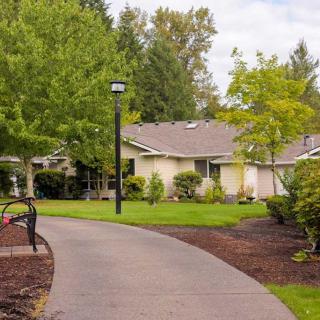
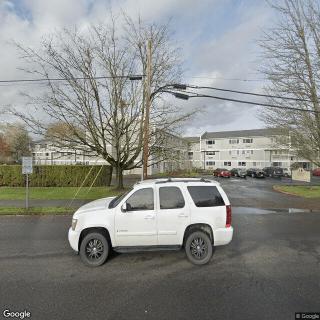
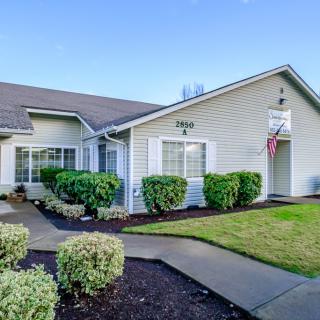
Gibson Creek By Bonaventure on seniors.fyi includes 6 photos including images showing interior, landscaping, garden, building, outdoors, hallway, lighting, paintings, and more.
Nearby Communities
Gibson Creek Retirement Cottage & Assisted Living
Salem, OR
3.3 from 43 reviews
$3,260 to $4,450 / month
Friendly, attentive staff with clean, well-maintained facilities and engaging activities.
Salemtowne
Salem, OR
Comprehensive care with dietary accommodations and access to nearby services.
Windsong At Eola Hills
Salem, OR
3.7 from 27 reviews
Montessori-inspired, person-centered care with attentive staff, engaging activities, and good dining in a smaller, newer community.
Windsong Memory Care at Eola Hills
Salem, OR
4 from 43 reviews
$6,385 to $7,375 / month
Montessori-based memory care with caring staff and engaging activities.
Premier Care Homes
Salem, OR
5 from 1 review
$3,500 to $5,000 / month
Well-maintained facility with friendly staff, tasty meals, and private rooms with private baths.
Absolute Luxuary Senior Home
Salem, OR
Upscale senior living with extensive nearby amenities (healthcare, parks, dining).
Capital Manor
Salem, OR
4.7 from 105 reviews
Warm, intimate atmosphere with caring staff, extensive activities, and affordable, well-maintained living options.
Jason Lee Manor
Salem, OR
4 from 10 reviews
Clean, well-maintained building with a standout library.
Sweet Bye N Bye Memory Care
Salem, OR
5 from 8 reviews
$5,075 to $5,600 / month
Intimate, staff-focused care in a small, 16-resident setting with responsive management.
Reminiscence therapy is a structured method for older adults, especially those with dementia, to share life stories using prompts and sensory cues, fostering emotional well-being, social engagement, and self-identity. It aims to improve quality of life by enhancing interpersonal connections and cognitive stimulation while requiring careful facilitation to avoid distressing memories.
Dementia, particularly Lewy body dementia, often involves hallucinations that can significantly distress both patients and caregivers due to disruptions in sensory processing and neurotransmitter imbalances. Effective management includes compassionate communication, environmental adjustments, and a multidisciplinary approach to care while addressing the emotional needs of caregivers.
Alzheimer’s disease is a progressive neurological disorder that significantly impacts memory and cognitive functions, accounting for 60-80% of dementia cases, with early diagnosis being crucial yet challenging. It involves brain changes like beta-amyloid plaques and tau tangles, influenced by genetic and lifestyle factors, and while there is no cure, symptom management and support for caregivers are essential.
Get PricingAsk A QuestionSchedule A TourContact Senior Advisor
By clicking submit, you agree to our Partner's Terms of Use. You
also consent to receive calls and texts, which may be autodialed, from our Partner. Your consent is not a condition to
using our Partner's service. Please visit our Partner's Privacy Policy for information about their privacy practices.

 65 resident community capacity
 Assisted Living
 Independent Living
 Memory Care
 Air-conditioning
 Beauty salon
 Cable or satellite TV
 Computer center
 Dining room
 Fitness room
 Fully furnished
 Gaming room
 Garden
 Housekeeping services
 Kitchenette
 Move-in coordination
 Outdoor space
 Private bathrooms
 Restaurant-style dining
 Small library
 Telephone
 Wellness center
 Wi-Fi/high-speed internet available
 Community operated transportation
 12-16 hour nursing
 24-hour call system
 Activities of daily living assistance
 Assistance with bathing
 Assistance with dressing
 Assistance with transfers
 Diabetes diet
 Hospice waiver
 Medication management
 Mental wellness program
 Special dietary restrictions
 Transportation arrangement (medical)
 Concierge services
 Planned day trips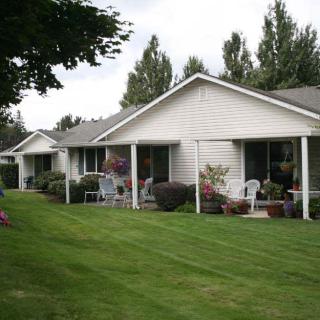
 Friendly, attentive staff with clean, well-maintained facilities and engaging activities.


 An In-Depth Look at Reminiscence Therapy in Dementia Care
 Dementia-Related Hallucinations: Causes, Experiences, and Practical Approaches
 Illuminating Insights About Alzheimer's Disease: Ten Crucial Realities