
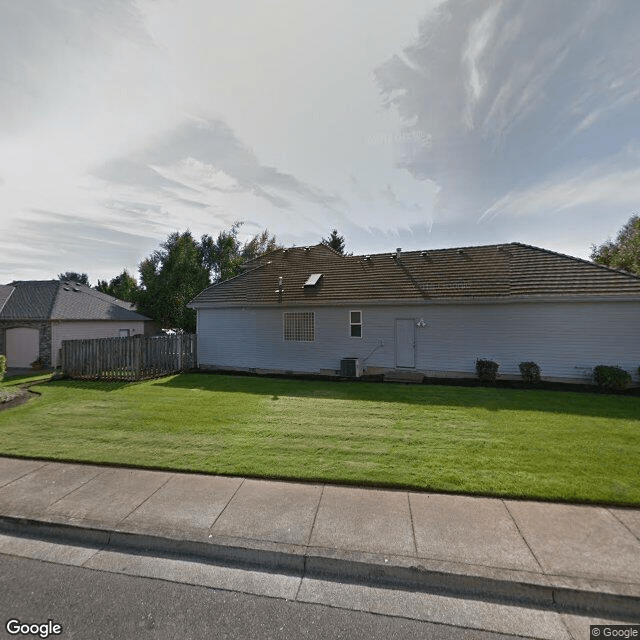
1548 Hallet Ct. NW, Salem, OR 97304
To contact a resident: (503) 798-5610
For more information about senior living options: (866) 208-4318
Premier Care Homes Costs & Pricing
At Premier Care Homes, the cost structure for various room types reflects a competitive stance in comparison to both Yamhill County and the state of Oregon. For a private room, Premier Care Homes is priced at $3,500 per month, slightly exceeding the county's average of $3,421 and the state's average of $3,424. When it comes to one-bedroom accommodations, the pricing shifts to $5,000 per month - the highest among local and state averages, which stand at $4,069 for Yamhill County and $3,904 for Oregon overall. These figures suggest that while Premier Care Homes may be positioned on the higher end for one-bedroom options, they still maintain an attractive rate for private rooms that aligns closely with regional norms.
| Floor plans | Premier Care Homes | Yamhill County | Oregon |
|---|---|---|---|
| Private | $3,500 | $3,421 | $3,424 |
| 1 Bedroom | $5,000 | $4,069 | $3,904 |
Memory care communities with a similar price nearby
-
from -$200 / mo
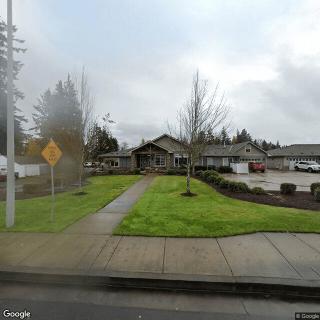
Harmony House of Salem
$3,300 to $3,550 / month4.2 miles away -
from -$585 / mo
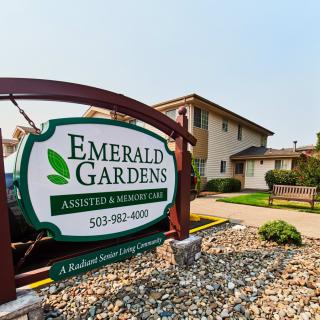
Emerald Gardens of Woodburn
$2,915 to $4,160 / month16.7 miles away -
from +$430 / mo
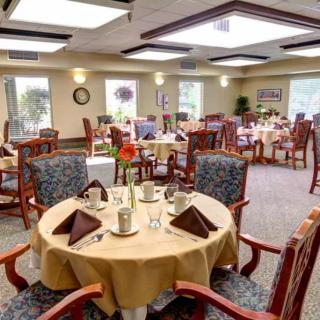
Silver Creek Senior Living
$3,930 to $5,730 / month16.4 miles away -
About the same
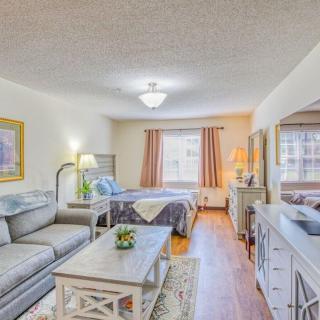
Emerald Gardens
$3,500 to $4,200 / month16.7 miles away -
from -$300 / mo
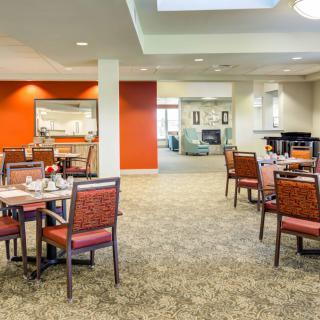
Waverly Place
$3,200 to $4,000 / month21.8 miles away
Overall Review of Premier Care Homes
Pros
 It was close to where the reviewer lived.
- It was nice.
- It seemed to be a good fit.
- It’s a lovely home.
- The staff were nice and seemed capable.
- The food is good.
- It has a very quiet and caring atmosphere.
Review
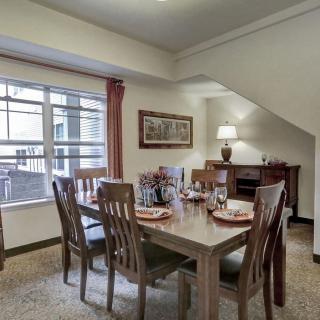
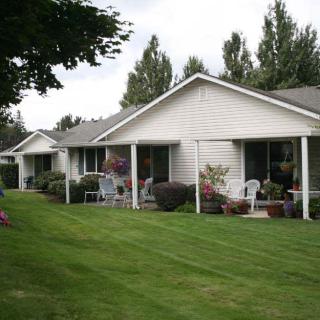
Premier Care Homes in Salem, Oregon is best suited for families seeking a memory-care focused environment that feels like a home rather than a campus. This community works best when proximity to family is a priority and a quiet, intimate setting is valued over large-scale programming. The lone reviewer highlighted a near-home location, a welcoming atmosphere, and care tailored specifically to memory care as key strengths. The residents’ meals were described as good, reinforcing the sense that daily living here centers on comfort, predictable routines, and a calm day-to-day rhythm. For families weighing the emotional and logistical burden of daily visits, the combination of a homelike feel and straightforward memory-care focus makes Premier Care Homes a compelling option.
Those who may want to consider alternatives should first assess whether a larger, more feature-rich environment is required. If a resident needs broader social opportunities, a wider slate of therapeutic activities, or access to on-site medical specialists beyond the typical memory-care scope, other facilities with bigger campuses may offer more extensive programming. Additionally, if staffing levels, around-the-clock medical oversight, or specialized cognitive therapies are non-negotiable, it’s prudent to compare Premier Care Homes against communities that clearly articulate higher staff-to-resident ratios and more diverse memory-care resources. In short, any family seeking robust amenities, multi-discipline care teams, or aggressive ante- and post-diagnosis support may want to explore alternatives.
The most persuasive pros here center on the essentials that matter daily: a homey atmosphere, friendly and capable staff, and a focused memory-care environment. The staff’s demeanor and apparent competence translate into reassurance for families worried about vigilance and responsiveness. A memory-care designation ensures the programming is designed with cognitive needs in mind, reducing the risk of mismatched activities and ensuring routines that support orientation and safety. The quality of the food further strengthens wellness and mood, while the quiet atmosphere helps minimize agitation and confusion for residents who thrive in predictable surroundings. Taken together, these elements form a coherent, low-stress lifestyle that can ease the anxiety many families feel when placing a loved one in care.
While the review centers on strengths, the absence of explicit drawbacks invites a careful, proactive evaluation. Potential concerns that families should confirm include the scope of daily activities, opportunities for social engagement, and whether the single-family-based setting can sustain a broad range of cognitive-stimulation options as needs evolve. Questions about staffing continuity, supervision during night hours, and access to additional therapies (speech, occupational, physical therapy) are essential. Also worth confirming are transparency around billing, what’s included in the rate, and any ancillary costs that could affect long-term budgeting. Because memory care is highly individualized, it’s critical to verify how flexible the program is for changing needs and how care plans are updated over time.
The favorable aspects offset potential drawbacks in practical, tangible ways. The close proximity to family makes frequent visits feasible, which in turn supports consistency in daily routines and personalized monitoring, key factors in memory-care success. A calm, caring atmosphere can significantly reduce resident stress and agitation, which often translates into safer behavior and fewer crisis moments. Strong, personable staff help families feel confident in supervision and responsiveness, a counterbalance to any perceived limits in programming breadth. Good meals contribute to overall health and mood, supporting cognitive engagement and energy for participation in safe activities. For caregivers who value a reassuring, quiet environment and direct access to a familiar team, the positives align well with everyday realities of caring for memory-impaired loved ones.
In deciding, families should approach Premier Care Homes with a clear set of practical questions and a plan for visits. Schedule in-person tours to gauge the interaction quality between staff and residents, observe how memories are nurtured through daily routines, and verify the consistency of care. Ask for a sample daily schedule, a current activity calendar, and a detailed description of the memory-care curriculum. Obtain a copy of the care plan process, including how assessments are conducted and how often updates are made. Finally, factor in proximity to home, the flexibility of visits, and the comfort level with the staff’s communication style. If these align with priorities, home-like ambiance, attentive staff, and a calm, memory-focused program, Premier Care Homes stands out as a prudent, well-suited choice for memory-care needs in Salem.
 Board and Care Home
 Memory Care
 Activities off-site
 Bath tubs
 Beautician on-site
 Indoor common areas
 Outdoor common areas
 Private
 Private bathrooms
 Respite or short term stays offered
 Wheelchair accessible showers
 Ambulatory care
 Diabetic care
 High acuity care
 Incontinence care
 Medication management
 Meals provided
 BBQs or picnics
 Birthday parties



 Vibrant Senior Living: A Comprehensive Guide for Active Older Adults
 Assisted Living and Memory Care: Understanding Their Core Differences
 Choosing the Right Senior Care: A Detailed Exploration of Assisted Living and Nursing Homes