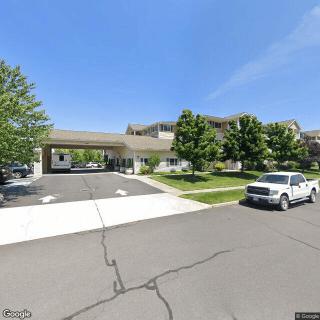
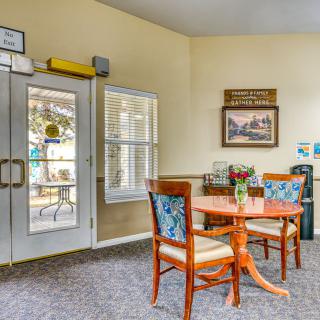
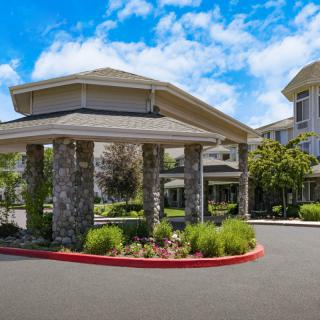
Countryside Living Of Redmond

1350 North West Canal Boulevard, Redmond, OR 97756

For more information about senior living options: (844) 490-3973

4.7 from 15 reviews
5 stars
14
4 stars
0
3 stars
0
2 stars
0
1 stars
1

Assisted Living Memory Care

What level of care are you interested in?

Assisted Living

Memory Care

Independent Living

Skilled Nursing Facility

Continuing Care Retirement Community (CCRC)CCRC

Other


Request a tour at Countryside Living Of Redmond

    Overall Review of Countryside Living Of Redmond

    Pros

    • pro The staff is amazing.
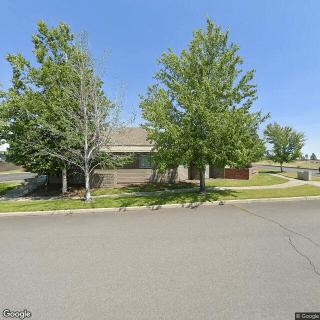
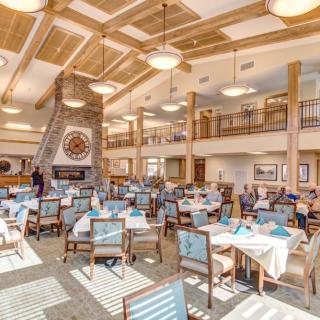
    • pro The facility is beautiful.
    • pro Everyone is well taken care of.
    • pro The staff are friendly, helpful, and compassionate.
    • pro The facility feels like home.
    • pro Countryside offers engaging activities that keep residents happy.
    • pro The daily visits from children at the daycare upstairs bring joy to residents.
    • pro The kindness and compassion displayed by the staff is genuine and heartfelt.

    Cons

    • pro The long-time staff at this memory care facility do not respect residents' autonomy and instead try to control them.
    • pro They do not work as a team and are not active in providing care, instead taking away the autonomy of other staff who do provide care.
    • pro The long-time staff lack the skills, professionalism, and work ethic required for memory care.
    • pro Management is not active in making necessary cultural changes for the residents and lacks judgment for not pursuing those changes.
    • pro The countryside living memory facility culture is not a healthy residential environment for residents due to the threatening of autonomy by the long-time staff.
    • pro The long-term staff and current new staff reprimand those who actively respect autonomy.
    • pro Amanda, the activities manager, lacks good judgment and endorses threats to autonomy, preferring staff to threaten autonomy because she thinks it is best for residents.

    Review

    Countryside Living Of Redmond is best suited for families seeking a warm, engaging memory-care environment where daily life centers on connection, purposeful activity, and a home-like atmosphere. Residents tend to respond well to regular programming, personal attention, and staff described by many families as genuinely caring and patient. The facility itself feels comfortable and inviting, with common spaces that resemble a lived-in home. For seniors with dementia who thrive on social contact, routine, and gentle stimulation - whether through crafts, music, or outings - Countryside offers a framework where companionship and meaningful moments become the norm rather than the exception.

    Those who may want to consider alternatives are families who prioritize resident autonomy as a non-negotiable element of care, or who seek a consistently unified caregiving culture with highly proactive leadership. A critical review raised concerns about long-time staff perceived to curtail autonomy, tensions between veteran and newer staff, and management's apparent hesitancy to drive cultural change. If a resident's well-being relies on unambiguous respect for autonomy, smooth inter-team collaboration, and transparent governance, this facility warrants careful comparison against others with more consistently documented cultural alignment and proactive culture work.

    The strong positives here - exceptional, compassionate staff; a beautiful, home-like setting; and abundant, engaging activities - can meaningfully offset many concerns for families who treasure daily warmth and personal connection. Residents benefit from frequent human interaction, hugs, crafts, snacks, live music, and opportunities to stay socially engaged. The day-to-day feel of Countryside seems to generate a sense of belonging and comfort that families repeatedly highlight as a critical, almost tangible advantage. In scenarios where memory care thrives on routine, personal attention, and a welcoming tone, these advantages carry significant weight.

    Yet, the darker thread in the feedback points to potential gaps in how autonomy is treated and how the cultural fabric is maintained. The most pointed critique suggests a culture that may suppress resident independence through long-standing staffing norms, with friction between older and newer staff that can undermine consistent care. If true, this could translate into variability in residents' experiences depending on who is on shift, and it raises concerns about whether management is actively enforcing a resident-centered culture. For families, this means the risk that a well-loved environment could become less empowering for the resident if autonomy is not safeguarded through clear policies and leadership accountability.

    From a practical decision-making standpoint, prospective families should verify several elements before committing. During visits, observe how staff interact with residents across different times of day and with residents who display varying levels of independence. Ask pointed questions about autonomy policies, how care plans are updated in response to resident preferences, and how management handles concerns about culture and teamwork. Inquire about staff training in dementia-specific care, measures to preserve dignity, and the channels for family feedback. Also seek to meet front-line caregivers and the activities team to gauge whether the daily rhythm aligns with what the loved one values most.

    In the end, Countryside Living Of Redmond presents a compelling choice for families prioritizing engagement, warmth, and a home-like setting with strong caregiving praise. The photos and daily activity calendar mirror a vibrant, human-centered approach that many families find reassuring and uplifting. However, for residents where autonomy and a consistently proactive, unified care philosophy are non-negotiable, the cautions raised about autonomy, culture, and leadership merit serious comparison with other communities. The decision should hinge on whether the resident's happiness and sense of belonging through active engagement outweigh a potential variability in autonomy-focused care and culture.

    Features

    Housing

    • 38 resident community capacity 38 resident community capacity

    Types of Care

    • Assisted Living Assisted LivingAssisted living facilities provide crucial support and care for seniors who may need help with daily tasks such as medication management, bathing, and meal preparation. These communities offer a safe and comfortable environment where seniors can maintain their independence while receiving the assistance they need to thrive in their golden years.
    • Memory Care Memory CareMemory care is crucial for seniors as it provides specialized support and services for individuals with dementia or Alzheimer's disease. These programs offer a safe and secure environment where residents receive personalized care, cognitive stimulation, and help with daily activities. Memory care helps seniors maintain their independence, quality of life, and dignity while also providing peace of mind for their families.

    Amenities

    • Beauty salon Beauty salonBeauty salons are important for seniors because they provide a space for them to feel pampered, socialize, and maintain their personal grooming and hygiene. Regular visits to a beauty salon can help boost seniors' self-esteem and overall well-being.
    • Cable or satellite TV Cable or satellite TVCable or satellite TV is important for seniors because it provides entertainment, news, and companionship, helping to combat loneliness and boredom. It also offers a wide range of programming options tailored to different interests and preferences.
    • Dining room Dining roomDining rooms are important for seniors as they provide a space for socialization, connection, and nutritious meals. They offer opportunities for residents to bond over shared meals, foster a sense of community, and promote healthy eating habits. Dining rooms also ensure that seniors have access to well-balanced meals tailored to their dietary needs and preferences.
    • Fully furnished Fully furnishedFully furnished senior living communities are important for seniors because they provide convenience, comfort, and a hassle-free moving experience. Seniors can easily settle into their new living space without the stress of having to buy and move furniture. This allows them to focus on enjoying their new home and community.
    • Garden GardenGardens are important for seniors as they provide a peaceful and therapeutic environment for relaxation, physical activity, and socialization. Being in nature has been shown to reduce stress, improve mood, and promote overall well-being. Gardens also offer opportunities for seniors to engage in gardening activities, which can improve mobility, flexibility, and cognitive function. Additionally, gardens create a sense of community and connection with others who share a passion for plants and outdoor spaces.
    • Housekeeping services Housekeeping servicesHousekeeping services are important for seniors because they help maintain a clean and safe living environment, promote independence, and reduce the risk of accidents or illnesses. Additionally, having assistance with household chores can alleviate physical strain and allow seniors to focus on other aspects of their well-being.
    • Kitchenette KitchenetteKitchenettes are important for seniors living in senior living communities because they provide the convenience and independence of being able to prepare simple meals and snacks in the comfort of their own living space. This can help promote a sense of autonomy and well-being for seniors, allowing them to maintain some level of control over their dietary choices and daily routines.
    • Move-in coordination Move-in coordinationMove-in coordination is important for seniors because it helps ease the transition into their new living environment. It ensures that all logistics, such as packing, organizing movers, and setting up utilities are taken care of, allowing seniors to focus on settling in and adjusting to their new home. Having a smooth move-in process can alleviate stress and anxiety, making the transition smoother and more enjoyable for seniors.
    • Outdoor space Outdoor spaceOutdoor spaces are important for seniors as they provide opportunities for physical activity, social interaction, exposure to natural light and fresh air, and a sense of connection to nature. Having access to outdoor spaces can improve overall well-being and quality of life for older adults living in senior communities.
    • Restaurant-style dining Restaurant-style diningRestaurant-style dining is important for seniors because it allows them to enjoy delicious, nutritious meals in a social and upscale setting. This enhances their dining experience, promotes healthy eating habits, and fosters socialization with fellow residents, ultimately contributing to their overall well-being and quality of life.
    • Small library Small librarySmall libraries are important for seniors as they provide access to a variety of reading materials, including books, newspapers, and magazines. This can help stimulate their minds, keep them engaged, and provide a sense of community through book clubs and other social activities. Additionally, reading has been shown to improve cognitive function and overall mental well-being in older adults.
    • Telephone TelephoneTelephones are important for seniors as they provide a lifeline for communication with loved ones, emergency services, and healthcare providers. They offer a sense of security and independence, enabling seniors to stay connected and access assistance when needed.
    • Wi-Fi/high-speed internet available Wi-Fi/high-speed internet availableWi-Fi/high-speed internet is important for seniors to stay connected with loved ones, access online resources, and participate in virtual activities to combat feelings of loneliness and isolation. It also allows them to easily manage healthcare needs, access entertainment, and engage in lifelong learning opportunities.

    Transportation

    • Roberts (3 miles away) Roberts (3 miles away)

    Care Services

    • 24-hour call system 24-hour call system24-hour call systems are important for seniors because they provide peace of mind and immediate assistance in case of emergencies. This technology ensures that help is always available, promoting safety and security for elderly individuals living alone or in assisted living facilities.
    • 24-hour supervision 24-hour supervision24-hour supervision is important for seniors to ensure their safety, well-being, and access to immediate assistance in case of emergencies or health issues. This constant support provides peace of mind for both seniors and their loved ones, allowing them to age in place with dignity and security.
    • Activities of daily living assistance Activities of daily living assistanceActivities of daily living assistance are important for seniors because they provide essential support with tasks such as eating, bathing, dressing, and mobility. This assistance helps seniors maintain their independence, dignity, and overall quality of life as they age.
    • Assistance with bathing Assistance with bathingAssistance with bathing is crucial for seniors as it helps maintain personal hygiene, prevents infections, and ensures their overall well-being and comfort. It also provides a sense of dignity and independence for seniors who may struggle with this task on their own.
    • Assistance with dressing Assistance with dressingAssistance with dressing is important for seniors because it helps maintain their independence, promotes personal hygiene, prevents accidents and injuries, and improves overall quality of life. This service ensures that seniors can continue to dress comfortably and confidently, despite any physical limitations they may have.
    • Assistance with transfers Assistance with transfersAssistance with transfers is crucial for seniors as it helps prevent falls and injuries, maintains their independence, and ensures they can safely navigate their living environment. It also provides peace of mind for both seniors and their loved ones.
    • Diabetes diet Diabetes dietA diabetes diet is crucial for seniors as it helps manage blood sugar levels, reduce risks of complications, and improve overall health and well-being. By following a balanced and nutritious diet tailored to their specific needs, seniors can better control their diabetes and enhance their quality of life.
    • Meal preparation and service Meal preparation and serviceMeal preparation and service are crucial for seniors as they may have limited mobility or energy to cook nutritious meals. Having access to healthy and convenient food options can ensure they are getting the proper nutrition needed to maintain their overall health and well-being.
    • Medication management Medication managementMedication management is crucial for seniors to ensure they are taking the right medications at the correct dosages and times. This helps prevent adverse drug interactions, reduces the risk of medication errors, and promotes overall health and well-being. Proactive management also allows for adjustments as needed based on changing health conditions or new prescriptions.
    • Mental wellness program Mental wellness programMental wellness programs are essential for seniors as they promote cognitive stimulation, emotional support, and social engagement. These programs help prevent isolation, depression, and cognitive decline, ultimately enhancing the overall quality of life for older adults.
    • Mild cognitive impairment Mild cognitive impairment"Mild cognitive impairment" is important for seniors because it is an early stage of cognitive decline that can potentially progress to more severe conditions such as dementia. Recognizing and addressing mild cognitive impairment can help seniors receive appropriate care and support to maintain their quality of life and independence for as long as possible.
    • Special dietary restrictions Special dietary restrictionsSpecial dietary restrictions are important for seniors because age-related changes in metabolism and health conditions can make it difficult for their bodies to process certain foods. By following a diet tailored to their specific needs, seniors can maintain their overall health and well-being, manage chronic conditions, and reduce the risk of complications such as malnutrition or food interactions with medications.
    • Specialized memory care programming Specialized memory care programmingSpecialized memory care programming is crucial for seniors with cognitive impairments such as dementia or Alzheimer's disease. These programs provide a safe and supportive environment tailored to the unique needs of individuals with memory loss, helping them maintain their independence, dignity, and quality of life.

    Dining

    • Diabetes diet Diabetes dietA diabetes diet is crucial for seniors as it helps manage blood sugar levels, reduce risks of complications, and improve overall health and well-being. By following a balanced and nutritious diet tailored to their specific needs, seniors can better control their diabetes and enhance their quality of life.
    • Special dietary restrictions Special dietary restrictionsSpecial dietary restrictions are important for seniors because age-related changes in metabolism and health conditions can make it difficult for their bodies to process certain foods. By following a diet tailored to their specific needs, seniors can maintain their overall health and well-being, manage chronic conditions, and reduce the risk of complications such as malnutrition or food interactions with medications.

    Activities

    • Community-sponsored activities Community-sponsored activitiesCommunity-sponsored activities are important for seniors as they provide opportunities for social interaction, mental stimulation, and physical activity. These activities can help improve overall well-being, combat loneliness and isolation, and promote a sense of belonging and purpose among older adults.
    • Resident-run activities Resident-run activitiesResident-run activities are important for seniors as they encourage social interaction, creativity, and a sense of autonomy. These activities empower seniors to stay engaged and active in their community while fostering meaningful connections with their peers.
    • Scheduled daily activities Scheduled daily activitiesScheduled daily activities are important for seniors because they provide structure, socialization, mental stimulation, and physical activity. Engaging in regular activities can improve overall well-being and quality of life for seniors living in a community setting.

    Description

    Countryside Living Of Redmond is an assisted living community located in Redmond, OR. This community specializes in providing memory care for individuals with Alzheimer's disease or other forms of dementia.

    Residents at Countryside Living Of Redmond can enjoy a variety of amenities to enhance their daily lives. These amenities include access to cable or satellite TV, a communal dining room for socializing during meals, fully furnished living spaces, a beautiful garden for outdoor relaxation, and housekeeping services to ensure a clean and comfortable environment. Each resident also has access to a kitchenette for personal use.

    Move-in coordination is provided to make the transition into this community as smooth as possible. In addition, residents have access to outdoor spaces where they can enjoy fresh air and nature. The on-site restaurant-style dining ensures that residents receive nutritious and delicious meals throughout the day.

    For those who enjoy reading, there is a small library available on-site. Telephone and high-speed internet services are also provided for residents' convenience.

    Countryside Living Of Redmond offers comprehensive care services around the clock. Trained staff provide 24-hour supervision, as well as assistance with activities of daily living such as bathing, dressing, and transfers. Specialized memory care programming is available for individuals with cognitive impairments.

    The community also focuses on promoting mental wellness through its mental wellness program. Residents with diabetes or specialized dietary restrictions receive personalized meal preparation and service tailored to their needs. Medication management ensures that residents receive their medications promptly and accurately.

    Residents at Countryside Living Of Redmond have access to various activities designed to engage them socially and mentally. These activities range from resident-run events to scheduled daily activities led by staff members.

    Additionally, the surrounding area offers convenient amenities such as cafes, parks, pharmacies, physicians' offices, restaurants, transportation options, places of worship, and hospitals nearby.

    Overall,Countryside Living Of Redmond provides a supportive and enriching environment for individuals in need of memory care. With its comprehensive range of amenities and services, residents can feel comfortable, safe, and engaged in their daily lives.

    Nearby Places of Interest

    Physicians

    • Mosaic Medical (0.1 miles)
    • Central Oregon Magnetic Resonance Imaging (0.2 miles)
    • Bend Dermatology - Redmond (0.2 miles)
    • St Charles Family Care (0.2 miles)
    • Cascade Medical Imaging (0.2 miles)
    • Cancer Care Of The Cascades (0.2 miles)
    • Central Oregon Pediatric Assoc (0.2 miles)

    Hospitals

    • St Charles Medical Center-Redmond (0.1 miles)
    • Family Choice Urgent Care (1.9 miles)

    Pharmacies

    • Redmond Pharmacy & Compounding Center (0.2 miles)
    • Rite Aid (1.6 miles)
    • Walgreens (1.8 miles)

    Restaurants

    • Sno/Cap Drive In (0.3 miles)
    • Panda Express (0.5 miles)
    • Sonic Drive-In (0.5 miles)
    • Initiative Brewing (0.6 miles)
    • Black Bear Diner Redmond (0.7 miles)
    • Wild Ride Brewing (1 miles)
    • Diego's Spirited Kitchen (1.1 miles)

    Cafes

    • Dutch Bros Coffee (0.4 miles)
    • Full Throttle Java (1 miles)
    • Big O Bagels (1.6 miles)
    • Starbucks (1.7 miles)
    • Redpoint Climbers Supply (4.4 miles)
    • County Line Coffee Company (7.9 miles)
    • Tumalo Coffeehouse (12.5 miles)

    Places of Worship

    • St Thomas Catholic Church (1.1 miles)
    • Powell Butte Christian Church (7.9 miles)
    • Shiloh Ranch Cowboy Church (11.2 miles)
    • First Church Of God (15.7 miles)
    • First Landmark Missionary Baptist of Prineville (15.7 miles)
    • Good Samaritan Ministries (15.9 miles)
    • St Joseph's Parish Hall (15.9 miles)

    Parks

    • Cline Falls State Park (1.3 miles)
    • Redmond Caves (2.8 miles)
    • Smith Rock State Park (5.2 miles)
    • Peter Skene Ogden State Scenic Viewpoint (7.2 miles)
    • Brasada Trails (10.8 miles)
    • Tumalo State Park (13.6 miles)
    • Robert Sawyer State Park (15.6 miles)

    Transportation

    • Leading Edge Jet Center (2 miles)
    • Roberts Field-Redmond Municipal Airport (RDM) (2.4 miles)
    • Prineville Airport (PRZ) (13.2 miles)
    • U-Haul Neighborhood Dealer (14.9 miles)

    Frequently Asked Questions

    Where is Countryside Living Of Redmond?
    Does Countryside Living Of Redmond provide care for residents with dementia or Alzheimer's disease?

    Nearby Communities

    • Countryside Living Redmond

      Countryside Living Redmond

      Redmond, OR

      4.7 from 36 reviews
      $7,060 to $7,801 / month

      pro Beautiful lodge-style facility with caring staff and active memory-care programming.

    • Home Instead - Bend,  OR

      Home Instead - Bend, OR

      Bend, OR


      pro Convenient location with broad access to amenities and healthcare.

    • Juniper Springs Senior Living

      Juniper Springs Senior Living

      Redmond, OR


      pro Wide range of care options (independent, assisted, memory care) with 24/7 supervision, medication management and extensive on-site amenities.

    • Ashley Manor - Rimrock

      Ashley Manor - Rimrock

      Redmond, OR

      4.2 from 25 reviews
      $3,100 to $7,880 / month

      pro Clean, well-organized facility with attentive staff and engaging activities.

    • Hospice of Redmond

      Hospice of Redmond

      Redmond, OR


      pro Excellent access to nearby healthcare, dining, and transportation

    • Ashley Manor Rimrock

      Ashley Manor Rimrock

      Redmond, OR


      pro Personalized care with daily living assistance, tailored meals, housekeeping, and coordinated health services in a homelike board-and-care setting.

    • Whispering Winds Retirement

      Whispering Winds Retirement

      Bend, OR

      4.5 from 11 reviews
      $1,925 to $2,975 / month

      pro Positive resident and family testimonials; nurturing, engaging environment.

    • Awbrey Place Assisted Living and Memory Care

      Awbrey Place Assisted Living and Memory Care

      Bend, OR

      3.8 from 47 reviews
      $2,522 to $4,360 / month

      pro Caring staff in a small, homey community with active social programs and memory-care focus.

    • Stone Lodge

      Stone Lodge

      Bend, OR

      4.4 from 105 reviews
      $2,495 to $4,595 / month

      pro Clean, well-maintained facility with friendly staff and engaging activities; good value.

    Assisted Living in Nearby Cities

    Related Resources

    • dementia and angerWhen Dementia Sparks Anger and Aggression: Understanding the Connection and Ways to Cope

      Dementia leads to cognitive impairment and can cause emotional and behavioral changes, including aggression that arises from frustration, confusion, or fear. Effective coping strategies for caregivers include understanding dementia's nature, recognizing triggers, using empathetic communication, and employing non-pharmacological interventions like music and art therapy.

    • dementia behaviorsDementia Behaviors: In-Depth Understanding and Effective Coping Strategies

      Dementia causes cognitive decline and challenging behaviors that caregivers must manage, necessitating an understanding of the neurological basis of these issues. Effective strategies and self-care for caregivers can enhance support for those with dementia and improve their daily lives.

    • does my mom have dementia quiz5 Early Indicators of Dementia and What You Can Do

      The content outlines five key early indicators of dementia, including significant memory loss and confusion about time and place, while emphasizing the need for professional evaluation and emotional support for both individuals showing symptoms and their caregivers. It encourages family members to monitor these signs closely and use online quizzes for initial awareness.


    Get Pricing Ask A Question Schedule A Tour Contact Senior Advisor