

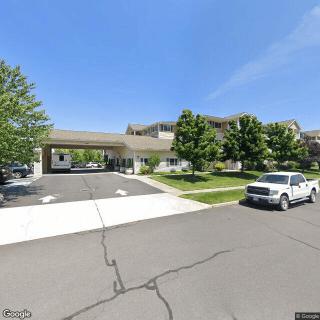
732 SW 23rd Street, Redmond, OR 97756
To contact a resident: (541) 548-7483
For more information about senior living options: (866) 208-4318
Overall Review of Hospice of Redmond
Pros
 Volunteers report that volunteering broadens their horizons and opens their hearts.
- They find the mental peace provided by hospice volunteering priceless.
- They absolutely love volunteering with Redmond Hospice.
- The training, combined with their love to help and care for people, makes their experience very fulfilling.
- Providing a smile, a helping hand, and a shoulder to lean on for patients and families is very rewarding.
- The staff at Hospice of Redmond offers individualized, loving care.
- Transitions provides free support, resources, and professional navigation through health journeys.
Cons
 They allow employees to park anywhere, including a motorcycle on the sidewalk, which is inappropriate.
- The bereavement counselor Kat was rude to the reviewer and seemed to think she is God.
- The place is disorganized and employs rude people.
- The staff were unhelpful, as Kat redirected the conversation to her own loss instead of addressing the reviewer’s feelings.
Review
Hospice of Redmond is best suited for families that want deeply personalized end-of-life care delivered in Central Oregon, with Redmond as a home base and services extended to the broader region. The strongest fit is for patients who value hands-on nursing attention paired with a robust, active volunteer program that offers companionship, respite for caregivers, and a humane, family-centered approach. The program also appeals to families seeking ongoing navigation and emotional support through transitions, evidenced by the Transitions resources and the organization’s visible commitment to honoring loved ones (such as the Wall of Honor). In short, this community works best when the aim is compassionate, relationship-centered care that treats the patient and family as a unit rather than a checklist.
That said, a minority of reviewers flag reasons to consider alternatives. Some families may place a premium on seamless administrative coordination or consistently courteous interactions across all teams, including Bereavement Services. A few notes point to disorganization or variability in experiences with staff, including a perception of impersonal or brusque communication in some bereavement encounters. Parking policies and occasional administration friction also surface in one review as a mismatch with expectations. For families that prioritize near-flawless operational execution, or who want a uniformly uniform experience across every touchpoint, exploring other hospices or palliative-care providers in the region could be a prudent step.
The program’s true strengths lie in people and purpose. Nurses and direct-care staff deliver individualized attention that many families describe as attentive and professional, while volunteers broaden the circle of support with companionship, practical respite, and a sense of steady presence during challenging days. The breadth of volunteer involvement, spanning patient moments to family care, augments formal care with warmth, practical help, and flexible support. The Transitions program adds practical value by offering free resources and navigation through health journeys, reducing friction at a time when clear guidance matters. The service footprint across Bend and Central Oregon further enhances access for families outside Redmond, making this a practical option for a wider catchment.
When the positive elements are weighed against the criticisms, the pros still carry substantial weight. The core outcome, improved quality of life for patients and reduced caregiver stress through respite and reliable, compassionate care, tends to offset concerns about occasional administrative missteps. The volunteer network acts as a force multiplier, extending care beyond paid staff and creating a more humane environment for both patient and family. The Transitions program adds a buffer against confusion in navigating health journeys, which is particularly meaningful for families facing complex decisions and shifting care needs. Taken together, the overall value proposition remains strong for most families.
Despite the favorable overall impression (a high rating with most reviewers praising warmth and professionalism), the presence of even a single critical account matters. The negative experiences cited, rude interactions from a bereavement staff member, disorganization, and a parking grievance, should be weighed against the broader record of care. They signal the importance of meeting the right people and ensuring clear, respectful communication from the outset. Prospective families should acknowledge that while many encounters are described as heartfelt and capable, administrative cohesion and staff tone can vary by team, location, and shift. These are surface-area concerns, but they matter in the weekly rhythm of hospice experience.
For families evaluating Hospice of Redmond, practical next steps are essential. Schedule a face-to-face visit to meet the care team, tour the facility, and observe interactions between nurses, volunteers, and families. Ask to speak with the nurse manager and the bereavement contact to understand how care coordination is managed day to day and what the response time looks like for inquiries. Inquire specifically about volunteer coverage, respite scheduling, and how the Transitions program is accessed. Clarify parking expectations and any site-specific policies to avoid surprises. With clear expectations and direct conversations, the decision will align with the priority of comfort, connection, and compassionate navigation through one of life’s most challenging chapters.
 Roberts (2 miles away)





 Exploring Nonmedical Home Care: Understanding Services, Costs, and Financial Approaches
 Engaging Brain Games and Innovative Apps to Keep Senior Minds Active
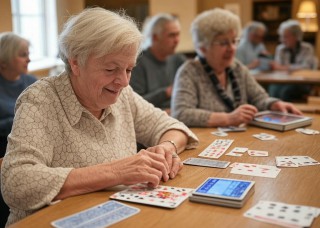 Effective Strategies for Keeping Seniors' Minds Active: A Deep Dive into Brain Games and Apps