For more information about senior living options: (866) 208-4318
4 from 103 reviews
5 stars
57
4 stars
21
3 stars
6
2 stars
3
1 stars
16
Brookdale Redmond Costs & Pricing
Brookdale Redmond offers a variety of accommodation options, with costs that reflect the premium services and amenities provided. For instance, the monthly fee for a studio is $5,615, which is significantly higher than both the county average of $4,373 and the state average of $3,815. The one-bedroom suites are priced at $6,425, again surpassing Deschutes County's average of $4,059 and Oregon's $3,904. Additionally, those opting for a semi-private room can expect to pay $6,884 - above the county's rate of $5,098 and considerably higher than the state's average of $4,457. This pricing structure highlights Brookdale Redmond's position as a premium choice for seniors seeking high-quality care in a vibrant community environment.
Floor plans
Brookdale Redmond
Deschutes County
Oregon
Studio
$5,615
$4,373
$3,815
1 Bedroom
$6,425
$4,059
$3,904
Semi-Private
$6,884
$5,098
$4,457
Memory care communities with a similar price nearby
Residents and families frequently describe the staff as kind, responsive, and patient.
A large share of reviews focus on how staff interact with residents, often describing staff as gentle, compassionate, and attentive. Several reviewers call out specific caregivers and note ongoing communication and personal involvement with their loved one. Even some critical reviews acknowledge that individual staff members work hard, even when they feel resources are stretched.
common14 reviews mention this
Meals and dining come up often
Dining is repeatedly mentioned positively, with residents and families describing the food as good.
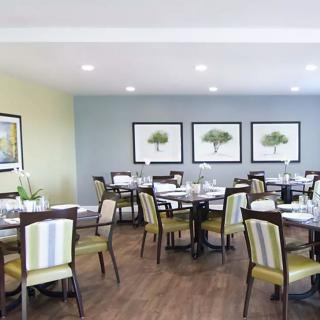
Many reviews mention the quality of meals, with families saying their loved ones enjoy eating there and describing meals as balanced or tasty. Several also reference dining as a social part of the day, including going to the dining room and having conversations around meals. The community’s offerings include restaurant-style dining and multiple dietary options, including low/no sodium and other special-diet support.
caveat10 reviews mention this
Care can feel short-staffed
Some residents and families report staffing gaps that affected monitoring and day-to-day support.
Several reviews describe memory care or care teams as under staffed or unable to keep up with needs. Complaints include insufficient monitoring for safety, delays in responding to issues, and care not matching what families expected when moving in. A few reviewers also mention housekeeping and activity gaps lasting weeks or months, reinforcing concerns that services did not run consistently for their loved ones.
caveat6 reviews mention this
Pricing feels high to families
Multiple reviews describe the monthly cost as too high for the level of support delivered.
Pricing is a recurring concern, with reviewers saying the community is overpriced and that care needs can drive rates upward. Some families felt billed amounts or contract details were not clearly communicated until after move-in. The posted pricing ranges also sit above both county and state benchmarks across unit types.
caveat5 reviews mention this
Activities and housekeeping are inconsistent
Some families report missing or infrequent activities and housekeeping follow-through.
While other reviews describe ongoing activities, multiple reviewers say activities were absent for extended periods. Housekeeping is also called out in some reviews as not being completed on schedule, including reports of housekeeping gaps lasting months. At the same time, the community lists a broad calendar of on-site and off-site activities, so experiences may vary by time and unit.
How we summarize
Counts show how many written reviews mention each theme; a review can touch several themes, and only frequently mentioned themes are displayed.
Features
Housing
77 resident community capacity
1-bedroom apartments
Studio apartments
Types of Care
Assisted Living
Independent Living
Memory Care
Pets
Cats allowed
Dogs allowed
Amenities
Activities off-site
Activities on-site
Air-conditioning
Beautician on-site
Beauty salon
Cable or satellite TV
Computer center
Devotional services off-site
Devotional services on-site
Dining room
Fitness room
Fully furnished
Gaming room
Garden
Handicap accessible
Housekeeping services
Indoor common areas
Kitchenette
Move-in coordination
Outdoor common areas
Outdoor space
Party space
Private bathrooms
Resident parking
Respite or short term stays offered
Restaurant-style dining
Small library
Telephone
Wellness center
Wheelchair accessible showers
Wi-Fi/high-speed internet available
Transportation
Roberts (2 miles away)
Community operated transportation
Transportation & parking
Transportation arrangement
Transportation arrangement (non-medical)
Care Services
12-16 hour nursing
24-hour call system
24-hour supervision
Activities of daily living assistance
Ambulatory care
Assistance with bathing
Assistance with dressing
Assistance with transfers
Coordination with health care providers
Diabetes diet
Diabetic care
High acuity care
Incontinence care
Meal preparation and service
Medication management
Mental wellness program
Mild cognitive impairment
Special dietary restrictions
Specialized memory care programming
Transportation arrangement (medical)
Transportation to doctors appointments
Dining
Anytime dining
Diabetes diet
Guest meals
International cuisine
Low / no sodium
Low fat
Meals provided
Professional chef
Restaurant style dining
Room service
Special dietary restrictions
Special dining programs
Vegan
Activities
Activities off-site
Activities on-site
BBQs or picnics
Birthday parties
Community-sponsored activities
Concierge services
Day trips and outings
Devotional activities offsite
Devotional activities on-site
Fitness programs
Gardening club
Happy hour
Holiday parties
Live musical performances
Planned day trips
Religious services
Resident-run activities
Scheduled daily activities
Yoga / chair yoga
Languages Spoken
English
Nearby Places of Interest
Located in Redmond, Oregon, this area offers convenient access to a variety of amenities and services that cater to seniors. With several restaurants within a short distance, including Subway and Madaline's Grill & Steak House, residents will have plenty of dining options to choose from. For medical needs, there are multiple physicians and a hospital nearby, such as Orion Eye Center and St Charles Medical Center-Redmond. Pharmacies like Walgreens and Rite Aid are also easily accessible. Additionally, the area boasts several cafes for socializing over coffee, as well as parks like Redmond Caves and Cline Falls State Park for outdoor recreation. With the Roberts Field-Redmond Municipal Airport close by, traveling is convenient for those looking to explore beyond the local area. Places of worship such as St Thomas Catholic Church provide spiritual support for residents seeking community connections. This vibrant part of Redmond offers a blend of convenience, amenities, and recreational opportunities ideal for seniors considering senior living in the area.
Restaurants
Subway (0.3 miles)
Madaline's Grill & Steak House (0.3 miles)
McDonald's (0.4 miles)
Shari's of South Redmond (0.4 miles)
KFC (0.7 miles)
Taco Bell (0.8 miles)
McDonald's (0.9 miles)
Physicians
Orion Eye Center (0.4 miles)
Central Oregon Eyecare (0.8 miles)
Rockpoint Dental (0.9 miles)
Family Care Center (1.5 miles)
Bend Dermatology - Redmond (2.2 miles)
Cancer Care Of The Cascades (2.2 miles)
Redmond Internal Medicine (2.2 miles)
Hospitals
Family Choice Urgent Care (0.5 miles)
St Charles Medical Center-Redmond (2.3 miles)
Medical St Charles Add to Favorites (13.7 miles)
Pharmacies
Walgreens (0.6 miles)
Rite Aid (0.8 miles)
Redmond Pharmacy & Compounding Center (2.2 miles)
Cafes
Starbucks (0.6 miles)
Big O Bagels (0.8 miles)
Full Throttle Java (1.4 miles)
Dutch Bros Coffee (2 miles)
Redpoint Climbers Supply (6.5 miles)
County Line Coffee Company (8.4 miles)
Tumalo Coffeehouse (10.3 miles)
Parks
Redmond Caves (0.8 miles)
Cline Falls State Park (1 miles)
Smith Rock State Park (7.5 miles)
Peter Skene Ogden State Scenic Viewpoint (9.2 miles)
Brasada Trails (9.7 miles)
Tumalo State Park (11.3 miles)
Robert Sawyer State Park (13.3 miles)
Transportation
Roberts Field-Redmond Municipal Airport (RDM) (1.3 miles)
Brookdale Redmond offers a variety of accommodation options, with costs that reflect the premium services and amenities provided. For instance, the monthly fee for a studio is $5,615, which is significantly higher than both the county average of $4,373 and the state average of $3,815. The one-bedroom suites are priced at $6,425, again surpassing Deschutes County's average of $4,059 and Oregon's $3,904. Additionally, those opting for a semi-private room can expect to pay $6,884 - above the county's rate of $5,098 and considerably higher than the state's average of $4,457. This pricing structure highlights Brookdale Redmond's position as a premium choice for seniors seeking high-quality care in a vibrant community environment.
Brookdale Redmond's comprehensive features are designed to support residents with memory care needs by fostering a safe and engaging environment. The 24-hour supervision ensures that trained staff are always available to assist residents in navigating daily challenges, while assistance with activities of daily living--such as bathing, dressing, and transfers--promotes dignity and independence. Coordination with healthcare providers guarantees that medical needs are effectively managed, and the inclusion of incontinence care enhances comfort for residents. Meal preparation tailored to dietary requirements not only nourishes but also encourages social interaction during dining. Medication management is crucial for maintaining health stability, while the mental wellness program and specialized memory care programming provide cognitive stimulation appropriate for various stages of dementia. Additionally, transportation arrangements facilitate access to medical appointments, ensuring continuity of care for all residents.
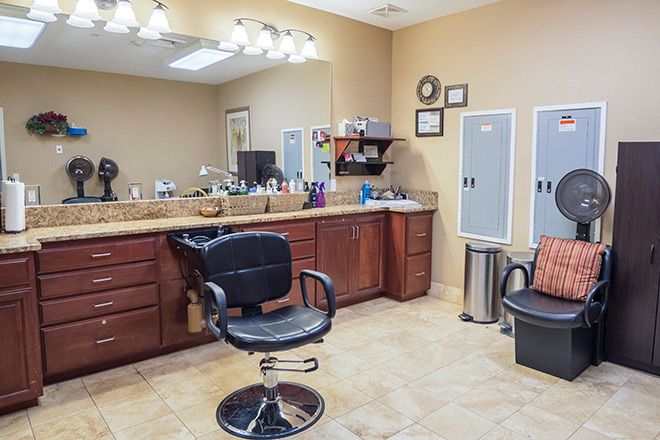
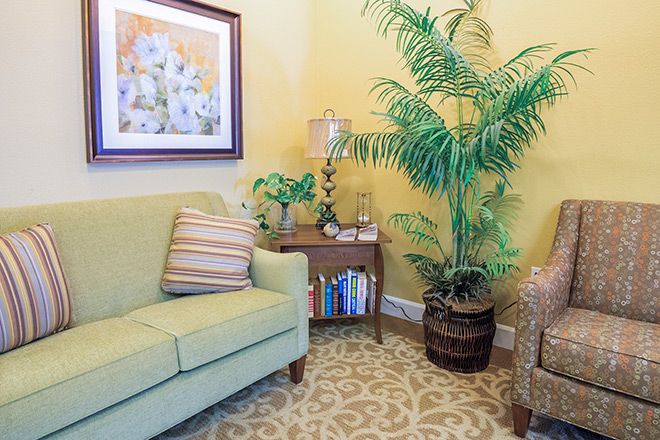
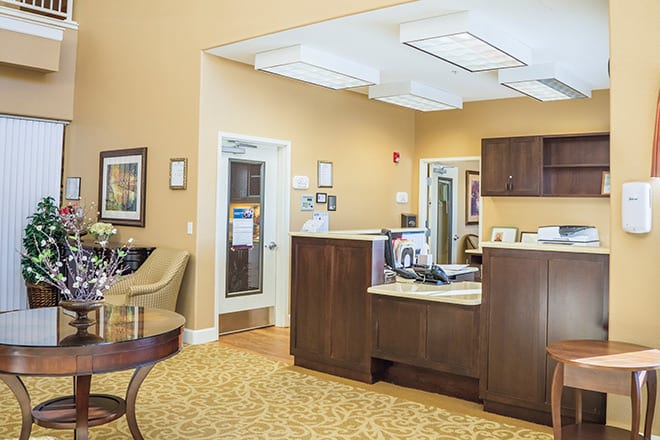
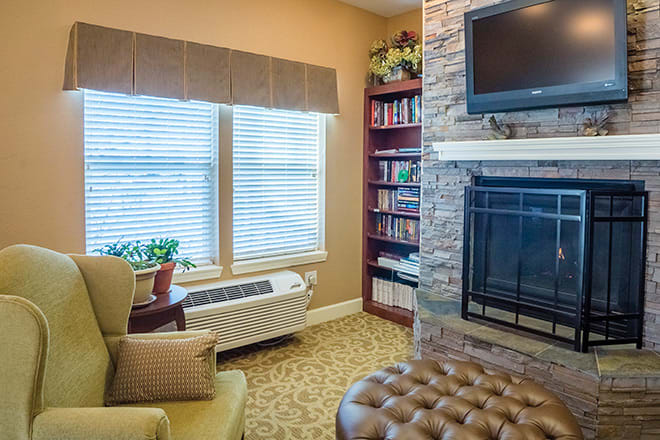
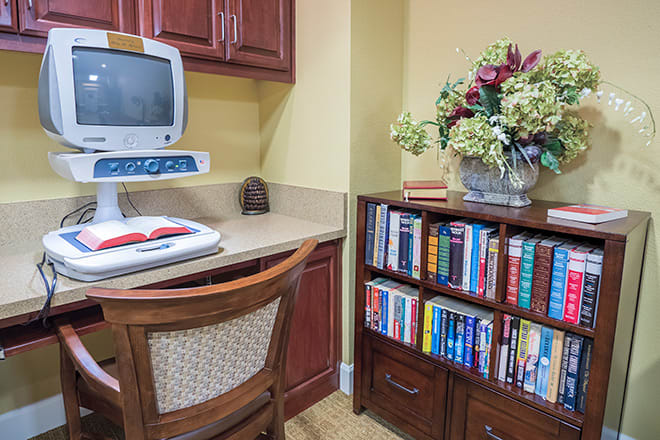
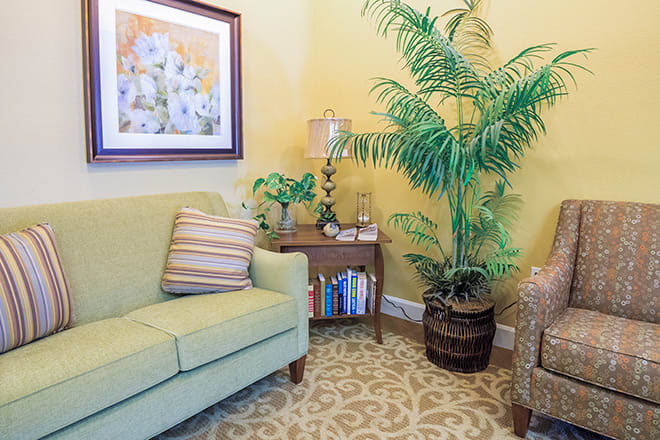
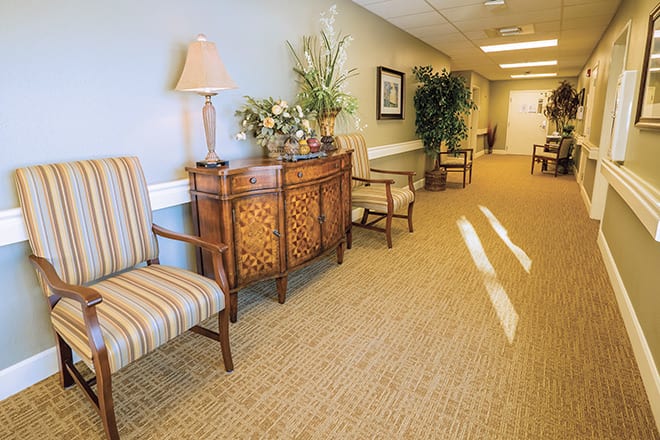
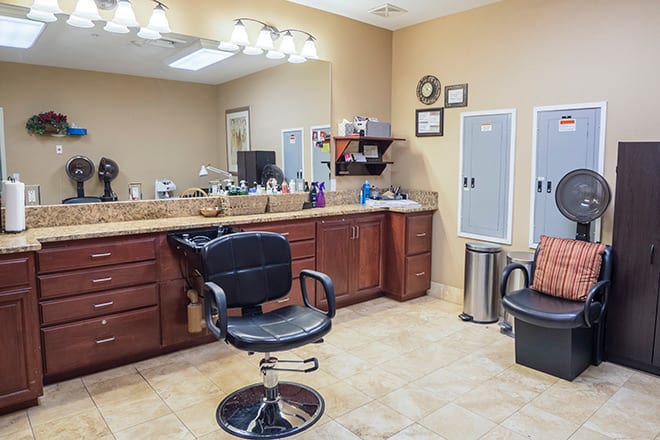
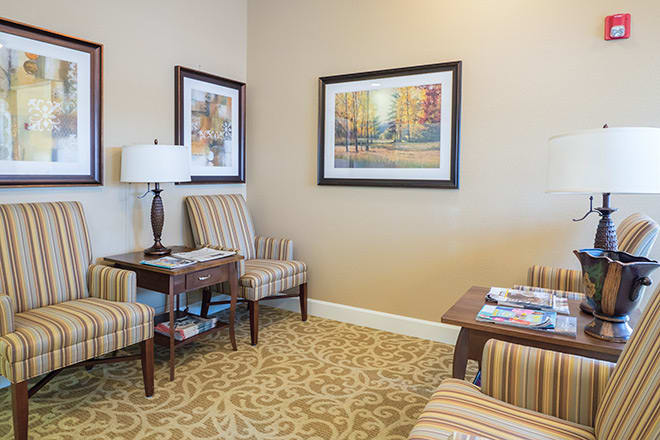
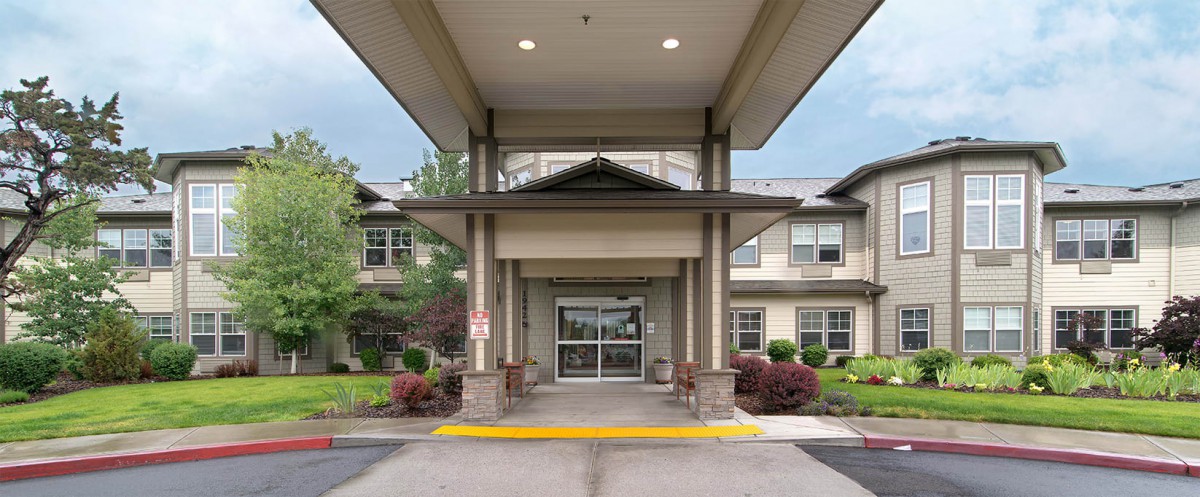
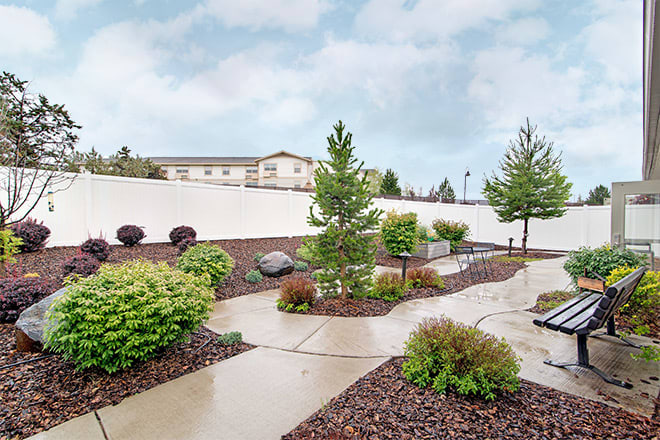
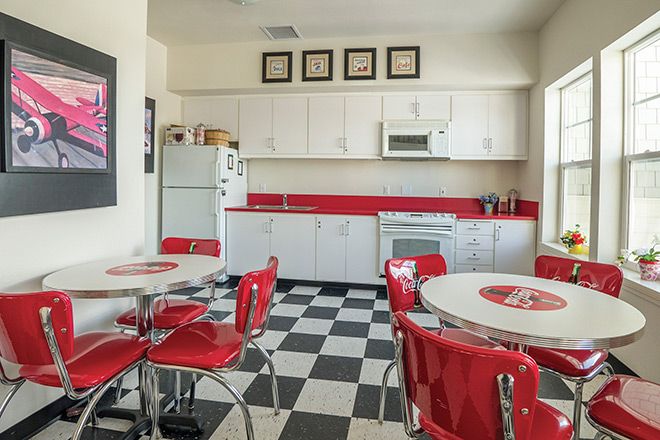
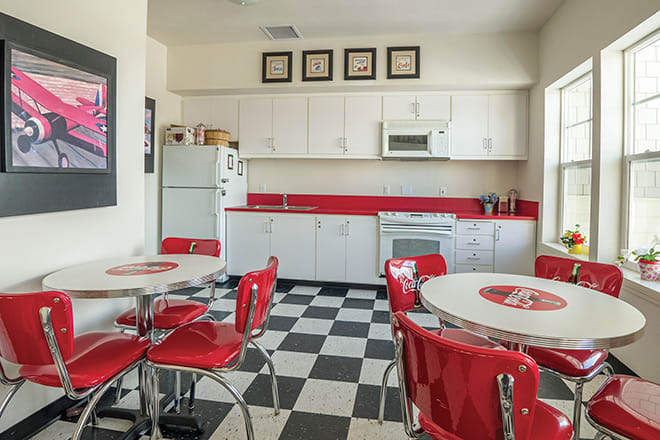
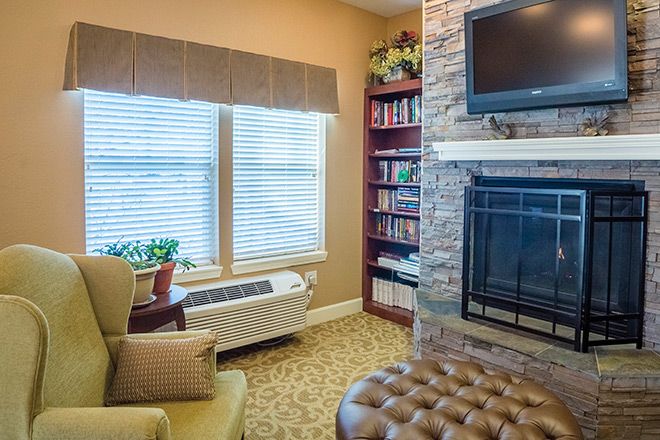
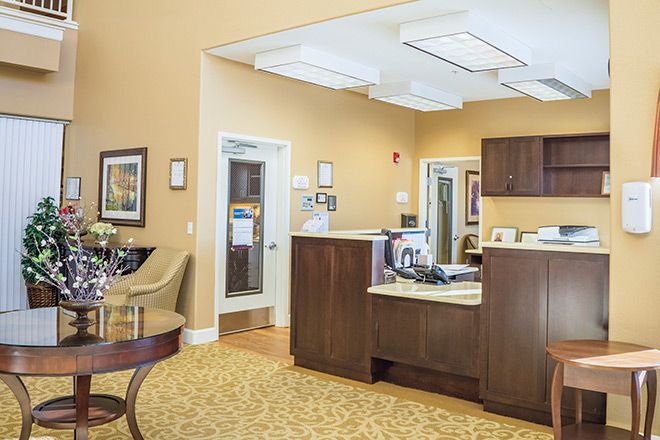
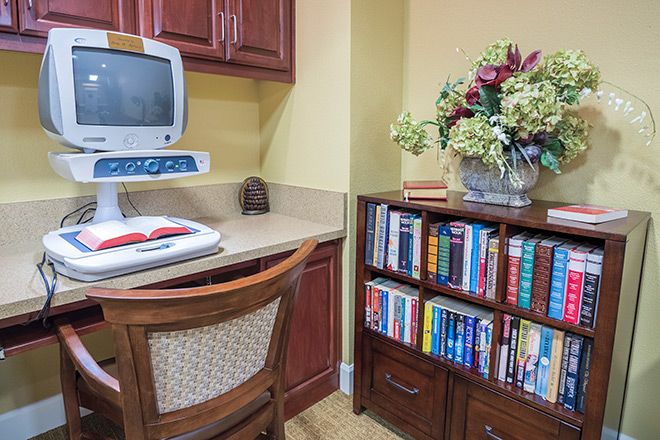
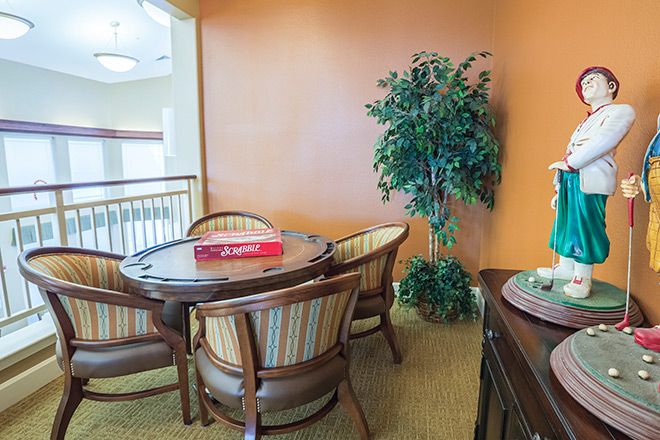
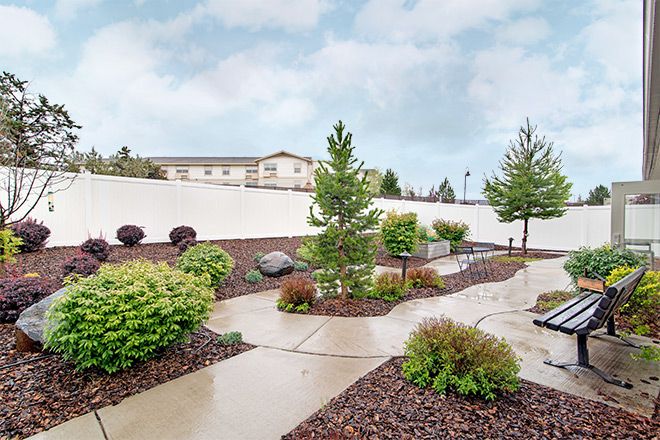
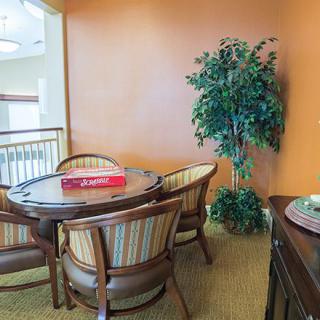
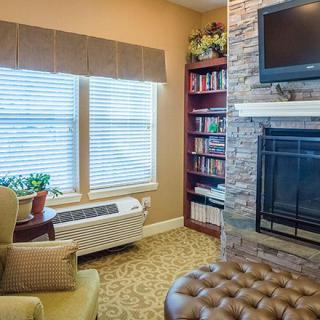
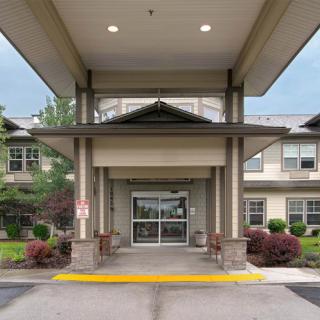
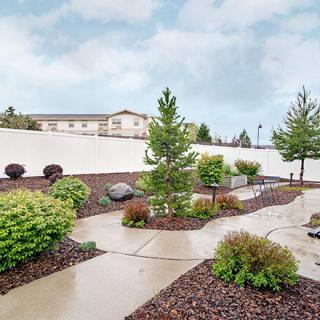
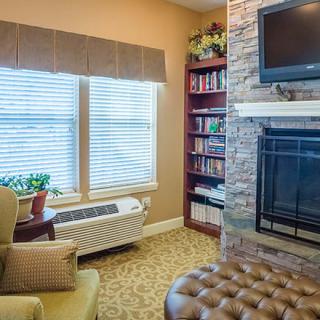
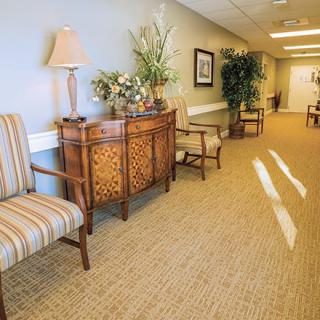
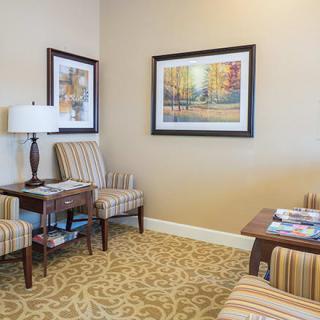
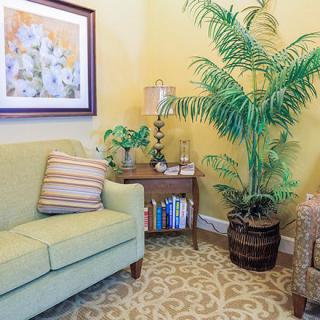
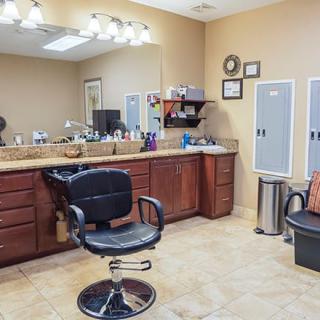
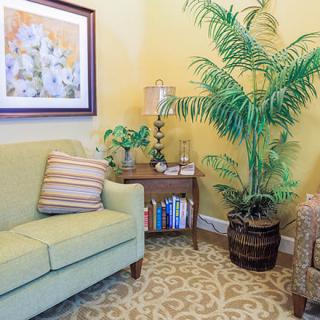
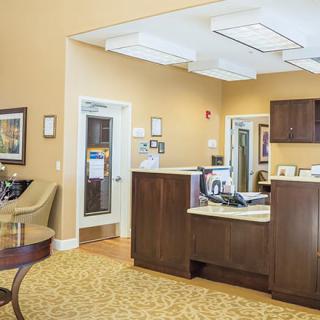
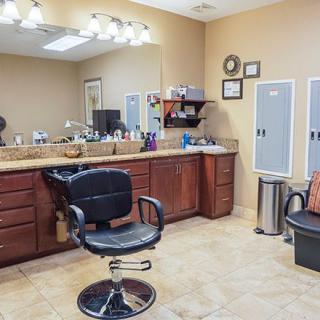
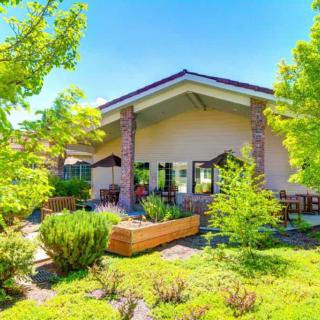
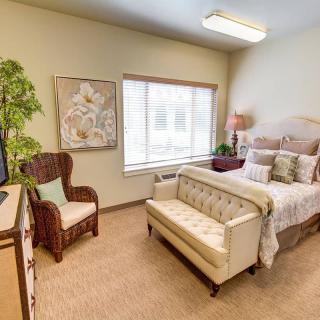
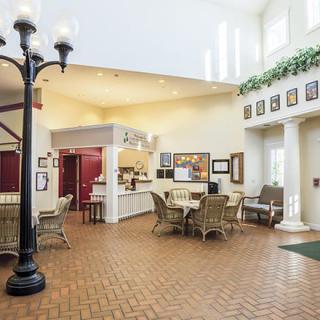
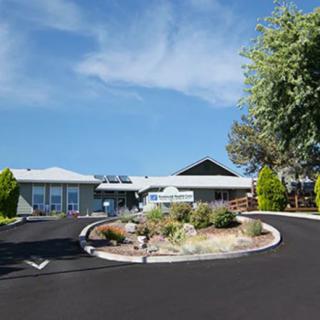
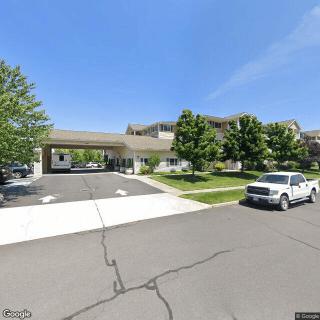
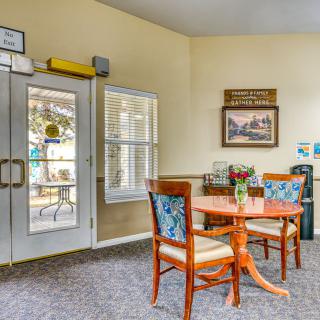
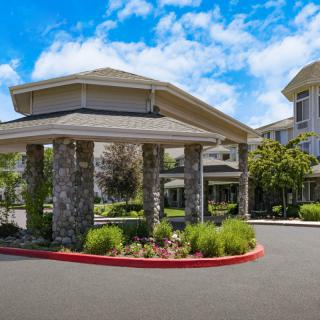
Brookdale Redmond on seniors.fyi includes 19 photos including images showing interior, landscaping, living room, salon, decor, plant, office, trees, and more.
Nearby Communities
Ashley Manor Rimrock
Redmond, OR
4.5 from 21 reviews
Personalized care with daily living assistance, tailored meals, housekeeping, and coordinated health services in a homelike board-and-care setting.
Ashley Manor - Rimrock
Redmond, OR
4.2 from 25 reviews
$3,100 to $7,880 / month
Clean, well-organized facility with attentive staff and engaging activities.
Hospice of Redmond
Redmond, OR
4.7 from 12 reviews
Excellent access to nearby healthcare, dining, and transportation
Rockin' Chair Cottage
Redman, OR
Home-like assisted living with strong access to nearby health services and amenities.
Regency Redmond Rehabilitation and Nursing Center
Redmond, OR
3 from 25 reviews
Compassionate, dedicated staff with strong teamwork and engaging activities.
Regency Village at Redmond
Redmond, OR
3.9 from 52 reviews
$3,823 to $4,341 / month
Friendly, attentive staff in a welcoming, family-like atmosphere; clean facility with engaging activities.
Whispering Winds Retirement
Bend, OR
4.5 from 11 reviews
$1,925 to $2,975 / month
Positive resident and family testimonials; nurturing, engaging environment.
Awbrey Place Assisted Living and Memory Care
Bend, OR
3.8 from 50 reviews
$2,522 to $4,360 / month
Caring staff in a small, homey community with active social programs and memory-care focus.
Stone Lodge
Bend, OR
4.4 from 113 reviews
$2,495 to $4,595 / month
Clean, well-maintained facility with friendly staff and engaging activities; good value.
Transitioning from assisted living to memory care is driven by an individual's cognitive decline and specific needs, requiring careful evaluation of indicators like increased confusion and wandering. The process involves consulting medical professionals, researching suitable communities, considering financial and legal aspects, and ensuring effective communication for personalized care plans.
The article differentiates between assisted living and memory care, explaining that assisted living supports seniors with daily activities while promoting independence, whereas memory care provides specialized services for individuals with dementia, focusing on secure environments and cognitive support. It also addresses staff training, safety considerations, costs, family involvement, and transition strategies for families navigating these care options.
The article outlines effective communication strategies for interacting with loved ones with dementia, highlighting the need for empathy, patience, and understanding while emphasizing supportive approaches like using simple language, minimizing distractions, and focusing on feelings over facts to maintain dignity and foster connection. It also suggests seeking professional guidance when needed as communication challenges evolve.
Get PricingAsk A QuestionSchedule A TourContact Senior Advisor
By clicking submit, you agree to our Partner's Terms of Use. You
also consent to receive calls and texts, which may be autodialed, from our Partner. Your consent is not a condition to
using our Partner's service. Please visit our Partner's Privacy Policy for information about their privacy practices.

 77 resident community capacity
 1-bedroom apartments
 Assisted Living
 Independent Living
 Memory Care
 Cats allowed
 Dogs allowed
 Activities off-site
 Air-conditioning
 Beautician on-site
 Cable or satellite TV
 Computer center
 Devotional services off-site
 Dining room
 Fitness room
 Fully furnished
 Gaming room
 Garden
 Handicap accessible
 Housekeeping services
 Indoor common areas
 Kitchenette
 Move-in coordination
 Outdoor common areas
 Party space
 Private bathrooms
 Resident parking
 Respite or short term stays offered
 Restaurant-style dining
 Small library
 Telephone
 Wellness center
 Wheelchair accessible showers
 Wi-Fi/high-speed internet available
 Roberts (2 miles away)
 Community operated transportation
 12-16 hour nursing
 24-hour call system
 Ambulatory care
 Assistance with bathing
 Assistance with dressing
 Assistance with transfers
 Diabetes diet
 Diabetic care
 High acuity care
 Incontinence care
 Medication management
 Mental wellness program
 Special dietary restrictions
 Transportation arrangement (medical)
 BBQs or picnics
 Concierge services
 Day trips and outings
 Happy hour
 Live musical performances
 English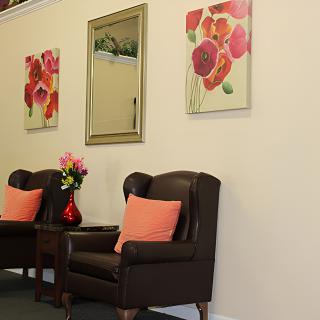
 Personalized care with daily living assistance, tailored meals, housekeeping, and coordinated health services in a homelike board-and-care setting.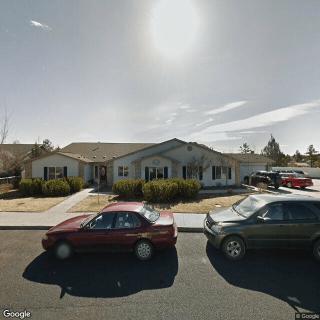

 When to Transition from Assisted Living to Memory Care: Key Indicators, Steps, and Finding the Right Community
 Understanding the Distinctions: Assisted Living and Memory Care Explained
 How to Communicate with a Loved One Living with Dementia: 10 Supportive Strategies