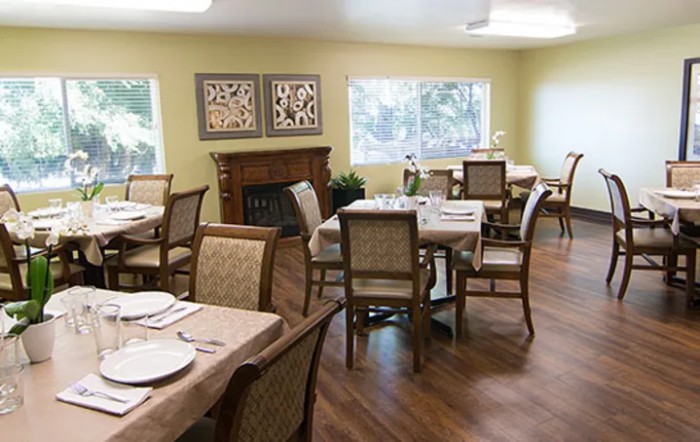

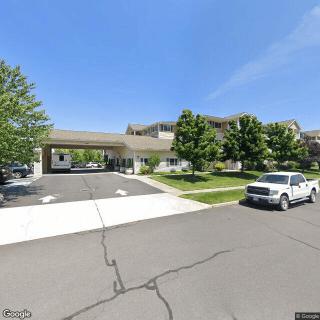
3025 Southwest Reservoir Drive, Redmond, OR 97756
To contact a resident: (541) 548-5066
For more information about senior living options: (866) 208-4318
Overall Review of Regency Redmond Rehabilitation and Nursing Center
Pros
 The staff were kind, compassionate, and very competent.
- They made residents feel truly cared for.
- They take very great care of bed-bound residents; they are a godsend.
- The team at Regency Redmond is outstanding and highly recommended.
- The nursing staff, office staff, activities coordinator, CNA care team, dietitians, and volunteers are wonderful beyond words.
- Everyone involved in residents’ care contributes, with no one saying “that’s not my job.”
- Families feel the facility is a home away from home thanks to an engaged, caring, and dedicated staff.
Cons
 The mother had to wait an entire hour for assistance after notifying the nursing staff that she had soiled herself, and she sat in urine and feces for two hours.
 - The mother's dinner was sent to the wrong room, returned to the kitchen, and no one realized that she hadn't received her meal.
- When the dinner was finally brought, it was a turkey sandwich instead of the Alfredo meal she was supposed to receive, and the only alternative offered was hot soup, which was unsuitable due to thrush.
- These incidents raise serious concerns about neglect during the three-night stay and about staffing levels at the facility.
- The friend was placed in a single room lacking a bathroom and TV, a catheter was placed though not incontinent, and due to lack of movement she developed pneumonia and a pulmonary embolism, requiring transport back to the hospital after only three days.
- Regency Redmond was reportedly warned about a current employee who manipulated and extorted the elderly mother for her property, and the issue was ignored.
Review
Regency Redmond Rehabilitation and Nursing Center is best suited for families that prize a warm, relationship-driven atmosphere and want a facility where staff often feel like a connected, engaged team. The community earns praise for its veteran-focused care and for caregivers who demonstrate genuine compassion and commitment. When residents settle in, many reports describe a homey, accessible environment where staff across roles, nurses, CNAs, therapists, dietitians, and activity coordinators, work together to keep residents connected and cared for. This makes the center appealing to families who want their loved ones to feel seen, understood, and personally known by the care team.
That said, this is not the choice for families prioritizing flawless, consistently fast service and flawless day-to-day operations. Alternatives should be considered for those who require highly reliable response times, airtight supervision, and a proven track record of steady, uninterrupted care. The reviews suggest that when safety, timely assistance, and predictable routines matter most, other facilities may deliver more consistently on those fronts. If a plan hinges on universal, around-the-clock responsiveness and unwavering adherence to care schedules, it is prudent to explore other options.
The strong points, especially the evident dedication of staff and the facility’s emphasis on veteran care, do offset some concerns, but not wholly. The positive experiences, staff who are described as caring, competent, and willing to go the extra mile, provide essential reassurance for families seeking a home-like setting. The sense that teams collaborate across disciplines and that residents are treated with warmth can meaningfully improve daily life, mood, and engagement for many long-term residents. In short, the pros create real value where care teams are stable, communicative, and consistently connected to residents’ needs.
However, the most troubling evidence centers on gaps in basic day-to-day care. Reviews recount lengthy waits for assistance, with residents left in soiled conditions or without timely attention after signaling a need. Misdelivery or miscommunication around meals compounds frustration and can undermine nutrition during recovery. Some residents faced rooming challenges, including roommate configurations that limited privacy or access to bathrooms, and concerns about movement and mobility support that appear inconsistent. Several accounts point to therapy gaps, most notably a weekend lapse, that can stall progress and delay momentum in rehabilitation. Taken together, these operational flaws erode trust and safety, and they must be addressed urgently for the positives to fully outweigh the negatives.
From a decision-making perspective, this center’s heartening, person-centered ethos is a meaningful asset, especially for families who can couple their oversight with ongoing, proactive engagement. Yet the troubling reports about neglect, miscommunication, and gaps in rehabilitation services cannot be dismissed. For families comfortable with frequent check-ins, direct conversations with administrators, and explicit, written care plans, Regency Redmond can still be a strong fit, so long as expectations are aligned with a clear plan to rectify staffing and process gaps. For those who cannot commit to vigilant oversight or who must rely on consistently predictable care, it is prudent to compare other communities with stronger staffing ratios and documented continuity in therapy and daily support.
In practical terms, evaluators should schedule visits at different times, request current staffing ratios by shift, and probe response times for call bells and needs, not just general praise. Ask to review the latest state inspection findings and to see a concrete care plan for mobility, nutrition, and fall prevention. Inquire about therapy scheduling, coverage on weekends, and how changes in a resident’s condition are communicated to families. Also, given the serious concerns raised about safeguarding and potential misconduct, insist on transparent safeguarding procedures, regular family updates, and a clear, accessible pathway to report concerns without fear of retaliation. Regency Redmond remains a meaningful option for those who value a caring culture and veteran-centered approach, just ensure there is a robust plan to shore up the operational gaps that reviews repeatedly flag.
 50 resident community capacity
 Skilled Nursing Facility
 Beauty salon
 Cable or satellite TV
 Dining room
 Fully furnished
 Garden
 Housekeeping services
 Kitchenette
 Move-in coordination
 Outdoor space
 Respite or short term stays offered
 Restaurant-style dining
 Small library
 Telephone
 Wi-Fi/high-speed internet available
 Roberts (3 miles away)
 24-hour call system
 Activities of daily living assistance
 Assistance with bathing
 Assistance with dressing
 Assistance with transfers
 Diabetes diet
 Medication management
 Mental wellness program
 Special dietary restrictions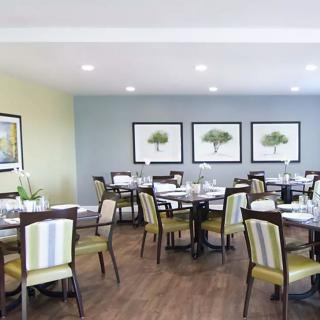






 Caregiver Exhaustion: Recognizing the Signs and Restoring Your Well-Being
 Understanding Hospice Care at Home: Comprehensive Services, Key Benefits, and Eligibility
 Understanding the Full Cost of 24/7 In-Home Care: A Detailed Overview