
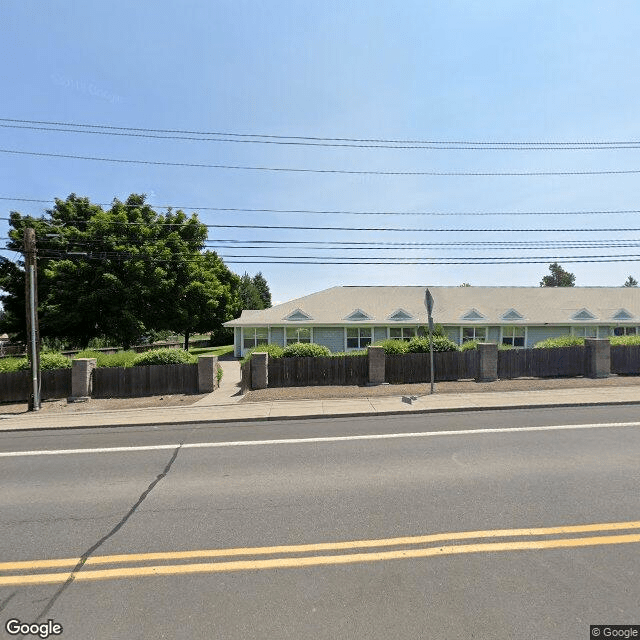
3550 South West Canal Boulevard, Redmond, OR 97756
For more information about senior living options: (866) 208-4318

Brookside Place Costs & Pricing
At Brookside Place, the monthly costs for accommodation present a compelling value when compared to both Deschutes County and the broader state of Oregon. For a studio apartment, residents can expect to pay $2,750, which is significantly lower than the county average of $4,373 and the state average of $3,815. Similarly, the 1-bedroom option at Brookside Place is priced at $2,950, again undercutting Deschutes County's average of $4,059 and Oregon's average of $3,904. These competitive rates not only emphasize Brookside Place's commitment to providing affordable living options but also highlight its appeal as an attractive choice for those seeking quality housing without breaking the bank.
| Floor plans | Brookside Place | Deschutes County | Oregon |
|---|---|---|---|
| Studio | $2,750 | $4,373 | $3,815 |
| 1 Bedroom | $2,950 | $4,059 | $3,904 |
Assisted Living communities with a similar price nearby
-
from -$250 / mo

Touchmark at Mount Bachelor Village
$2,500 to $3,775 / month15.6 miles away -
from +$507 / mo
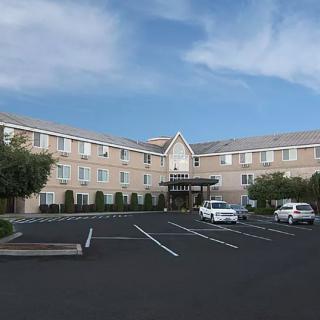
Regency Village at Bend
$3,257 to $5,900 / month14.7 miles away -
About the same

Carriage Place
$2,681 to $3,744 / month19.5 miles away -
from -$228 / mo
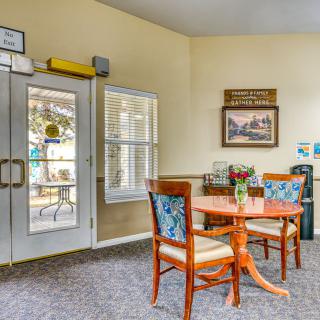
Awbrey Place Assisted Living and Memory Care
$2,522 to $4,360 / month12.7 miles away
Overall Review of Brookside Place
Pros
 Brookside is a great place with good people.
- The Brookside staff are very helpful and supportive.
- Brookside strives to be a welcoming home for its residents.
- The activities at Brookside are endless, providing residents with plenty of fun.
- The care provided to residents is highly regarded.
- The staff work hard and give so much to the residents.
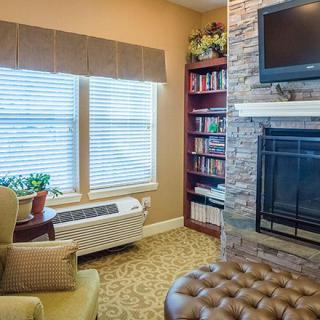
- The facility is cozy and nice.
Cons
 The facility is poorly run, and the food is minimal and not good.
- The corporation that owns it cares only about profits, not residents’ well-being.
- It is not a place you would want your loved ones to be living.
- Families sometimes have to provide additional food for residents.
Review
Brookside Place in Redmond, Oregon, is best suited for seniors who want a cozy, single‑story, neighborly setting with plentiful activities and hands‑on staff support, all at a price that keeps monthly costs reasonable. It rewards families who prize regular interaction, easy maneuverability, and programs that keep residents engaged throughout the day. This is a community where residents feel connected, and staff effort shows in daily kindness and practical assistance. Those who demand flawless governance or gourmet dining as a baseline should look elsewhere. The combination of warmth, affordability, and a straightforward layout makes Brookside Place a strong fit for active older adults who don’t require high‑end amenities.
Explicitly, families who should consider alternatives include those prioritizing a consistently well‑run operation and a uniformly high dining standard. If corporate oversight and transparent management are non‑negotiable, Brookside Place may fall short according to several accounts. A few reviewers described ownership as profit‑driven rather than resident‑centered, which raises a red flag for ongoing reliability. For households where meals matter as much as companionship, it’s prudent to compare Brookside’s current dining program with other local facilities that foreground culinary quality. Availability matters too, move‑in timing can tilt the decision when a space isn’t immediately open.
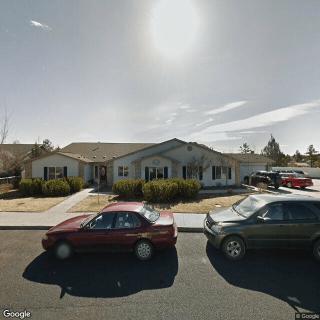
On the upside, Brookside Place earns praise for its people and its activities. Multiple reviewers highlight a staff that is helpful, supportive, and genuinely invested in making the facility feel like home. The atmosphere is described as cozy, with residents appearing content and engaged in a wide range of activities. The single‑floor design is repeatedly cited as a practical advantage for mobility and daily routines, reducing the friction of stairs or elevators. Cost is another practical draw; when compared with similarly sized options, Brookside Place often comes in as a more affordable choice, while still offering meaningful care and accessible tours that answer questions and showcase actual living spaces.
However, the less favorable notes cannot be ignored. One strong impression is that the operation has declined from a previously well‑run status, with comments that the corporation prioritizes profits over resident well‑being. Food quality and variety are described as minimal by at least one critic, and there are mentions that family members sometimes need to supplement meals. This combination, perceived governance concerns paired with lean dining, poses a real risk for families seeking consistent, reliable service. The mixed signals across reviews imply results can vary by shift, staff turnover, and the timing of tours, which makes for a shaky baseline in decision making.
The pros, when approached strategically, do offset several cons. The staff’s dedication and the lively activity calendar help maintain purpose and belonging, which can compensate for a more modest kitchen. The single‑floor layout supports safety and independence, while transparent tours give families a chance to verify resident experience firsthand. To counter dining concerns, it is wise to request a current menu snapshot and inquire about how meals accommodate dietary restrictions. Prospective residents should also probe staffing ratios, turnover, and any recent leadership changes to gauge whether improvements have occurred since earlier criticisms.
In summary, Brookside Place can be a solid, cost‑conscious option for families who value a warm community and a structured daily rhythm, provided the emphasis remains on consistent care and engaging programs. For those unable to compromise on governance reliability or dining excellence, exploring other Redmond options with stronger reputations may be warranted. The decisive next steps involve a live meal experience, conversations with several residents at different times, and a clear understanding of how care plans and staffing harmonize with resident needs. With careful vetting, Brookside Place can fit into a plan that emphasizes companionship, mobility, and budget without sacrificing essential care.
 45 resident community capacity
 Assisted Living
 Cats allowed
 Dogs allowed
 Activities off-site
 Beautician on-site
 Cable or satellite TV
 Devotional services off-site
 Dining room
 Fully furnished
 Garden
 Housekeeping services
 Indoor common areas
 Kitchenette
 Move-in coordination
 Outdoor common areas
 Respite or short term stays offered
 Restaurant-style dining
 Small library
 Telephone
 Wheelchair accessible showers
 Wi-Fi/high-speed internet available
 Roberts (3 miles away)
 24-hour call system
 Assistance with bathing
 Assistance with dressing
 Assistance with transfers
 Diabetes diet
 Diabetic care
 Incontinence care
 Medication management
 Mental wellness program
 Special dietary restrictions



 8 Key Indicators That Suggest It May Be Time to Transition from Assisted Living to Skilled Nursing Care
 Vibrant Senior Living: A Comprehensive Guide for Active Older Adults
 When to Transition from Assisted Living to Memory Care: Key Indicators, Steps, and Finding the Right Community