
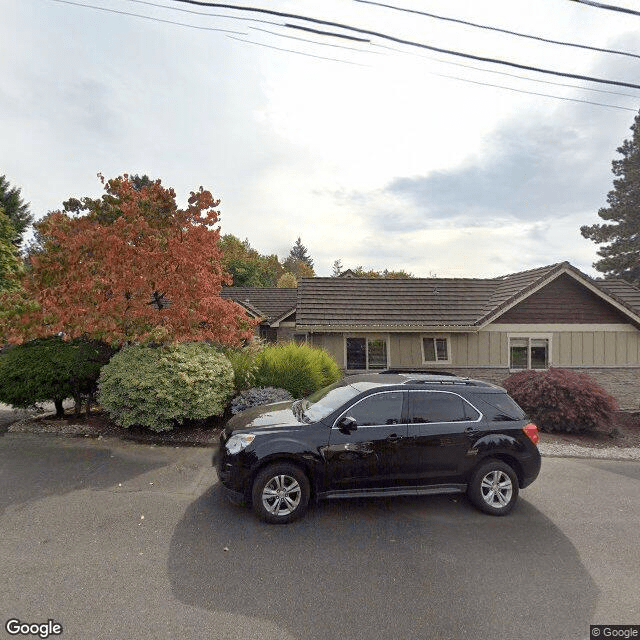
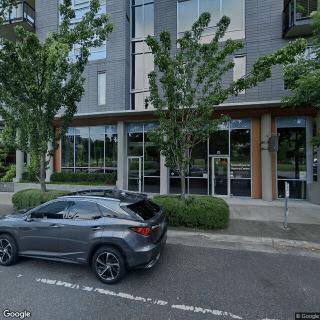
4616 Southwest 42nd, Portland, OR 97221
To contact a resident: (503) 901-1978
For more information about senior living options: (866) 208-4318
Unique Care Foster Home Costs & Pricing
Unique Care Foster Home offers a competitive monthly rate for its private room accommodations at $3,200. This cost is slightly below the average rates in Washington County, which stand at approximately $3,261, and is more affordable compared to the broader state average of $3,424 in Oregon. By providing a quality environment at a lower price point than both county and state averages, Unique Care Foster Home positions itself as an appealing option for families seeking supportive care solutions tailored to individual needs without compromising on quality.
| Floor plans | Unique Care Foster Home | Washington County | Oregon |
|---|---|---|---|
| Private | $3,200 | $3,261 | $3,424 |
Senior living communities with a similar price nearby
-
from +$600 / mo

The Inn at University Village
$3,800 to $7,500 / month16.2 miles away -
from -$200 / mo
A Piece of Heaven
$3,000 / month7.2 miles away -
from -$200 / mo
Yamhill Senior Care Home
$3,000 / month10.6 miles away -
from -$200 / mo
Peaceful Lighthouse Adult Care Home
$3,000 / month13.0 miles away -
from +$300 / mo
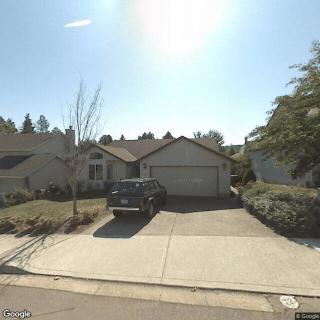
Fulga's ACH
$3,500 / month6.4 miles away
Overall Review of Unique Care Foster Home
Pros
 Sunnyside Adult Care Home provides excellent care and attention.
- The home offers a nice, cozy environment with only a few residents.
- Alexandra Andriuta is kind, loving, and patient, and she keeps families informed about residents.
- Meals at the home are excellent and freshly prepared.
- The facility is clean, beautiful, and well maintained.
- Families feel welcomed to visit and are kept informed about their loved ones.
- The home is highly recommended and described as a gift, a blessing, or heaven-sent.
Review
Unique Care Foster Home in Portland is best suited for seniors who want a true home-like setting where care is intensely personal and family-style. The community operates in a small-house model, typically hosting just 3–4 residents at a time, with a hands-on owner-operator who provides steady, visible leadership. Families repeatedly highlight a cozy atmosphere, spotless spaces, and meals prepared fresh each day. For elders who value daily routines, predictable visits, and direct access to a caregiver who treats each resident like a grandmother or grandfather figure, this setting can feel “just right.” The environment promises warmth, continuity, and a strong sense of belonging that is hard to reproduce in larger facilities.
There are clear alternatives worth considering for residents whose needs extend beyond what a small foster home can sustain. Those requiring more formal programming, a larger social network, or specialized medical oversight, such as intensive wound care, IV therapies, or chronic disease management, may find a traditional assisted living or a memory-care campus to be a better fit. Families should also look elsewhere if a resident requires broader on-site staffing coverage, more structured activity calendars, or access to a wider array of on-site amenities. In short, this option shines when a resident thrives on intimate attention and a family-like vibe, but may feel limited for those with higher acuity or a desire for a bustling campus.
The strongest positives, consistency, attentiveness, and transparent communication, address the main trade-off of a smaller setting. Families repeatedly describe Alexandra and her team as genuinely caring, patient, and responsive, with constant updates that keep out-of-state relatives reassured. The intimate scale translates into highly customized care: routines can be adapted to individual preferences, meals can be tailored to tastes, and daily care tasks are performed with a level of attentiveness that often isn’t possible in larger homes. The result is a safety net built on trust, where visits are welcomed, questions are answered promptly, and residents appear to receive remarkably attentive, day-to-day supervision. Those realities offset the potential downsides of limited social pools or less formal programming.
Proof of impact shows up in long-tenured experiences and near-universal praise. Residents’ families describe “heaven-sent” care and a staff who treated loved ones with gentleness, dignity, and consistent respect. Testimonials celebrate 100+ year-olds thriving under careful supervision, routine meals that are both nutritious and comforting, and a home that stays meticulous in cleanliness. The owner’s ongoing communication, whether through phone, text, or in-person visits, gives families confidence that the care plan remains aligned with changing needs. In several cases, families felt a sense of blessed reassurance during challenging transitions, underscoring the trust built by steady, compassionate leadership.
For families evaluating options, practical steps align with what the reviews imply: arrange a detailed tour to assess the daily routine, meet the caregiver-owner, and observe the resident’s environment firsthand. Ask about how medical needs are managed day-to-day, what staffing looks like across all shifts, and how emergencies are handled. Inquire about trial stays or flexible visit schedules to gauge compatibility with personal norms and family expectations. Clarify costs, what’s included in meals and housekeeping, and how family updates are delivered. The boutique, home-like model rewards diligence in confirming that the level of care matches the resident’s current and anticipated needs.
Ultimately, Unique Care Foster Home stands out as a top choice for seniors valuing intimate, attentive care in a familial, Portland-area setting. It excels for those who want frequent, meaningful interaction with a caregiver who acts as a trusted partner in daily life. Pros far outweigh the potential limits of a small community when the priority is dignity, personalization, and consistent communication. For residents who need more expansive programming or higher-acuity medical support, alternatives with larger staffs and formal structures are sensible to explore. When a family seeks a “gift” of compassionate, personalized care in a home atmosphere, this home often proves itself to be exactly what is needed.
 Board and Care Home
 Activities off-site
 Beautician on-site
 Devotional services off-site
 Indoor common areas
 Outdoor common areas
 Private
 Private bathrooms
 Swimming pool / hot tub
 Wheelchair accessible showers
 Portland International (9 miles away)
 Ambulatory care
 Diabetic care
 Incontinence care
 Meals provided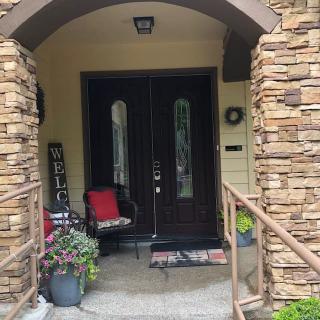




 Exploring the World of Home Health Nurses: Qualifications, Roles, and Hiring Tips
 Navigating Medicare Coverage for In-Home Care Services
 In-Home Care Costs in 2025: A Detailed State-by-State Exploration