For more information about senior living options: (866) 208-4318
3.8 from 36 reviews
5 stars
21
4 stars
3
3 stars
1
2 stars
4
1 stars
7
Marquis Care at Vermont Hills Costs & Pricing
Marquis Care at Vermont Hills offers competitive pricing for its services compared to both Washington County and the broader state of Oregon. For semi-private rooms, residents can expect to pay $3,721 per month, which is significantly lower than the county average of $4,848 and the state average of $4,457. However, when it comes to private rooms, the cost at Marquis Care rises to $4,465, placing it above the county average of $3,261 and the state average of $3,424. This pricing structure highlights a notable value for those seeking semi-private accommodations while reflecting a premium for more individualized private room options. Overall, Marquis Care at Vermont Hills positions itself as a viable choice within the regional landscape of care facilities.
Floor plans
Marquis Care at Vermont Hills
Washington County
Oregon
Semi-Private
$3,721
$4,848
$4,457
Private
$4,465
$3,261
$3,424
Skilled Nursing Facilities with a similar price nearby
Dining reviews range from good, personalized meals to concerns about temperature and missing food.
Several residents and families describe meals as a positive part of the stay, including gluten-free options and a kitchen team that worked to accommodate individual needs. Some also mention eating preferences and not missing meals during disruptions. On the other hand, multiple reviewers complain about food quality or service, including cold meals, misplaced food, and missed meals, and at least one mentions hygiene-related problems tied to food.
common20 reviews mention this
Caregivers are consistently praised
Residents and families frequently describe staff as kind, attentive, and willing to go beyond basic tasks.
Across many reviews, people highlight caring behavior from nurses, CNAs, therapists, and the broader team, describing help with day-to-day needs and responsiveness to concerns. A number of reviewers specifically mention staff communication and monitoring, including checking on pain and making residents feel supported. Even some negative experiences still acknowledge that parts of the staff were lovely, suggesting the tone is not uniform across every shift or situation.
caveat11 reviews mention this
Communication can feel uneven
Reviewers describe both strong updates from some staff and serious communication breakdowns with others.
Positive reviews mention being kept informed, with examples like phone updates, timely answers to calls, and care teams facilitating transitions. Other reviewers report difficulty getting clear answers, including being directed to a specific person without resolution. Several also describe problems with call lights, follow-through on reported issues, or families not being reached promptly during critical moments.
caveat9 reviews mention this
Safety and infection concerns appear
Some reviews raise concerns about safety, hygiene, and medical follow-through during rehab stays.
While many families describe positive rehab progress, a recurring set of negative reviews points to medical and safety issues, including reported complications, medication problems, and difficulties getting appropriate help. Reviewers also cite hygiene concerns and infection-related problems, and at least one mentions a hospital transfer after symptoms were detected. There are also complaints about falls or transfers between equipment, along with staff decisions reviewers felt were not adequate for their loved one’s needs.
How we summarize
Counts show how many written reviews mention each theme; a review can touch several themes, and only frequently mentioned themes are displayed.
Features
Types of Care
Skilled Nursing Facility
Transportation
Portland International (10 miles away)
Nearby Places of Interest
This part of Portland, Oregon, offers a variety of amenities that may appeal to seniors looking for a convenient and bustling neighborhood. With several pharmacies nearby such as Rite Aid and Walgreens, accessing essential medications and healthcare services is easily achievable. Additionally, there are numerous restaurants serving various cuisines like Mandarin Palace and Chick-Fil-A for dining options. The area also boasts several parks such as Albert Kelly Park and Washington Park, providing opportunities for outdoor recreation and relaxation. For medical care, Legacy Medical Group-Raleigh Hills and other physician offices are located within a short distance. Public transportation options like the Sunset Transit Center and TriMet bus stops make navigating the city stress-free. Overall, this part of Portland offers a vibrant community with diverse offerings for senior residents to enjoy their retirement years in comfort and convenience.
Pharmacies
Rite Aid (0.5 miles)
Walgreens (0.8 miles)
Stone Age Farmacy PDX (1.9 miles)
Walgreens (2 miles)
Fred Meyer Pharmacy (2.4 miles)
CVS Pharmacy (2.5 miles)
QFC Pharmacy (2.6 miles)
Places of Worship
St John Fisher Church (0.7 miles)
Restaurants
Old Market Pub & Brewery (1.1 miles)
Mandarin Palace (1.8 miles)
Wendy's (2 miles)
Uwajimaya (2.3 miles)
Chick-Fil-A (2.4 miles)
Bannings Restaurant & Pie House (2.7 miles)
85 Degree C Bakery Cafe (2.9 miles)
Physicians
Legacy Medical Group-Raleigh Hills (1.3 miles)
The Portland Clinic (2.6 miles)
Marshall, Katharine Providence Medical Group Saint Vincent (2.7 miles)
Reflex (3 miles)
Pediatric Associates Of The NW (3.3 miles)
Virginia Garcia Memorial Health Center (3.6 miles)
Marquis Care at Vermont Hills offers competitive pricing for its services compared to both Washington County and the broader state of Oregon. For semi-private rooms, residents can expect to pay $3,721 per month, which is significantly lower than the county average of $4,848 and the state average of $4,457. However, when it comes to private rooms, the cost at Marquis Care rises to $4,465, placing it above the county average of $3,261 and the state average of $3,424. This pricing structure highlights a notable value for those seeking semi-private accommodations while reflecting a premium for more individualized private room options. Overall, Marquis Care at Vermont Hills positions itself as a viable choice within the regional landscape of care facilities.
Marquis Care at Vermont Hills is located at 6010 SW Shattuck Rd, Portland, OR 97221 in Washington County, Oregon
Nearby Communities
Marquis Vermont Hills
Portland, OR
3.6 from 30 reviews
Comprehensive care with 24/7 supervision, ADL assistance, medication management, private bathrooms, and restaurant-style dining.
Rose Schnitzer Manor
Portland, OR
4.6 from 44 reviews
$3,586 to $5,641 / month
Helpful staff, diverse kosher-friendly dining, and a wide range of on-site activities in a welcoming Jewish environment.
Robison Jewish Health Center
Portland, OR
3.4 from 5 reviews
Good, varied meals; warm, compassionate staff; well-maintained facility with active community spaces and on-site synagogue.
Marquis Autumn Hills Residential Memory Care
Portland, OR
4.3 from 11 reviews
Specialized memory care with 24/7 supervision, personalized ADL support, engaging activities, and restaurant-style dining in a fully furnished setting.
Marquis Autumn Hills Memory Care
Portland, OR
4.2 from 10 reviews
Specialized memory-care with 24/7 supervision and cognitive activities.
Raleigh Hills Assisted Living
Portland, OR
4.6 from 10 reviews
Strong, attentive staff with excellent dining and well-maintained, comfortable accommodations.
Prestige Senior Living Beaverton Hills
Beaverton, OR
4 from 49 reviews
$5,600 / month
Warm, dedicated staff and a bright, home-like setting that encourages social interaction.
Holiday Edgewood Downs
Beaverton, OR
4 from 127 reviews
$2,519 to $3,959 / month
Friendly staff, clean facilities, and active programs with spacious apartments.
Avamere At Park Place
Tigard, OR
4 from 91 reviews
Caring staff and a welcoming community with engaging activities.
The Sandwich Generation comprises adults managing the dual responsibilities of caring for aging parents and raising children, leading to significant emotional, logistical, and financial challenges. This situation is exacerbated by longer life expectancies and cultural expectations, necessitating effective coping strategies and support resources to alleviate caregiver stress and burnout.
The article highlights eight essential assistive devices that improve the independence and safety of older adults, addressing issues related to mobility, balance, vision, hearing, and dexterity. It emphasizes the importance of proper selection guided by healthcare professionals to enhance seniors' quality of life while allowing them to age in place.
The article offers detailed guidance on the financial complexities of nursing home care, covering costs, payment methods, and alternative funding strategies while emphasizing the importance of proactive planning and legal considerations for individuals and families making care decisions.
Get PricingAsk A QuestionSchedule A TourContact Senior Advisor
By clicking submit, you agree to our Partner's Terms of Use. You
also consent to receive calls and texts, which may be autodialed, from our Partner. Your consent is not a condition to
using our Partner's service. Please visit our Partner's Privacy Policy for information about their privacy practices.

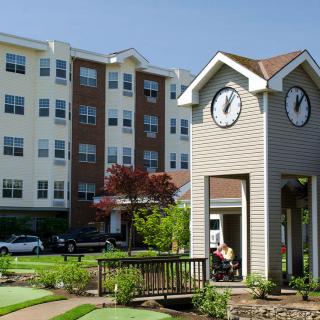

 Skilled Nursing Facility
 Portland International (10 miles away)
 Comprehensive care with 24/7 supervision, ADL assistance, medication management, private bathrooms, and restaurant-style dining.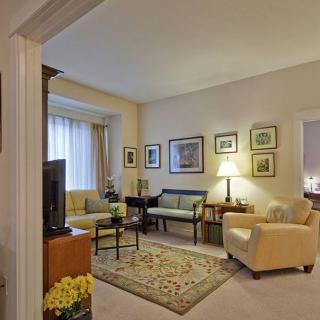



 Understanding the Sandwich Generation: Stress and Responsibilities for Multigenerational Caregivers
 8 Essential Assistive Devices for Older Adults
 Navigating the Financial Road to Nursing Home Care: In-Depth Guidance and Resources