6140 South West Boundary Street, Portland, OR 97221
For more information about senior living options: (866) 208-4318
4.6 from 44 reviews
5 stars
34
4 stars
6
3 stars
2
2 stars
0
1 stars
2
Rose Schnitzer Manor Costs & Pricing
Rose Schnitzer Manor offers competitive pricing for its various living options when compared to the broader market in Washington County and the state of Oregon. For a studio unit, the monthly cost at Rose Schnitzer Manor is $3,586, which is notably lower than the county average of $3,909 and Oregon's state average of $3,815. When it comes to one-bedroom apartments, Rose Schnitzer's price of $4,378 is slightly higher than Washington County's average of $4,082 but still below the more affordable state average of $3,904. The two-bedroom option at Rose Schnitzer Manor stands out with a monthly charge of $5,641 - higher than both Washington County's average of $4,801 and Oregon's state average of $4,436. Overall, while some unit types may be priced above local averages, Rose Schnitzer Manor provides valuable amenities and community features that enhance its appeal to potential residents.
Floor plans
Rose Schnitzer Manor
Washington County
Oregon
Studio
$3,586
$3,909
$3,815
1 Bedroom
$4,378
$4,082
$3,904
2 Bedrooms
$5,641
$4,801
$4,436
Assisted Living communities with a similar price nearby
For residents seeking a Jewish environment, this community centers daily life around it.
Multiple reviews describe choosing Rose Schnitzer Manor specifically for a Jewish setting, and several mention kosher meals and Jewish services. Residents and families also talk about the comfort of the environment, including activities and community life tied to Jewish culture. One reviewer also contrasts the experience for non-Jewish residents, noting limited support and explanation around rituals and commemorations.
common18 reviews mention this
Dining quality with diet options
Dining stands out for taste and variety, including kosher and vegetarian options.
Residents and families frequently describe the food as excellent or superb, with multiple reviews highlighting meal choices and service in the dining room. Several also mention kosher dining, along with options like vegetarian meals and other diet-friendly selections. A smaller set of reviews is less satisfied, describing issues like long meal waits, food waste, or meals that residents find repetitive.
common14 reviews mention this
Activities and entertainment are plentiful
The activity calendar is a strong point, with programs ranging from lectures to music.
Reviews repeatedly mention that there is something to do throughout the week, including art groups, exercise classes, lectures, and live performances. Families describe outings and planned events, and several residents cite specific interests like writing groups, yoga, or games. One reviewer also notes how participation and variety were important in choosing the community, especially looking forward to activities resuming after a pause.
common26 reviews mention this
Staff are caring and communicative
Many reviews highlight caring, knowledgeable staff who keep families in the loop.
Across reviews, residents and visitors describe staff as friendly, attentive, kind, and helpful, including front-desk teams and caregivers. Families specifically mention smooth transitions, prompt follow-through, and communication about medical or health issues. A few reviews temper this praise with concerns about staffing consistency or staff behavior during specific situations.
caveat5 reviews mention this
Care decisions and medication handling
Some experiences describe inconsistent care decisions and medication-related problems.
While many reviews speak positively about care, several are critical of how the community handled a residentā€™s needs or medication orders. One family describes a denial after a needs assessment and disagreement about required services, and another review raises concerns about medication changes shortly after a hospitalization. There are also complaints about staffing adequacy and responsiveness in a transportation scenario, as well as mixed feedback about nursing staff and medication support during respite.
common2 reviews mention this
Pricing trends below county and state
Monthly pricing appears positioned below both county and state benchmarks for multiple unit types.
One review frames the overall value positively, and another flags that some services billed through nursing may cost extra. Price comparisons across unit types also show the community generally pricing below county and state benchmarks, which may help explain why value came up in reviews.
How we summarize
Counts show how many written reviews mention each theme; a review can touch several themes, and only frequently mentioned themes are displayed.
Features
Housing
180 resident community capacity
Types of Care
Assisted Living
Independent Living
Pets
Cats allowed
Dogs allowed
Amenities
Activities off-site
Activities on-site
Air-conditioning
Beautician on-site
Beauty salon
Cable or satellite TV
Computer center
Devotional services on-site
Dining room
Fitness room
Fully furnished
Gaming room
Garden
Ground floor units
Guasts at mealtime
Housekeeping services
Indoor common areas
Kitchenette
Laundry
Move-in coordination
Outdoor common areas
Outdoor space
Overnight guests
Private bathrooms
Resident parking
Respite or short term stays offered
Restaurant-style dining
Small library
Telephone
Wellness center
Wheelchair accessible showers
Wi-Fi/high-speed internet available
Transportation
Portland International (10 miles away)
Community operated transportation
Transportation & parking
Transportation arrangement
Transportation arrangement (non-medical)
Transportation to doctors appointments
Care Services
12-16 hour nursing
24-hour call system
24-hour supervision
Activities of daily living assistance
Ambulatory care
Assistance with bathing
Assistance with dressing
Assistance with transfers
Diabetes diet
Diabetic care
Incontinence care
Meal preparation and service
Medication management
Mental wellness program
Special dietary restrictions
Dining
Anytime dining
Diabetes diet
Gluten-free
Guest meals
International cuisine
Kosher
Low / no sodium
Low fat
Meals provided
No Sugar
Restaurant style dining
Room service
Special dietary restrictions
Vegan
Vegetarian
Activities
Art classes
Community-sponsored activities
Concierge services
Day trips and outings
Devotional activities on-site
Educational speakers / life long learning
Fitness programs
Happy hour
Jewish services
Live dance or theater performances
Live musical performances
Live well programs
Planned day trips
Resident-run activities
Scheduled daily activities
Visiting chaplain or priest
Wine tasting
Languages Spoken
English
Hebrew
Spanish
Nearby Places of Interest
This area of Portland, Oregon, offers a range of convenient amenities for seniors looking to settle down in a bustling yet accessible neighborhood. With several pharmacies located within a few miles, accessing medication and healthcare services is made easy. Places of worship are also close by for those seeking spiritual fulfillment. In terms of medical care, there are reputable physicians and hospitals nearby including Legacy Medical Group-Raleigh Hills and Shriners Hospitals For Children. The presence of diverse dining options like Mandarin Palace and Old Market Pub & Brewery offer opportunities for social outings with friends or family. Additionally, the proximity to parks such as Albert Kelly Park and Washington Park provides green spaces for leisurely walks or relaxation. Overall, this part of Portland combines convenience, healthcare access, and recreational facilities to make it an appealing choice for senior living.
Pharmacies
Rite Aid (0.4 miles)
Walgreens (0.5 miles)
Stone Age Farmacy PDX (1.5 miles)
QFC Pharmacy (2.2 miles)
Walgreens (2.3 miles)
CVS Pharmacy (2.3 miles)
Fred Meyer Pharmacy (2.6 miles)
Places of Worship
St John Fisher Church (1 miles)
Physicians
Legacy Medical Group-Raleigh Hills (1.1 miles)
Marshall, Katharine Providence Medical Group Saint Vincent (2.4 miles)
The Portland Clinic (2.7 miles)
Reflex (3.2 miles)
Virginia Garcia Memorial Health Center (3.4 miles)
One Medical (3.4 miles)
Thomas D Kowalik MD - Orthopedic & Fracture Specialists (3.6 miles)
Rose Schnitzer Manor offers competitive pricing for its various living options when compared to the broader market in Washington County and the state of Oregon. For a studio unit, the monthly cost at Rose Schnitzer Manor is $3,586, which is notably lower than the county average of $3,909 and Oregon's state average of $3,815. When it comes to one-bedroom apartments, Rose Schnitzer's price of $4,378 is slightly higher than Washington County's average of $4,082 but still below the more affordable state average of $3,904. The two-bedroom option at Rose Schnitzer Manor stands out with a monthly charge of $5,641 - higher than both Washington County's average of $4,801 and Oregon's state average of $4,436. Overall, while some unit types may be priced above local averages, Rose Schnitzer Manor provides valuable amenities and community features that enhance its appeal to potential residents.
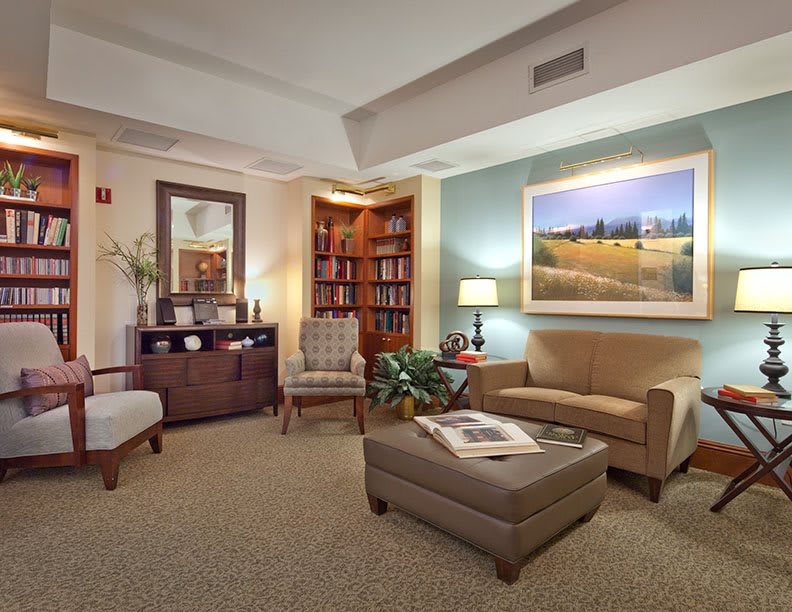
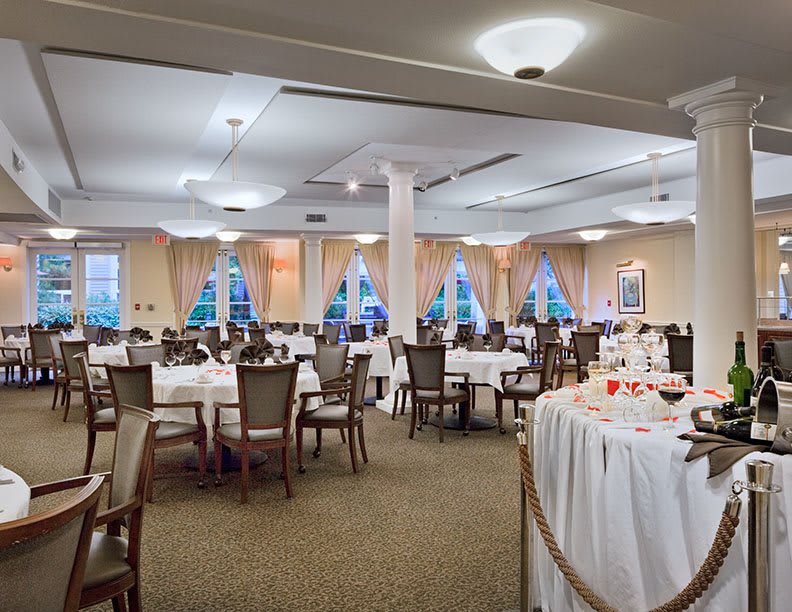
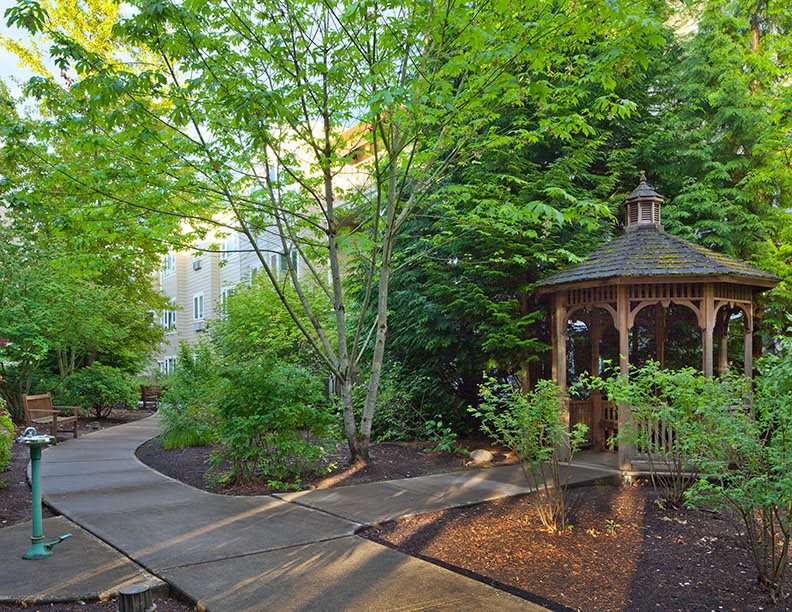
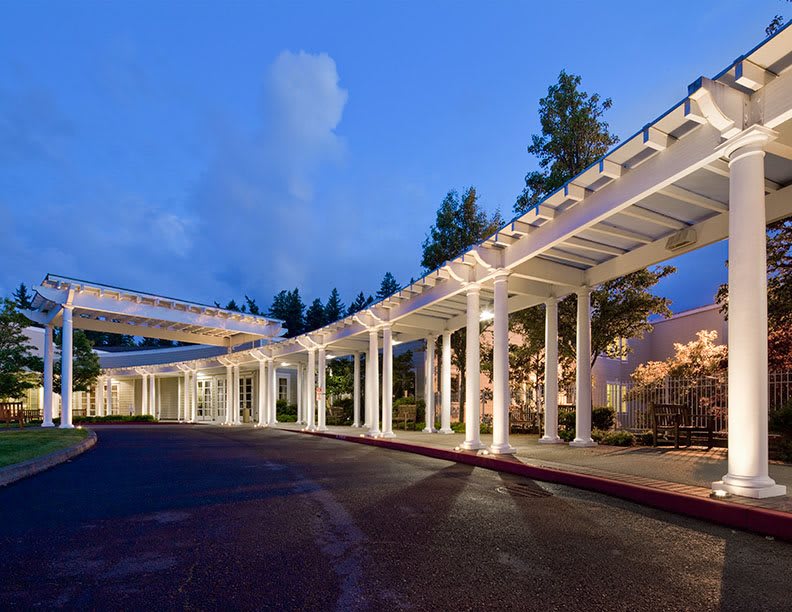
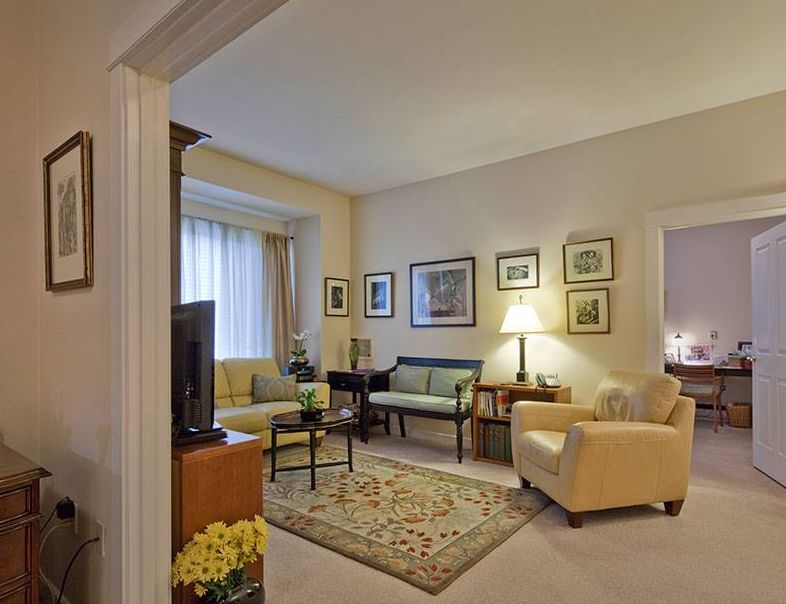
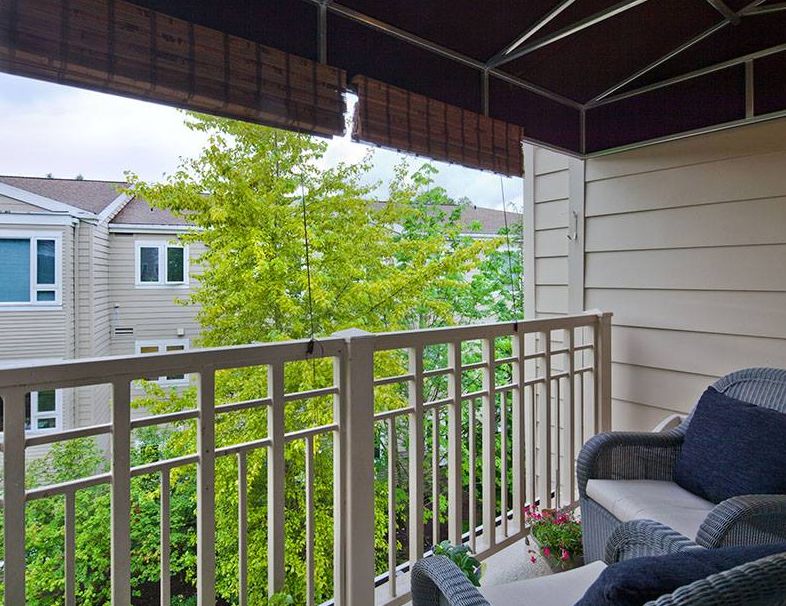
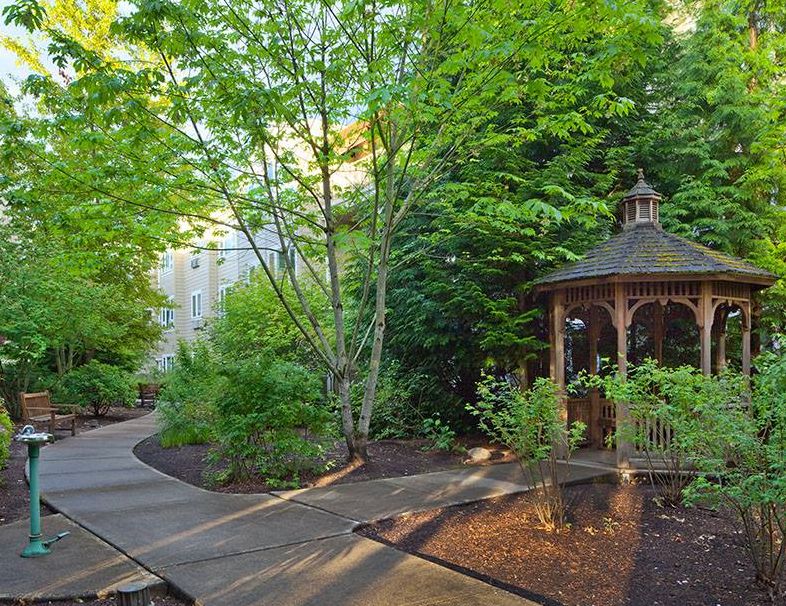
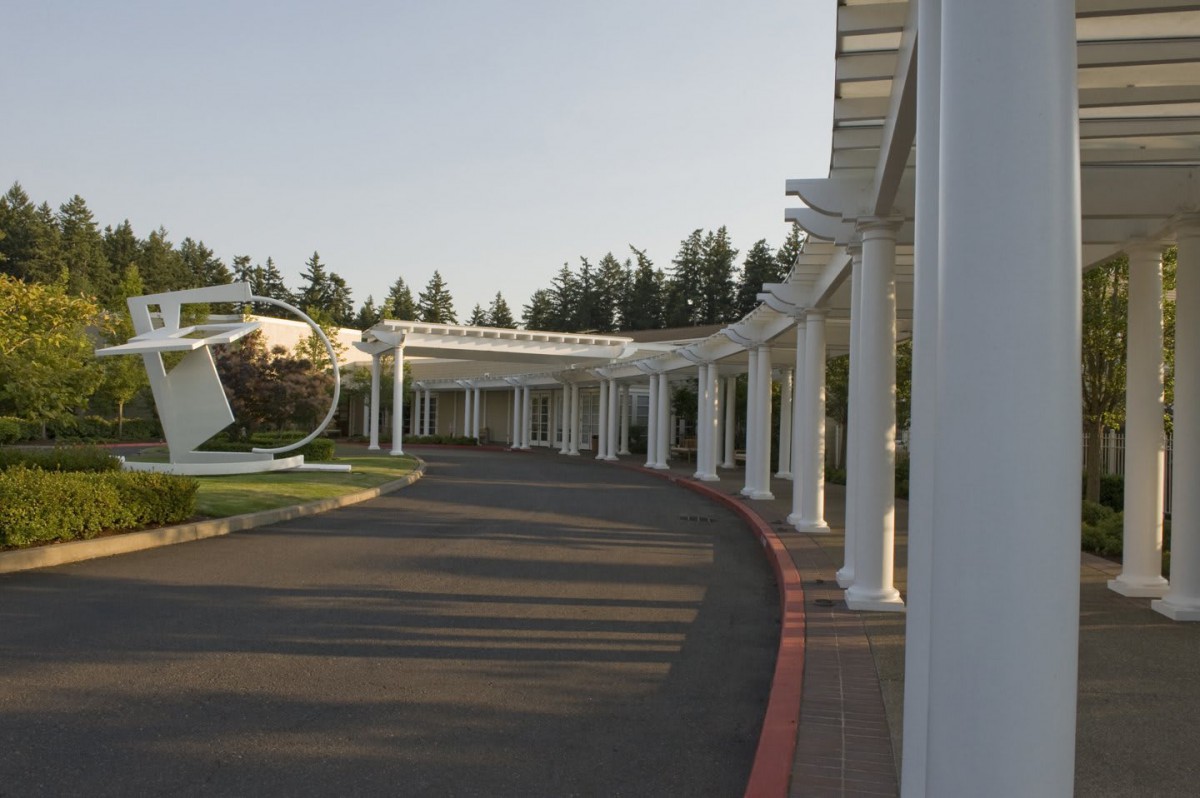
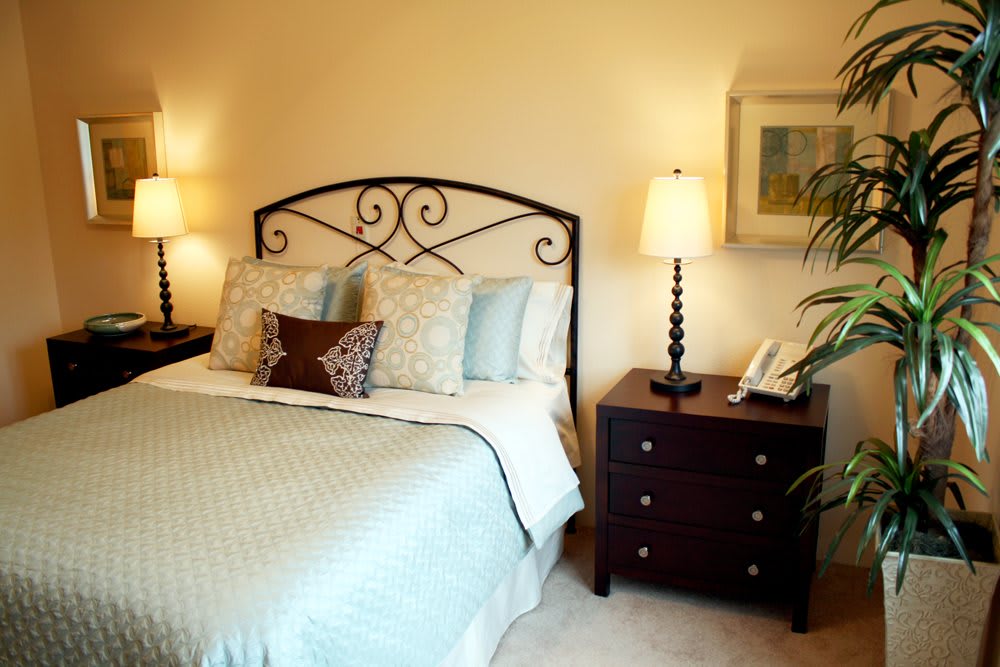
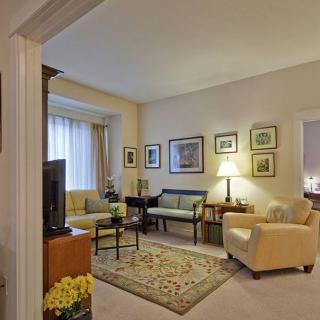
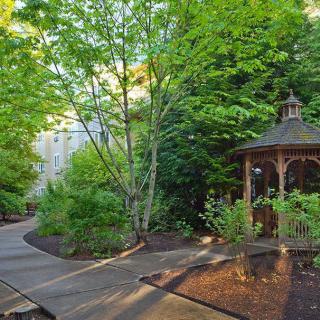
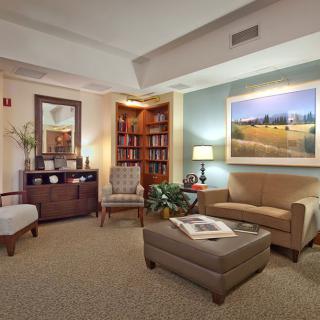
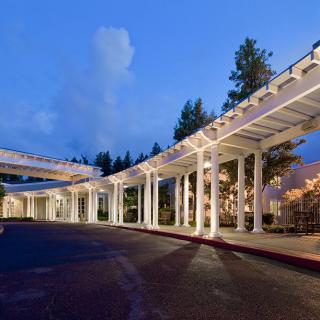
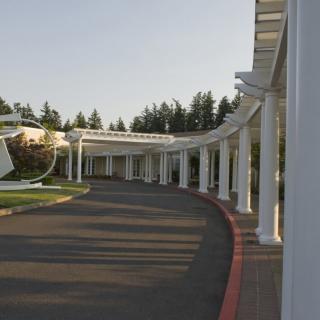
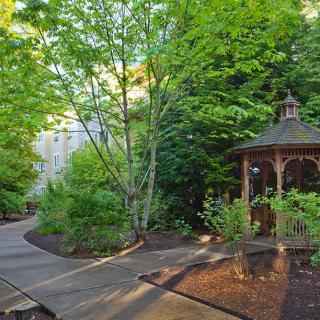
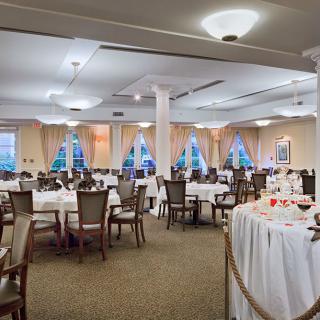
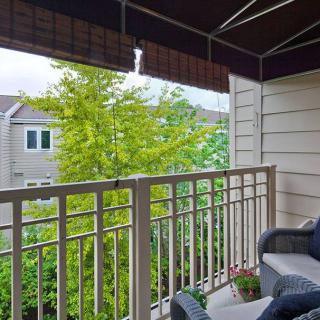
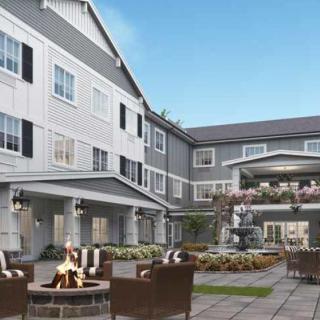
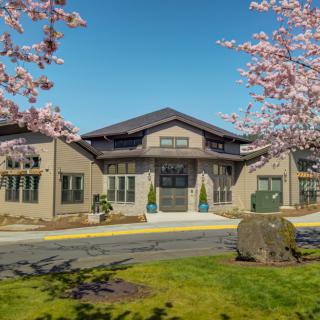
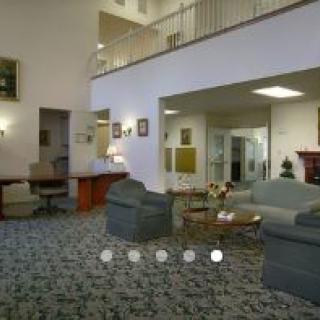
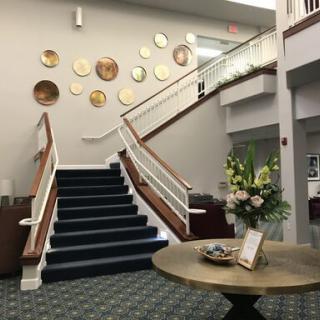
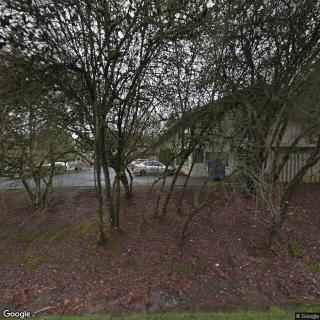
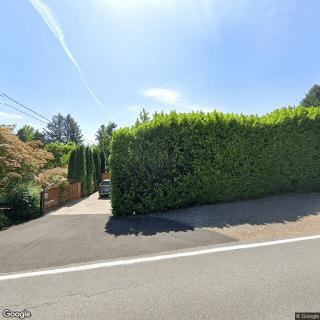
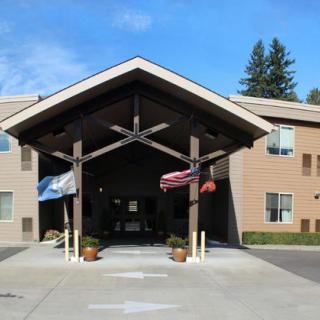
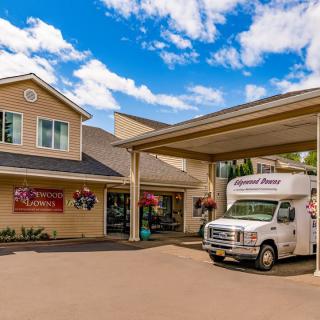
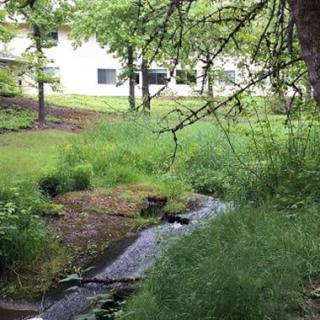
Rose Schnitzer Manor on seniors.fyi includes 10 photos including images showing interior, pathway, landscaping, trees, bedroom, outdoors, living room, artwork, and more.
Nearby Communities
Robison Jewish Health Center
Portland, OR
3.4 from 5 reviews
Good, varied meals; warm, compassionate staff; well-maintained facility with active community spaces and on-site synagogue.
Marquis Autumn Hills Residential Memory Care
Portland, OR
4.3 from 11 reviews
Specialized memory care with 24/7 supervision, personalized ADL support, engaging activities, and restaurant-style dining in a fully furnished setting.
Marquis Autumn Hills Memory Care
Portland, OR
4.2 from 10 reviews
Specialized memory-care with 24/7 supervision and cognitive activities.
Marquis Care at Vermont Hills
Portland, OR
3.8 from 36 reviews
$3,721 to $4,465 / month
Prime Portland location with easy access to cafes, parks, pharmacies, doctors, restaurants, transportation, places of worship, theaters, and hospitals; competitive semi-private pricing.
Marquis Vermont Hills
Portland, OR
3.6 from 30 reviews
Comprehensive care with 24/7 supervision, ADL assistance, medication management, private bathrooms, and restaurant-style dining.
Bridle Mile Senior Care
Portland, OR
5 from 1 review
Excellent access to nearby amenities (parks, pharmacies, doctors, restaurants, transit).
Prestige Senior Living Beaverton Hills
Beaverton, OR
4 from 49 reviews
$5,600 / month
Warm, dedicated staff and a bright, home-like setting that encourages social interaction.
Holiday Edgewood Downs
Beaverton, OR
4 from 127 reviews
$2,519 to $3,959 / month
Friendly staff, clean facilities, and active programs with spacious apartments.
Avamere At Park Place
Tigard, OR
4 from 91 reviews
Caring staff and a welcoming community with engaging activities.
The guide highlights the importance of assisted living facilities for aging veterans needing daily support, discusses unique challenges they face, and outlines available financial assistance from the VA, including the Aid and Attendance program. It emphasizes understanding eligibility criteria and navigating the VA system to access necessary benefits effectively.
The article compares assisted living and skilled nursing facilities, detailing their differing levels of assistance, medical support, cost structures, and day-to-day experiences. It emphasizes that assisted living is for those needing help with daily activities while maintaining independence, whereas skilled nursing facilities provide intensive medical care with 24-hour staff supervision.
The transition from assisted living to skilled nursing care is often prompted by complex medical needs that assisted living cannot meet, with key indicators including frequent health declines, increased falls, severe memory issues, and caregiver burnout. Families should recognize these signs early to discuss options with healthcare providers and prepare for the emotional and logistical aspects of moving to a facility that offers comprehensive medical support.
Get PricingAsk A QuestionSchedule A TourContact Senior Advisor
By clicking submit, you agree to our Partner's Terms of Use. You
also consent to receive calls and texts, which may be autodialed, from our Partner. Your consent is not a condition to
using our Partner's service. Please visit our Partner's Privacy Policy for information about their privacy practices.



 180 resident community capacity
 Assisted Living
 Independent Living
 Cats allowed
 Dogs allowed
 Activities off-site
 Air-conditioning
 Beautician on-site
 Cable or satellite TV
 Computer center
 Devotional services on-site
 Dining room
 Fitness room
 Fully furnished
 Gaming room
 Garden
 Ground floor units
 Housekeeping services
 Indoor common areas
 Kitchenette
 Laundry
 Move-in coordination
 Outdoor common areas
 Overnight guests
 Private bathrooms
 Resident parking
 Respite or short term stays offered
 Restaurant-style dining
 Small library
 Telephone
 Wellness center
 Wheelchair accessible showers
 Wi-Fi/high-speed internet available
 Portland International (10 miles away)
 Community operated transportation
 12-16 hour nursing
 24-hour call system
 Ambulatory care
 Assistance with bathing
 Assistance with dressing
 Assistance with transfers
 Diabetes diet
 Diabetic care
 Incontinence care
 Medication management
 Mental wellness program
 Special dietary restrictions
 Art classes
 Concierge services
 Day trips and outings
 Educational speakers / life long learning
 Happy hour
 Jewish services
 Live dance or theater performances
 Live musical performances
 Visiting chaplain or priest
 Wine tasting
 English
 Good, varied meals; warm, compassionate staff; well-maintained facility with active community spaces and on-site synagogue.


 Assisted Living Support for Veterans: A Complete and Detailed Overview
 Exploring the Contrasts Between Assisted Living and Skilled Nursing
 8 Key Indicators That Suggest It May Be Time to Transition from Assisted Living to Skilled Nursing Care