
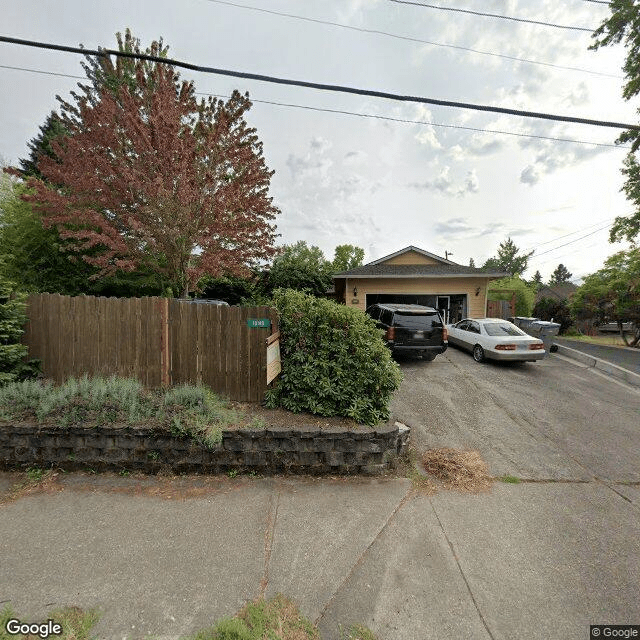
10140 SW Walnut Street, Tigard, OR 97223
To contact a resident: (503) 746-5737
For more information about senior living options: (866) 208-4318
Tigardville Costs & Pricing
In Tigardville, the monthly cost for a private room stands at $2,600, which reflects a more affordable option compared to both Washington County, where private room rates average $3,261, and the broader state of Oregon with an average of $3,424. This pricing position indicates that Tigardville not only provides residents with significant savings but also offers a competitive edge in the regional market for assisted living or long-term care. The lower costs in Tigardville may be appealing to families seeking quality care without the higher financial burden often associated with neighboring areas.
| Floor plans | Tigardville | Washington County | Oregon |
|---|---|---|---|
| Private | $2,600 | $3,261 | $3,424 |
Senior living communities with a similar price nearby
-
from +$400 / mo
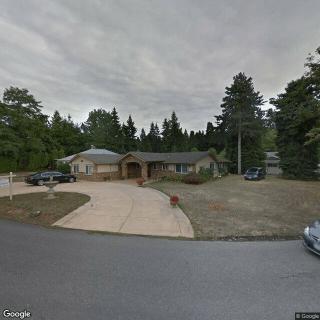
A Piece of Heaven
$3,000 / month8.7 miles away -
from -$100 / mo
Mapleview Manor, LLC
$2,500 / month9.3 miles away -
from -$400 / mo
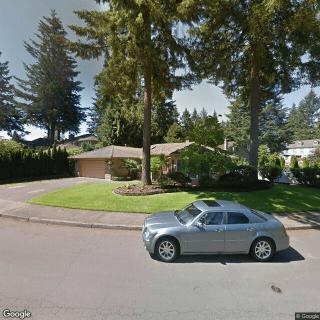
The Peace and Joy Garden
$2,200 / month19.8 miles away -
from +$400 / mo
Yamhill Senior Care Home
$3,000 / month14.8 miles away -
from +$400 / mo
Peaceful Lighthouse Adult Care Home
$3,000 / month17.3 miles away
Overall Review of Tigardville
Pros
 The owner is very kind and understanding.
- The customer service is outstanding—the best ever.
- The facility is amazing, and the owner is caring and attentive to everyone.
- The staff and the owner are the nicest.
- The licensee is amazing, and the home is welcoming.
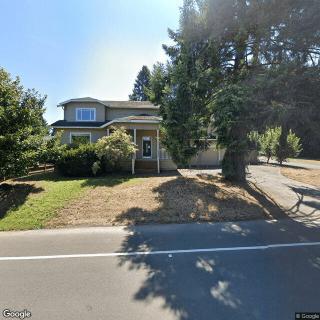
- The home is nice, large, and clean, with good parking; the owner/caregiver is capable and detail-oriented.
- The home is warm and welcoming, very clean, with personal touches that make it feel homier.
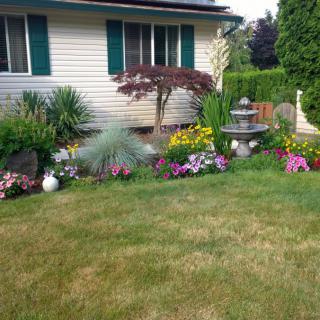
- The landscaping shows time and love, enhancing the home’s charm.
Cons
 The reviewer described bad customer service because the owner promised to meet three times and did not show up.
- The reviewer found the owner's stories vague and unprofessional, expressing disappointment.
Review
Tigardville in Tigard, OR is best suited for families that prize a warm, home-like atmosphere led by a hands-on owner who prioritizes personal relationships, resident comfort, and a clearly caring culture. The community earns a strong rating from a solid base of reviews, underscoring a consistently welcoming environment where residents appear to be treated as family. This is not a large-box operation; it is a small-scale home where the tone is intimate, staff empathy is visible, and everyday life centers on comfort, routine, and personal touches that make a house feel like a home.
At the same time, those who demand perfectly predictable processes and razor-sharp organizational reliability may want to look elsewhere. A minority of reviews flag issues around consistency in communication and meeting with the owner, suggesting that when expectations aren’t clearly set or when the owner’s time is stretched, follow-through can dip. Potential residents should be aware that while the overall climate is exceptionally warm, there is a brewing risk of variability in execution, particularly around scheduling, responsiveness, and professional boundaries. For families that require formalized, always-on access to leadership or a consistently documented care-planning cadence, alternatives with larger teams and more standardized systems may serve them better.
The most compelling pros here revolve around people and place. The staff and, in particular, the owner are repeatedly described as genuinely kind, understanding, and caring, with a licensee who runs the home in a way that feels welcoming and attentive to every resident. The environment itself reinforces these strengths: a clean, nicely kept home with good parking and an unmistakable sense of hominess. Reviewers point to thoughtful touches, personalized details in the décor and a well-tended landscape, that convey time, effort, and affection invested in the space. In short, Tigardville delivers on the emotional and relational dimensions of care, creating moments of genuine comfort that can matter as much as clinical support.
Where the caveats cluster, they center on inconsistent service delivery at times. A few voices describe promises unmet and messages that felt vague or unprofessional, with notes that meetings with the owner were repeatedly rescheduled or not honored. Although these appear to be less common in the overall mix, the existence of even a couple of such experiences is meaningful for families basing a choice on reliability and clear accountability. The divergence between the overwhelmingly warm day-to-day family vibe and these sporadic communication gaps means decisions here hinge on whether a family can tolerate, or better yet prevent, gaps through proactive engagement and explicit agreements.
The best way to translate the pros and cons into a practical decision is to anchor expectations upfront. If choosing Tigardville, insist on a dedicated point of contact and a written schedule for all regular interactions with the owner or licensee. Ask to see a sample care plan process and request routine updates so that communication becomes predictable rather than reactive. Visiting more than once, ideally at different times of the day, helps gauge whether the warmth and attentiveness persist across shifts. Inquire about staff turnover, daily routines, and how personal touches are maintained as residents’ needs evolve. These steps convert the home’s strengths into reliable, repeatable care experiences rather than contingent goodwill.
Overall, Tigardville offers a compelling option for families seeking a small, personable setting where residents are treated with warmth, dignity, and a level of personal attention that large facilities can struggle to match. It is a strong fit for those who value a homelike, “nurturing community” culture and are comfortable with a leadership style that is highly involved but requires clear boundaries around scheduling and follow-through. For families prioritizing constant executive accessibility and formalized processes, it represents more of a calculated trade-off: exceptional heart and personality balanced against the potential for occasional communication gaps. If the fit is right, Tigardville can deliver meaningful, daily-life quality that makes the choice feel less like a decision and more like a peaceful transition into trusted care.
 Board and Care Home
 Activities on-site
 Indoor common areas
 Outdoor common areas
 Private
 Portland International (14 miles away)
 Ambulatory care
 Diabetic care
 High acuity care
 Incontinence care
 Meals provided



 Weight Training for Seniors: Building Strength and Vitality
 Understanding the Sandwich Generation: Stress and Responsibilities for Multigenerational Caregivers
 8 Essential Assistive Devices for Older Adults