
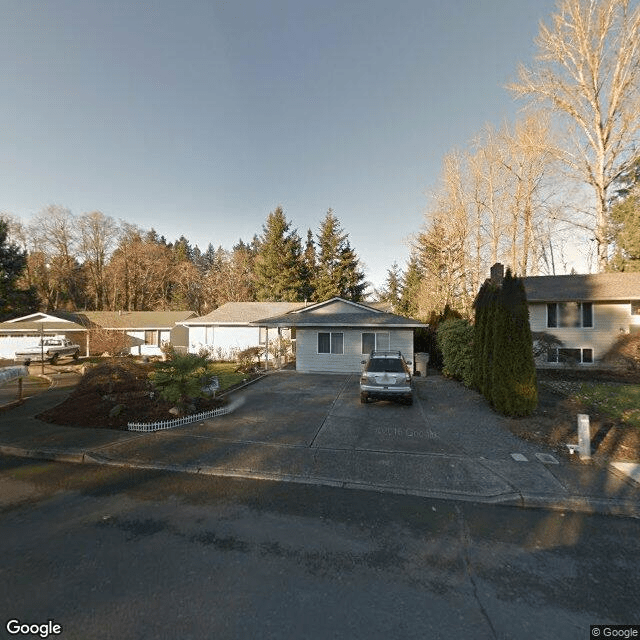
13045 S.W. 107th Court, Tigard, OR 97223
To contact a resident: (503) 620-5740
For more information about senior living options: (866) 208-4318
Golden Gate Home Care Costs & Pricing
Golden Gate Home Care offers competitive pricing for its services, particularly when compared to both Washington County and the broader state of Oregon. For a one-bedroom unit, residents can expect to pay $3,100 per month, significantly lower than the county average of $4,082 and just slightly below the state average of $3,904. Similarly, for private rooms, Golden Gate maintains an attractive rate of $3,100, which is notably less than the Washington County rate of $3,261 and below the statewide average of $3,424. This positions Golden Gate Home Care as a cost-effective option for individuals seeking quality care without compromising their financial stability.
| Floor plans | Golden Gate Home Care | Washington County | Oregon |
|---|---|---|---|
| 1 Bedroom | $3,100 | $4,082 | $3,904 |
| Private | $3,100 | $3,261 | $3,424 |
Memory care communities with a similar price nearby
-
from -$600 / mo
A Gentle Care Home
$2,500 / month13.5 miles away -
from +$400 / mo
American Living Adult Family Home LLC
$3,500 / month21.5 miles away -
from -$100 / mo
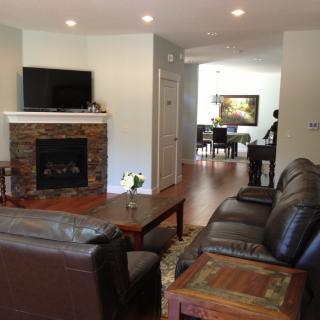
Elder Garden Care Home, LLC
$3,000 / month17.5 miles away -
from +$400 / mo
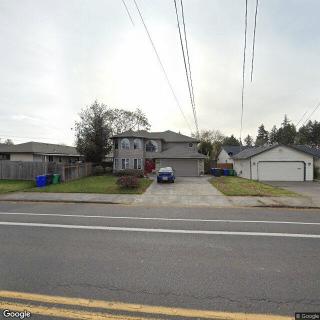
Northwest Home Health
$3,500 to $3,700 / month9.5 miles away -
from -$100 / mo
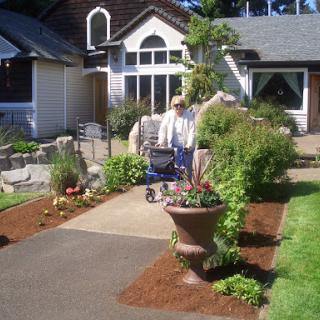
Rivercrest Adult Care
$3,000 to $3,700 / month11.2 miles away
Overall Review of Golden Gate Home Care
Pros
 The staff are very caring, and the home is immaculate.
- They are top-notch individuals who truly care for their residents.
- The owners and their family provide care with genuine sincerity.
- The location is great, and the housekeeping, meals, attention to residents, and atmosphere are all five-star.
- The home feels comfortable and almost like being at home.
- Residents have been consistently happy during their stay, supported by amazing care.
- The caregivers are amazing, and the staff are wonderful, caring, and loving.
- The facility is clean, well maintained, and the staff are friendly.
- The owner and staff are kind, helpful, and the home is wonderful.
Cons
 The reviewer felt that there were poor levels of care options available.
- They did not favor the facility because there wasn’t a restroom in the room.
- They were not impressed with the director.
- They felt the care home did not seem active enough for their loved one.
- They noted they had limited interaction with the staff.
Review
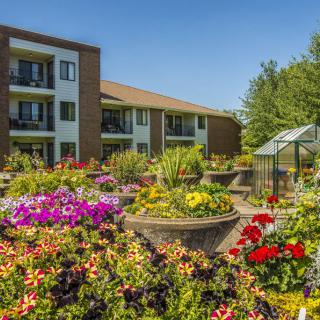
Golden Gate Home Care in Tigard is best suited for families seeking a warm, intimate, home-like setting where caregivers are deeply involved in daily life and residents receive personalized attention. This is not a large, clinical campus; it functions more like a family-run adult foster home where the owners and staff share a visible, ongoing commitment to each resident. It is particularly well matched to seniors who value consistent, compassionate presence over formal medical programming, and who thrive in a quiet, respectful atmosphere that emphasizes dignity, comfort, and genuine companionship. The frequent praise about immaculate upkeep and a caregiving culture that treats residents as people first makes the home feel like a natural extension of family life during a difficult transition.
Those who may want to consider alternatives are residents who need in-room amenities such as an attached private bathroom, or those who require a highly active, highly structured daily schedule with extensive social programming. One reviewer noted the lack of an in-room restroom, which can be a practical hurdle for some. A separate tour reflected mixed impressions of leadership, suggesting that some families may prefer a setting with more centralized or visible administrative oversight. For families seeking robust, hospital-style medical oversight, frequent on-site nursing, or a campus with expansive activity calendars and larger-scale resources, a bigger assisted-living or memory-care community may fit better. The location’s off-the-beaten-path feel is a plus for privacy and hominess, but may be less convenient for those prioritizing curb appeal or quick, high-energy environments.
On the positive side, the core strengths consistently cited offset most concerns. Staff are described as genuinely caring, with multiple accounts labeling caregivers as “amazing” and “top notch,” and recognizing owners who invest time and heart into residents’ daily lives. The home’s cleanliness and the atmosphere of belonging are repeatedly highlighted, creating a sense of safety for families navigating a loved one’s decline or long-term care needs. In several anecdotes, residents adapt to the environment with noticeable improvements in mood and quality of life, and families report an extraordinary level of support during end-of-life transitions. The combined effect of heartfelt caregiving and a calm, home-like routine often translates into a meaningful, sometimes life-extending, daily reality for residents.
Where the slightly more modest scope presents friction, the strongest-care narrative still tends to prevail. The absence of an in-room bathroom remains a concrete trade-off for some, but attentive staff routinely bridge gaps with hands-on assistance and predictable daily rhythms that minimize disruption. The concern that activity levels are not as "robust" as larger campuses can be mitigated by individualized engagement plans and a pace that favors depth over breadth, one-on-one conversations, meaningful tasks, and opportunities for family participation. In practice, the emotional resonance of being treated like family, paired with consistent, long-tenured caregivers, often outweighs the lack of a broad calendar of events, especially for residents who prioritize comfort, continuity, and personal attention over brisk social programming.
Practical steps for evaluating fit should center on concrete room configurations, the availability of in-room bathrooms, and how often the resident would interact with staff across daily routines. Prospective families should request a realistic sample weekly schedule, observe direct interactions between staff and current residents, and meet the caregivers who would provide the bulk of daily care. Clarify how end-of-life support is handled and how transitions are managed if a higher level of medical attention becomes necessary. If the goal is a bustling activity scene or immediate access to hospital-grade services, this setting may not satisfy; if the aim is consistent warmth, intimate care, and a sense of belonging, Golden Gate stands out as a highly credible option worth pursuing.
In the end, Golden Gate Home Care offers a compelling package for families prioritizing warmth, personal connection, and proven compassionate caregiving within a compact, home-like environment. It excels at delivering dignity-centered care, exceptional caregiver continuity, and a family-centric atmosphere that can transform a daunting transition into a manageable, reassuring experience. It may not fit every needs profile, particularly for those demanding intensive medical oversight, high-volume activity programs, or straightforward in-room amenities, but for families seeking a humane, steady, and heartfelt caregiving culture, this home represents a persuasive and trustworthy choice. A thoughtful visit, candid conversations with staff, and a clear view of the resident’s priorities will reveal whether Golden Gate is the right match.
 Board and Care Home
 Memory Care
 Activities off-site
 Bath tubs
 Beautician on-site
 Indoor common areas
 Outdoor common areas
 Private
 Respite or short term stays offered
 Wheelchair accessible showers
 Portland International (15 miles away)
 Diabetic care
 High acuity care
 Incontinence care
 Kosher

 Five Subtle Dementia Indicators to Observe: An In-Depth Guide to Understanding “Does My Mom Have Dementia?”
 Dementia, Paranoia, and Caregiver Guidance: Understanding the Connection
 Engaging Memory Care Activities That Enhance Quality of Life