
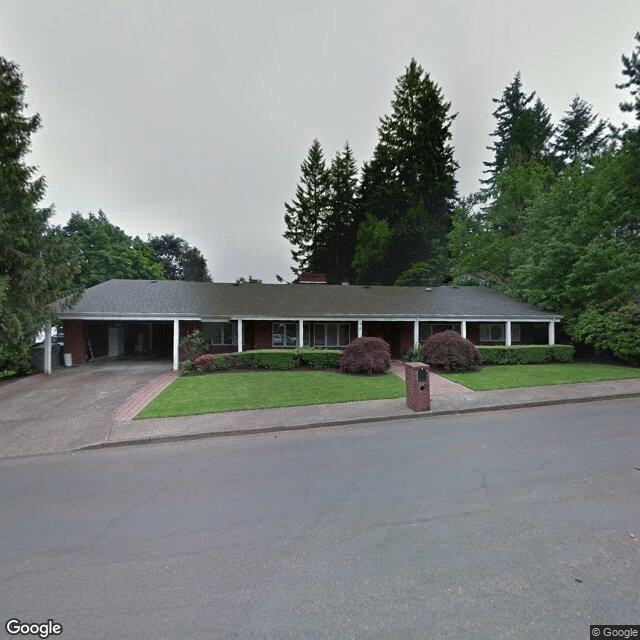
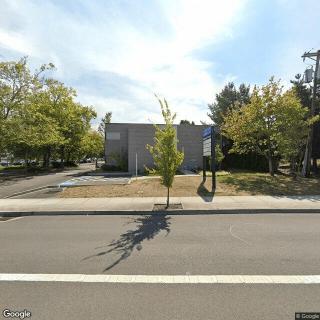
13360 SW Genesis Loop, Tigard, OR 97223
To contact a resident: (503) 524-7230
For more information about senior living options: (866) 208-4318
Tigard Genesis Costs & Pricing
At Tigard Genesis, the monthly cost for a private room is set at $2,900, making it a competitive option within both Washington County and the broader Oregon market. In comparison, the average cost for a private room in Washington County is approximately $3,261, while across Oregon, this figure rises to about $3,424. This positions Tigard Genesis as an attractive choice for individuals seeking quality care without exceeding their budget, reflecting not only affordability but also value within the context of regional pricing trends.
| Floor plans | Tigard Genesis | Washington County | Oregon |
|---|---|---|---|
| Private | $2,900 | $3,261 | $3,424 |
Senior living communities with a similar price nearby
-
from +$100 / mo
A Piece of Heaven
$3,000 / month9.3 miles away -
from -$400 / mo

Mapleview Manor, LLC
$2,500 / month9.8 miles away -
from +$100 / mo
Yamhill Senior Care Home
$3,000 / month15.4 miles away -
from +$100 / mo
Peaceful Lighthouse Adult Care Home
$3,000 / month17.9 miles away -
from -$400 / mo

A Gentle Care Home
$2,500 / month13.8 miles away
Overall Review of Tigard Genesis
Pros
 The mother received the care she needed.
- The staff is friendly and personable.
- The facility was immaculate.
- The food was good.
- The staff is great.
Cons
 They found it difficult to work with the owners.
Review
Tigard Genesis is best suited for families seeking a care-focused environment where frontline caregivers deliver consistent, practical support, and where daily life is defined by cleanliness and solid meals. This community works for seniors who want reliable, hands-on assistance with routines, a calm atmosphere, and a visible emphasis on personal interactions with the staff. In short, it’s a fit for those who prioritize dependable caregiving and a well-kept living space over highly specialized medical programming or aggressive administrative responsiveness.
Those weighing alternatives should note that owner relationships can be a decisive factor. If a family requires highly collaborative, transparent, and readily accessible leadership, or envisions seamless, proactive problem-solving with management, Tigard Genesis may fall short. The pattern from current impressions points to a leadership dynamic that can complicate quick decisions, issue resolution, and ongoing care planning. Families needing a highly communicative ownership team, or a structure that supports continuous family involvement at the top level, should explore other options.
On the positive side, the core strengths are clear and practical. The staff is consistently friendly and personable, creating a welcoming daily rhythm for residents. Care delivery appears to meet basic needs effectively, which translates into peace of mind for families trusting the team to handle routine assistance, monitoring, and support. The facility itself leaves a favorable impression, immaculate spaces that convey pride in upkeep and an environment that feels orderly and well cared-for. Food quality is described as good, contributing to overall comfort and satisfaction in day-to-day living.
The primary drawback centers on ownership dynamics. Multiple remarks highlight difficulty in working with the owners, suggesting potential friction in communication, responsiveness, and problem resolution. That tension can ripple into care planning, updates on a resident’s condition, billing questions, or escalations when special arrangements are required. For families navigating healthcare decisions, this is a meaningful caveat: the day-to-day care may be solid, but the pathway to addressing concerns or coordinating changes could be more challenging than preferred. This factor is not a trivial footnote; it shapes long-term satisfaction and the ease of ongoing collaboration.
Nevertheless, the strong pros somewhat offset the main cons for the right client profile. A dependable staff team and a spotless, inviting environment create steady quality of life, which matters most when daily routines and safety are the ongoing focus. For residents who thrive on predictable caregiving, the positives can outweigh the administrative tensions, especially if the family is comfortable working through a relationship with ownership, or if a trusted surrogate (such as a director or nurse manager) can serve as a reliable bridge. The key is to verify that care planning and day-to-day communication can proceed without friction, even if ownership dynamics remain less seamless.
The practical conclusion: Tigard Genesis is a solid choice for families prioritizing dependable caregiving, a clean, comfortable setting, and good meals, with the understanding that ownership interactions may require extra patience and clear, structured communication. Prospective residents should visit with a concrete plan: request a consistent point of contact, insist on written care plans, and seek reassurance about response times for scheduling changes or concerns. If ownership accessibility and collaborative problem-solving are non-negotiables, alternatives with more straightforward leadership may be preferable. For those who can work within the current management style and place a premium on front-line care quality, Tigard Genesis offers reliable daily life support in a well-kept, welcoming environment.
 Board and Care Home
 Activities off-site
 Devotional services off-site
 Indoor common areas
 Outdoor common areas
 Private
 Private bathrooms
 Respite or short term stays offered
 Wheelchair accessible showers
 Portland International (15 miles away)
 Diabetic care
 Incontinence care
 Meals provided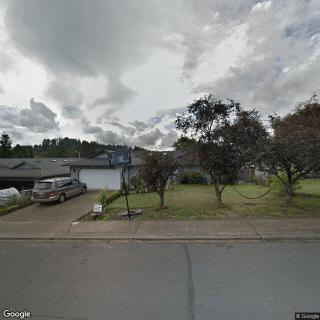



 Understanding the Full Cost of 24/7 In-Home Care: A Detailed Overview
 Exploring the World of Home Health Nurses: Qualifications, Roles, and Hiring Tips
 Navigating Medicare Coverage for In-Home Care Services