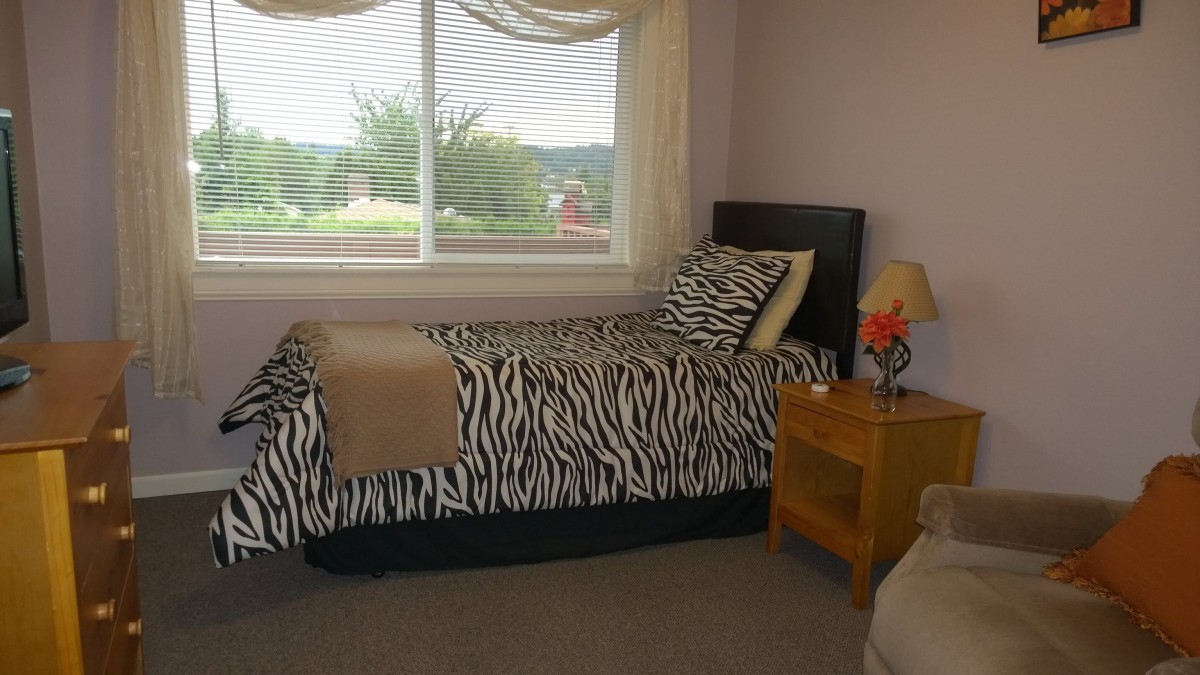
13200 SW Village Glenn Drive, Tigard, OR 97223
To contact a resident: (503) 968-1576
For more information about senior living options: (866) 208-4318
Libra Adult Care Home Costs & Pricing
Libra Adult Care Home offers private room accommodations at a competitive rate of $3,100 per month. When compared to the average costs in Washington County, which stands at approximately $3,261, and the broader state average of $3,424 for similar care facilities in Oregon, Libra provides an appealing option for those seeking quality adult care services without straining their budget. This pricing reflects a thoughtful balance of affordability and care quality within the local market, making it an attractive choice for families considering long-term care solutions.
| Floor plans | Libra Adult Care Home | Washington County | Oregon |
|---|---|---|---|
| Private | $3,100 | $3,261 | $3,424 |
Senior living communities with a similar price nearby
-
from -$100 / mo
A Piece of Heaven
$3,000 / month8.3 miles away -
from -$600 / mo

Mapleview Manor, LLC
$2,500 / month8.9 miles away -
from -$100 / mo
Yamhill Senior Care Home
$3,000 / month14.6 miles away -
from -$100 / mo
Peaceful Lighthouse Adult Care Home
$3,000 / month17.0 miles away -
from +$400 / mo
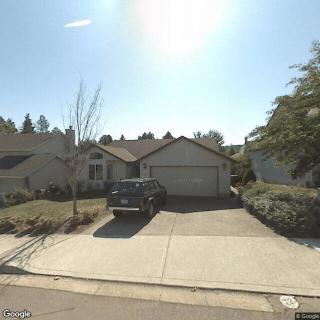
Fulga's ACH
$3,500 / month4.5 miles away
Overall Review of Libra Adult Care Home
Pros
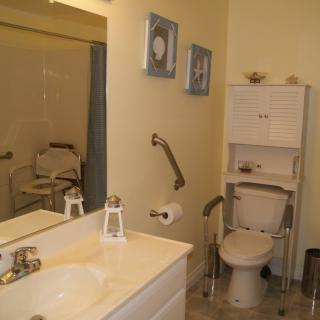
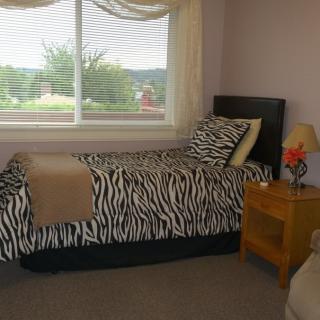
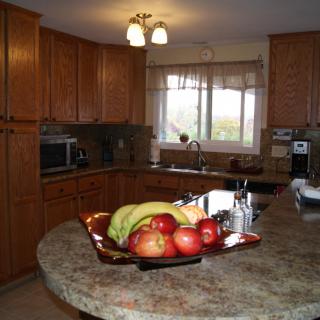
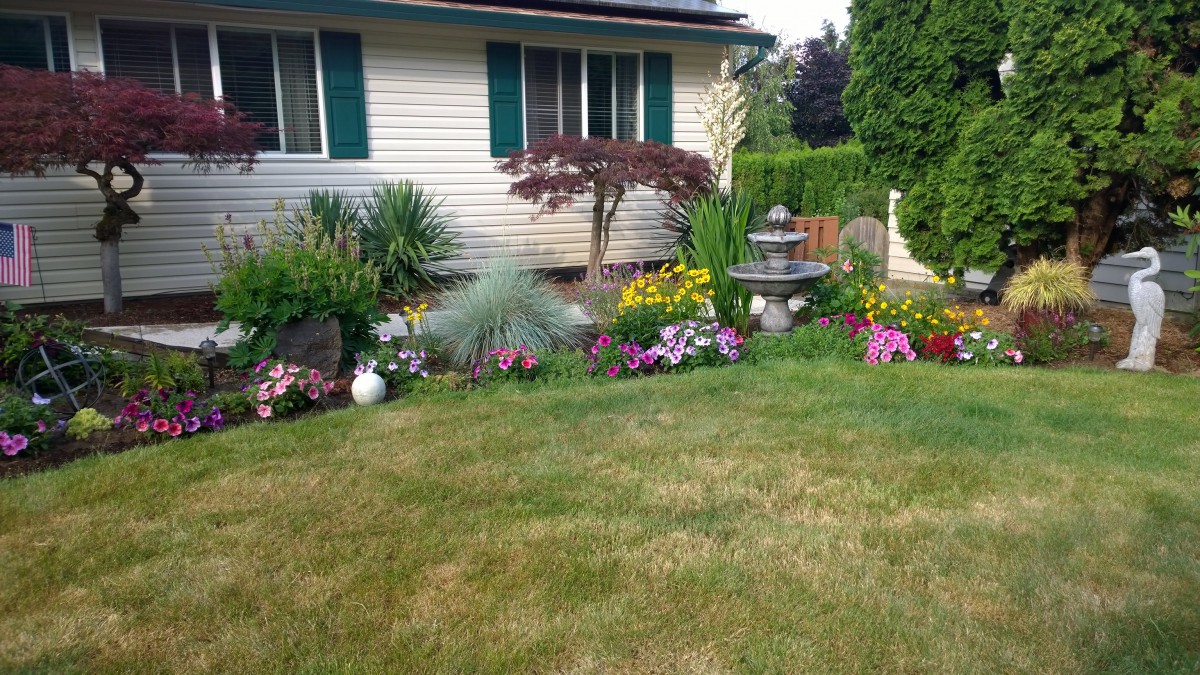
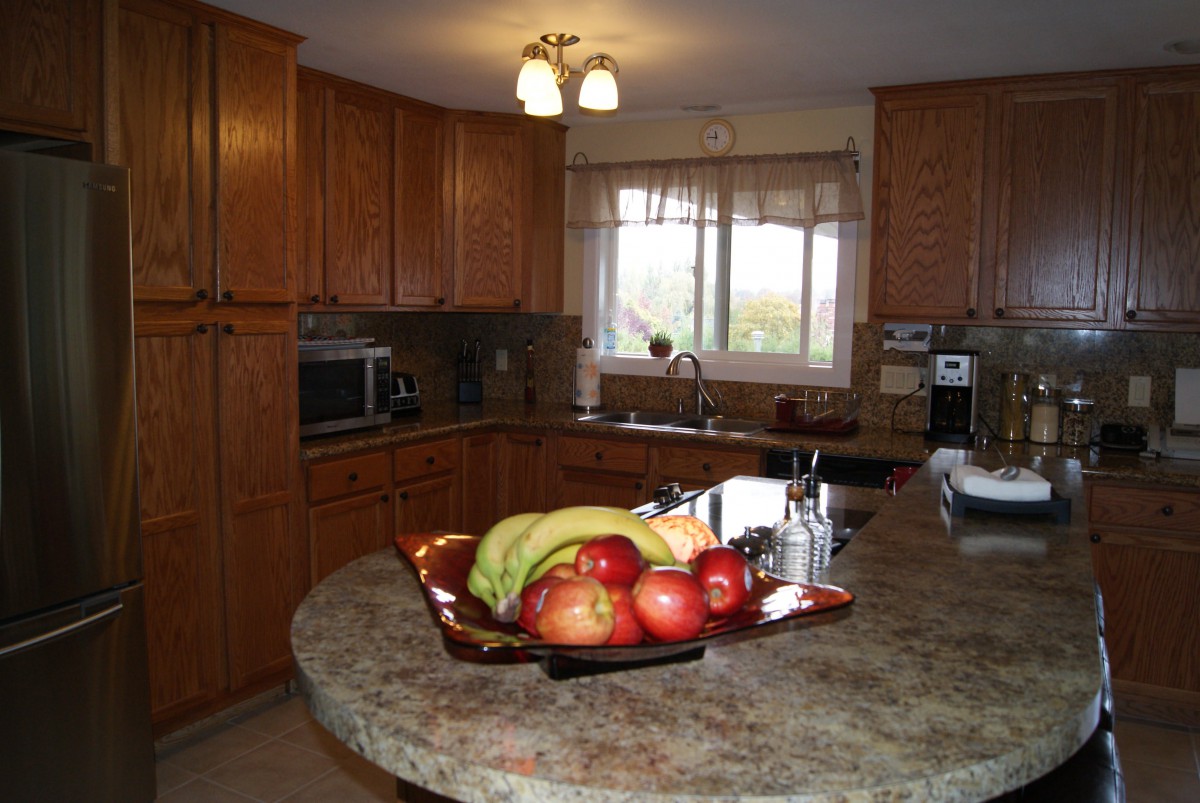
 The home is large and immaculately kept.
- The caregivers are very nice and experienced.
Review
Libra Adult Care Home in Tigard is best suited for families seeking a compact, home-like setting where care feels personal and attentive. The property reads as a comfortably large house that’s meticulously maintained, a detail evident in the two positive reviews. The caregiving team is described as experienced, implying stable, knowledgeable support for daily living tasks, medication reminders, and routine safety. For households prioritizing warmth, familiarity, and a hands-on approach to daily care, Libra offers a sensibly intimate environment that can help residents settle in with less of the institutional vibe some families want to avoid.
However, families with heavier clinical needs or a preference for a larger community should consider alternatives. If the priority is stronger on-site medical oversight, more structured programming, or a broader spectrum of therapies, a larger assisted living or memory-care campus may be more appropriate in the Tigard area. When evaluating Libra, ask upfront about whether there is an on-call nurse, the caregiver-to-resident ratio, and the range of activities offered beyond daily routines. The two reviews do not illuminate these operational details, so direct confirmation is essential before making a firm commitment.
The standout positives, the sizable, well-kept home and the clearly experienced caregivers, work in concert to create a high-trust, homelike atmosphere. That setting can reduce feelings of impersonality and foster meaningful connections with staff, which in turn supports consistent supervision and quick responsiveness to needs or mood shifts. These advantages can offset common concerns about smaller domestic-care homes, such as a lack of personal attention or perceived rigidity. Yet without explicit data on staffing levels or medical support capabilities, it remains prudent to confirm that the care model aligns with resident needs, especially for individuals managing chronic conditions or complex medication regimens.
As for potential limitations, the sparse review pool leaves several unknowns. Prospective residents should verify the availability of 24/7 supervision, dietary accommodations, medication management protocols, and emergency procedures. The intimate size of the home is a double-edged sword: it can feel more comfortable and flexible, but it may also limit access to a wider menu of therapies, transportation options, and group activities found in larger campuses. Those seeking a schedule packed with organized outings will want to test whether Libra’s activity calendar meets expectations and daily structure, and whether residents have opportunities to engage in meaningful, individualized programs.
A tour should be structured to elicit concrete answers: ask about daily routines, a sample day, meal service standards, and the process for updating care plans. Talk to caregivers about training, tenure, and the level of supervisory support they receive. Request references from families who have lived there for several months and a recent care assessment from a clinician. Because the public signal from the two reviews is strong in favor of the home and its staff, corroborating impressions in person remains essential. Observing interactions during meals and routine care tasks will reveal whether the warmth described in reviews translates into daily practice.
For families prioritizing a warm, intimate, caregiver-led environment, Libra presents a compelling option in Tigard. The combination of a large, immaculately kept setting and proven caregiver experience supports a high quality of daily life and reliable support. If those priorities align, this community deserves close consideration. If, instead, the decision hinges on scale, formal medical oversight, or a wider array of therapeutic programs, alternatives with a larger footprint or specialized design may serve better. The right choice balances the comfort of homelike care with the necessary medical and activity infrastructure to maintain well-being over time.
 Board and Care Home
 Activities off-site
 Devotional services off-site
 Indoor common areas
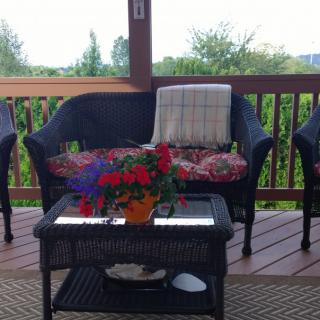
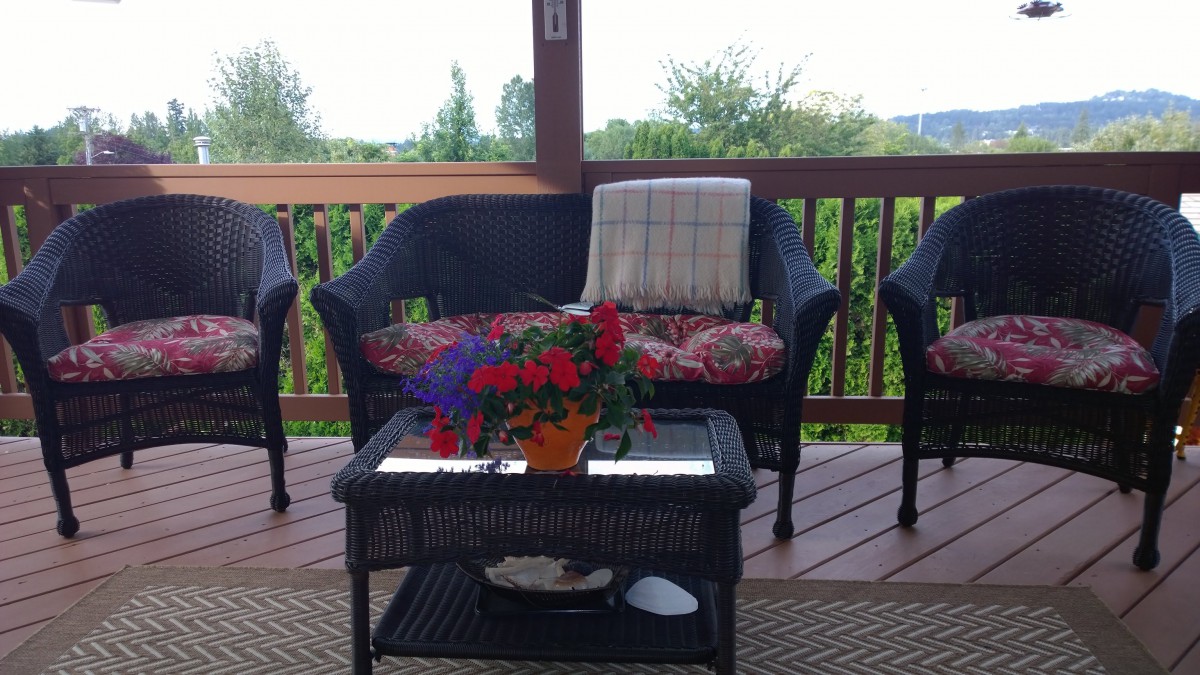
 Outdoor common areas
 Private
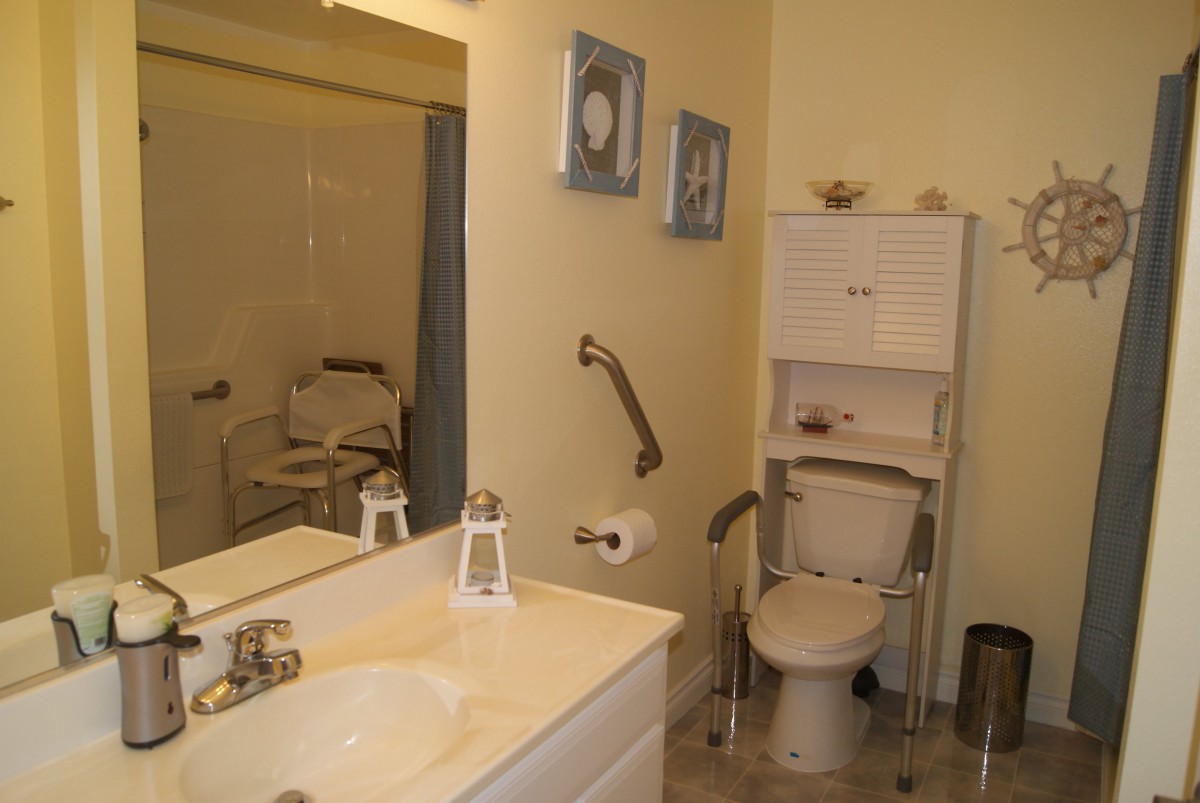
 Private bathrooms
 Respite or short term stays offered
 Wheelchair accessible showers
 Portland International (14 miles away)
 Ambulatory care
 Diabetic care
 High acuity care
 Incontinence care
 Medication management
 Kosher
 Christian services






 Top Canine Companions for Older Adults
 Comprehensive Guide to Blood Pressure Charts for Older Adults: Understanding Normal and High Readings by Age
 Financing Long-Term Nursing Home Care Through Social Security: A Thorough Exploration