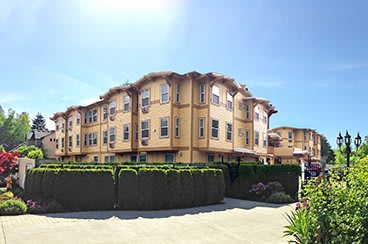





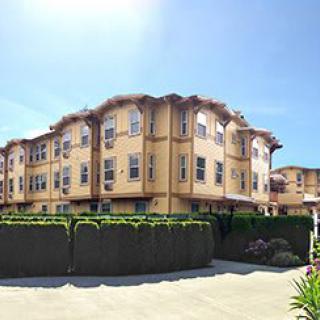


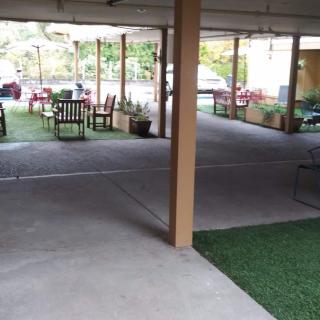



12353 South West Grant Street, Tigard, OR 97223
For more information about senior living options: (866) 208-4318
Fanno Creek By Elite Care Costs & Pricing
Fanno Creek By Elite Care offers a one-bedroom living arrangement at a monthly cost of $5,650, which reflects a higher investment compared to the average costs in Washington County and across Oregon. In Washington County, the average monthly rate for similar accommodations stands at $4,082, while statewide in Oregon, it is even lower at around $3,904. This pricing illustrates Fanno Creek's positioning within the market, likely reflecting enhanced amenities or specialized services that justify the premium. Prospective residents and their families may find value in the unique offerings of Fanno Creek that differentiate it from other options in the region.
| Floor plans | Fanno Creek By Elite Care | Washington County | Oregon |
|---|---|---|---|
| 1 Bedroom | $5,650 | $4,082 | $3,904 |
Overall Review of Fanno Creek By Elite Care
Pros
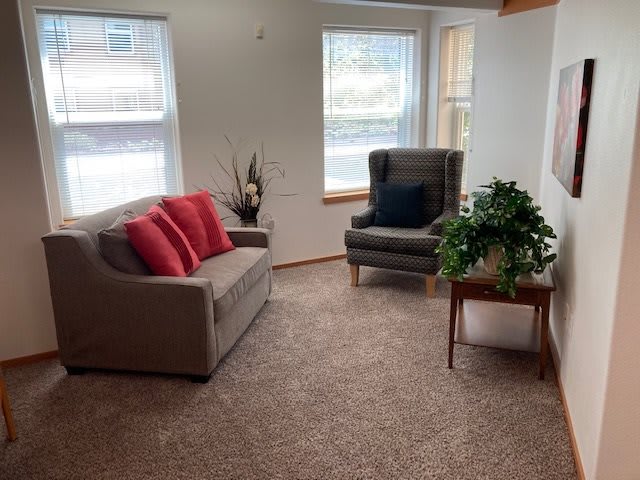
 The layout feels like a home, with rooms opening to a central gathering and a welcoming lounge.
- It presents a clean, resort-like atmosphere that feels inviting.
- The staff communicate well with families and take the time to know residents’ needs.
- The meals are outstanding with a menu to choose from, plus dessert and wine.
- Residents enjoy outings and social activities, keeping them engaged and connected.
- The staff are amazing and foster a family-like environment, with the chef involved with residents.
- The environment feels safe and supports independence while providing attentive care.
- Security features and day-by-day activity tracking provide peace of mind.
Cons
 The reviewer would not trust these caregivers to care for their dog.
- A grandmother’s engagement ring was stolen while living at Fanno Creek.
- There was high turnover of staff and management, and a male caregiver gave baths at night despite explicit requests for no male caregivers.
- The resident fell out of bed multiple times, each incident requiring an ambulance, and the primary contact was not notified.
- Fees escalated dramatically, and charges continued after the resident’s death.
- Staff or management rarely answered the phone or returned calls, making communication difficult.
- The facility was too expensive, at over $7,000 per month.
Review
This community is best suited for families seeking a home-like, socially active setting where independence is preserved and daily life feels integrated with meaningful activities. It works best for residents who thrive on interaction, structured routine, and cooking-quality meals, with a staff team that appears engaged and curious about individual preferences. For loved ones who prize a warm, family-style atmosphere over a clinical or institution-like feel, Fanno Creek By Elite Care stands out as a compelling option. Those who require intensive medical oversight, rigid safety protocols, or a tightly controlled caregiving schedule may want to consider alternatives.
The standout positives center on design, atmosphere, and lived-in engagement. The absence of long hallways and the open, home-like layout create a sense of belonging rather than confinement, with gathering spaces that encourage socialization rather than isolation. Dining appears to be a real strength, featuring a varied menu and desserts, and activity programming includes outings and field trips that help residents stay connected to the broader world. Families repeatedly highlight staff who communicate well and know residents’ needs, plus a genuine sense that residents are included in daily life rather than warehoused. The kitchen and culinary staff are frequently cited as active participants in the community, contributing to an atmosphere that feels both welcoming and vibrant.
Yet significant concerns temper the appeal. A pattern of staff turnover and management changes undermines continuity of care and trust. One stark example involves a caregiver situation that raised clear safety questions, including inappropriate staff assignments and late-night care routines, coupled with a refusal to honor a prior instruction regarding gender. Add to that a series of incidents, including a resident falls that required ambulance transport and inconsistent notification to family contacts, and the sense that risk management may not be as robust as hoped. The financial relationship also stands out, with bills alleged to escalate rapidly and, in at least one case, continued billing months after a loved one had passed. Combined with inconsistent phone access and holiday communication gaps, these elements erode the confidence that families count on in a secure, reliable care environment.
The balance between strengths and weaknesses hinges on what families value most. The pros, engaged staff, meaningful social opportunities, tasty food, and a layout that reduces confusion, can deliver genuine quality of life improvements for many residents, and some reports suggest residents retain or even improve in certain cognitive areas while enjoying independence. However, the cons carry serious weight: safety incidents, perceived gaps in communication, and questions about transparency in billing and operations can overwhelm the benefits, especially for families facing ongoing medical or memory-care needs. In practical terms, the stronger the emphasis on daily social fulfillment and resident autonomy, the more risk exists that crucial safety and transparency expectations are overlooked.
For families evaluating alternatives, this community may not be the best fit for those with high memory-care demands, complex medical needs, or a preference for consistently low caregiver turnover and rigorous incident reporting. Budget-conscious buyers or those requiring absolute predictability in billing and communications may also want to compare with other options that offer steadier staffing and clearer financial terms. Additionally, households concerned about safeguarding valuables, or about having reliable, timely updates on a loved one’s day, should probe deeply into current practices and contract language before committing.
Practical next steps include arranging an in-depth tour during a busy time to observe staff interactions and responsiveness, requesting direct conversations with current residents’ families, and reviewing the contract for rate escalation patterns and post-death billing details. Prospective residents should explicitly inquire about memory-care staffing ratios, caregiver gender preferences, and incident-reporting procedures, plus the availability of real-time activity logs and daily summaries. In short, Fanno Creek By Elite Care offers a compelling, engaging environment for the right resident, but families should weigh the vibrant social life and kitchen-centric culture against the real risks around safety, communication, and cost before making a decisive choice.
 30 resident community capacity
 Assisted Living
 Memory Care
 Activities off-site
 Air-conditioning
 Beautician on-site
 Cable or satellite TV
 Devotional services off-site
 Dining room
 Fully furnished
 Garden
 Handicap accessible
 Housekeeping services
 Indoor common areas
 Kitchenette
 Move-in coordination
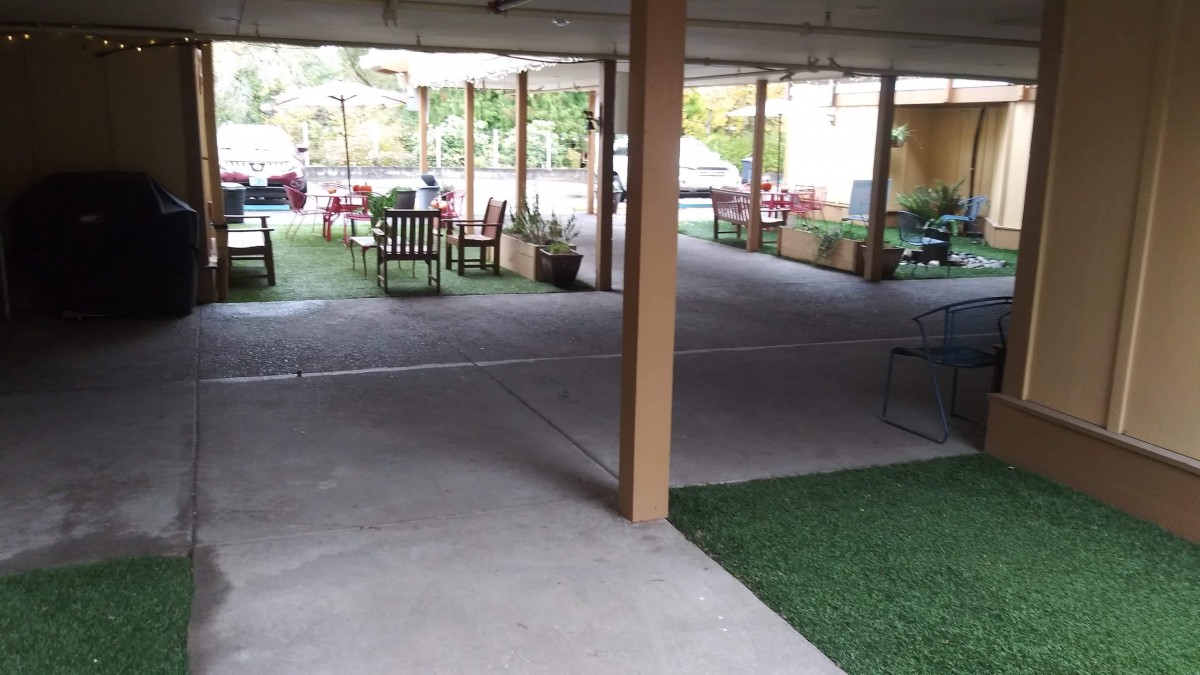
 Outdoor common areas
 Respite or short term stays offered
 Restaurant-style dining
 Small library
 Telephone
 Wheelchair accessible showers
 Wi-Fi/high-speed internet available
 Portland International (14 miles away)
 24-hour call system
 Assistance with bathing
 Assistance with dressing
 Assistance with transfers
 Diabetes diet
 Diabetic care
 High acuity care
 Incontinence care
 Medication management
 Mental wellness program
 Special dietary restrictions
 Art classes
 Day trips and outings
 Educational speakers / life long learning
 Happy hour
 Live dance or theater performances
 Live musical performances
 Live well programs
 Visiting chaplain or priest
 Wine tasting



 Vibrant Senior Living: A Comprehensive Guide for Active Older Adults
 Assisted Living and Memory Care: Understanding Their Core Differences
 Choosing the Right Senior Care: A Detailed Exploration of Assisted Living and Nursing Homes