
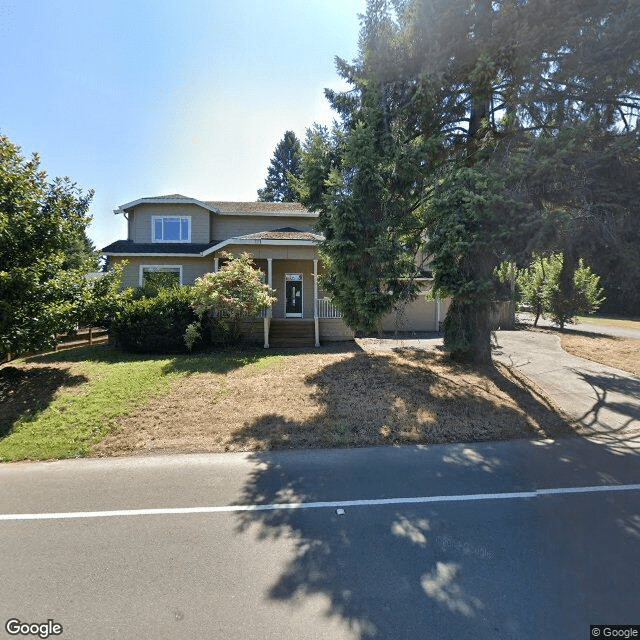
9240 SW Omara St, Tigard, OR 97223
To contact a resident: (503) 718-7002
For more information about senior living options: (866) 208-4318
Applewood Costs & Pricing
Applewood's monthly cost for a private room is set at $3,500, which positions it slightly above both Washington County and the broader state of Oregon. In comparison, Washington County averages around $3,261 per month for similar accommodations, while the statewide average stands at approximately $3,424. This pricing suggests that Applewood offers premium services or amenities that justify its higher cost relative to these benchmarks. Residents and their families should consider what unique features or benefits Applewood provides that might align with their needs and expectations in the context of the local market.
| Floor plans | Applewood | Washington County | Oregon |
|---|---|---|---|
| Private | $3,500 | $3,261 | $3,424 |
Senior living communities with a similar price nearby
-
from +$300 / mo
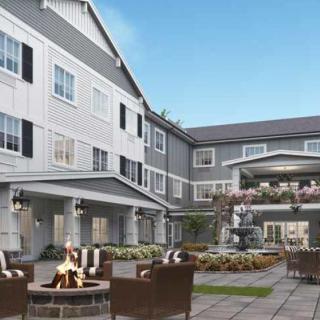
The Inn at University Village
$3,800 to $7,500 / month21.3 miles away -
from -$500 / mo
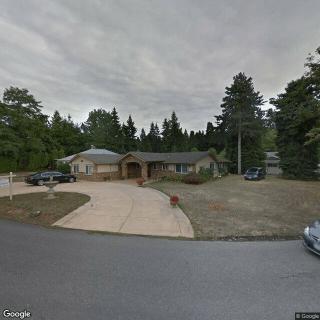
A Piece of Heaven
$3,000 / month8.2 miles away -
from +$500 / mo
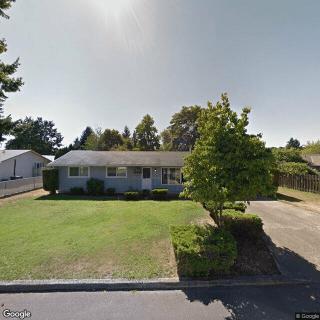
Oaktree Adult Care Home
$4,000 / month9.3 miles away -
from -$500 / mo
Yamhill Senior Care Home
$3,000 / month14.6 miles away -
from -$500 / mo
Peaceful Lighthouse Adult Care Home
$3,000 / month17.0 miles away
Overall Review of Applewood
Pros
 The team at Applewood is caring.
- The facility is clean and well-kept.
- Residents are extremely well cared for during their stay.
- The staff are willing to go out of their way to help.
- Tours are conducted professionally and the staff are courteous.
Cons
 The reviewer claims the facility is filthy and smells of urine, with chairs and clothing soiled.
 - The reviewer alleges the owner does not wear gloves to change bandages.
- The reviewer states residents do not get outside time and receive no exercise or mental stimulation.
- The reviewer asserts the owner has no business caring for vulnerable elderly patients.
- The reviewer questions how the home could be licensed to care for anyone.
- The reviewer contends the home should not be allowed to stay in business.
- The reviewer claims the one-star review is patently false.
Review
Applewood in Tigard, Oregon is best suited for families seeking a stable, long-term home where care quality can be highly dependable when staff consistency is strong and the environment is kept clean and comfortable. The strongest signal from multiple families is that a long-tenured, attentive team can deliver compassionate care, with the setting described as clean and well-kept and with staff willing to go the extra mile for residents. A resident’s family that wants to be actively involved and able to visit regularly will likely experience positive, reassuring interactions with caregivers and a home-like atmosphere that supports ongoing routines. The anecdote of a five-year stay with consistently good care underscores that, in the right circumstances, Applewood can be a trustworthy, enduring residence.
That said, serious caveats emerge from other voices. A sizable minority of reviews portrays conditions that are hard to ignore: pervasive odors, filthy environments, and reports of inadequate hygiene practices. Specific concerns include urine smells, chairs and chairside conditions that raise questions about cleanliness and infection control, and a perception that residents receive limited outdoor time, exercise, or mental stimulation. These accounts suggest that when operations falter or supervision slips, the resident experience can deteriorate quickly. For families prioritizing immaculate hygiene, transparent routines, and robust activity programming, these reports are a clear signal to pause and investigate further.
On balance, the community’s positives are concrete: a caring staff that goes out of its way for residents, a clean and well-maintained physical plant, and a courteous, professional demeanor during tours and initial introductions. The positive testimonials emphasize reliability, personal attentiveness, and a welcoming tour experience, all of which translate into practical comfort for families evaluating daily life for a loved one. For residents who respond well to steady, familiar caregivers and who value predictable routines, these strengths can sustain a high quality of life and a sense of dignity over time.
However, the negatives fight back with undeniable force. Filth, urine odors, and suggestions of neglect or lapses in basic care undermine confidence in daily operations and create tangible safety concerns. The criticisms extend beyond aesthetics, touching on residents’ mobility, activity levels, and opportunities for meaningful engagement. When such issues surface, they tend to erode trust in the overall environment, making it essential to verify whether these instances are isolated or indicative of systemic problems. In short, cleanliness and engagement are non-negotiables that must be addressed consistently for Applewood to fulfill its promise.
Given the mixed signal, families must weigh the fit with a clear, action-oriented plan. If prioritizing stability, personally verifying ongoing cleanliness, staff responsiveness, and opportunities for activity through repeated visits and frank conversations with leadership becomes part of the process, Applewood can still be a solid option, especially for those who plan to stay actively involved and monitor care closely. Conversely, if a resident requires a consistently pristine environment, broader daily stimulation, or higher assurances of infection-control practices, it is prudent to compare other communities with stronger records in these areas before committing.
The bottom line is pragmatic and specific: Applewood can be an excellent fit for residents who thrive under steady, compassionate care and whose families intend to remain meaningfully engaged, visiting regularly and requesting transparency in operations. For families that demand uniformly spotless conditions, robust outdoor programming, and demonstrable, ongoing emphasis on hygiene and activity, alternatives merit serious consideration. The decision should hinge on direct confirmation of cleanliness, staffing norms, and a concrete plan for resident engagement, then aligned with the loved one’s individual needs and tolerance for risk.
 Board and Care Home
 Cats allowed
 Private
 Private bathrooms
 Portland International (14 miles away)
 Ambulatory care
 Diabetic care
 High acuity care
 Adventist services

 California's Form 602A: An In-Depth Examination of Senior Care Assessment
 Comprehensive Look at Senior Blood Pressure Charts: Normal and Elevated Levels by Age
 Top Canine Companions for Older Adults