
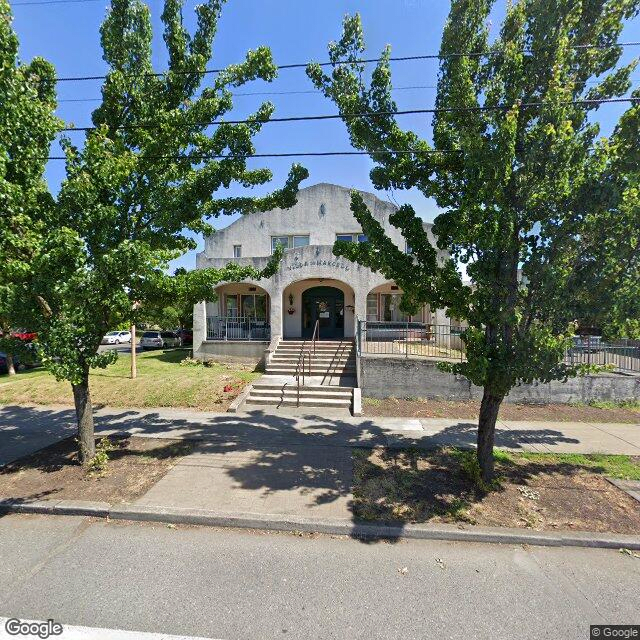
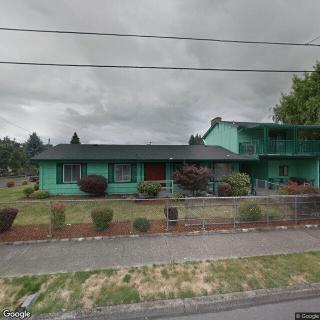
5833 North Lombard Street, Portland, OR 97203
For more information about senior living options: (866) 208-4318
Donham Place Costs & Pricing
Donham Place offers competitive pricing for its accommodations in comparison to the broader market of Multnomah County and Oregon as a whole. With a monthly rate of $1,500 for semi-private rooms, Donham Place significantly undercuts the county average of $4,011 and the state average of $4,457. For those seeking private rooms, Donham Place charges $2,100 per month, which is also notably lower than the Multnomah County average of $3,227 and the statewide average of $3,424. This pricing structure positions Donham Place as an attractive option for individuals seeking quality care without the burden of excessive costs.
| Floor plans | Donham Place | Multnomah County | Oregon |
|---|---|---|---|
| Semi-Private | $1,500 | $4,011 | $4,457 |
| Private | $2,100 | $3,227 | $3,424 |
Assisted Living communities with a similar price nearby
-
from +$275 / mo
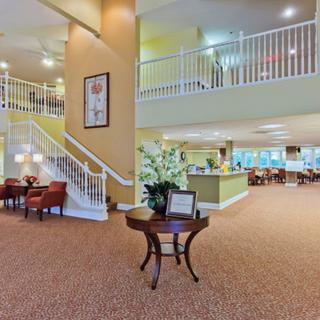
Brookdale Wilsonville
$1,775 to $3,565 / month19.0 miles away -
from +$295 / mo
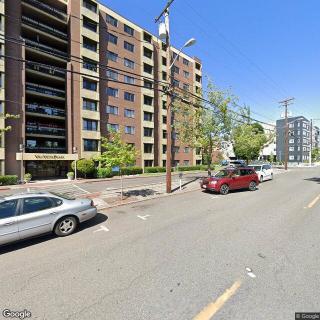
Van Vista Plaza- Section 8 Housing
$1,795 / month4.1 miles away -
from +$71 / mo

Jennings Mc Call Rcf
$1,571 to $2,604 / month17.9 miles away
Overall Review of Donham Place
Pros
 Katrina was energetic, knowledgeable, and accommodating during the move-in process.
- Katrina’s pleasant demeanor and quick communication helped calm the mother’s nerves.
- The staff were extremely friendly and helpful, introducing themselves and reinforcing that they were there to assist.
- The team ensured everything was set up in advance (care plan, MAR, residency contract) and listened to preferences regarding medications and activities.
- The staff and administrators treated residents with kindness and respect, creating a family-like atmosphere.
- The family slept better knowing their loved ones were warm, well fed, and living in clean apartments.
- The reviewer felt confident that their mother was in good hands with the facility’s care.
Cons
 There is serious neglect at the facility.
- The administration is completely non-responsive, with voicemail boxes that are always full.
- The facility is grossly understaffed.
- The staff are careless with medications and do not follow orders or care plans.
- There is a complete lack of regard and compassion for residents, with reports of theft.
- Cleaning practices involve excessive amounts of bleach and perfumed cleaners, irritating residents with respiratory distress.
- The reviewers state that inmates and rescue animals receive better care than is found at this facility.
Review
Donham Place in Portland is best suited for budget-conscious families who are prepared to be highly involved in care coordination and advocacy. The community presents an affordable option, but that affordability appears to come with administrative friction and staffing volatility. Families with a local presence or the ability to visit frequently will fare better, because daily oversight can compensate for gaps in management and internal communications. Those who can commit to actively monitoring care plans, medication schedules, and call-light responses will maximize any potential upside. In short, Donham Place serves as a viable option only for families willing to roll up sleeves and partner closely with the facility to keep care on track.
Alternatives to consider include Portland communities with stronger governance, steadier staffing, and transparent accountability cultures. If leadership is slow to return calls or its voicemail routinely fills up, that pattern often signals broader problems with oversight. For families needing robust clinical oversight, higher staff-to-resident ratios, and reliable emergency response, other options may offer greater peace of mind. Additionally, if adherence to care plans, timely medication handling, and predictable daily routines are non-negotiable, seek communities with proven quality metrics and stable administrative leadership.
When functioning well, the strongest positives at Donham Place can ground a safe, pleasant living experience. A well-kept setting and friendly, approachable staff across shifts create a welcoming atmosphere, and in at least one recent experience, an assistant administrator named Katrina delivered a move-in process that felt organized, personalized, and reassuring. She set up care plans, MAR, and residency logistics in advance and listened carefully to medication timing and activity preferences. That level of engagement demonstrates what the facility can achieve when leadership is responsive and involved. In addition, a staff culture that treats residents with warmth can help reduce anxiety during transitions when paired with solid oversight.
However, the pattern across multiple accounts points to serious downsides that cannot be ignored. Repeated reports describe non-responsiveness from administration, with voicemail boxes full and few callbacks after inquiries or applications. Understaffing appears to hinder critical tasks, including prompt responses to call lights, medication management, and supervision that prevents falls. A troubling sense of negligence, theft, and inconsistencies in following orders and dietary restrictions recurs in several testimonies. Several accounts mention overpowering cleaning methods and the use of strong fragrances that irritate residents with respiratory distress. While some staff may be kind, the overarching leadership and operational gaps undermine safety and dignity, making residents vulnerable when emergencies arise.
The pros, clean facilities, approachable staff in some shifts, and a smoothly executed move-in when leadership is engaged, do not consistently counterbalance the serious safety and care concerns raised in most reviews. The combination of understaffing, unresponsive management, and reported care lapses creates a risk profile that families must weigh against cost savings. For those who can maintain vigilant oversight, these positives offer potential upside, but the likelihood of ongoing friction and risk remains high. Donham Place may improve if leadership turnover stabilizes, staffing ratios rise, and communication channels prove reliable; until then, the trade-offs are too meaningful for families seeking steady, predictable care.
Families evaluating Donham Place should demand concrete assurances before committing. Schedule in-depth tours focused on call-light responsiveness, medication administration, and supervision during meals and activities. Request to review recent incident logs, staffing schedules, and the latest care plans, and insist on direct access to the nursing supervisor and administrator, not just front-desk personnel. Verify how quickly concerns are resolved and how feedback is tracked. Consider bringing a trusted medical advocate or social worker to the visit to probe for red flags. If substantial concerns persist, or if administrative responsiveness cannot be demonstrated, place higher priority on alternatives with proven safety records and consistently reliable leadership. The right choice aligns cost, care, and confidence.
 13 resident community capacity
 Assisted Living
 Board and Care Home
 Cable or satellite TV
 Dining room
 Fully furnished
 Garden
 Housekeeping services
 Move-in coordination
 Outdoor space
 Private
 Telephone
 Wi-Fi/high-speed internet available
 Portland International (6 miles away)
 24-hour supervision
 Activities of daily living assistance
 Assistance with bathing
 Assistance with dressing
 Assistance with transfers
 Diabetes diet
 Meal preparation and service
 Medication management
 Special dietary restrictions
 Transportation arrangement (medical)
 Transportation to doctors appointments



 Senior Transition Services: Understanding Their Role, Cost, and Importance
 Exploring the Path to Senior Living: A Comprehensive Look at Independent Living and Assisted Living
 Is Assisted Living Deductible on Your Taxes? Understanding the Complexities of Assisted Living Expenses and Deductions