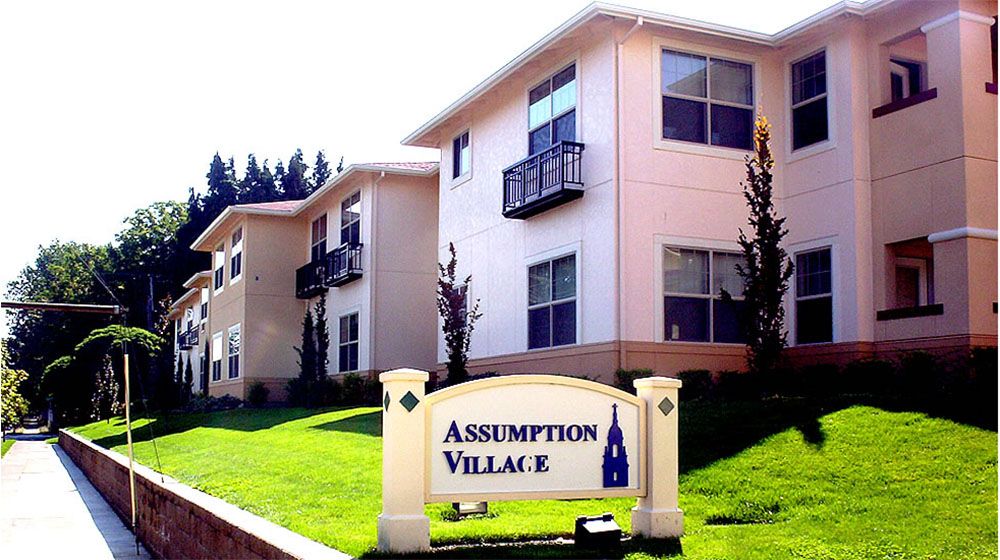

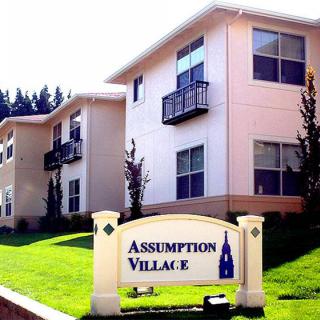

9121 North Burr Avenue, Portland, OR 97203
For more information about senior living options: (866) 208-4318
Assumption Village Costs & Pricing
Assumption Village offers notably competitive pricing for its accommodations, particularly when juxtaposed with the costs in Multnomah County and across the state of Oregon. For instance, a one-bedroom unit at Assumption Village is priced at $682 per month, which is significantly lower than the county average of $3,402 and the state average of $3,904. Similarly, two-bedroom units are available for $823, compared to $3,722 in Multnomah County and $4,436 statewide. Even studios at Assumption Village are more affordable at $1,082 versus the county's $3,455 and Oregon's $3,815 averages. These substantial savings highlight Assumption Village as an attractive option for those seeking quality housing without the burdensome price tag typically associated with the region.
| Floor plans | Assumption Village | Multnomah County | Oregon |
|---|---|---|---|
| 1 Bedroom | $682 | $3,402 | $3,904 |
| 2 Bedrooms | $823 | $3,722 | $4,436 |
| Studio | $1,082 | $3,455 | $3,815 |
Assisted Living communities with a similar price nearby
-
from +$97 / mo

Terwilliger Plaza
$779 to $2,336 / month6.6 miles away
Overall Review of Assumption Village
Pros
 The staff are excellent, friendly and make sure residents are happy and comfortable.
- The food is honestly amazing.
- Katrina is energetic, knowledgeable, and accommodating to both residents and their families during the move-in process.
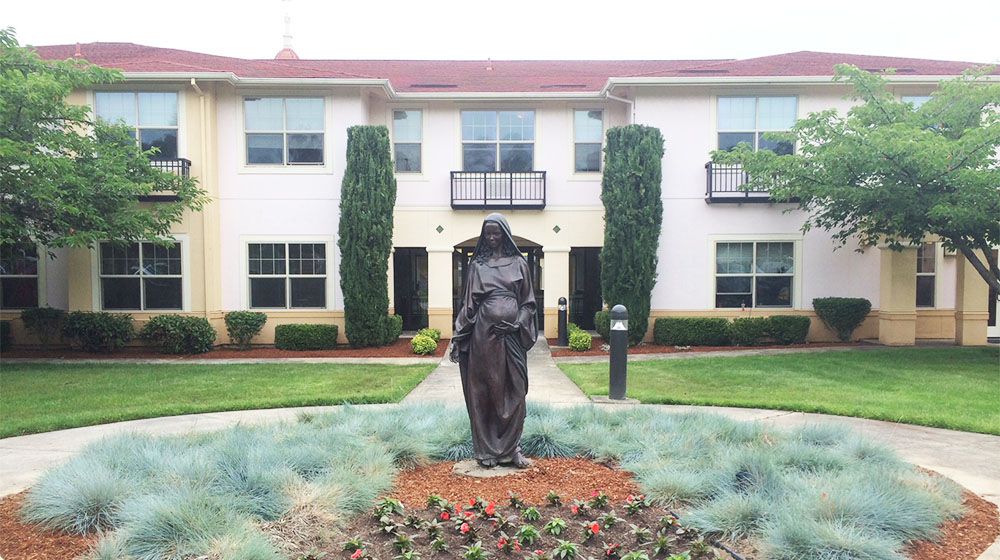
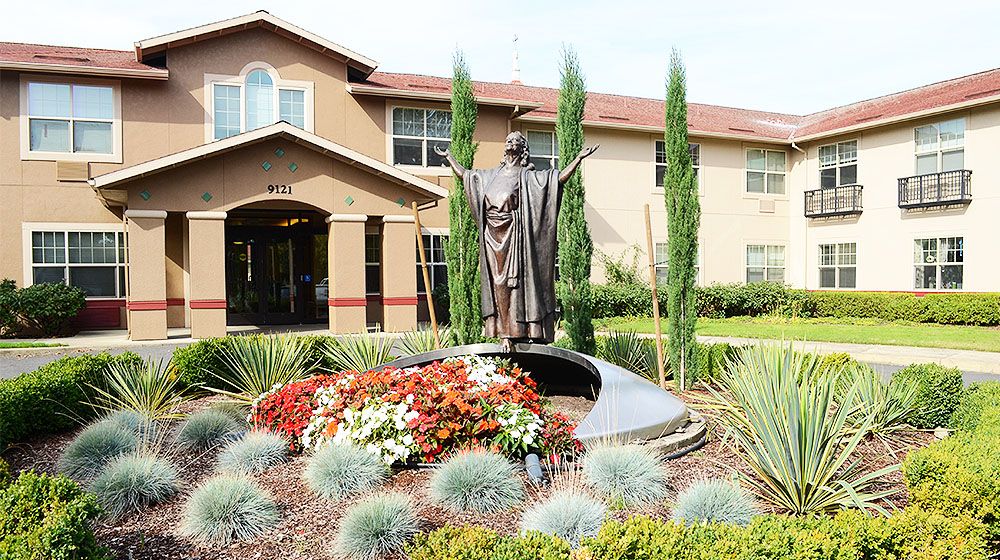
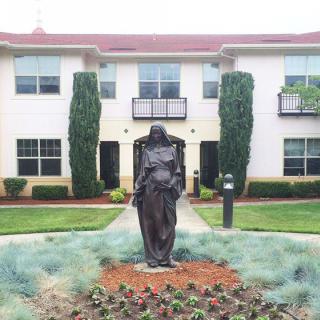
- Assumption Village is spotlessly clean, smells lovely, and has a beautiful courtyard.
- All of the staff look happy and perky, and the assistant supervisor is lovely and helpful.
- The caregivers are true heroes who go out of their way to support residents and stay by their side.
- The activities director is wonderful, and residents rave about the activities.
Cons
 There is serious neglect going on at the facility.
- The administrator’s mailbox has been full for months.
- The facility is grossly understaffed and non-responsive.
- The administration is completely non-responsive, with voicemail boxes consistently full.
- The facility is grossly negligent, unprofessional, and undignified, with staff inept at crucial care.
- Inmates and rescue animals receive better care than this facility.
Review
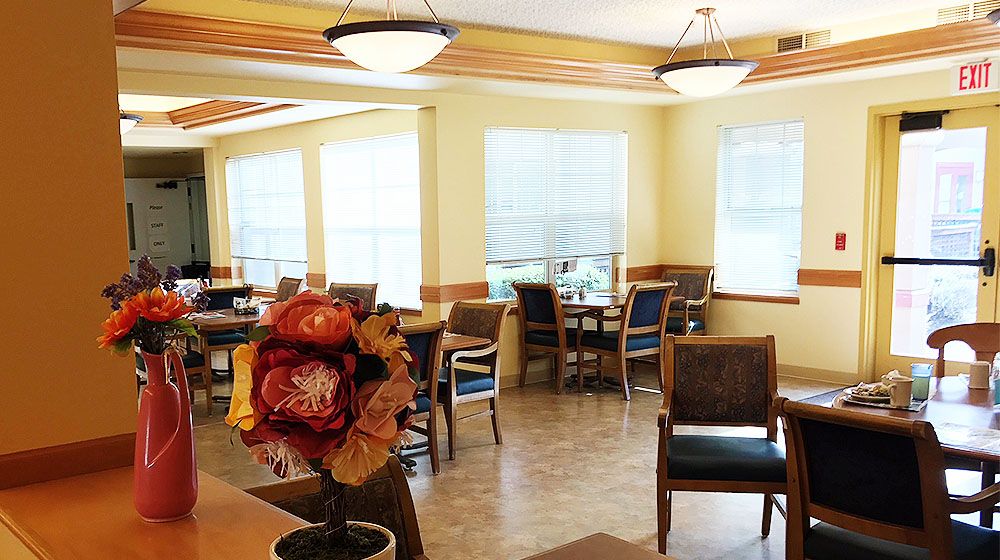
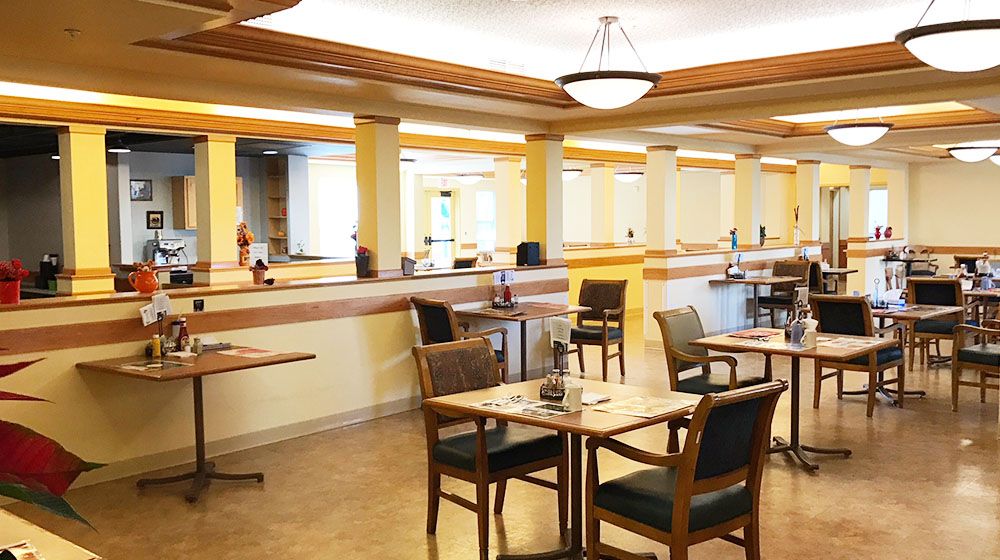
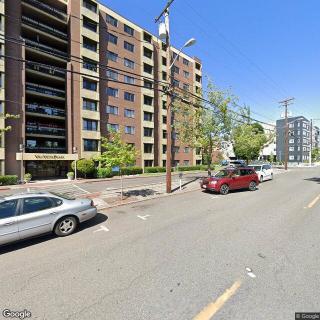
Assumption Village in Portland is best suited for families seeking a warm, faith-informed assisted living where frontline caregiving is personal, meals are solid, and daily life feels like a close-knit community rather than a sterile facility. The setup appeals to seniors who want a smaller campus with caregivers who know names, who enjoy routine social activities, and who appreciate a pleasant courtyard and walkable common areas that support safe, social living. This is not a cookie-cutter, high-occupancy complex; it is a community where staff presence and a homey atmosphere carry real meaning for residents who thrive on regular human contact. For those prioritizing dignity, approachable price points, and a sense of belonging, Assumption Village delivers a compelling blend of comfort and care.
However, attention should be paid to administration and reliability. Several reviews describe delays in scheduling assessments, unanswered calls, and a back-office lag that undermines otherwise solid caregiving. Families navigating care plans, medications, and residency paperwork will want firm systems in place for timely communication and documented care decisions. Prospective residents should insist on clarity about who oversees care coordination, how quickly messages are escalated, and the process for addressing concerns when expectations drift. In short, the risk here is not the care given on the floor but whether the leadership and administrative routines can match the quality visible in the hallways and dining room.
On the bright side, the direct care team earns broad praise. Caregivers are described as attentive, friendly, and genuinely invested in residents’ happiness. Move-ins can be smoothed by an administrator who coordinates ahead of time, and Katrina in particular is highlighted as a practical, reassuring presence during transitions. Dining is frequently praised for taste and variety, and the campus feels clean and welcoming. The courtyard and the array of activities help residents stay engaged, and the faith-based elements are presented as inclusive rather than coercive. For families seeking a place where staff rapport translates into predictable daily routines and a sense of community, these positives matter deeply and often outweigh superficial concerns.
Yet critical concerns recur. Several reviews allege neglect, odor issues, and care misalignment with physician orders and dietary restrictions. Reports of slow or absent call-light responses and difficulty reaching administrators create real anxiety about resident safety. Some accounts describe errors in medication handling and lapses in supervising falls, suggesting staffing pressures that compromise clinical oversight. A few families report friction with administration and questions about when and how policies are enforced. While the setting can feel clean and inviting, these administrative gaps deepen distrust and color the overall experience, reminding potential residents to probe thoroughly into how front-line care and back-office operations synchronize.
This is the hinge where pros can offset the cons, and where the balance tips for some households. The hands-on care, pleasant environment, and robust daily activities offset practical concerns about cost and commute if the care arrives consistently and with warmth. At under-3,000 dollars a month for a package that includes meals, social programming, and care, the value proposition is tangible in a market where alternatives run higher. Families should verify staff-to-resident ratios, request current MARs, and demand transparent, scheduled communications with the administrator. If the facility can demonstrate reliable escalation procedures and accountability for medication and safety, the positives become decisive. If not, price and charm won’t compensate for ongoing administrative gaps.
In sum, Assumption Village serves a distinct niche: a warm, engaged community with reasonable pricing and a strong frontline caregiver ethos. It is not the pick for households that require flawless administrative reliability, rigorous oversight of medications, or instant responsiveness to every call. For families prioritizing daily life, personal connection, and a sense of belonging, especially where faith-based warmth is valued, it merits a careful visit and direct conversations about care coordination, safety protocols, and performance benchmarks. Prospective residents should tour with several family members, speak with current residents, and specifically question how concerns are resolved, how quickly the team responds, and how care plans are enforced in practice. When due diligence is done, Assumption Village can be a reassuring home; when it isn’t, the gaps become hard to overlook.
 84 resident community capacity
 Assisted Living
 Independent Living
 Respite Care
 Activities on-site
 Air-conditioning
 Beauty salon
 Cable or satellite TV
 Computer center
 Devotional services off-site
 Dining room
 Fitness room
 Fully furnished
 Gaming room
 Garden
 Housekeeping services
 Indoor common areas
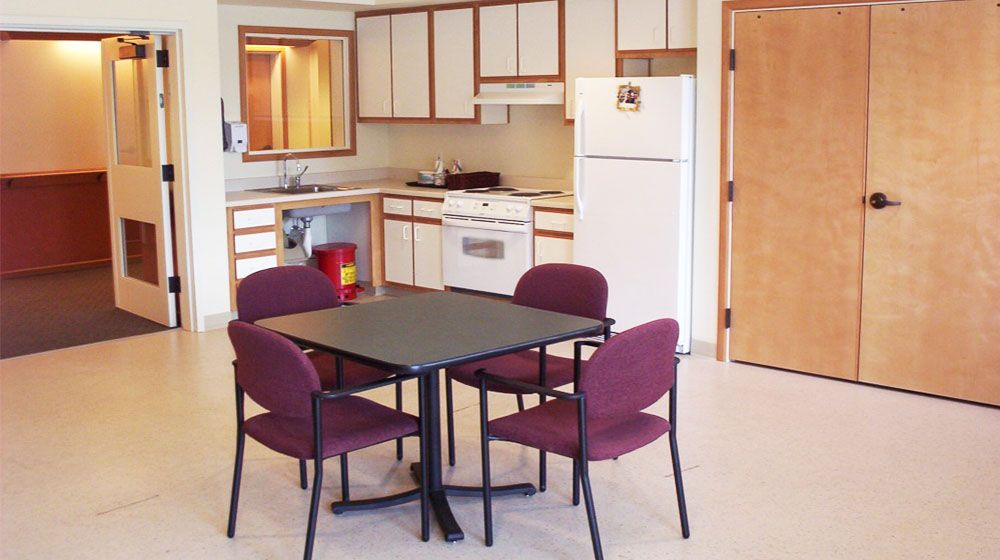
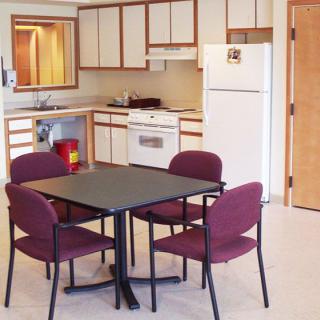
 Kitchenette
 Move-in coordination
 Outdoor space
 Private bathrooms
 Restaurant-style dining
 Small library
 Telephone
 Wellness center
 Wheelchair accessible showers
 Wi-Fi/high-speed internet available
 Portland International (7 miles away)
 Community operated transportation
 12-16 hour nursing
 24-hour call system
 Ambulatory care
 Assistance with bathing
 Assistance with dressing
 Assistance with transfers
 Diabetes diet
 Diabetic care
 Incontinence care
 Medication management
 Mental wellness program
 Special dietary restrictions
 Concierge services
 Planned day trips




 When to Transition from Assisted Living to Memory Care: Key Indicators, Steps, and Finding the Right Community
 Assisted Living and Memory Care: Understanding Their Core Differences
 Beyond the Bingo Hall: 50+ Enriching Activities for Seniors in Assisted Living