

9103 N. Kimball, Portland, OR 97203
To contact a resident: (503) 807-1212
For more information about senior living options: (866) 208-4318
Garden Place Inc Costs & Pricing
Garden Place Inc offers a competitive monthly rate of $2,500 for private rooms, which positions it as an attractive option compared to the broader market. In Multnomah County, the average cost for similar accommodations is approximately $3,227, while the overall rate across Oregon climbs to about $3,424. This significant price difference highlights Garden Place Inc's commitment to providing quality care at a more affordable price point, making it an appealing choice for those seeking value without compromising on service within the region.
| Floor plans | Garden Place Inc | Multnomah County | Oregon |
|---|---|---|---|
| Private | $2,500 | $3,227 | $3,424 |
Senior living communities with a similar price nearby
-
About the same

Mapleview Manor, LLC
$2,500 / month13.3 miles away -
from -$300 / mo
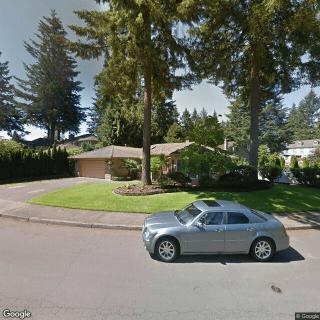
The Peace and Joy Garden
$2,200 / month11.3 miles away -
About the same
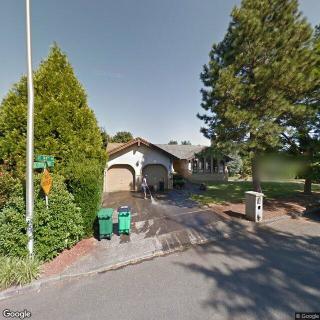
A Gentle Care Home
$2,500 / month13.5 miles away -
About the same

Sacred Heart Adult Foster Care
$2,500 / month5.4 miles away -
from +$300 / mo
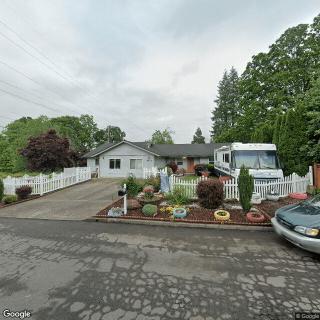
Lund AFH
$2,800 / month9.8 miles away
Overall Review of Garden Place Inc
Pros
 They are very hands-on and personable with good attention to detail.
- It is a bargain at the price.
- The layout is ideal for wheelchairs.
- It is such a nice and cozy place to spend time with loved ones.
- They provide excellent care for their residents.
Review
Garden Place Inc in Portland, OR is best suited for seniors who want an intimate, highly personalized care setting where every resident is known by name and every detail is watched. With only six residents, this community operates like a small, hands-on house more than a generic facility. The combination of close caregiver attention, clear personal rapport, and a wheelchair-friendly layout makes it a practical choice for individuals who prioritize safety, accessibility, and consistent, attentive support over a large campus experience. The price point reinforces that this is a practical option for families who want good care without escalating costs, while still expecting solid daily attention and a homelike atmosphere.
Those weighing alternatives should consider whether a larger community or more expansive programming is essential. If social variety, a bustling activity calendar, or more specialized medical services are priorities, a bigger facility may deliver more on those fronts. Families with residents who require intensive rehabilitation, frequent physician visits on-site, or 24/7 nursing coverage could find a small house setup limiting. Those who value a more institutional feel, structured group outings, or frequent access to ancillary therapies might want to compare nearby options with greater staff depth and broader service menus.
The core strengths lie in the care culture that emerges from the small size. The staff appear extraordinarily hands-on and personable, with attention to each resident’s routines and preferences. That approach translates into consistently attentive care and a sense that a caregiver truly knows the person they are tending to. The affordability further strengthens the value proposition: a price point described as a bargain makes this option particularly compelling for families navigating fixed or limited budgets. The wheelchair-friendly layout also directly supports independence, enabling safer movement within common areas and personal spaces.
However, the same small footprint can translate into trade-offs. A six-resident model inevitably curtails the breadth of social programming and the variety of on-site amenities that larger communities routinely offer. Families should press for clarity on what activities exist, how often programming occurs, and whether residents have access to outside services or excursions. It’s reasonable to question whether there is sufficient staffing coverage during peak times or emergencies, and whether there are gaps in medical or rehabilitative services given the compact team. Those who expect a hospital-level acuity environment may find the scale insufficient.
The key dynamic is the balance between intimate, high-touch care and the limits that come with scale. When proximity to caregivers and consistent, personalized routines matter most, the pros substantially offset the potential cons. The direct costs are lower, the care usually more responsive, and the setting more likely to feel like a true home. For a resident who values being known by name, appreciates quick turnarounds on requests, and wants a predictable daily rhythm, these advantages often trump the absence of a sprawling activity calendar. In short, the strengths align with needs centered on safety, dignity, and personal connection, while the trade-offs are primarily about social breadth and advanced care depth.
For families evaluating next steps, approach with concrete questions: what are the exact staffing ratios by shift, and how are changes in resident condition monitored and addressed? What medical services are available on-site, and how are therapies coordinated? Is there a clear plan for meals, medication management, and daily routines, and how flexible are these plans as needs evolve? Schedule a visit focused on the walk-through of living spaces, the ease of navigation for wheelchairs or walkers, and the cadence of daily caregiving. Confirm what is included in the stated price and what would incur additional costs. If a resident’s priorities center on a warm, small-community atmosphere with dependable, personal care, Garden Place Inc delivers with practical, credible strength; if those priorities tilt toward broader programming or higher medical intensity, a careful comparison is advised.
 Board and Care Home
 Activities off-site
 Indoor common areas
 Outdoor common areas
 Private
 Private bathrooms
 Respite or short term stays offered
 Wheelchair accessible showers
 Portland International (6 miles away)
 Ambulatory care
 Diabetic care
 High acuity care
 Incontinence care
 Meals provided






 Caregiver Exhaustion: Recognizing the Signs and Restoring Your Well-Being
 Understanding Hospice Care at Home: Comprehensive Services, Key Benefits, and Eligibility
 Understanding the Full Cost of 24/7 In-Home Care: A Detailed Overview