

1101 Broadway St, Ste 210, Vancouver, WA 98660
To contact a resident: (360) 843-5116
For more information about senior living options: (866) 208-4318
Seventh Generation Eldercare Costs & Pricing
Seventh Generation Eldercare offers its private room accommodations at a competitive rate of $4,640 per month. When comparing this cost to the average rates in Clark County, which stands at $3,992, and across Washington State with an average of $4,772, it becomes clear that Seventh Generation positions itself within a unique market niche. While their pricing is slightly elevated compared to local county rates, it remains below the statewide average. This suggests a commitment to providing quality care that may justify the investment for families seeking excellent eldercare options without straying too far from regional pricing standards.
| Floor plans | Seventh Generation Eldercare | Clark County | Washington |
|---|---|---|---|
| Private | $4,640 | $3,992 | $4,774 |
Senior living communities with a similar price nearby
-
from -$840 / mo

The Inn at University Village
$3,800 to $7,500 / month6.2 miles away -
from -$640 / mo
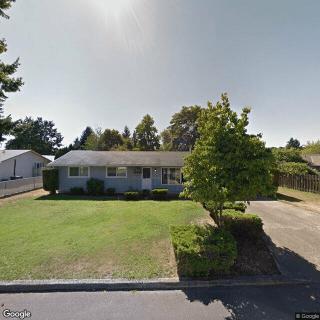
Oaktree Adult Care Home
$4,000 / month20.6 miles away -
from -$140 / mo
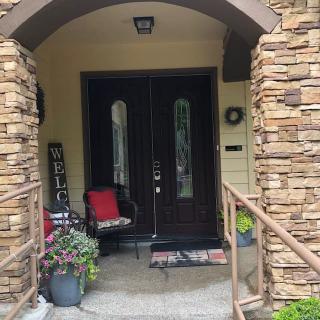
Casa Shattuck Senior Care
$4,500 / month10.1 miles away -
from +$860 / mo

Evergreen Quality Home
$5,500 / month4.5 miles away -
from -$140 / mo
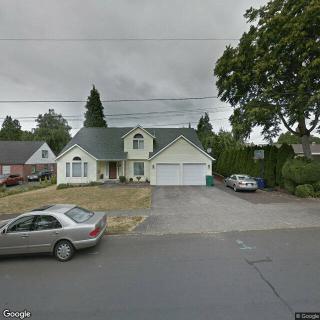
Genuine Senior Living
$4,500 / month13.0 miles away
Overall Review of Seventh Generation Eldercare
Pros
 Seventh Generation Eldercare is an amazing company; they are compassionate and responsive to clients, and are very considerate in matching them to the right caregiver.
- The company is kind, concerned, and professional, and clients are extremely happy with their caregiver.
- The staff are incredible and genuinely care about the people they work with.
- The company has awesome, caring people who are reliable and trustworthy.
- The service helps families obtain the care they need, with caregivers going beyond expectations; families are very grateful.
- Jenny and her group are kind, supportive, helpful, and not judgmental, providing essential support.
- The service is excellent; the staff know how to speak gently to clients (including those with dementia), and clients respond very positively.
- The caregivers are professional and friendly; the staff are available to answer questions, and the company helps families.
Cons
 Had a very bad experience with this company.
- They had adult protective services called on me.
- We were with them for 7 months and found that we could not count on them to help our loved one as they were contracted to do.
- They never kept us informed.
- In fact, in the 7 months we were with them, we only received 2 calls from them.
- No calls or messages to the owner about this ever got a return call.
- Often, we received no answer at all when calling the main number during business hours.
- They were difficult and challenging to work with.
- Seventh Generation Elder Care is far too poorly run and unprofessional to be a reliable and sensible choice.
- They are not listed with the Better Business Bureau (BBB).
- Do yourself a favor and skip Seventh Generation Elder Care!
- They have proven to be completely unreliable.
Review
Seventh Generation Eldercare in Vancouver, Washington, is best suited for families that want a genuinely personal, relationship-driven caregiving partnership. The agency emphasizes careful caregiver matching, and several families report that the assigned caregivers feel like an extension of the family. The standout strength is the ability to align a caregiver to a loved one’s temperament and routines, which matters greatly in memory-care scenarios where patient, respectful, patient communication makes a real difference. For families coordinating around dementia or other nuanced needs, the program can flexibly accommodate scheduling and preferences, delivering moments of connection in a setting that feels smaller and more intimate than larger, quota-driven firms.
That intimacy, however, comes with a caveat: reliability and clear, ongoing communication are not guaranteed in every case. A recurring theme in reviews is difficulty reaching the office, limited caregiver visits, and uneven updates. One account describes seven months with minimal contact and no timely calls, leaving the family to chase information. Another recounts friction between policy expectations and family needs, implying a potential misalignment on boundaries. The absence of BBB listing further compounds concerns, signaling the need for families to push for formal, written care plans, concrete contact points, and explicit escalation paths before engaging.
On the plus side, the strongest and most consistent praise centers on genuine compassion and professional demeanor. Numerous reviewers highlight caregivers who are kind, attentive, and capable of forming meaningful, trust-based connections with loved ones. The team’s capacity to match to the right caregiver emerges as a clear differentiator, with stories of staff going above and beyond to support families in practical and emotional ways. When care teams click, interactions become markedly smoother, and the loved one’s dignity and comfort are noticeably enhanced, especially in dementia-related interactions where respectful communication matters most.
Yet the record also includes credible cautions that cannot be ignored. When coordination falters, families report feeling out of the loop, often needing to initiate inquiries and pursue updates rather than receiving proactive notifications. Several accounts point to long stretches with limited caregiver engagement and unanswered office calls during standard business hours. Additionally, rigid policy boundaries, such as restrictions around pets or caregiver roles, can create friction as needs evolve, underscoring the risk of misaligned expectations if care requirements change or expand over time.
These strengths and weaknesses do not cancel each other out; they define a decision framework around what matters most to a family. For those prioritizing warm, individualized care and a strong caregiver fit, Seventh Generation Eldercare can deliver standout moments of comfort and practical support when assignments align and communication remains steady. The upside, caregivers who treat clients with dignity, patience, and competence, can offset occasional delays or gaps if a family stays actively involved and insists on a clear, written care plan with regular progress updates. For households where accountability, frequent reporting, and reliable, proactive outreach are nonnegotiable, more established agencies with robust monitoring may be a safer bet.
Bottom line: Seventh Generation Eldercare can be an excellent match for families seeking a personal, compassionate caregiving relationship and prepared to take a hands-on role in care coordination. It is less suitable for those who demand ironclad reliability and consistently transparent communication backed by formal accountability. Prospective clients should verify current contact channels, request a written care plan, and insist on regular progress reports before committing. If the goal is dementia-friendly, person-centered care delivered by caregivers who genuinely connect, this community warrants serious consideration, provided diligence and active family involvement are built into the engagement from day one.
 Portland International (5 miles away)
 Anytime dining






 A Closer Look at Private Pay Home Care
 Comprehensive Approaches for Arthritis: A Detailed Guide to Symptoms, Causes, and Care
 Comprehensive Insights and Practical Strategies to Help Older Adults Avoid Falls