
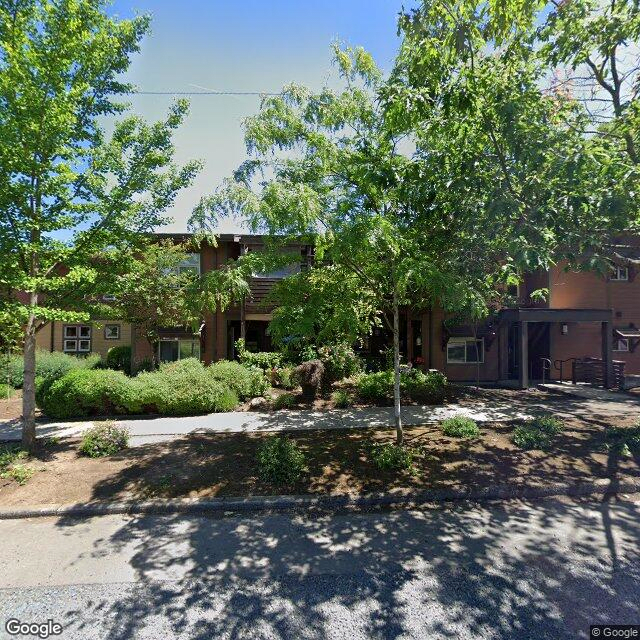
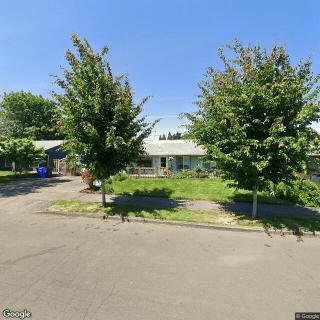
8502 N. Wayland Ave., Portland, OR 97203
To contact a resident: (503) 953-1100
For more information about senior living options: (866) 208-4318
Bridge Meadows Costs & Pricing
Bridge Meadows offers a remarkably affordable housing option compared to the broader market in Multnomah County and the state of Oregon. For instance, a one-bedroom unit at Bridge Meadows costs just $514 per month, which is significantly lower than the county's average of $3,402 and the state's average of $3,904. Similarly, two-bedroom accommodations are available for $591 monthly at Bridge Meadows, in stark contrast to the county's average of $3,722 and the statewide average of $4,436. This pricing structure not only makes Bridge Meadows an attractive choice for individuals and families seeking quality housing but also highlights its commitment to providing accessible living solutions within a challenging housing landscape.
| Floor plans | Bridge Meadows | Multnomah County | Oregon |
|---|---|---|---|
| 1 Bedroom | $514 | $3,402 | $3,904 |
| 2 Bedrooms | $591 | $3,722 | $4,436 |
Senior living communities with a similar price nearby
-
from +$51 / mo
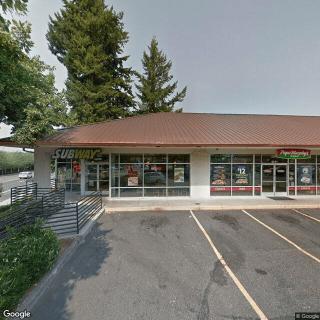
Village Retirement Center
$565 to $782 / month13.0 miles away -
from +$51 / mo
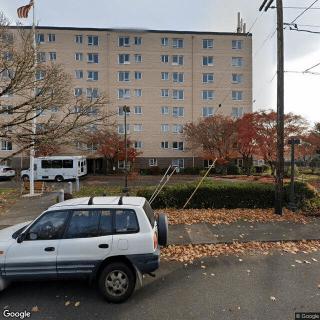
Kirkland Union Manors
$565 to $712 / month8.9 miles away -
from +$81 / mo
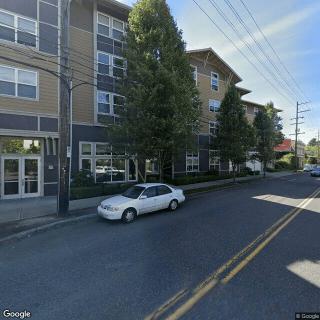
Sacred Heart Villa
$595 to $1,075 / month6.8 miles away -
from +$19 / mo

Brentwood Oaks
$533 / month9.6 miles away -
from +$32 / mo
Westmorelands Union Manor
$546 / month8.1 miles away
Overall Review of Bridge Meadows
Pros
 Bridge Meadows is a valuable addition to every community it serves.
- There are wonderful, dedicated staff and happy families all around.
- The concept offers an opportunity for both age groups to benefit from experience and youth.
- It is a multigenerational community where families live with foster children and elders have their own apartments to help and support the families.
- Grounds and interiors are beautifully maintained, and residents take pride in where they live.
- The facilities—including an office, computer room, music room, a large community room with a full kitchen for events, a TV room, and a library—support community life.
- The building is accessible and secure, with an elevator, a handicapped ramp, and secure grounds.
Cons
 The reviewer frames financial barriers as the sole obstacle to supporting two foster children.
- It suggests that money concerns take precedence over providing unconditional care, safety, and a nurturing environment.
- It criticizes state spending, claiming more is spent on holding onto children than on covering basic needs like rent and food, preventing two children from getting the life they deserve.
Review
Bridge Meadows in Portland, Oregon is best suited for families seeking an intentional, intergenerational living strategy where elders share a neighborhood with foster children and their families, creating daily opportunities for mutual support, mentorship, and practical connection. This is a purpose-built model: elders have their own apartments while foster families live in townhouses nearby, all within a secure, well-maintained campus. The design aims to keep aging residents engaged and parents and kids with steady, caring adults nearby, turning everyday moments into meaningful routines. It is not a conventional senior residence; it is a community built around interdependence and shared experience.
Those who may want to consider alternatives are clear: seniors who require high-acuity medical care or private, traditional senior living without an intergenerational component. For families who prioritize maximum privacy, a more conventional, single-generation environment, or the absence of a foster-family component, Bridge Meadows may feel like the wrong fit. A minority voice among reviewers cited financial concerns tied to sustaining the foster program, signaling that the pricing and funding model can be a point of tension for some residents or prospective residents. A lone 2-star rating hints that not every experience aligns with the model, reinforcing the need for careful, firsthand evaluation.
The strongest pros are unmistakable and well suited to the community’s mission. Staff are described as wonderful and dedicated, with happiness radiating through both elders and foster families. That staff commitment underpins a genuine sense of community and purpose, not a veneer of warmth. The intergenerational design is more than a marketing hook: it supplies real opportunities for both age groups to learn from one another, experience from elders paired with the vitality of youth, creating a living education that can be hard to replicate in traditional senior settings. The physical campus reinforces this purpose: townhouses for families, separate elder apartments, secure grounds, and a network of amenities that keep residents engaged.
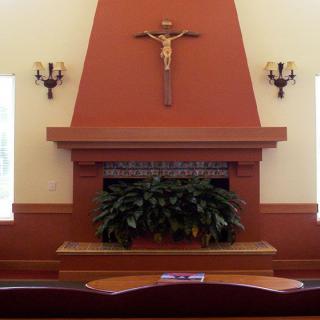
Facilities and shared spaces reinforce the practical benefits of the model. A well-appointed campus includes an office, computer room, music room, a large community room with a full kitchen, a TV room, and a library, all oriented toward gatherings, events, and ongoing activities. Accessibility is thoughtfully addressed with an elevator and a handicapped ramp, plus a large courtyard that invites outdoor interaction. The grounds are consistently described as beautifully maintained, reflecting pride from residents and staff alike. Such features translate into reliable day-to-day livability, making it easier for families to coordinate visits, events, and joint activities without friction.
Yet the model does carry trade-offs that potential residents should weigh. The intergenerational structure inherently blends private living spaces with shared community life, which may not suit everyone’s vision of independent living or quiet privacy. And while the campus is secure and well-kept, the financial component of sustaining foster care, perceived by some as a priority over unconditional resident care, creates an element of uncertainty for those budgeting long-term housing and services. The existence of a low-rating review, even if isolated, serves as a reminder that experiences vary and that the model may require more clarity around costs, services included, and long-term financial commitments.
Ultimately, the pros create a strong offset to the cons for families who value purpose, connection, and safety above all. The intergenerational approach delivers ongoing social engagement, mentorship, and the emotional rewards of shared living that can help combat isolation for elders and provide meaningful roles for foster families’ children. The staff’s dedication, combined with secure, well-kept facilities and ample common spaces, yields a community that feels active, supportive, and resilient. For seniors who wish to contribute to a broader mission while maintaining independence, the advantages are tangible and durable.
The bottom-line recommendation is clear: Bridge Meadows is a compelling choice for families seeking a blended elder care and foster-damilial model, one that emphasizes purpose, connection, and a secure, well-resourced environment. It is less suitable for those chasing a strictly private, traditional assisted-living experience or for anyone who cannot align with the intergenerational framework or the funding realities such a program entails. Prospective residents should schedule a visit to see the townhouses and elder apartments firsthand, ask detailed questions about costs, long-term care options, and how the foster component is funded, and assess whether the day-to-day rhythm genuinely suits personal expectations. When fit is right, Bridge Meadows offers a distinctly practical, experienced, and caring path that integrates generations with clear, lived benefits.
 Active Adult Communities (55+)
 Activities on-site
 Indoor common areas
 Outdoor common areas
 Portland International (5 miles away)
 Engaging Brain Games and Innovative Apps to Keep Senior Minds Active
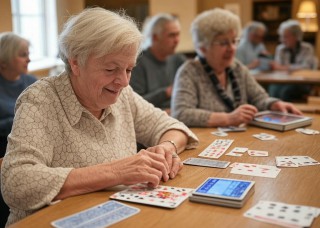 Effective Strategies for Keeping Seniors' Minds Active: A Deep Dive into Brain Games and Apps
 In-Depth Look at the VA Aid and Attendance Program