
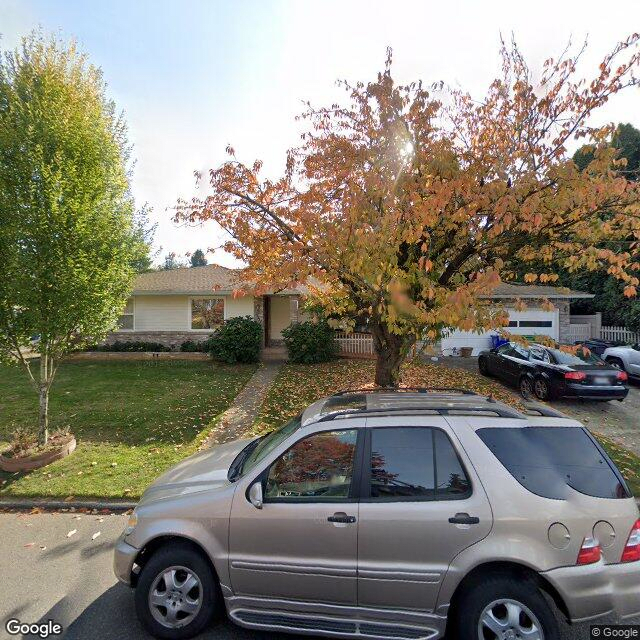
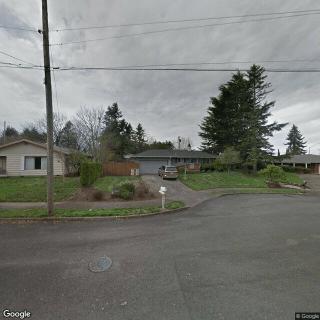
11242 NE Shaver St., Portland, OR 97220
To contact a resident: (503) 252-2899
For more information about senior living options: (866) 208-4318
Daniel AFCH Costs & Pricing
At Daniel AFCH, the monthly cost for a private room is $3,300. This rate sits slightly above the average cost in Multnomah County, where similar accommodations are priced at approximately $3,227 per month. When compared to the broader state average in Oregon, which stands at about $3,424 for private rooms, Daniel AFCH remains competitively priced while offering quality care and a welcoming environment. The facility aims to provide an exceptional living experience for residents, making it a thoughtful choice in relation to both local and state pricing trends.
| Floor plans | Daniel AFCH | Multnomah County | Oregon |
|---|---|---|---|
| Private | $3,300 | $3,227 | $3,424 |
Senior living communities with a similar price nearby
-
from +$500 / mo

The Inn at University Village
$3,800 to $7,500 / month12.4 miles away -
from -$300 / mo
A Piece of Heaven
$3,000 / month9.1 miles away -
from -$300 / mo
Yamhill Senior Care Home
$3,000 / month3.2 miles away -
from -$300 / mo
Peaceful Lighthouse Adult Care Home
$3,000 / month4.5 miles away -
from +$200 / mo
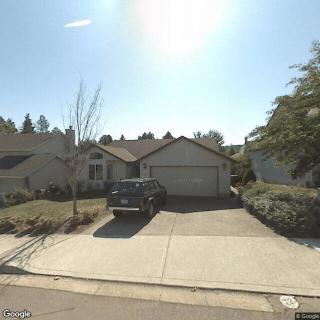
Fulga's ACH
$3,500 / month15.7 miles away
Overall Review of Daniel AFCH
Pros
 The home environment is easier for mom than a traditional retirement setting.
- The staff are very helpful to mom.
- The family meals are good and provide time for everyone to get together and visit.
- The home is comfy and bright, with flowers in everyone’s rooms during the summer.
- Caregivers are on top of medications and physical therapy activities.
- Having four residents makes it less confusing about who is around.
- Care at Daniels is highly recommended.
- The home welcomes family visits at any time.
Cons
 In the end this home did not work due to Mom's increased care needs.
- It is so much easier for mom in a home environment, rather than the retirement home with her health needs.
Review
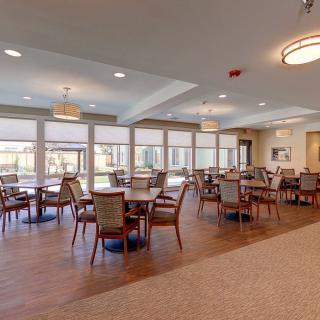
Daniel AFCH in Portland, Oregon, is best suited for families seeking a warm, home-like assisted living option for a loved one who needs steady daily support but does not require hospital-level medical care. The residence functions as a small, intimate setting, with only a few residents at a time, which creates a non-institutional vibe that many families find comforting. This environment supports a routine centered on companionship, simple wellness activities, and a sense of "being at home." Reviews portray a bright, comfortable space where medications and physical therapy are actively managed, and where thoughtful touches, such as seasonal flowers and shared family meals, help sustain emotional well-being and daily purpose.
Who may want to consider alternatives? For families facing higher acuity needs, such as frequent skilled nursing, complex medical management, or memory care with secure, specialized features, this setting may not be enough. The same intimate size and personalized approach that feel reassuring can become limiting when medical monitoring, rapid intervention, or intensive therapy are required. One family’s experience illustrates the risk: the home was a good match until care needs escalated, at which point continuing there became untenable. In those scenarios, a community with more robust nursing staff, 24/7 clinical oversight, or dedicated memory-care programming is a prudent, even essential, alternative.
On the upside, the core strengths of Daniel AFCH are concrete and meaningful. The home’s atmosphere, comfy, bright, and unfussy, permits residents to settle in quickly and maintain dignity in daily routines. Family-style meals create predictable, inclusive moments that reinforce connection among residents, families, and caregivers. The facility’s attention to medications and the emphasis on physical therapy help maintain health and independence for as long as possible. A small, predictable resident count deepens staff familiarity with individual needs, lowering the likelihood of overlooked changes. Easy visiting hours, no appointment needed, further empower families to stay actively involved in care decisions.
Yet the top con remains the potential mismatch between needs and capacity. The most explicit caution from families is that when care requirements rise, a small, home-like setting can struggle to keep pace. The same intimate scale that promotes close relationships can limit staffing redundancy, availability of specialized equipment, and the ability to orchestrate complex medical plans. The cautionary example, that a resident’s increasing needs ended up outgrowing the home’s capabilities, serves as a clear reminder to assess not only current needs but the trajectory of care. Viewing Daniel AFCH as a stage for moderate support, with a defined plan for escalation or transition, helps families avoid later disruption.
To make a choice aligned with priorities, prospective residents should press for concrete details about daily routines, staff-to-resident ratios, and how care plans evolve as needs shift. Clarify who manages medications, how physical therapy sessions are scheduled and documented, and what truly constitutes “visiting hours” in practice. The prevailing impressions in reviews highlight consistency, warmth, and responsiveness as hallmarks; those traits should be tested in conversations, tours, and trial visits. Ensure there is a documented escalation path if health needs rise and confirm how the home coordinates with external medical teams and discharge plans. In short, the right fit balances intimate, attentive care with a realistic plan for changing medical requirements.
Bottom line: Daniel AFCH offers a compelling, home-forward option for seniors who value a cozy environment, predictable routines, and visibly engaged caregivers. It is well suited for families prioritizing daily connection, social meals, and straightforward medication management in a small-community setting. It may not be the best fit for those anticipating rapid increases in medical complexity, or for families needing dedicated memory-care services or advanced nursing support. For families evaluating a move, an in-depth, in-person assessment that probes staff responsiveness, care-planning discipline, and the home’s capacity to scale services will reveal whether the strengths align with the resident’s needs. When alignment exists, this Portland residence can feel like a natural, supportive extension of family life.
 Board and Care Home
 Private
 Portland International (4 miles away)
 Diabetic care
 Incontinence care



 A Closer Look at Private Pay Home Care
 Comprehensive Approaches for Arthritis: A Detailed Guide to Symptoms, Causes, and Care
 Comprehensive Insights and Practical Strategies to Help Older Adults Avoid Falls