
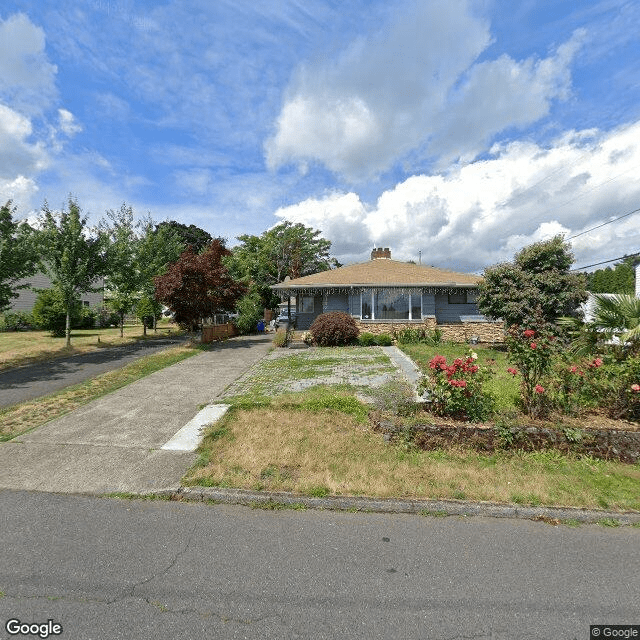
3127 NE 122nd Ave, Portland, OR 97230
To contact a resident: (503) 719-7249
For more information about senior living options: (866) 208-4318
Gramma's Home Care Costs & Pricing
Gramma's Home Care offers competitive pricing for private room accommodations at $2,750 per month, which is notably more affordable than both Multnomah County's average of $3,227 and the statewide rate of $3,424 in Oregon. This pricing reflects Gramma's commitment to providing quality care while remaining accessible to families seeking necessary support for their loved ones. By maintaining costs below regional averages, Gramma's Home Care not only enhances its appeal but also underscores its dedication to delivering exceptional service without compromising on quality.
| Floor plans | Gramma's Home Care | Multnomah County | Oregon |
|---|---|---|---|
| Private | $2,750 | $3,227 | $3,424 |
Senior living communities with a similar price nearby
-
from +$250 / mo
A Piece of Heaven
$3,000 / month8.8 miles away -
from -$250 / mo

Mapleview Manor, LLC
$2,500 / month8.8 miles away -
from +$250 / mo
Yamhill Senior Care Home
$3,000 / month2.6 miles away -
from +$250 / mo
Peaceful Lighthouse Adult Care Home
$3,000 / month3.9 miles away -
from -$250 / mo

A Gentle Care Home
$2,500 / month5.7 miles away
Overall Review of Gramma's Home Care
Pros
 Grant Home Care is a loving, caring, and safe home for elderly loved ones.
- Mirela, Costa, and Victor provide attentive, compassionate care with excellent communication.
- The care enables families to share precious moments of love and laughter with their loved ones.
- The staff treats residents and their families as part of the family, even during challenging times like COVID restrictions.
- Home-cooked meals, medication oversight, and hospice support are part of the high-quality care.
- The setting feels like a home, with residents treated as dear friends and family.
- Families consistently describe the care as a blessing and gratefully recommend Grant Home Care.
Review
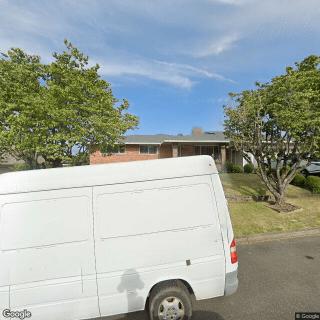
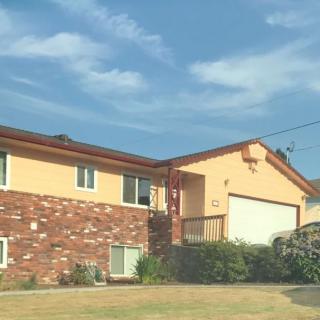
Gramma's Home Care in Portland is best suited for families seeking a warm, home-like environment where seniors receive deeply personalized care, including hospice and end-of-life support, without sacrificing dignity or daily humane attention. This community operates as an extended family, with Mirela, Costa, and Victor delivering care that feels more like a trusted home caregiver team than a distant facility staff. Residents are treated as beloved individuals, with home-cooked meals, attentive oversight, and clear, ongoing communication. For families prioritizing continuity of relationships, comfort, and a sense of belonging, this option stands out as a practical, emotionally reassuring alternative to larger campuses.
Those who may want to consider alternatives are the families pursuing a more institutional, hospital-like setting or a campus with extensive, standardized programming and resources. The emphasis here is on intimate, household living rather than a conventional facility footprint. If the priority is formal medical protocols, 24/7 on-site nursing staff, or a wide network of on-site amenities and activities typical of bigger operators, a larger assisted-living environment may better meet those expectations. In short, this is a standout choice for warmth and individualized attention, but not aimed at delivering a clinical, campus-style experience.
The strongest pros, genuine compassion, easy, frequent communication, and thoughtful, homey care, offer substantial offset to any potential downsides. The treatment of residents as family members reduces anxiety for families, while the care team’s attentiveness, good meals, and clean environment translate into tangible daily quality of life. Hospice support and medication oversight are highlighted strengths that give families confidence that medical needs are monitored without turning care into a cold, impersonal process. The scale of operations is precisely what enables this level of personal attention; the trade-off is a potentially narrower range of services compared with larger facilities.
A practical evaluation for prospective residents should center on staffing dynamics and care coordination. The reviews repeatedly credit the team with being knowledgeable and communicative, suggesting a reliable line of sight into a loved one’s status. Families should verify who provides medical oversight on an ongoing basis, how medications are managed, and how care plans are updated as needs evolve. Also essential is understanding how the home culture translates into daily routines, social interaction, and engagement in meaningful activities, elements that appear central to the Gramma’s Home Care approach and are critical for long-term resident satisfaction.
For those weighing options, the question becomes whether the emotional and relational benefits of a true home environment outweigh the absence of a hospital-like infrastructure. The reviews portray a facility that excels at trust-building, comfort, and humane end-of-life care, with owners who are licensed to address multiple levels of disability. If comfort, family inclusion, and a sense of belonging matter most, Gramma's Home Care delivers. If, instead, a formalized medical system with broad specialty services and campus-scale amenities is non-negotiable, exploring other providers may be prudent to align with those expectations.
Ultimately, Gramma's Home Care offers a compelling, practical solution for families seeking heartfelt, individualized elder care where residents are welcomed as family and care is delivered with competence and warmth. The core strengths, compassionate caregivers, transparent communication, home-like meals and environment, and integrated hospice support, provide a sturdy foundation for peace of mind. The implicit trade-off favors intimacy and personalized attention over scale and institutional polish. Prospective families should arrange site visits, ask pointed questions about staffing, medical oversight, and meal routines, and assess whether this intimate, home-centered model aligns with their loved one’s medical needs, personality, and family involvement expectations.
 Board and Care Home
 Private
 Wheelchair accessible showers
 Portland International (4 miles away)
 Ambulatory care
 Diabetic care
 High acuity care
 Incontinence care
 Meals provided
 Christian services




 Exploring Palliative Care in the Home: A Comprehensive Overview
 Comprehensive Insights into Palliative Home Care: What It Is and What to Expect
 Skilled Nursing Facilities vs. Nursing Homes: Making Sense of the Differences