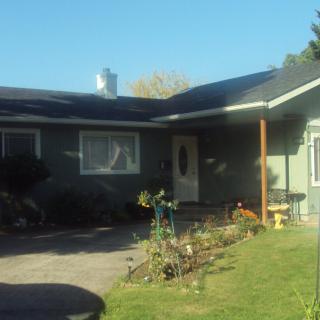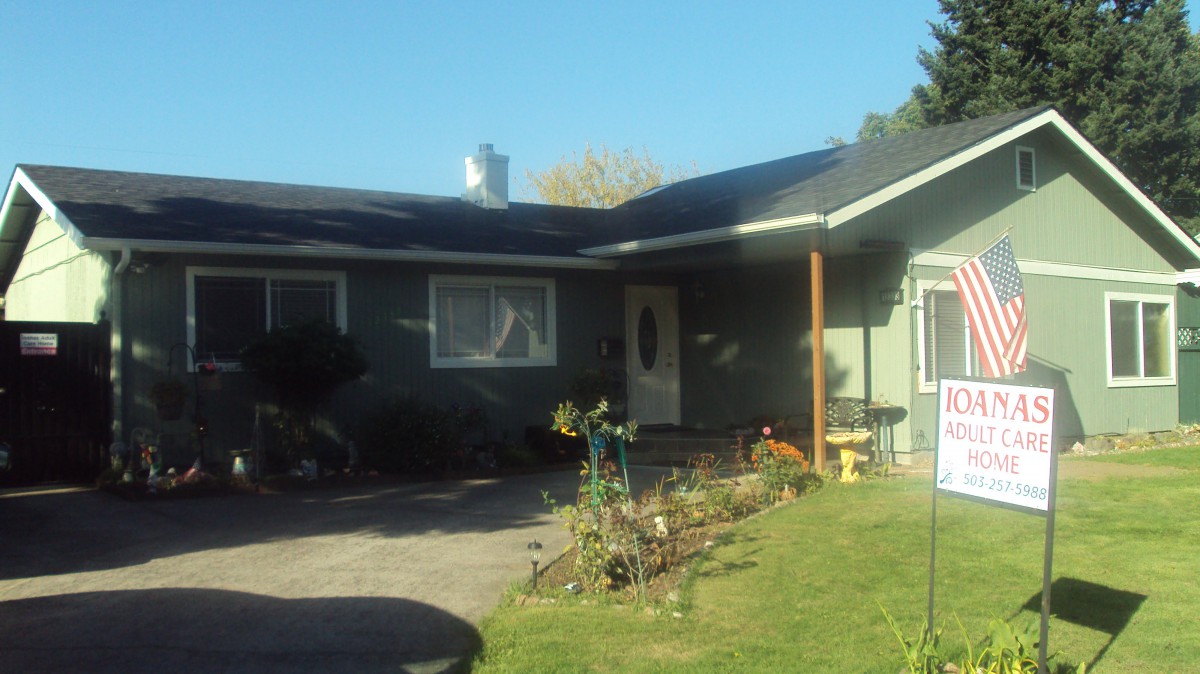
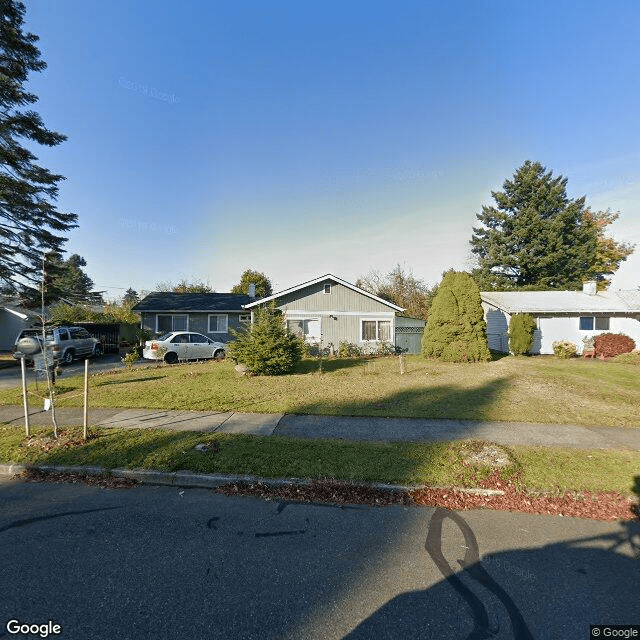
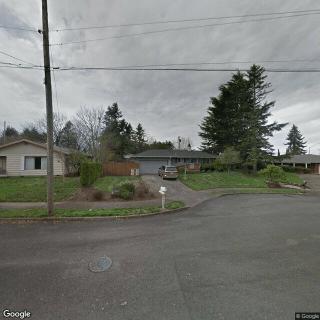
12333 NE Russell St, Portland, OR 97230
To contact a resident: (503) 257-5988
For more information about senior living options: (866) 208-4318
Ioanas ACH Costs & Pricing
At Ioana's ACH, the cost for a private room is set at $3,500 per month. This figure exceeds both the average costs in Multnomah County, which stands at $3,227, and the broader state average for Oregon, recorded at approximately $3,424. While Ioana's pricing reflects a premium over these benchmarks, it may be indicative of enhanced services or amenities offered to residents. Families considering care options in this region should weigh these costs against the quality of care and environment provided by Ioana's facility to ensure they are making an informed decision that meets their needs.
| Floor plans | Ioanas ACH | Multnomah County | Oregon |
|---|---|---|---|
| Private | $3,500 | $3,227 | $3,424 |
Senior living communities with a similar price nearby
-
from +$300 / mo

The Inn at University Village
$3,800 to $7,500 / month13.2 miles away -
from -$500 / mo
A Piece of Heaven
$3,000 / month8.6 miles away -
from +$500 / mo
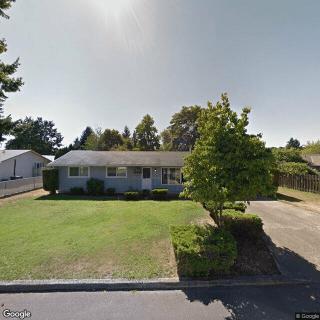
Oaktree Adult Care Home
$4,000 / month15.1 miles away -
from -$500 / mo
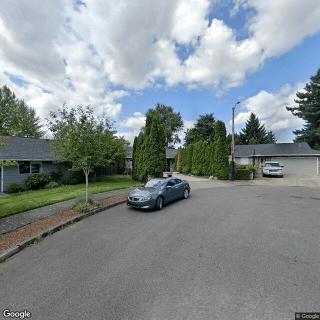
Yamhill Senior Care Home
$3,000 / month2.4 miles away -
from -$500 / mo
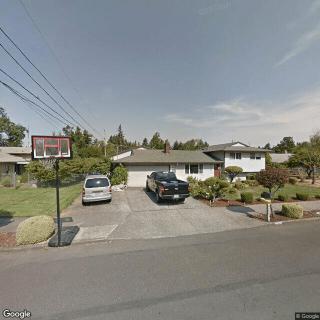
Peaceful Lighthouse Adult Care Home
$3,000 / month3.8 miles away
Overall Review of Ioanas ACH
Pros
 The mother has received compassionate and kind care.
- The caregivers are excellent.
- She has been cared for for almost three years.
Review
Ioanas ACH in Portland is best suited for families seeking a smaller, intimately staffed assisted living environment where care quality is evident in daily practice. This is a setting where staff become familiar faces, routines feel reliable, and genuine warmth from caregivers translates into meaningful daily support. For residents who thrive on predictable schedules, steady personal attention, and a sense of belonging fostered by Long-tenured staff, this community offers a strong alignment. The upside is clear: a quiet, resident-centered atmosphere where compassion drives everyday care, and where families can entrust routine tasks with confidence because the caregivers have learned the resident’s rhythms over months and years.
The numbers corroborate the experience on the ground: a 4.7 rating from three reviews signals a consistent, favorable impression, with two five-star notes and one four-star assessment. The most compelling commentary centers on compassionate and kind care delivered by the caregiving team, and a reviewer highlights almost three years of stable caregiving with excellent attendants. That combination, high moral commitment from caregivers coupled with staff stability, creates a sense of continuity that matters deeply for seniors facing the vulnerability of aging. In practical terms, it means residents experience fewer unsettled transitions, better adherence to personal routines, and a daily environment that feels like a supportive family rather than a revolving door of aides.
Still, potential residents should acknowledge the limits of the current feedback. The small number of published reviews leaves several critical questions about clinical depth and program breadth unanswered. There is no explicit detail about on-site medical oversight, memory-care specialization, rehabilitation services, or the scope of activities beyond the core caregiving tasks. For elders with complex medical needs, frequent care-plan changes, or a desire for a robust calendar of structured programming and rehab, alternatives with more visible clinical coordination or a wider menu of on-site services may be a better fit. In short, the warmth and stability are undeniable strengths; caveats exist for families seeking a more comprehensive care ecosystem.
The core benefits, compassionate care, skilled and stable caregivers, and long-tenured staff, do a strong job of offsetting the lack of public detail about amenities and advanced programming. The human connection translates into clear advantages: lower staff turnover, stronger family communication, and a calmer daily life for residents who value predictability and personal attention. Yet the absence of explicit information about rehab options, activity breadth, transportation, or specialized memory-care programming creates a potential friction point for those who want a more active daily schedule or more intensive clinical support. In decision terms, Ioanas ACH wins on relational quality, but may fall short for families prioritizing extensive services or a highly active, program-rich environment.
For families comparing options, the approach should be concrete and data-driven. Start with a comprehensive tour and insist on seeing sample care plans, medication management protocols, and clear pricing structures. Probe staffing patterns: exact ratios during day and night, who oversees medical coordination, and how often plans are updated with family input. Talk to current residents or families about daily life, meal quality, and transportation logistics. Request detailed activity calendars, meal menus, and any available memory-support programming to understand the day-to-day rhythm beyond basic care. The aim is to validate whether the community’s strengths match the resident’s evolving needs and to confirm that costs align with the level of service provided.
Bottom line: Ioanas ACH offers a genuinely strong caregiver quality and a stable, compassionate environment that resonates with elders who prioritize relational care and consistent daily routines. For families seeking a warm, low-drama setting where staff know residents well and where care feels personal and dependable, this is a compelling option worth pursuing. If clinical intensity, expansive amenities, or highly structured rehab programming are essential, or if cost transparency and breadth of services are non-negotiable, it is prudent to explore alternatives. The decision should rest on whether the resident will thrive in a human-centered, steady caregiving milieu or if a broader clinical and activity spectrum is required to meet anticipated future needs.
 Board and Care Home
 Activities on-site
 Bath tubs
 Beautician on-site
 Devotional services off-site
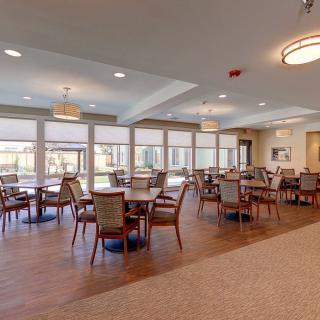
 Indoor common areas
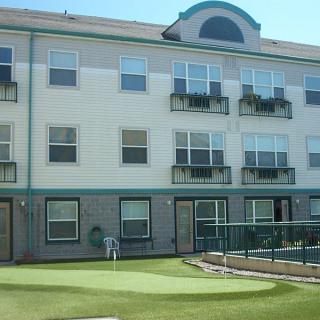
 Outdoor common areas
 Private
 Private bathrooms
 Respite or short term stays offered
 Wheelchair accessible showers
 Portland International (4 miles away)
 Ambulatory care
 Diabetic care
 High acuity care
 Incontinence care
 Meals provided
 Christian services


 Top Canine Companions for Older Adults
 Comprehensive Guide to Blood Pressure Charts for Older Adults: Understanding Normal and High Readings by Age
 Financing Long-Term Nursing Home Care Through Social Security: A Thorough Exploration